
Rock Wall Basement: 5 Proven Ways for Stunning Results
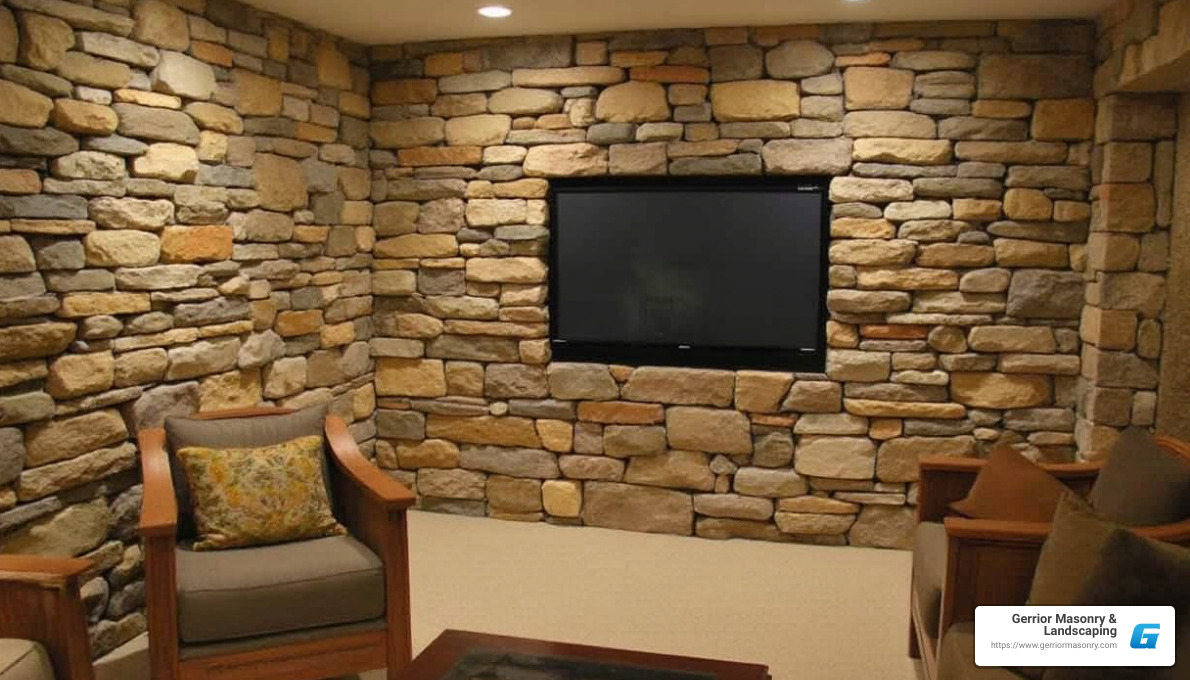
Rock wall basement renovations can transform a forgotten lower level into a striking focal point of your home. Creating a rock wall basement adds unique, natural beauty and can even improve your home’s value. But why make this upgrade? Here are some quick reasons:
- Aesthetic Appeal: Rock walls provide a rustic, timeless look.
- Durability: They are long-lasting and robust.
- Increased Home Value: Offers a selling point for future buyers.
- Customizable: Options for personalized designs and finishes.
For homeowners in Massachusetts, particularly those aged 30-60 seeking to improve their living spaces without having to become experts themselves, this renovation not only adds beauty but also functionality.
I’m Joe Gerrior, owner of Gerrior Masonry & Landscaping with over 34 years of experience in stone foundations and basement renovations. My passion lies in creating visually stunning, functional spaces like rock wall basements that stand the test of time.
Planning Your Rock Wall Basement
When planning your rock wall basement, there are key aspects to consider to ensure a successful project. This involves thoughtful design, rigorous safety measures, and a thorough space assessment.
Design Considerations
The design of your rock wall should reflect both your personal style and the practical needs of your space. Start by evaluating the area where the wall will be constructed. Consider the height and length of the wall and how it will fit with existing basement features.
Tip: Use the dimensions of your basement to decide on the size and scale of the rock wall. Keeping the wall’s dimensions in multiples of 4 feet can minimize waste and complexity, as suggested in a home bouldering wall project.
Think about the overall aesthetic you want to achieve. Do you prefer a sleek, modern look or a more rustic, natural appearance? The choice of stone and mortar color can significantly impact the final look.
Safety Measures
Safety is paramount when working on any construction project. Ensure the area is clear of hazards and that anyone involved in the project is wearing appropriate safety gear, such as safety glasses and hearing protection.
Important: As noted in a rock climbing wall project, always make sure the area around your work site is safe for potential falls or accidents. This is especially crucial if children are involved in the project.
When building a rock wall, it’s also essential to consider the structural integrity of your basement. Make sure that the walls and floor can support the additional weight of the stone. Consulting with a professional engineer might be necessary to assess the load-bearing capacity.
Space Assessment
Before you start building, conduct a thorough space assessment. Measure the available space in your basement to determine the best location for your rock wall. Consider existing features like windows, doors, and utilities that might impact the wall’s placement.
Pro Tip: If your basement has a low ceiling or other structural constraints, you might need to adjust your design. For instance, a slightly tilted wall might be a better fit, as seen in a basement bouldering wall project with a low ceiling.
Additionally, think about how the rock wall will interact with other elements in your basement. Will it complement your existing layout, or do you need to rearrange furniture and other features to accommodate it?
By carefully planning your rock wall basement, you can create a beautiful and functional space that meets your needs and improves the overall appeal of your home. With the right design, safety measures, and space assessment, your basement can become a standout feature that adds value and enjoyment to your home.
Materials and Tools Needed
To create a stunning rock wall basement, you’ll need the right materials and tools. Here’s a breakdown of what you’ll need to get started:
Stone Selection
Choosing the right stone is crucial for both the aesthetic and structural integrity of your wall. Stones vary in color, texture, and durability. Consider the style you want to achieve and the existing elements in your basement. Natural stones like fieldstone offer a rustic charm, while more uniform stones can provide a sleek, modern look.
Tip: If you have a stone foundation, use similar stones to maintain consistency and historical integrity.
Mortar Types
Mortar binds the stones together and fills the gaps. There are different types of mortar, and your choice will depend on the stones you use and the conditions of your basement. For stone walls, a Type N or S mortar is commonly recommended due to its strength and flexibility.
Fact: Stone foundations often require repointing, which involves replacing old mortar to maintain structural integrity. This is crucial in older homes where mortar may have crumbled over time.
DRYLOK
DRYLOK is essential for waterproofing your basement walls. This product acts like a barrier, preventing moisture from penetrating the stone and mortar. It comes in various colors and is even tintable, allowing you to customize the look of your basement walls, as demonstrated by Jessica Brigham in her basement change project.
Essential Tools
- Bristle Brush: Perfect for cleaning stone surfaces and removing dirt from crevices before applying mortar or paint.
- Hammer and Scraper: Use these to remove any loose or deteriorating mortar from the existing stone foundation.
- Shop-Vac: Ideal for cleaning up dust and debris after prepping the walls. A clean surface ensures better adhesion of mortar and paint.
Additional Tools
- Fat Paintbrush or Smaller Angled Brush: For applying DRYLOK in thick layers, ensuring comprehensive coverage.
- Tiny Paintbrush: Useful for reaching deep crevices and ensuring every part of the wall is coated.
With the right materials and tools, you can confidently tackle your rock wall basement project. Proper preparation and selection will not only improve the beauty of your basement but also ensure its durability and longevity.
Next, we’ll dive into the step-by-step guide to building your rock wall, covering everything from excavation to sealing.
Step-by-Step Guide to Building a Rock Wall
Building a rock wall basement involves several key steps to ensure both beauty and durability. Let’s walk through the process from start to finish.
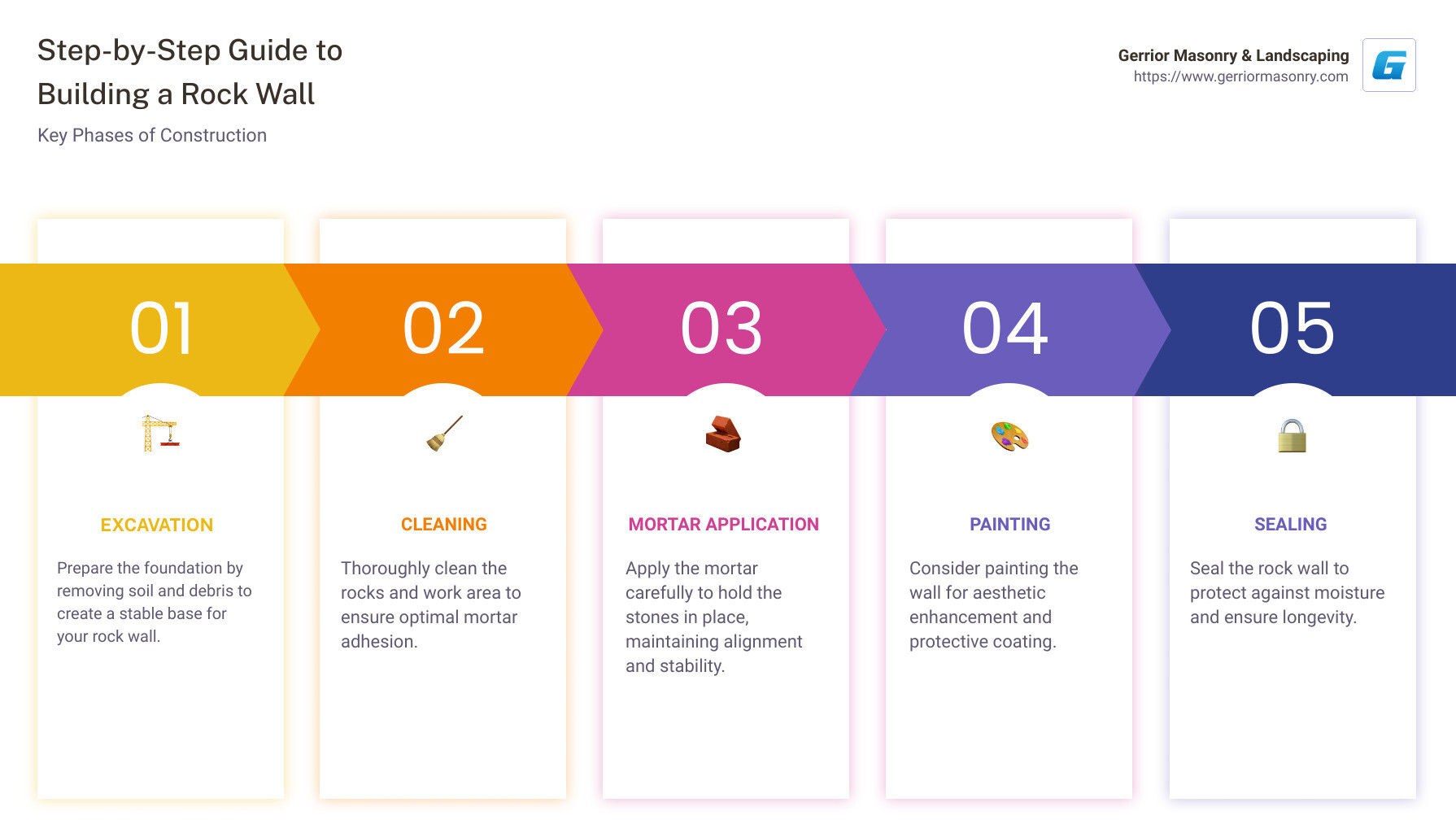
Excavation
The first step is to prepare the area where your rock wall will be built. Excavation involves removing any existing materials and ensuring the foundation is stable. If you’re working with a stone foundation, ensure it is solid and free from major cracks or damage. A stable base is crucial for the longevity of your rock wall.
Tip: If your basement has a stone foundation, consider using similar stones for a cohesive look.
Cleaning
Before applying mortar, clean the stones thoroughly. Use a bristle brush to remove dirt, dust, and any loose particles from the stone surfaces. A clean surface ensures better adhesion of mortar and paint.
Tool Highlight: A shop-vac is invaluable for cleaning up dust and debris, providing a clean workspace for the next steps.
Mortar Application
Mortar is the glue that holds your rock wall together. Apply a generous amount of mortar to the base and between each stone. Use a trowel to spread the mortar evenly and press the stones firmly into place. Type N or S mortar is commonly recommended for stone walls due to its strength and flexibility.
Fact: Repointing, or replacing old mortar, is crucial for maintaining the structural integrity of older stone foundations.
Painting
Once the wall is constructed, adding a layer of color can improve its appearance. Use DRYLOK to paint your rock wall. This product not only adds color but also acts as a waterproof barrier, protecting your wall from moisture. Apply with a fat paintbrush for thick layers or a tiny paintbrush for detailed work in crevices.
Pro Tip: Use leftover house paint creatively, as demonstrated in a DIY project where a mountain scene was painted on a climbing wall.
Sealing
The final step is sealing your rock wall. Sealing helps protect the stones and mortar from moisture and environmental damage. It also improves the color and texture of the stone, giving your wall a polished look. Ensure that all areas, especially joints and edges, are thoroughly sealed.
Reminder: No wall should have more than one vapor barrier. Opt for semi-permeable barriers to allow slow diffusion of moisture, ensuring the wall can breathe.
By following these steps, you can create a stunning and durable rock wall basement that adds both beauty and function to your space. Up next, we’ll explore how to waterproof your basement to protect your investment.
Waterproofing Your Basement
Waterproofing is crucial for maintaining a dry and safe rock wall basement. It protects against moisture, which can damage both the structure and interior space. Here, we’ll explore some effective waterproofing techniques to keep your basement in top condition.
Waterproofing Techniques
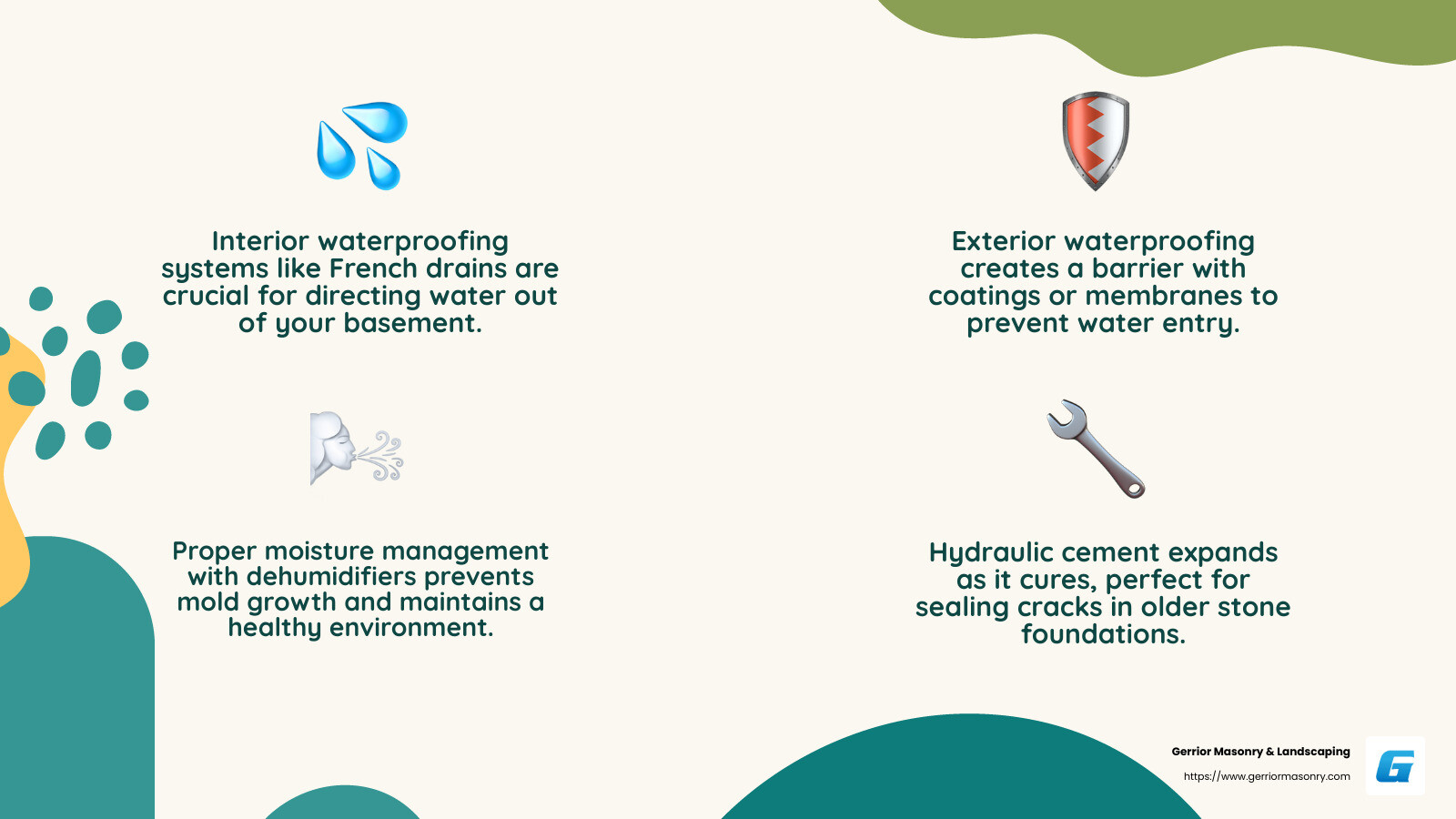
- Interior Waterproofing: This method involves managing water that has already entered the basement. Install interior drainage systems like French drains or sump pumps to collect and redirect water away from your living space. This is essential for keeping your basement dry and preventing water damage.
- Exterior Waterproofing: Prevent water from entering in the first place by applying waterproof coatings or membranes to the exterior walls. This often requires excavating around the foundation to access the walls. Exterior waterproofing creates a barrier that repels water, keeping your basement dry.
- Moisture Management: Proper moisture management is key. Use a dehumidifier to control humidity levels and ensure adequate ventilation. This helps prevent mold growth and keeps the basement environment healthy.
DRYLOK Extreme
DRYLOK Extreme is a popular choice for waterproofing basement walls. This product acts as a waterproof barrier, protecting against moisture intrusion. It’s especially effective for painting stone walls, as it seals and colors at the same time.
- Application: Use a fat paintbrush for broad strokes and a tiny brush for tight crevices. Apply in thick layers for comprehensive coverage.
- Tip: DRYLOK comes in tintable options, allowing you to customize the color of your basement walls.
Hydraulic Cement
Hydraulic cement is ideal for sealing cracks and holes in the foundation. It expands as it cures, ensuring a tight seal that blocks water.
- Use: Mix only what you can apply quickly, as it sets rapidly. This makes it perfect for patching leaks and reinforcing weak spots in the wall.
- Fact: Hydraulic cement is especially useful for older stone foundations that may have developed cracks over time.
By implementing these waterproofing strategies, you can safeguard your rock wall basement against moisture issues. Whether using DRYLOK Extreme for a dual-purpose paint and sealant or hydraulic cement for quick repairs, these techniques ensure your basement remains dry and protected.
Next, we’ll tackle frequently asked questions about rock wall basements to address common concerns and solutions.
Frequently Asked Questions about Rock Wall Basements
How to waterproof a stone basement wall?
Waterproofing a stone basement wall is essential to prevent moisture damage. Stone foundations, often found in older homes, can suffer from mortar crumbling over time. This leads to water seepage, which can cause structural issues.
Waterproofing solutions include:
- Repointing: Replace deteriorating mortar to restore the wall’s integrity. This helps seal gaps where water can enter.
- Shotcrete Application: For more permanent repair, consider using shotcrete. This technique involves spraying concrete onto the walls, creating a stable and water-resistant surface.
- DRYLOK Extreme: This product is excellent for painting stone walls while sealing them. It acts as a moisture barrier, protecting against intrusion.
- Hydraulic Cement: Use this to patch any visible cracks. Its expanding properties ensure a tight, water-blocking seal.
What are the disadvantages of stone foundations?
Stone foundations, while charming and historical, come with their own set of challenges:
- Cost: Maintaining a stone foundation can be costly. Repointing and waterproofing are necessary and can add up over time.
- Maintenance: Regular maintenance is required to keep the mortar from crumbling and to ensure the structure remains sound. Neglect can lead to significant structural issues.
- Structural Issues: Due to their age, stone foundations may have uneven settling or bowing walls. This can compromise the overall stability of the home.
Are rock walls expensive to build?
Building rock walls in a basement can be more expensive than other types of walls. Here’s why:
- Cost per Square Foot: The cost can vary significantly based on the type and quality of stone used. Natural stone tends to be pricier than manufactured options.
- Material and Labor Costs: Skilled labor is required to construct and maintain rock walls, which can increase the overall expense. The intricate nature of stonework demands experienced masons, adding to labor costs.
While rock walls can be a beautiful and unique feature in a home, it’s important to weigh the costs and maintenance requirements before deciding to build one.
Conclusion
Creating a rock wall basement can transform your home into a unique and inviting space. At Gerrior Masonry & Landscaping, we pride ourselves on delivering high-quality results with expert craftsmanship. Our team, with over 30 years of experience, ensures that each project is completed with precision and care, whether it’s building rock walls or maintaining stone foundations.
Expert Craftsmanship: We understand the intricacies of working with stone. Our skilled masons have the expertise to manage all aspects of rock wall construction, from selecting the right materials to executing the design flawlessly. This ensures your basement not only looks stunning but also stands the test of time.
High-Quality Results: Our focus is on achieving excellence in every project. We use top-grade materials and advanced techniques to ensure that your rock wall is both durable and aesthetically pleasing. Our attention to detail and commitment to quality mean you can trust us to bring your vision to life.
If you’re considering a basement renovation or need help with foundation repair, our team is ready to assist. We specialize in a range of masonry and hardscaping services, ensuring your home remains beautiful and structurally sound.
For more information on maintaining and caring for your masonry features, visit our service page. Let Gerrior Masonry & Landscaping help you achieve the basement of your dreams with our expert craftsmanship and dedication to high-quality results.
