
Chimney Replacement: Top 5 Essential Signs in 2025
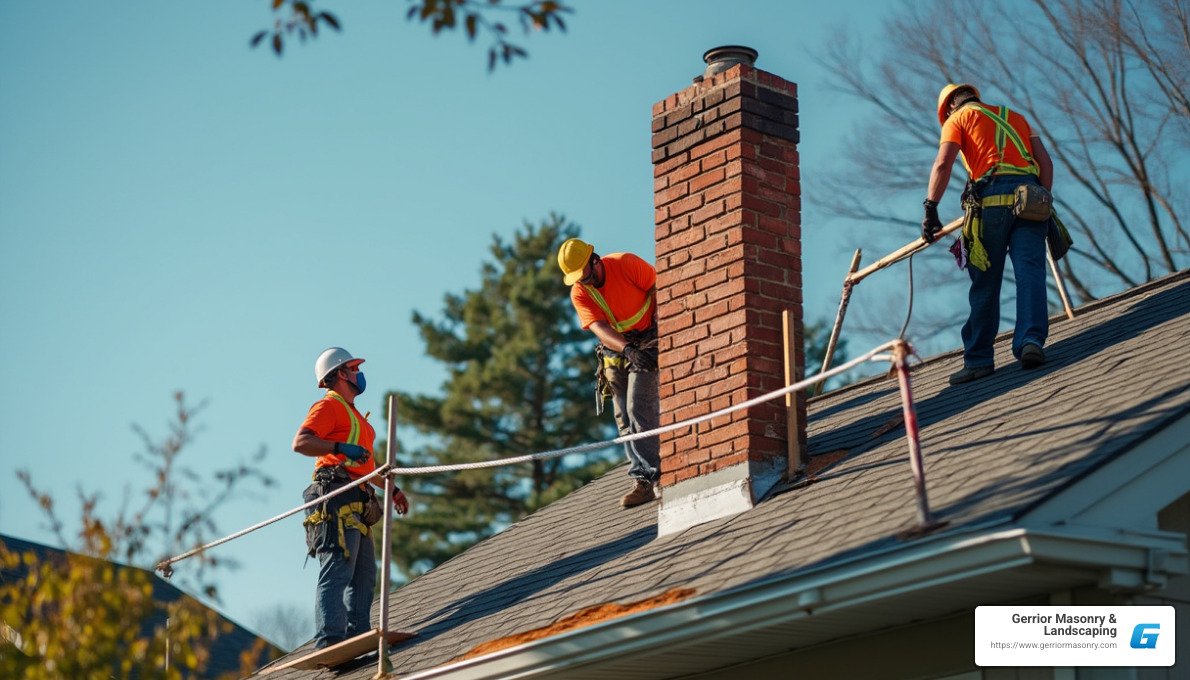
When facing the prospect of chimney replacement, homeowners often have one crucial question: How do I know when it’s time to replace my chimney? A chimney is a vital part of your home, not just for warmth and comfort but also for safely venting hazardous gases. On average, a chimney can last over 100 years with regular maintenance. However, neglect can accelerate wear and demand a full replacement sooner.
To help you decide if you need a chimney replacement, consider these quick pointers:
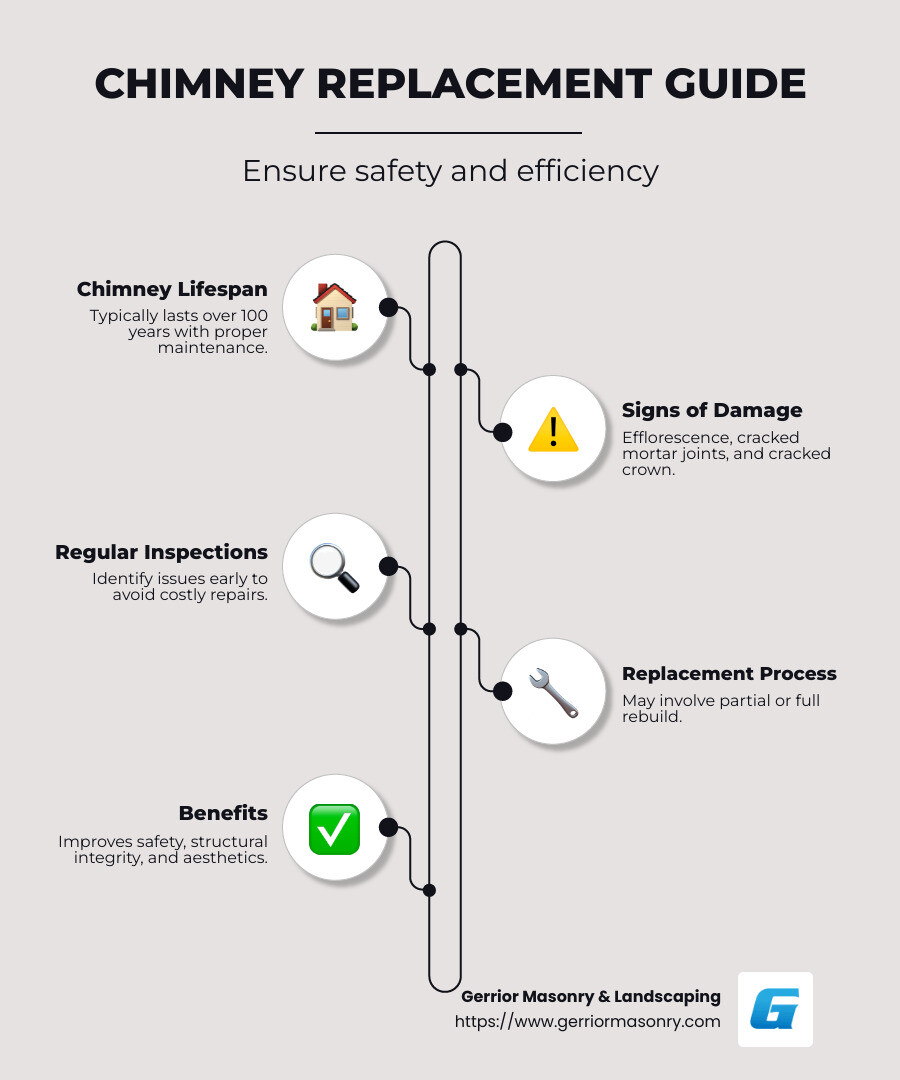
- Lifespan: Most chimneys can last a century, but this depends on the materials and maintenance.
- Signs of Damage: Look for efflorescence, cracked mortar joints, and a cracked crown.
- Inspection: Regular inspections are crucial for identifying problems early and avoiding costly repairs.
I’m Joe Gerrior, with a wealth of experience in chimney replacement and related masonry services. Over the last 34 years, I’ve dedicated our family-owned business, Gerrior Masonry & Landscaping, to offering top-notch, reliable services that safeguard your home and improve its beauty.
Basic chimney replacement vocab:
– chimney rebuild
– chimney repair cost
– chimney masonry repair
Signs You Need a Chimney Replacement
You might love the cozy charm of a fireplace, but a damaged chimney can be a hidden danger. Here are some signs that it might be time for a chimney replacement.
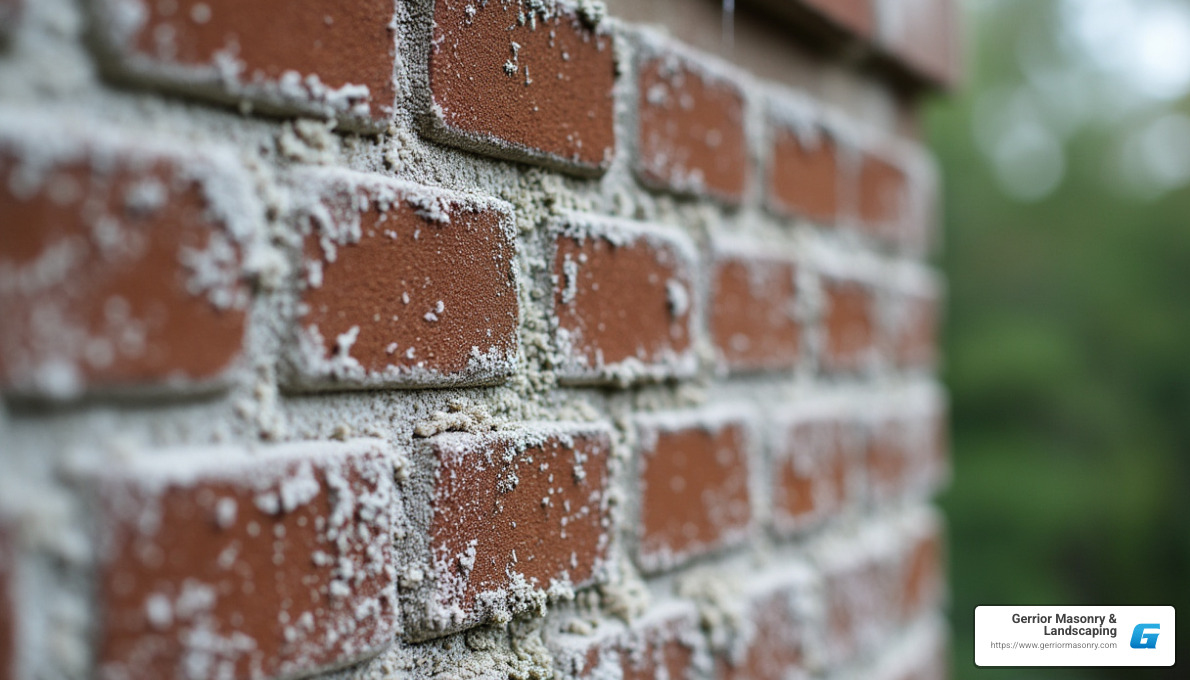
Efflorescence
Efflorescence appears as a white, powdery substance on your chimney’s exterior. This is a clear signal that water is penetrating your chimney. While it might look like a minor cosmetic issue, it often indicates more severe water damage inside. Water can lead to mold growth and structural damage not just in the chimney, but also in other parts of your home.
Cracked Mortar Joints
Mortar joints are vital for holding your chimney together. If these joints crack or have gaps, they become weak spots where water can easily seep in. In cold weather, this water can freeze and expand, causing even more damage. This can lead to smoke and heat escaping in unwanted places, and in worst cases, a chimney collapse.
Regular inspections by a chimney professional can spot these problems early, even if the cracks are inside the firebox where you can’t see them.
Cracked Crown
The crown is the protective top layer of your chimney, keeping out rain, snow, and critters. A cracked crown can allow water to enter and cause significant damage. Small cracks can sometimes be repaired, but large cracks or crumbling crowns might mean you need a full replacement.
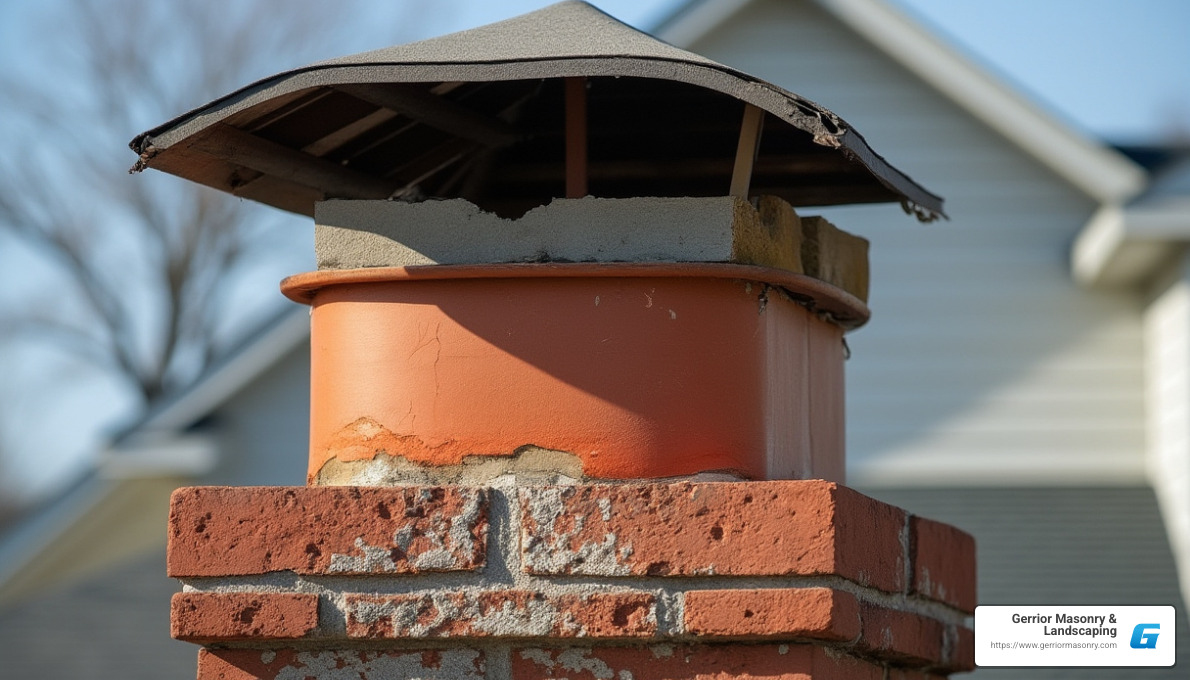
Each of these signs—efflorescence, cracked mortar joints, and a cracked crown—can indicate serious issues that may require a chimney replacement. Ignoring these problems can lead to bigger risks, like structural damage or dangerous gases entering your home. Regular maintenance and inspections can help you catch these issues early, keeping your home safe and secure.
Next, we’ll explore the chimney replacement process, detailing the steps involved in ensuring your chimney is both safe and efficient.
Chimney Replacement Process
Replacing a chimney might sound daunting, but understanding the process can make it much easier. Let’s break it down into three main parts: inspection, partial rebuild, and full rebuild.
Inspection
Before any work begins, a thorough inspection is crucial. A professional will examine your chimney for damage, checking for cracks, water infiltration, and structural integrity. This step helps determine the extent of the damage and whether a partial or full rebuild is necessary. Regular inspections can catch issues early, potentially saving you from more costly repairs down the line.
Partial Rebuild
If the damage is limited, a partial rebuild might be all you need. This involves repairing or replacing sections of the chimney that are damaged, such as the mortar joints or the chimney crown. A partial rebuild can be a cost-effective way to restore your chimney’s functionality and safety without the expense of a complete overhaul.
Partial rebuilds often focus on:
- Cracked Mortar Joints: Repointing the mortar to restore strength and prevent water ingress.
- Cracked Crown: Repairing or replacing the crown to protect against water damage.
Full Rebuild
In cases of severe damage, a full rebuild might be necessary. This involves dismantling the existing chimney and constructing a new one from the ground up. While more expensive, a full rebuild ensures that your chimney is safe, efficient, and built to last.
A full rebuild includes:
- Foundation Work: Ensuring a solid base for the new chimney.
- New Materials: Using high-quality bricks or stones and durable mortar.
- Modern Safety Features: Incorporating flue liners and caps to improve performance and safety.
Both partial and full rebuilds require skilled masonry work to ensure the chimney not only looks good but also functions properly. Whether you’re dealing with minor repairs or a complete replacement, professional expertise is essential for a successful outcome.
Stay tuned as we dig into the costs associated with chimney replacement, helping you understand what to expect financially.
Costs of Chimney Replacement
When considering chimney replacement, it’s important to understand the costs involved. These costs can vary based on materials, labor, and the extent of the work needed. Let’s break it down.
Material Costs
The materials you choose for your new chimney can significantly impact the overall cost. Here are some common options:
- Brick: Known for its classic look and durability, brick is a popular choice. It’s typically more expensive due to its high-quality appearance and longevity.
- Stone: Offers a rustic and unique aesthetic. Stone can be more costly than brick due to its weight and the complexity of installation.
- Concrete Blocks: A cost-effective alternative, concrete blocks are sturdy and provide good insulation.
Choosing the right material is crucial for both the appearance and durability of your chimney.
Labor Costs
Labor is another major component of chimney replacement costs. Skilled masonry work is essential to ensure your chimney is safe and functional. The complexity of the job, such as whether it’s a partial or full rebuild, will influence labor costs.
- Partial Rebuild: Generally less costly, as it involves repairing specific sections.
- Full Rebuild: More expensive due to the need for complete dismantling and reconstruction.
Hiring experienced professionals is vital to ensure the job is done correctly and safely.
Average Price Range
The total cost for chimney replacement can vary widely. Here’s a general idea of what you might expect:
- Full Chimney Replacement: On average, costs around $9,300. This includes both material and labor expenses for a complete overhaul.
- Partial Chimney Rebuild: Typically costs about $2,500. This is a more budget-friendly option if only certain sections need repair.
- Chimney Extension: Also averages around $2,500, if you’re looking to increase the height of your chimney.
These figures are averages and can fluctuate based on location, specific materials chosen, and the contractor’s expertise.
Understanding these costs can help you budget effectively for your chimney project. Next, we’ll explore the benefits of replacing your chimney, from improved safety to improved curb appeal.
Benefits of Chimney Replacement
When it comes to chimney replacement, the benefits go beyond just a new look. Let’s explore the key advantages: safety, structural integrity, and aesthetic improvement.
Safety
First and foremost, safety is a major reason to consider replacing your chimney. A damaged chimney can pose serious risks, including:
- Carbon Monoxide Leaks: Cracks or gaps can allow harmful gases to seep into your home.
- Fire Hazards: Accumulated creosote and soot can ignite, leading to chimney fires.
Replacing your chimney ensures that these risks are minimized, providing peace of mind for you and your family.
Structural Integrity
A new chimney also means improved structural integrity. Over time, weather exposure, age, and water damage can lead to:
- Cracked Mortar Joints: These can weaken the chimney, making it unstable.
- Efflorescence: White stains that indicate water penetration, which can lead to further damage.
A replacement addresses these issues, ensuring your chimney is strong and stable, and preventing costly future repairs.
Aesthetic Improvement
Finally, don’t underestimate the aesthetic boost a new chimney can bring. Whether you choose brick, stone, or another material, a new chimney can improve your home’s curb appeal. Here’s how:
- Modern Look: Update your home’s appearance with a sleek, new design.
- Increased Value: A well-maintained chimney can add to your home’s market value, attracting potential buyers.
In summary, a chimney replacement not only ensures safety and structural soundness but also refreshes your home’s exterior look. Next, we’ll address some frequently asked questions about chimney replacement.
Frequently Asked Questions about Chimney Replacement
How much does it cost to replace a chimney top?
Replacing a chimney top, or chimney cap, is a crucial part of maintaining your chimney’s health. The cost can vary depending on the material you choose. On average, you might spend between $300 and $1,200 for a new chimney cap.
- Material Options:
- Stainless Steel: Durable and rust-resistant, costing around $300 to $600.
- Copper: Offers a premium look and lasts long, but it’s pricier at $600 to $1,200.
- Aluminum: Lightweight and affordable, typically ranging from $150 to $300.
A well-chosen chimney cap not only protects your chimney from water and debris but also prevents animals from nesting inside.
How often does a chimney need to be replaced?
The lifespan of a chimney depends on its material and maintenance. Generally, chimneys can last several decades if properly cared for.
- Brick Chimneys: With regular maintenance, a brick chimney can last 50 to 100 years. However, they require periodic repairs like repointing to ensure longevity.
- Metal Chimneys: Made from materials like stainless steel or aluminum, these chimneys typically last 15 to 25 years. They are less durable than brick but easier to install and maintain.
Regular inspections and maintenance can significantly extend the lifespan of any chimney.
What are the risks of not replacing a damaged chimney?
Ignoring a damaged chimney can lead to serious problems, impacting both safety and home integrity.
- Carbon Monoxide Leaks: Gaps or cracks in the chimney can allow this dangerous gas to enter your home, posing a health risk.
- Creosote Buildup: This tar-like substance can accumulate in chimneys, increasing the risk of a chimney fire if not addressed.
- Smoke and Soot Damage: A compromised chimney can cause smoke to back up into your home, leading to soot stains and poor indoor air quality.
Addressing these issues with a timely chimney replacement is essential for maintaining a safe and healthy home environment.
Next, we’ll explore the expert services offered by Gerrior Masonry & Landscaping and their commitment to high-quality results.
Conclusion
At Gerrior Masonry & Landscaping, we are dedicated to providing expert services that ensure your chimney is not just functional but also safe and aesthetically pleasing. With over 30 years of experience, our skilled team, led by owner oversight, guarantees high-quality results for every project.
Why Choose Us?
- Expertise in Chimney Replacement: Our team specializes in both partial and full chimney rebuilds. We ensure each project is custom to meet your specific needs, whether you’re dealing with cracked mortar joints or a compromised chimney crown.
- High-Quality Materials: We use only the best materials to improve the longevity and safety of your chimney. From durable bricks to premium metal options, we help you choose the right materials for your home.
- Comprehensive Services: Beyond chimney replacement, we offer a range of masonry and hardscaping services, including patio installations, walkways, and foundation repairs. Our goal is to improve both the functionality and beauty of your home.
- Customer Satisfaction: Our clients’ peace of mind is our top priority. We ensure that every project is completed with meticulous attention to detail, keeping you informed every step of the way.
Investing in a chimney replacement not only improves the safety and structural integrity of your home but also adds to its aesthetic appeal. If you suspect your chimney needs attention, don’t wait—reach out to us for a professional assessment.
Learn more about our services and how we can help with your chimney needs by visiting our Chimney Repair Services. Your home deserves the best care, and we’re here to provide it.
