Fireplace Mortar Repair: Top 5 Expert Secrets 2024
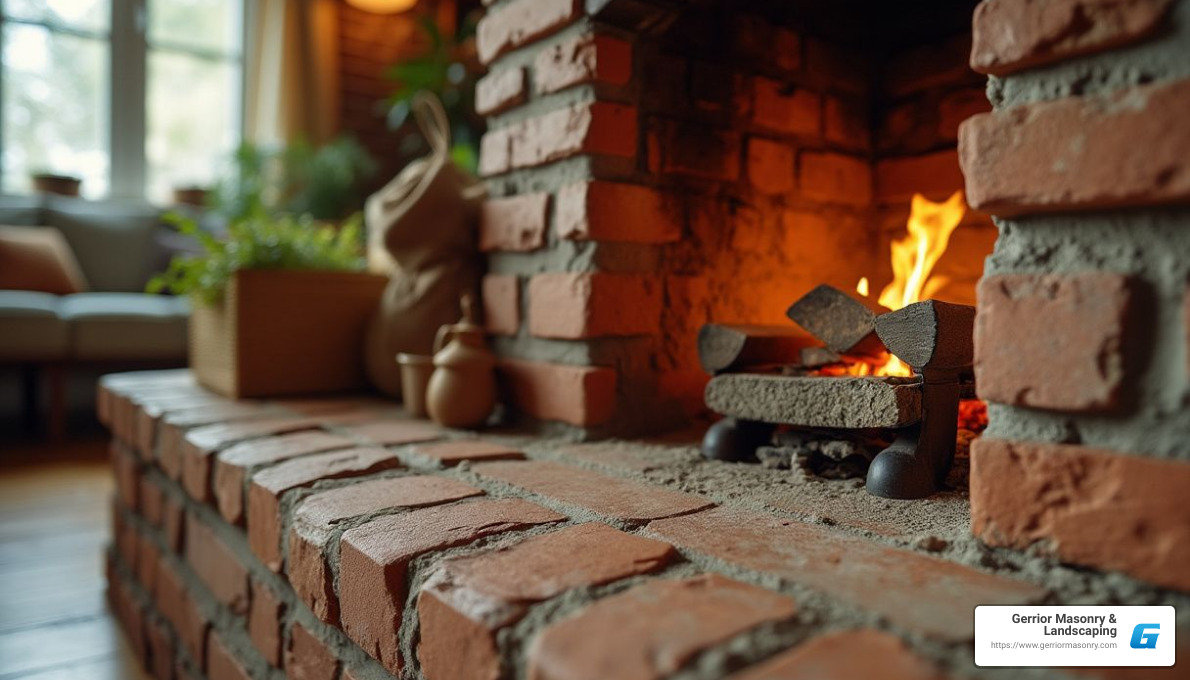
When dealing with fireplace mortar repair, understanding the right approach is essential to maintain both beauty and safety in your home. Fireplaces are cozy and captivating, yet the heat from routine fires can create gaps in the mortar over time. Addressing these gaps promptly can prevent further damage and ensure your fireplace operates safely.
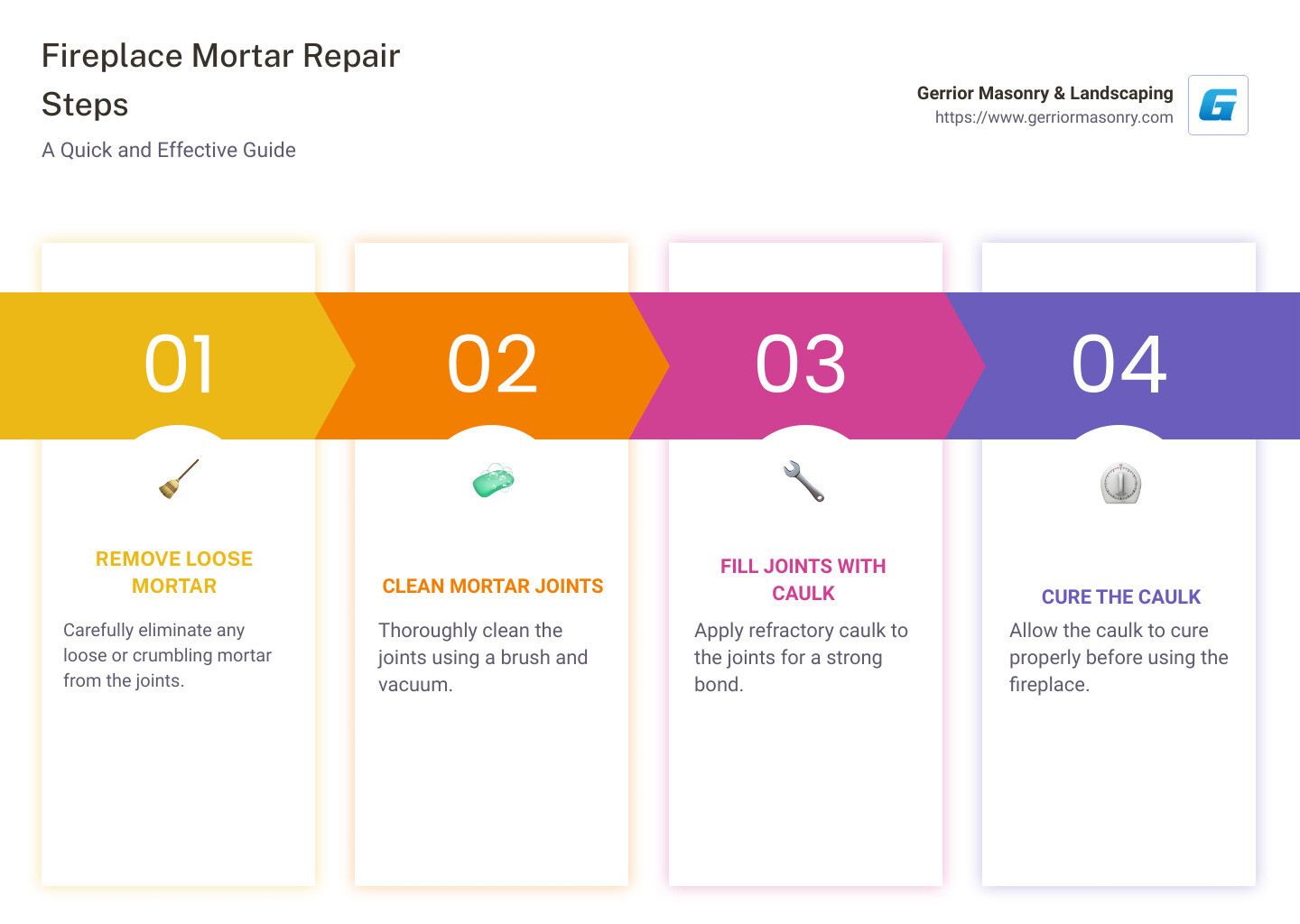
- How to Repair:
- Remove loose mortar.
- Clean mortar joints.
- Fill joints with refractory caulk.
- Smooth caulk and let it cure.
Fireplace mortar is specially designed for high-temperature projects, a key component in ensuring your fireplace remains robust under the stress of fluctuating temperatures. While minor repairs are manageable with essential tools and materials, significant damage might require professional masonry services to ensure safety and longevity.
I’m Joe Gerrior from Gerrior Masonry & Landscaping, your local expert with decades of experience in masonry services, including fireplace mortar repair. My goal is to equip you with the knowledge to handle minor repairs—helping you appreciate the art and safety of masonry.
Basic fireplace mortar repair glossary:
– Custom Fireplace Builders
– custom fireplace builders near me
Understanding Fireplace Mortar
When it comes to fireplaces, the firebox is where the magic happens. This is the part of the fireplace that holds the fire, and it’s built to withstand extreme heat. The firebox is constructed using firebricks and refractory mortar, both designed to handle the intense temperatures produced by a roaring fire.
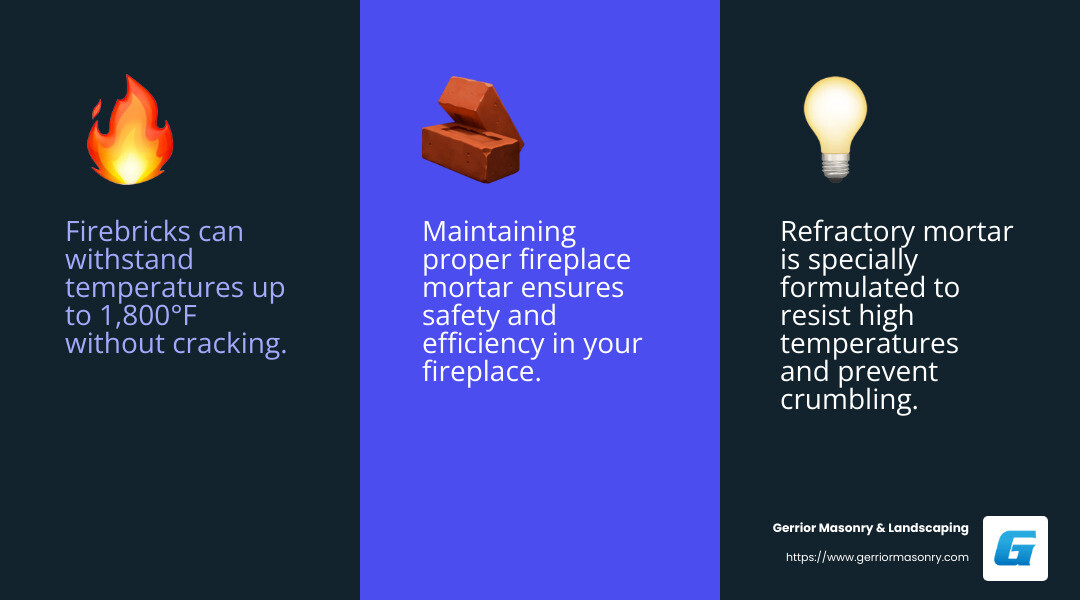
Firebricks are special bricks that can endure high heat without cracking or breaking. They’re different from the regular bricks used in most buildings because they can expand and contract with the heat without losing their integrity.
Refractory mortar is the special glue that holds these firebricks together. Unlike regular mortar, refractory mortar is formulated to resist the high temperatures found in a fireplace. It contains heat-resistant materials like silica, which helps it withstand the heat and prevent it from crumbling over time.
Understanding these materials is crucial for anyone looking to perform fireplace mortar repair. When the mortar starts to show gaps or cracks, it’s important to address these issues promptly. Small gaps can be fixed using refractory caulk, a type of high-temperature caulk specifically designed for fireplaces. However, if you notice larger gaps or damaged bricks, it’s wise to call a professional.
Key Points:
– Firebox: The heart of the fireplace, built to endure high temperatures.
– Firebricks: Heat-resistant bricks that expand and contract without damage.
– Refractory mortar: Special mortar that holds firebricks together, designed to withstand extreme heat.
Understanding these components helps ensure that any repairs maintain the safety and functionality of your fireplace. This knowledge is essential for any homeowner who wants to keep their fireplace in top condition.
Step-by-Step Guide to Fireplace Mortar Repair
Repairing the mortar in your fireplace is a straightforward task you can tackle yourself with the right tools and materials. Here’s a simple guide to help you through the process:
1. Remove Loose Mortar
First things first, clear out any loose mortar from your firebox. Start by removing the fire grate and using a fireplace brush and dustpan to sweep away ash and debris. A shop vacuum can help suck up the finer particles. Next, use a linoleum knife or putty knife to carefully scrape out any loose mortar from between the firebricks. Ensure all joints are inspected for soundness.
2. Clean the Mortar Joints
Once the loose mortar is out, it’s time to clean the joints. Use the shop vacuum again to remove any remaining debris. A can of compressed air can also be handy for blowing out stubborn particles. The cleaner the joints, the better the new mortar will adhere.
3. Fill Joints with Caulk
Insert refractory caulk into a caulking gun and cut the tip of the caulk tube as instructed by the manufacturer. Slowly fill the gaps in the mortar joints with the caulk, making sure to fill them deeply. For vertical joints, start from the bottom and work your way up. This helps you see how well the caulk is filling the gaps.
4. Smooth Caulked Joints
After filling the joints, smooth the caulk with your finger to ensure it seals well with the edges of the bricks. You might want to wear latex or nitrile gloves to keep your hands clean. As you smooth the caulk, wipe any excess off onto a paper towel to avoid reapplying it where it isn’t needed.
5. Cure the Caulk
Finally, let the caulk cure as per the manufacturer’s instructions. Typically, refractory caulk cures fully after being exposed to fire for about an hour. Initially, the caulk may appear light gray against the firebricks, but it will darken with use, blending in with the rest of the fireplace.
By following these steps, you can effectively handle minor fireplace mortar repair tasks and keep your firebox in good condition. For more significant repairs or if you’re unsure about the extent of the damage, consider consulting a professional to ensure safety and quality.
Tools and Materials Needed for Repair
Successfully completing a fireplace mortar repair requires the right set of tools and materials. Here’s a breakdown of what you’ll need to ensure a smooth repair process:
Essential Tools
- Fireplace Brush: This is your go-to tool for sweeping away ash and debris from the firebox. It’s designed to withstand high temperatures and reach into the corners of your fireplace.
- Shop Vacuum: After brushing, use a shop vacuum to suck up any remaining dust and fine particles. It helps in keeping the work area clean, ensuring the new mortar adheres properly.
- Linoleum Knife: This tool is handy for scraping out loose mortar from between the firebricks. Its sharp edge allows for precision when cleaning out the joints.
- Caulking Gun: Essential for applying the refractory caulk, a caulking gun provides control and precision. It helps you fill the mortar joints deeply and evenly.
Key Material
- Refractory Caulk: This high-temperature caulk is specially formulated for fireplaces. It contains silica, making it resistant to the extreme heat generated in a firebox. Always follow the manufacturer’s instructions for the best results.
With these tools and materials, you’re well-equipped to tackle minor repairs in your fireplace. While DIY repairs can be effective for small issues, significant damage should be assessed by a professional to ensure safety.
Frequently Asked Questions about Fireplace Mortar Repair
What kind of mortar is used in a fireplace?
When it comes to fireplaces, refractory mortar is the go-to choice. This type of mortar is specifically designed to withstand the high temperatures that occur in a firebox, often reaching up to 700 degrees Fahrenheit. Unlike regular mortar, refractory mortar contains materials like silica, which provide excellent heat resistance. This makes it ideal for use in fireplaces, where maintaining structural integrity under intense heat is crucial.
How to repair mortar on a fireplace?
Repairing the mortar in your fireplace involves a few straightforward steps. First, you need to remove any loose mortar from the joints between the firebricks. A linoleum knife is perfect for this task, as it allows for precise scraping. Once the loose mortar is cleared, clean the joints thoroughly to ensure the new mortar adheres properly. Next, use a caulking gun to fill the joints with refractory caulk. Make sure to fill them as deeply as possible for a secure hold. Finally, smooth out the edges of the caulk with your finger or a tool, ensuring a clean and even finish. Allow the caulk to cure as per the manufacturer’s instructions, which typically involves exposing it to heat for full curing.
Is fireplace mortar different from regular mortar?
Yes, fireplace mortar is quite different from regular mortar. The key difference lies in its ability to withstand high temperatures. Regular mortar is not designed for the heat levels experienced in a firebox and can crack or crumble under such conditions. Fireplace mortar, on the other hand, is made with refractory materials that can endure these temperatures without losing strength. This makes it essential for the construction and repair of fireplaces, ensuring that the structure remains safe and effective over time.

Conclusion
When it comes to ensuring the safety and longevity of your fireplace, fireplace mortar repair is a crucial maintenance task. While minor repairs can be tackled with the right tools and materials, it’s important to recognize when professional help is needed.
At Gerrior Masonry & Landscaping, we have over 30 years of experience in providing high-quality masonry services, including fireplace repair. Our skilled team, under the direct oversight of the owner, ensures that every project meets our high standards. This personalized attention guarantees that your fireplace is not only functional but also safe for use.
Professional inspection is vital when you notice significant damage, such as broken bricks or large gaps in the mortar. These issues can pose serious fire hazards and should not be ignored. Our team is equipped to handle such repairs, ensuring your fireplace is restored to its best condition.
For those looking to improve their outdoor living space, we also offer custom fireplace and fire pit installations. This service is part of our commitment to creating beautiful and functional spaces for our clients.
Investing in professional fireplace repair and regular maintenance is an investment in your home’s safety and comfort. If you have concerns or need expert advice, don’t hesitate to reach out to us. Your home deserves the best care, and we’re here to provide it.