
Landscape Install Near Me: Top 5 Expert Tips 2024

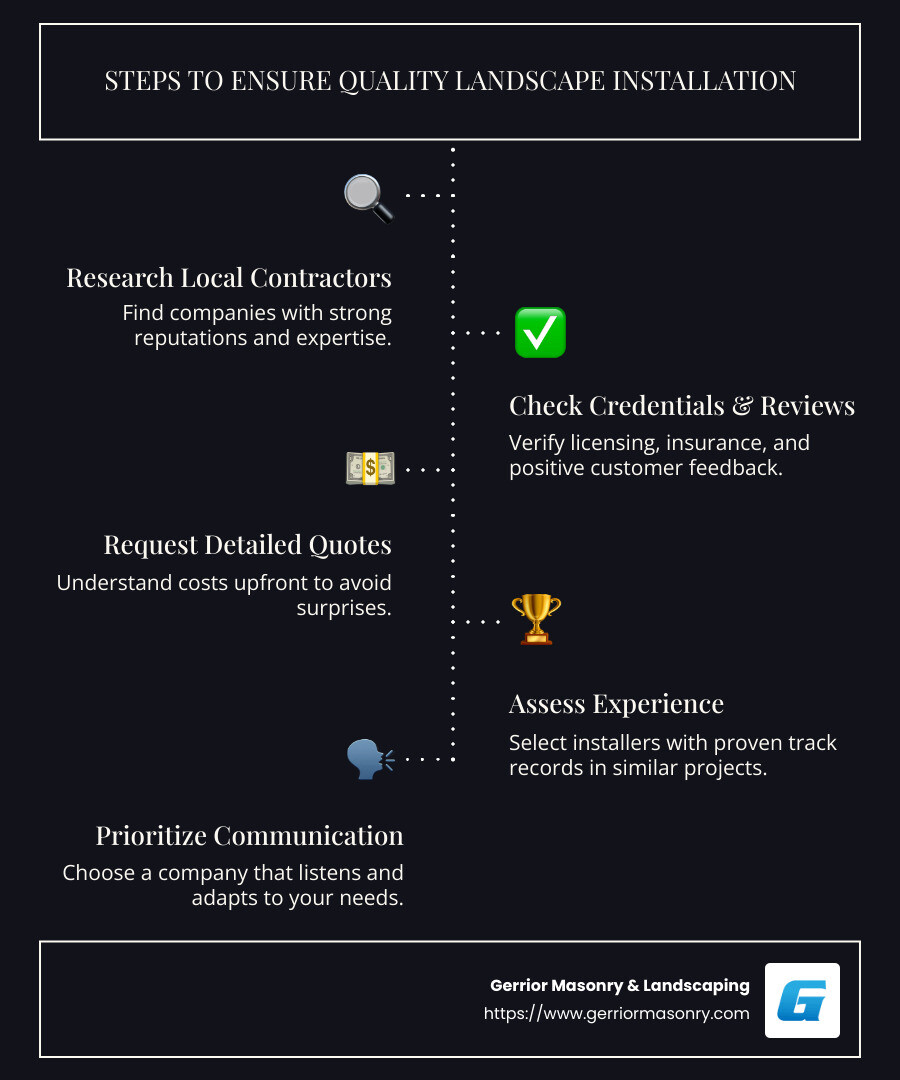
If you’re looking for a ‘landscape install near me’, consider these key steps to ensure a quality experience:
- Research local contractors: Look for companies with strong reputations and clear expertise.
- Check credentials and reviews: Confirm licensing, insurance, and positive customer feedback.
- Request detailed quotes: Understand costs upfront to avoid surprises.
- Assess experience: Select installers with proven track records in projects like yours.
- Prioritize communication: Choose a company that listens and adapts to your needs.
Turning your yard into a beautiful haven starts with choosing the right professionals. Landscape install near me services should transform your outdoor spaces into an extension of your home. A high-quality installation blends aesthetics with functionality, making your landscape both attractive and practical.
My name is Joe Gerrior, and with over 34 years in the field of landscaping and masonry, I understand the nuances involved in creating custom outdoor spaces. From small residential yards to extensive commercial projects, my team at Gerrior Masonry & Landscaping focuses on turning visions into sustainable realities through our landscape install near me services.
Related content about landscape install near me:
Evaluating Landscape Installers
When searching for landscape install near me, it’s essential to evaluate potential installers carefully to ensure a successful project. Here’s how to do it:
Credentials
Before hiring a landscape installer, check their credentials thoroughly. This includes verifying their licenses and insurance coverage. Licensing ensures that the contractor meets local regulatory standards, while insurance protects you from potential liabilities during the project.
In the landscaping industry, not all contractors are required to be licensed, but those who are, like landscape architects, can bring a higher level of expertise to complex projects. Make sure your chosen installer complies with any local licensing requirements.
Experience
Experience is a key factor when choosing a landscape installer. Look for contractors who have a proven track record in projects similar to yours. An experienced installer will have the technical know-how to handle unexpected challenges and deliver quality results.
Kevin McBrayer, a landscape design expert, emphasizes the importance of experience: “I specialize in designing and installing beautiful landscapes using colorful annuals, perennials, shrubs, and trees that my clients love. My extensive knowledge of plants helps provide excellent solutions for landscape issues.”
Reviews
Customer reviews provide valuable insights into a contractor’s reliability and quality of work. Look for reviews that mention whether the project was completed on time, if the quality met expectations, and if the team was professional and courteous.
Positive testimonials, like those for McBrayer Landscaping, highlight the importance of professionalism and attention to detail. One client noted, “The entire team was amazing to work with from initially calling to get the estimate all the way through completing the work.”
To ensure you’re making the right choice, ask potential installers for references and check online reviews. A solid reputation supported by positive feedback is a strong indicator of a reliable contractor.
By prioritizing credentials, experience, and reviews, you can confidently choose a landscape installer who will transform your outdoor space into a beautiful and functional area.
Understanding the Cost of Landscape Installation
When you’re planning a landscape install near me, understanding the costs involved is crucial. Here’s a breakdown of the pricing models, factors affecting cost, and some budgeting tips to keep your project on track.
Pricing Models
Landscaping costs can be structured in different ways. Here are the most common models:
- Hourly Rate: Landscapers typically charge between $50 and $100 per hour. This rate can vary based on the complexity of the work and the expertise of the landscaper.
- Per Square Foot: For larger projects, costs might be calculated per square foot. On average, landscaping costs $12 per square foot, but this can range from $5 to $20 depending on the materials and complexity.
- Flat Fee: Some projects, like planting trees or installing a patio, might have a flat fee. For example, planting a tree can cost between $150 and $300 per tree.
Factors Affecting Cost
Several factors can influence the overall cost of your landscaping project:
- Project Size: Larger areas require more materials and labor, increasing the cost.
- Materials: The choice of materials can significantly impact the budget. For example, natural stone is more expensive than concrete.
- Labor Intensity: Projects that require more labor, such as hardscaping, might require a larger crew and more time, increasing costs.
- Location: Prices can vary based on your location due to differing labor costs and material availability.
Budgeting Tips
Managing your budget effectively is key to a successful project. Here are some tips:
- Set a Clear Budget: Determine how much you’re willing to spend before starting.
- Get Multiple Quotes: Request estimates from at least three contractors to compare pricing and services.
- Prioritize Needs Over Wants: Focus on essential elements first, and consider adding additional features later.
- Plan for Contingencies: Set aside a portion of your budget for unexpected expenses that may arise during the project.
By understanding the cost structure and planning your budget carefully, you can ensure a smooth and financially sound landscape installation process.
Types of Landscape Installations
When considering a landscape install near me, it’s important to understand the different types of installations available. This knowledge will help you choose the right elements to improve your outdoor space.
Hardscaping
Hardscaping refers to non-plant elements in your landscape. These include patios, walkways, retaining walls, and water features.
- Patios: A popular choice for outdoor living spaces. Options include concrete patios, known for their durability and affordability, and paving stone patios, which offer a versatile and luxurious look.
- Retaining Walls and Walkways: These structures not only add functionality but also improve the visual appeal of your yard. They can be crafted from various materials like stone or brick.
- Water Features: Adding a water feature, such as a fountain or pond, can create a serene atmosphere. Complement these features with aquatic plants like water lilies for added beauty.
Softscaping
Softscaping involves the use of live horticultural elements. It’s about bringing life and color to your landscape with plants, flowers, and trees.
- Seasonal Flowers: Incorporating colorful annuals can boost curb appeal. Choose flowers based on your yard’s sunlight and soil conditions.
- Trees and Shrubs: These provide structure and privacy. Consider native plants as they are more likely to thrive in your local climate.
- Lawn Maintenance: Regular tasks like mowing, edging, and fertilizing keep your lawn healthy and vibrant.
Outdoor Features
Outdoor features extend your living space and improve functionality.
- Outdoor Kitchens: Perfect for entertaining, these spaces can include grills, countertops, and seating areas.
- Fire Pits and Fireplaces: These features add warmth and ambiance, making your outdoor space usable year-round.
- Lighting: Landscape lighting improves safety and highlights your yard’s best features. Consider smart lighting solutions for added convenience.
By understanding these types of landscape installations, you can better plan and execute a project that meets your needs and improves your outdoor living space.
Planning Your Landscape Installation
Planning is key to a successful landscape installation. Whether you’re looking to improve your curb appeal or create a personal outdoor oasis, a thoughtful plan ensures your project meets your expectations and budget.
Design Process
Start with a Vision: Consider how you want to use your outdoor space. Are you looking for a peaceful retreat, a place to entertain, or a play area for kids? Knowing your goals will guide the design process.
Consult a Professional: A landscape designer can help bring your vision to life. They have the expertise to create a functional and beautiful layout. They’ll consider factors like sunlight, soil type, and existing structures.
Create a Sketch: Draw a rough sketch of your yard. Include existing features like trees and walkways. This helps visualize the changes and plan the placement of new elements.
Choosing Plants
Climate Considerations: Choose plants suited to your local climate. Native plants are often a great choice because they require less maintenance and water.
Seasonal Interest: Plan for year-round beauty by selecting plants that bloom in different seasons. This ensures your landscape looks vibrant throughout the year.
Soil and Sunlight: Match plants to the soil and sunlight conditions in your yard. Some plants thrive in full sun, while others prefer shade.
Site Preparation
Clear the Area: Remove any debris, rocks, or unwanted vegetation. This provides a clean slate to work with.
Leveling and Grading: Proper leveling is crucial. It prevents water pooling and ensures stability for hardscape elements. A landscape contractor will assess the natural slope and make necessary adjustments.
Soil Improvement: Test your soil to determine if it needs amendments like compost or sand. Healthy soil is the foundation for thriving plants.
Drainage Solutions: Plan for adequate drainage to avoid water damage. This might involve installing drainage systems or grading the land to direct water away from structures.
By following a structured design process, choosing the right plants, and preparing your site properly, you set the stage for a successful landscape install near me. This attention to detail ensures your landscape is not only beautiful but also functional and sustainable.
Ensuring Quality in Landscape Installation
When it comes to landscape install near me, ensuring quality is crucial for long-lasting beauty and functionality. Let’s break down the key elements: materials quality, workmanship, and project management.
Materials Quality
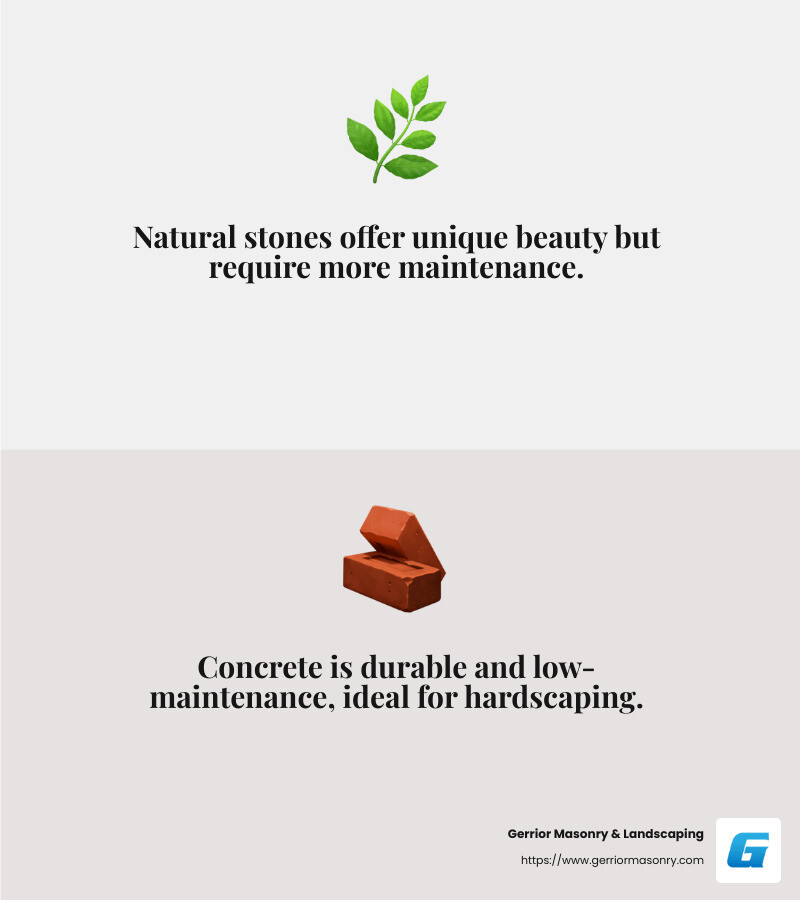
The backbone of any successful landscape project is high-quality materials. Opt for durable materials like natural stone or concrete for hardscaping. They may be more expensive upfront, but they offer longevity and require less maintenance over time.
- Natural Stone: Offers unique beauty but needs more upkeep.
- Concrete: Durable and low-maintenance, though often less visually appealing.
For plants, choose varieties that are well-suited to your local climate and soil conditions. Native plants are often a great choice, requiring less water and care.
Workmanship
Quality workmanship is what brings your vision to life. Skilled landscapers pay attention to details like leveling, drainage, and plant placement. Poor workmanship can lead to issues like water pooling and uneven surfaces.
- Leveling: A level base is critical for stability. Uneven surfaces can cause problems down the line.
- Drainage: Proper drainage prevents water accumulation that can damage your landscape.
A professional team will ensure that all elements are installed correctly, from walkways to flower beds, enhancing both the look and functionality of your outdoor space.
Project Management
Effective project management keeps your landscape installation on track. This includes clear communication, timely execution, and staying within budget. A good project manager will:
- Set Clear Timelines: Ensure the project is completed on schedule.
- Coordinate Teams: Manage different crews efficiently, from hardscaping to planting.
- Monitor Quality: Regularly check the quality of materials and workmanship.
By focusing on these aspects, you can ensure that your landscape install near me is executed with precision and care. This attention to detail not only improves the aesthetic appeal but also ensures the longevity of your outdoor space.
Frequently Asked Questions about Landscape Installation
What do most landscapers charge per hour?
Most landscapers charge between $25 to $50 per person per hour, which means a two-person crew could cost around $50 to $100 per hour. That these rates can vary depending on your location, the size of the crew needed, and the complexity of the job. For instance, tasks like planting flowers may require fewer workers than installing structural additions or hardscaping features.
What do you mean by landscaping?
Landscaping involves the modification and improvement of outdoor spaces. This can include tasks like planting trees and shrubs, installing flower beds, and creating pathways or patios. Landscaping can be broken down into two main categories:
- Softscaping: Involves the use of living elements like plants, flowers, and trees. It’s all about creating a lush, vibrant environment.
- Hardscaping: Involves non-living elements such as stone pathways, patios, and retaining walls. These add structure and functionality to the landscape.
The goal of landscaping is to create an aesthetically pleasing and functional outdoor area that complements the surrounding environment.
What is a hardscaper?
A hardscaper is a professional who specializes in hardscaping, the non-living component of landscaping. This includes designing and constructing features like patios, walkways, retaining walls, and outdoor kitchens. Hardscapers focus on the durability and functionality of these structures, ensuring they are both practical and visually appealing.
Hardscaping requires careful planning and execution, as it often involves materials like stone, concrete, and brick. These elements must be installed with precision to ensure stability and longevity.
Choosing Gerrior Masonry & Landscaping for Your Project
When it comes to landscape install near me, selecting the right partner is crucial. Gerrior Masonry & Landscaping stands out as a top choice for several reasons:
Experience
With years of experience under their belt, Gerrior Masonry & Landscaping has honed their skills in both hardscaping and softscaping. Their team is adept at handling a wide range of projects, from simple garden improvements to complex outdoor living spaces. This depth of knowledge ensures that they can tackle any challenge with confidence and expertise.
Quality Assurance
Quality is at the heart of every project Gerrior Masonry & Landscaping undertakes. They offer workmanship warranties, which means they stand behind their work and materials. This assurance gives you peace of mind, knowing that any issues will be addressed promptly. Their commitment to quality is evident in the meticulous attention to detail they apply to every project, ensuring the finished product is both beautiful and durable.
Customer Satisfaction
Customer satisfaction is not just a goal for Gerrior Masonry & Landscaping; it’s a guarantee. They prioritize clear communication and follow-through, making sure you’re informed and comfortable at every stage of the project. Many clients have praised their professionalism and dedication, noting how these qualities shine through in every interaction. With a focus on building lasting relationships, Gerrior Masonry & Landscaping ensures that you’re not just a customer but a valued partner in the project.
Choosing Gerrior Masonry & Landscaping means opting for a team that combines experience, quality, and customer care to deliver outstanding results.
Next, let’s explore the conclusion, where we’ll provide a final checklist, maintenance tips, and ideas for enhancing the longevity of your landscape installation.
Conclusion
As you wrap up your landscape install near me journey, ensure everything is in place for a successful and long-lasting outdoor space. Here’s your final checklist, along with some maintenance tips and strategies to improve the longevity of your landscape installation.
Final Checklist
- Review the Design Plan: Ensure all elements have been installed according to the initial design. This includes checking plant placements, hardscape features, and any additional structures like pergolas or water features.
- Inspect Materials and Workmanship: Look for uniformity in materials and check for any defects or inconsistencies. This includes examining the quality of stonework, paving, and plant health.
- Confirm Warranty Details: Verify any warranties offered by Gerrior Masonry & Landscaping. This includes workmanship warranties as well as guarantees on plant materials.
Maintenance Tips
- Regular Watering: Establish a consistent watering schedule, particularly for new plants. This helps them establish strong roots and thrive in their new environment.
- Pruning and Trimming: Keep plants healthy and aesthetically pleasing by pruning dead branches and trimming overgrown areas regularly.
- Weed Control: Stay on top of weeds to prevent them from competing with your plants for nutrients and water.
- Seasonal Care: Adjust your maintenance practices with the seasons. For example, apply mulch before winter to protect plant roots and fertilize in spring for vigorous growth.
Enhancing Longevity
- Use Quality Materials: High-quality materials might cost more initially, but they often last longer and require less maintenance over time.
- Regular Inspections: Schedule periodic inspections to catch any issues early. This could involve checking for cracks in hardscapes or signs of disease in plants.
- Professional Maintenance: Consider hiring professionals for complex tasks or periodic check-ups. Gerrior Masonry & Landscaping offers services that can help keep your landscape in top shape.
By following this checklist and these tips, you can enjoy a beautiful and enduring landscape. A well-maintained landscape not only improves your home’s curb appeal but also increases its value.
For more information on how Gerrior Masonry & Landscaping can assist with your hardscaping needs, visit our hardscaping services page.
