
Landscaping Design Near Me: Top 5 Trusted Experts 2025
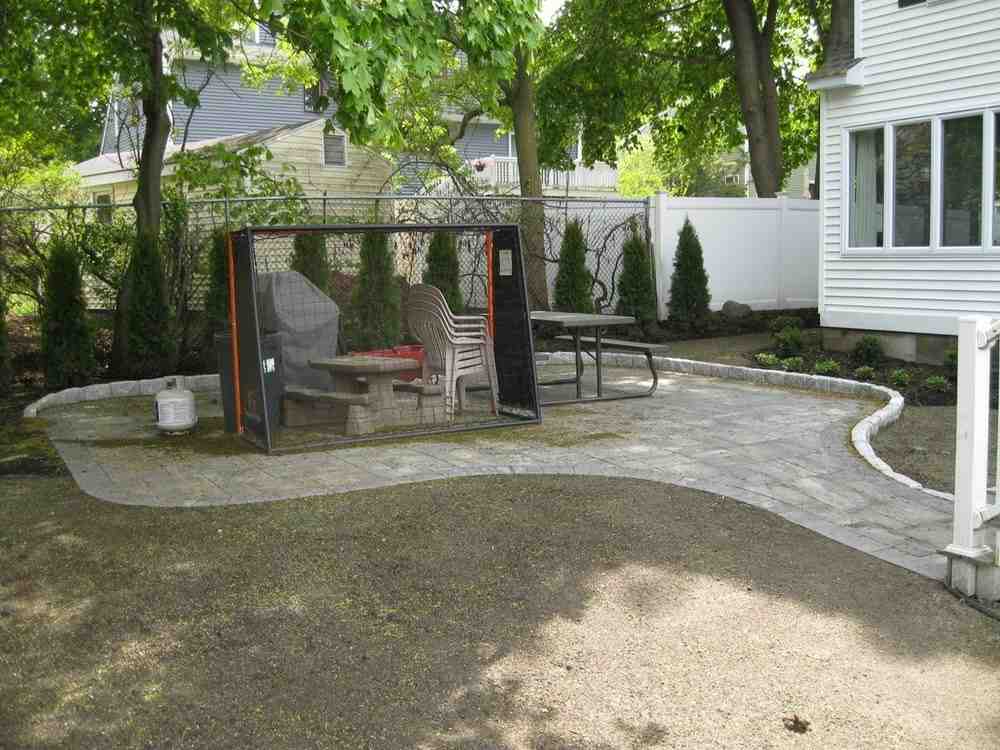
When it comes to changing your outdoor space, landscaping design near me is the key to enhancing both aesthetics and functionality. Whether you’re looking to create a tranquil garden, an outdoor entertainment area, or simply ensure your yard is well-maintained, working with a local expert can bring your vision to life. Here’s a quick insight into what you should consider:
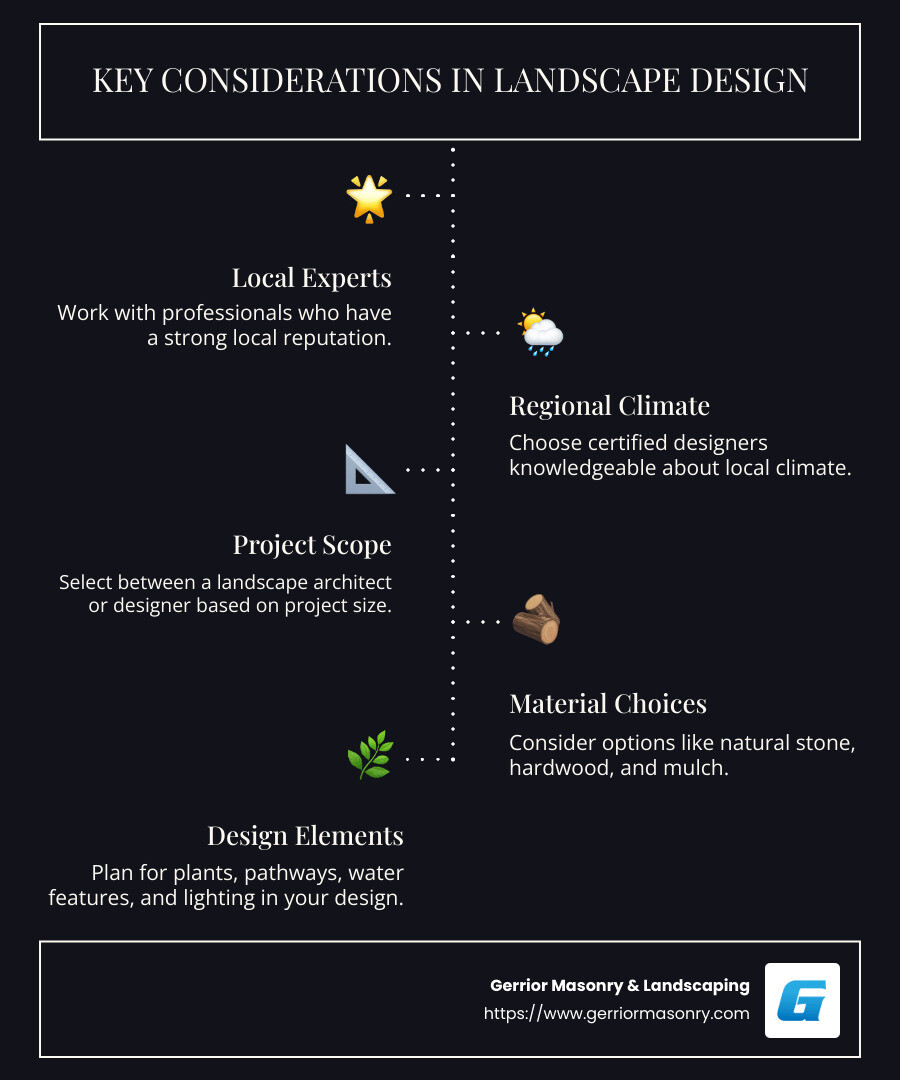
- Seek professionals near you: Look for local experts with strong reputations and reviews to ensure quality results.
- Check certifications: Opt for certified designers who understand regional climate and plant suitability.
- Consider the scope: Decide between a landscape architect for larger projects or a designer for residential aesthetics.
From creating beautiful, functional spaces to enhancing property value, hiring the right landscape designer can make a significant difference. I’m Joe Gerrior, and with over 34 years of experience in landscaping design near me in Massachusetts, my team and I specialize in delivering unique, sustainable outdoor spaces. Let’s dive further into what to consider when changing your landscape in the following sections.
Quick landscaping design near me definitions:
– landscape design services
– landscape contractor
– modern landscape design
Understanding Landscape Design
Landscape design is all about creating outdoor spaces that are both beautiful and functional. It’s about turning ordinary yards into extraordinary living areas that blend with nature and architecture.
Definitions
Landscape Design involves planning and arranging outdoor areas to fit the needs and desires of homeowners. It includes everything from choosing plants and materials to designing pathways and water features.
Landscape Architects vs. Designers: Landscape architects handle larger, complex projects often requiring structural changes and are usually licensed. Landscape designers focus on residential projects and aesthetics, often working on smaller scales.
Scope
The scope of landscape design can vary widely depending on the project’s goals. It might include:
- Residential Gardens: Creating cozy backyards or front gardens that improve curb appeal.
- Commercial Spaces: Designing public parks or corporate landscapes that invite engagement and relaxation.
- Environmental Considerations: Incorporating sustainable practices, such as rain gardens or native plantings, to support local ecosystems.
Importance
The importance of landscape design goes beyond aesthetics. It can:
- Increase Property Value: Well-designed landscapes can boost property value by up to 20% by enhancing curb appeal and functionality.
- Improve Quality of Life: Thoughtful design can create spaces for relaxation, play, and entertainment, improving overall well-being.
- Support Sustainability: Using native plants and sustainable materials helps conserve water and supports local wildlife.
Landscape design is not just about making your yard look pretty. It’s about creating spaces that work for you, your family, and the environment.
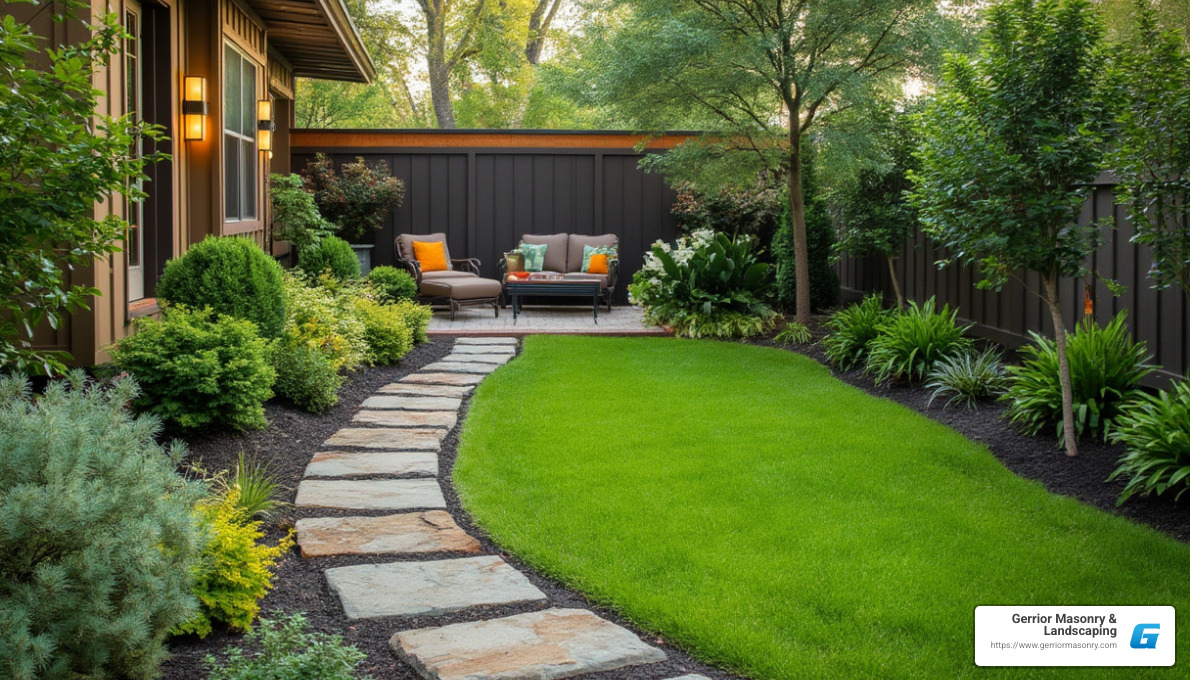
In the next section, we’ll explore how to choose the right landscape designer to bring your vision to life.
Choosing the Right Landscape Designer
Selecting the right landscape designer is crucial for changing your outdoor space into a beautiful and functional area. Here’s what you need to know to make the best choice:
Qualifications
When searching for a landscape designer near me, start by checking their qualifications. A reputable designer should have relevant education in landscape architecture or design. This ensures they have the necessary skills to create comprehensive plans that incorporate both aesthetics and functionality.
Accreditations
Accreditations can set a designer apart. Look for certifications from recognized bodies, which indicate a commitment to industry standards and continuous learning. For instance, landscape architects often need to be licensed, especially for larger projects that require structural changes.
Insurance
Insurance is a must-have for any professional landscape designer. It protects you from liability in case of accidents during the project. Always ask for proof of insurance before hiring. This step safeguards your property and ensures peace of mind throughout the project.
Previous Work
Reviewing a designer’s past projects gives insight into their style and expertise. Ask for a portfolio or visit completed projects if possible. This helps you understand their approach to different landscapes and whether their style aligns with your vision.
Pro Tip: Request references from previous clients to get feedback on their experience working with the designer.
Finding the Right Fit
Choosing a landscape designer involves more than just qualifications and experience. It’s about finding someone who understands your vision and can bring it to life. Don’t hesitate to ask questions and discuss your ideas during consultations to ensure you’re on the same page.
By considering these factors, you’re more likely to find a landscape designer who can create a stunning and sustainable outdoor space custom to your needs.
In the next section, we’ll dig into how to find the best local experts for landscaping design near me and what to look for in reviews and proximity.
Landscaping Design Near Me: How to Find the Best Local Experts
Finding the right local experts for landscaping design near me can make all the difference in changing your outdoor space. Here’s how to find top-notch professionals in your area.
Local Experts
Start by identifying local landscape designers who specialize in the type of project you have in mind. Local experts have a deep understanding of the regional climate, soil conditions, and native plants, which is crucial for creating a sustainable landscape. They can tailor designs to withstand local weather and incorporate plants that thrive in the area.
Tip: Look for designers who have experience with both residential and commercial projects. This versatility often means they’re well-equipped to handle a variety of design challenges.
Reviews
Reading reviews is an essential step in choosing a landscape designer. Reviews provide insight into the experiences of past clients and can highlight a designer’s strengths and any areas for improvement. Look for patterns in the feedback. Consistently positive reviews about creativity, reliability, and communication are good indicators of a reputable professional.
Did you know? According to a Forbes article, checking local reviews is one of the best ways to gauge a landscaper’s reputation and satisfaction rate.
Proximity
Proximity is a practical consideration when selecting a landscape designer. A local designer can visit your site more frequently, ensuring that the project stays on track and any issues are promptly addressed. Additionally, being close by means they are likely familiar with local suppliers, which can be beneficial for sourcing materials quickly and cost-effectively.
Pro Tip: When meeting potential designers, ask about their familiarity with your neighborhood or similar areas. This can help you assess their understanding of local design trends and community aesthetics.
By focusing on local expertise, reviews, and proximity, you can find a landscape designer who not only meets your needs but also improves the natural beauty of your surroundings. This approach ensures a personalized and efficient design process, resulting in a landscape you can enjoy for years to come.
Next, we’ll explore key considerations in landscape design, including materials, cost factors, and design elements.
Key Considerations in Landscape Design
When planning a landscape design, several key factors come into play. From the materials you choose to the design elements you incorporate, each decision shapes the final look and feel of your outdoor space. Let’s explore these considerations.
Types of Materials Used in Landscape Design
Natural Stone, Hardwood, and Mulch
Selecting the right materials is crucial for both aesthetics and durability. Natural stone offers a timeless, neat look and is incredibly durable, making it a popular choice for pathways and retaining walls. Stones like granite and limestone can withstand harsh weather, providing a long-lasting solution.
Hardwood is another versatile material. It’s often used for decks and pergolas, adding warmth and a natural touch to any landscape. When choosing hardwood, consider options like teak or cedar, which are known for their resistance to decay and insects.
Mulch plays a vital role in garden beds, helping to retain moisture, suppress weeds, and improve soil health. Organic mulch, such as bark or wood chips, gradually decomposes, enriching the soil over time.
Design Elements to Consider
Plants, Privacy, and Elevation
Plants are the backbone of any landscape design. Opt for native species that thrive in your region’s climate, reducing maintenance and supporting local wildlife. Privacy can be achieved through strategic planting of hedges or trees, creating a secluded oasis.
Elevation changes, like terraces or raised beds, add depth and interest to flat landscapes. They can also help manage drainage issues, directing water away from structures.
Pathways, Water Features, and Lighting
Pathways guide visitors through your garden, connecting different areas. Materials like stone or brick are durable and complement various styles. Consider the width and curvature of the paths to ensure they are inviting and functional.
Water features such as fountains or ponds introduce tranquility and can become focal points in your design. They also support biodiversity by attracting birds and insects.
Lighting improves safety and extends the usability of your outdoor space into the evening. Use soft, warm lights to highlight pathways and accentuate key features like trees or sculptures.
Regional Adaptations
Adapting your design to local conditions is essential for sustainability. Consider the soil type, rainfall patterns, and temperature extremes in your area. This ensures that the plants and materials you choose will perform well over time, reducing the need for replacements or repairs.
By thoughtfully selecting materials and design elements that suit your region, you create a landscape that is not only beautiful but also resilient and low-maintenance. This approach maximizes enjoyment and minimizes upkeep, allowing you to fully appreciate your outdoor environment.
Next, we’ll address common questions when hiring a landscape designer, including budgeting, timelines, and accommodating special requests.
Common Questions When Hiring a Landscape Designer
When you’re ready to transform your outdoor space, hiring a landscape designer is a crucial step. Here are some common questions to consider, especially when seeking landscaping design near me.
How Much Does Landscape Design Cost?
The cost of landscape design can vary widely. On average, landscaping projects range from $200 to $14,000. Several factors influence these costs:
- Materials: The choice of materials significantly impacts the budget. Natural stone and hardwood are premium options, while mulch and softscape elements are often more budget-friendly.
- Project Size: Larger projects naturally require more resources, increasing the overall cost.
- Location: Prices can fluctuate based on the regional cost of living and availability of materials.
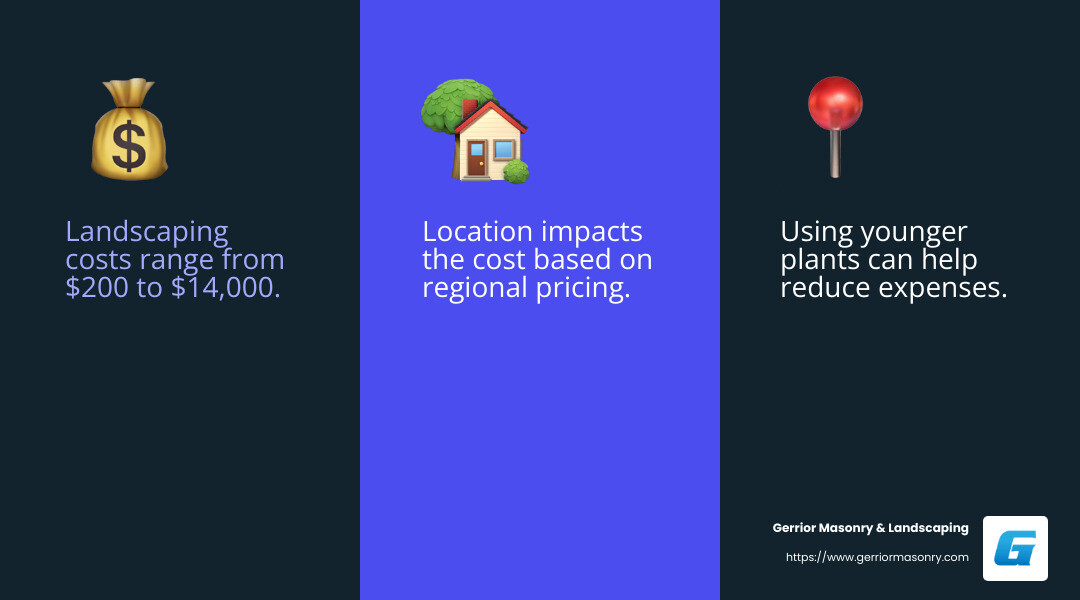
To manage your budget effectively, consider repurposing existing features and opting for younger plants. These strategies can help reduce expenses without sacrificing quality.
What Should I Expect in Terms of Project Timeline?
A clear timeline is essential for any successful landscape project. Here’s a general overview of what to expect:
- Planning: This initial phase includes consultations, site assessments, and design proposals. It can take anywhere from a few weeks to several months, depending on the complexity of the project.
- Execution: Once the plan is finalized, the installation phase begins. Simple projects like planting may take a few days, while more extensive work involving hardscaping can extend to several weeks.
- Completion: Final touches, inspections, and client feedback are part of this stage. Ensure that any adjustments are communicated clearly with your designer.
Discussing timelines with your landscape designer upfront helps set realistic expectations and ensures that the project stays on track.
Can Landscape Design Accommodate Special Requests Like ADA Compliance?
Yes, landscape design can accommodate special requests such as ADA (Americans with Disabilities Act) compliance and LEED (Leadership in Energy and Environmental Design) certification. Here’s how:
- ADA Compliance: Designers can incorporate features like wide, smooth pathways, ramps, and accessible seating areas to ensure usability for everyone.
- LEED Certification: Sustainable practices, such as using native plants, efficient irrigation systems, and eco-friendly materials, can contribute to a project’s LEED goals.
If you have specific requirements, communicate them early in the design process. This allows the designer to integrate these considerations seamlessly into the plan, ensuring that your outdoor space is both beautiful and functional.
By addressing these common questions, you can make informed decisions when hiring a landscape designer, ensuring a smooth and successful change of your outdoor environment. Next, we’ll explore how to implement your landscape design effectively.
Implementing Your Landscape Design
How to Collaborate Effectively with Your Landscape Designer
Working with a landscape designer can be a rewarding experience if you know how to collaborate effectively. Here are some tips to ensure a smooth process:
- Start with Clear Communication: From the beginning, be open about your vision, needs, and any specific requests. This sets the foundation for a successful project. For example, if you’re looking for a landscaping design near me that incorporates native plants, make sure to communicate this preference.
- Feedback is Key: Regularly share your thoughts on designs and proposals. Constructive feedback helps the designer understand your likes and dislikes, leading to a more personalized outcome.
- Stay Flexible and Open to Suggestions: Designers bring expertise and creative solutions. Be open to their ideas, even if they differ from your initial thoughts. Sometimes, a professional’s perspective can reveal opportunities you hadn’t considered.
- Document Everything: Keep a written record of all decisions, changes, and agreements. This helps avoid misunderstandings and keeps everyone on the same page.
Monitoring Progress and Making Adjustments
Once your project is underway, it’s important to stay engaged and make necessary adjustments:
- Regular Check-ins: Schedule regular updates with your designer. These check-ins are crucial for monitoring progress and addressing any concerns early on.
- Accept Changes: As the project unfolds, you might find that some elements need tweaking. Be proactive about discussing these adjustments with your designer to ensure they align with the overall vision.
- Stay Informed: Ask for updates on timelines and any potential delays. Being informed helps you manage expectations and make necessary arrangements.
- Adapt to Feedback: If the designer or contractors suggest modifications for practical reasons, consider their advice. For example, certain plants might not thrive in your local climate, requiring an alternative solution.
By maintaining open communication and staying involved, you can ensure your landscape design is implemented smoothly and meets your expectations. Next, we’ll explore how to finalize your landscape project and maintain its beauty over time.
Conclusion
Achieving the perfect landscape design is a journey that doesn’t end when the project is complete. It’s about ongoing satisfaction and maintaining the beauty of your outdoor space. Here are some key points to keep in mind:
Satisfaction Guarantee
At Gerrior Masonry & Landscaping, we pride ourselves on delivering high-quality results that exceed client expectations. With over 30 years of experience, our team ensures that every detail of your project is handled with care and precision. Our satisfaction guarantee means we’re committed to your happiness with the final product. If any issues arise, we’re just a call away, ready to address them promptly.
Maintenance Tips
Keeping your newly designed landscape in top shape requires regular maintenance. Here are some tips to ensure your outdoor space remains beautiful and functional:
- Regular Watering and Pruning: Plants need consistent care to thrive. Regular watering and pruning help maintain their health and appearance.
- Seasonal Checks: Just like your home, your landscape needs seasonal check-ups. This includes assessing plant health, checking irrigation systems, and making any necessary adjustments.
- Mulching and Soil Care: Mulch not only improves the look of your garden but also helps retain moisture and prevent weeds. Ensure your soil is healthy and nutrient-rich to support plant growth.
- Professional Help: Sometimes, it’s best to leave maintenance to the experts. Our team offers follow-up services to keep your landscape looking its best year-round.
Trust Gerrior Masonry & Landscaping
Choosing Gerrior Masonry & Landscaping means partnering with experts who value your trust and satisfaction. Our skilled team, with owner oversight on projects, ensures that your vision is brought to life with precision and care. From patio installations to complex landscape designs, we’re here to transform your outdoor space.
For more information on how we can help you achieve your dream landscape, visit our Patio Design and Installation Services. Let us turn your vision into reality with a seamless and satisfying experience from start to finish.
By following these tips and trusting in experienced professionals, you can enjoy a stunning outdoor space that improves your home’s beauty and functionality for years to come.
