
Tuckpointing vs Repointing: Top 3 Benefits in 2024
Tuckpointing vs repointing: When it comes to maintaining brick masonry, these two methods are frequently mentioned. But what’s the difference? In short:
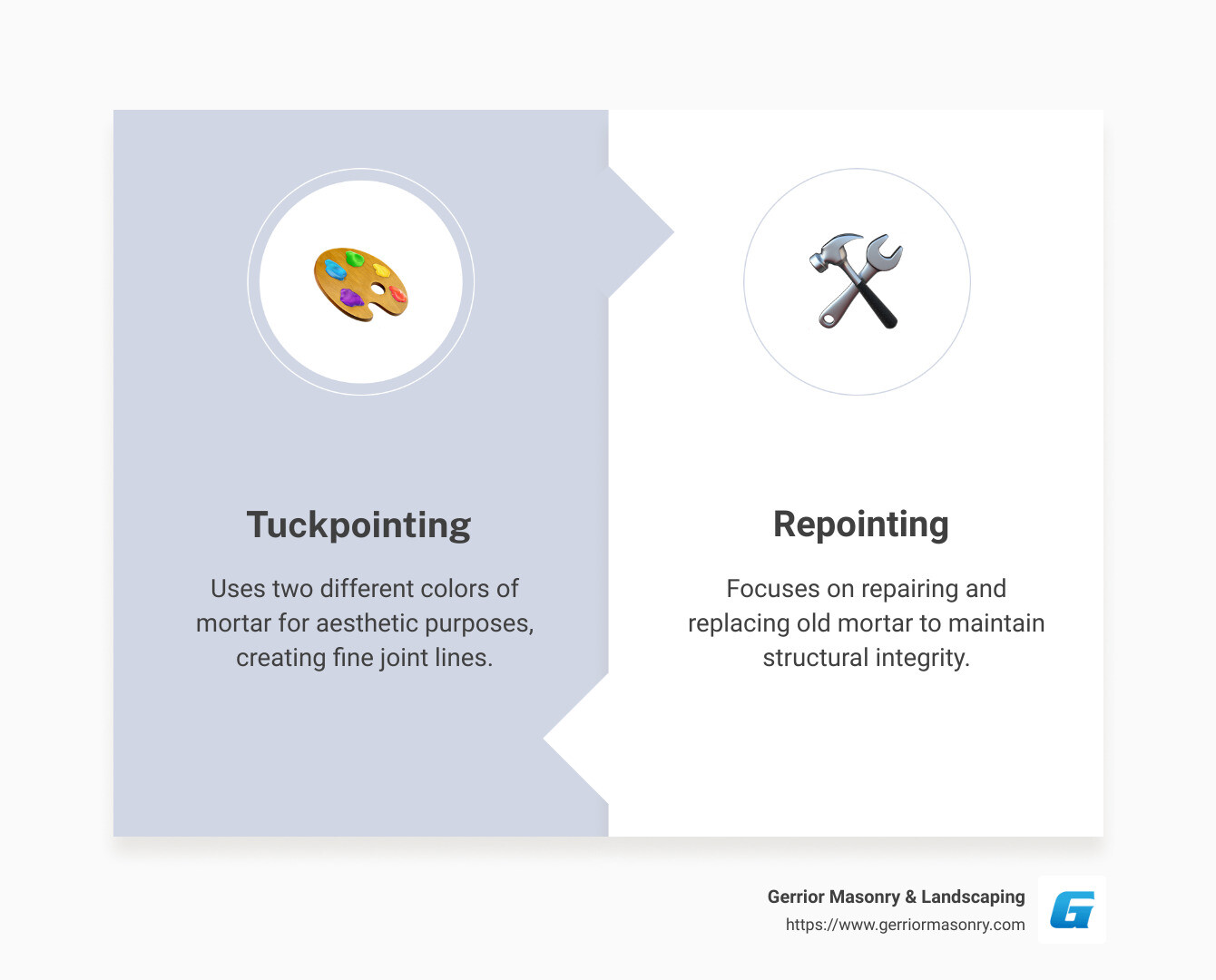
- Tuckpointing involves using two different colors of mortar to create the appearance of fine joints.
- Repointing is about repairing old, crumbling mortar to keep the structure intact.
Brick masonry, celebrated for its durability and aesthetic appeal, demands regular care to maintain its integrity. Mortar joints, the critical “glue” between bricks, require particular attention and upkeep to safeguard your home from water damage and structural issues. As time passes, even the hardiest mortar can degrade, necessitating interventions like tuckpointing or repointing to restore and protect the masonry.
As Joe Gerrior, I bring over 34 years of expertise in masonry to homeowners throughout Massachusetts. Understanding the subtleties of tuckpointing vs repointing ensures your property not only looks striking but remains sturdy for years to come. Let’s dive deeper into these essential brick repair processes. Stay with us as we explore how each method can improve the longevity and beauty of your masonry!
Easy tuckpointing vs repointing glossary:
– chimney pointing
– chimney masonry repair near me
– fireplace and chimney repair near me
Understanding Tuckpointing vs. Repointing
When it comes to maintaining your brickwork, understanding tuckpointing vs repointing is crucial. Both techniques play a vital role in preserving the beauty and structure of masonry, yet they serve different purposes.
What is Tuckpointing?
Tuckpointing is a decorative technique used to improve the visual appeal of brickwork. It involves using two different colors of mortar. The first color matches the bricks, creating the illusion of thin, precise joints. The second color, usually a contrasting shade, is applied as a thin line to mimic the appearance of fine joints. This method gives your masonry a refined, polished look, often making it appear more expensive than it is.
What is Repointing?
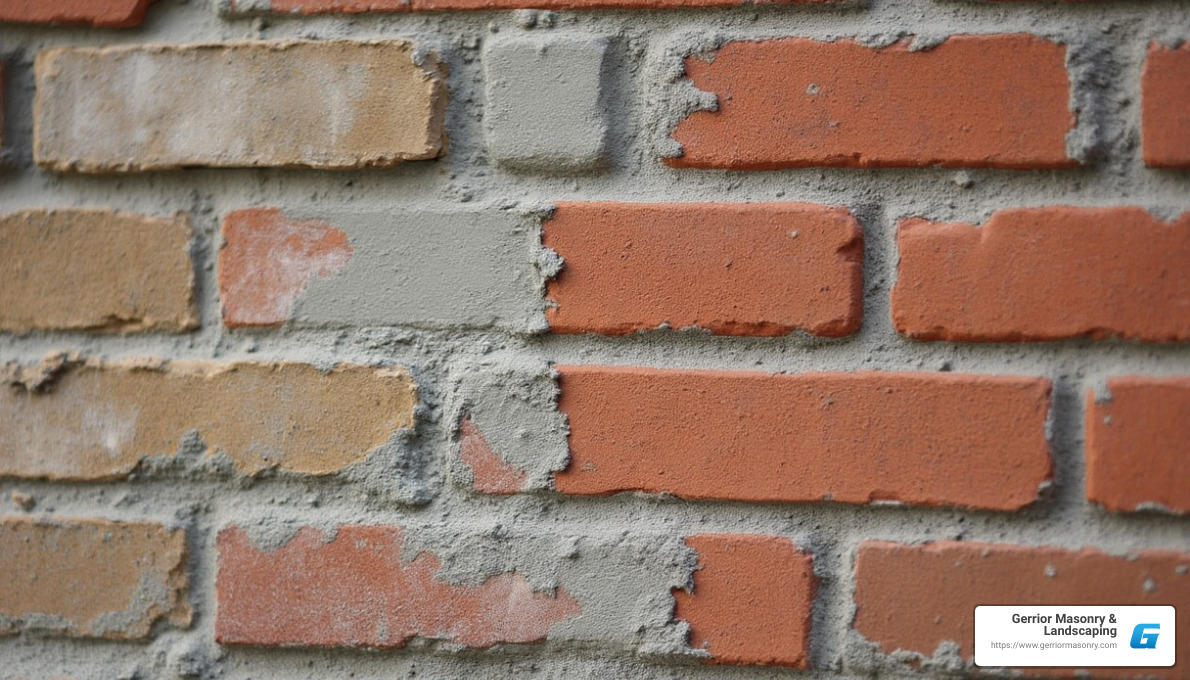
Repointing, on the other hand, is all about repair and maintenance. This process involves removing deteriorated or damaged mortar from between the bricks and replacing it with new mortar. The primary goal of repointing is to restore the structural integrity of the brickwork and protect it from moisture intrusion. Unlike tuckpointing, repointing focuses more on functionality than aesthetics.
Key Differences
While both processes involve working with mortar, their purposes and outcomes differ:
- Aesthetic vs. Structural: Tuckpointing is largely cosmetic, enhancing the appearance of the brickwork. Repointing is functional, aimed at repairing and strengthening the structure.
- Materials Used: Tuckpointing uses two colors of mortar for a decorative finish. Repointing uses a single color, matching the existing mortar to blend seamlessly.
- Cost and Complexity: Tuckpointing is generally more labor-intensive and costly due to the precision required in applying two colors of mortar. Repointing, while also demanding skill, focuses on restoration and is typically less expensive.
Understanding these distinctions helps homeowners make informed decisions about their brick maintenance needs. Whether you desire the crisp look of tuckpointing or the durability of repointing, knowing the difference is the first step in choosing the right approach for your masonry.
The Process of Tuckpointing
Tuckpointing is a decorative procedure that improves the aesthetic appeal of brickwork. The process involves using two colors of mortar to create the illusion of fine, precise joints. This technique not only improves the look of your masonry but can also make it appear more expensive and refined.
Two Colors of Mortar
The key to tuckpointing is the use of two distinct colors of mortar. The first color is chosen to match the bricks closely. This color acts as the base and is applied to fill the mortar joints. By matching the brick, it creates a seamless look, making the mortar lines nearly invisible from a distance.
The second color is a contrasting shade. It is applied as a thin line, or “fillet,” down the center of the mortar joints. This line gives the impression of narrow, crisp joints, which are often associated with high-quality, expensive brickwork.
This method was invented in the late 18th century in England to mimic the appearance of rubbed brick, a more costly building material. Homeowners could achieve the look of these high-end bricks without the hefty price tag, making tuckpointing a popular choice for those wanting elegance on a budget.
Aesthetic Appeal
Tuckpointing is all about the visual change of your brickwork. The contrasting fillets create a sharp, clean look, often making the structure appear carefully crafted. This polished appearance can significantly boost the curb appeal of homes and buildings, making it a favored option for those looking to improve their property’s exterior.
For those aiming for a more refined look, tuckpointing is an excellent choice. It’s often used on historic buildings to preserve and improve their original charm. However, it’s important to note that while tuckpointing improves the appearance, it may not address severe structural issues or water damage.
In conclusion, tuckpointing is a brilliant way to achieve a sophisticated, high-end look for your masonry. By understanding the process and purpose, you can decide if this decorative technique is the right choice for your brickwork.
The Process of Repointing
Repointing is all about repairing joints to ensure the structural integrity of your masonry. While it may not have the decorative flair of tuckpointing, repointing is crucial for preserving the strength and stability of brickwork.
Repairing Joints
In repointing, the primary goal is to replace deteriorated mortar joints. Over time, weather and environmental factors can erode the mortar that holds bricks together. This erosion can lead to cracks and gaps, weakening the structure. Repointing involves removing the old, damaged mortar and replacing it with new mortar to restore the original strength of the wall.
The process starts with careful removal of the old mortar. This is often done using tools like angle grinders, chisels, or specialized rakes. The key is to remove enough of the old mortar (about one inch deep) to ensure the new mortar will adhere properly.
Structural Integrity
Repointing is vital for maintaining the structural integrity of brickwork. When mortar joints weaken, they compromise the stability of the entire structure. By replacing the old mortar with a new mix that matches the original in strength and composition, we ensure the building remains safe and sound.
It’s important that the new mortar is not stronger than the original. Using a mortar that is too strong can lead to further damage, as it doesn’t allow for the natural expansion and contraction of the bricks.
Moisture Protection
Beyond structural concerns, repointing also plays a critical role in moisture protection. Damaged mortar joints allow water to seep into the structure, which can lead to serious issues like mold, mildew, and wood rot. By sealing these joints with fresh mortar, we prevent water from penetrating the masonry.
Repointing effectively acts as a barrier against moisture, safeguarding your home from potential water damage. This is especially important in areas prone to heavy rain or freezing conditions, where water can freeze and expand in cracks, causing further damage.
In summary, repointing is an essential process for those looking to maintain the strength and longevity of their masonry. While it might not offer the aesthetic improvements of tuckpointing, it ensures that your brickwork remains both structurally sound and protected from the elements.
Cost Comparison: Tuckpointing vs. Repointing
When you’re deciding between tuckpointing vs. repointing, cost is a key factor. Both methods involve repairing mortar joints, but they differ in terms of labor intensity and material expenses.
Cost Factors
Tuckpointing is typically more expensive than repointing. Why? It’s all about the details. Tuckpointing requires two different colors of mortar to create a decorative effect. This adds complexity to the process, increasing both time and labor costs. On average, you might pay around $15 per square foot for tuckpointing. However, prices can range from $5 to $25 per square foot depending on the project’s size and complexity.
Repointing, on the other hand, is generally less costly. It focuses on functionality rather than aesthetics, using a single color of mortar. This simplicity reduces both the time and resources needed. Repointing costs can be as low as $3 per square foot for simpler projects, but more complex jobs can go up to $15 or more per square foot.
Labor Intensity
Tuckpointing is labor-intensive. The process involves not only removing old mortar but also applying two layers of new mortar. The first layer matches the brick color, while the second, contrasting layer is added for visual effect. This requires precision and skill, which adds to the labor costs.
Repointing is less labor-intensive since it involves replacing old mortar with a single color. The focus is on repairing the joints to ensure structural integrity. This makes the process quicker and less costly in terms of labor.
Material Expenses
Material expenses also differ between the two methods. In tuckpointing, the need for two types of mortar increases material costs. Additionally, matching the mortar colors to the existing brickwork can involve trial and error, which might lead to increased material use.
In repointing, material costs are generally lower. Using a single mortar color simplifies the process and reduces the amount of material needed. This makes repointing a more economical choice if you’re primarily concerned with functionality and structural repair.
In summary, while tuckpointing offers aesthetic benefits, it comes at a higher cost due to increased labor and material expenses. Repointing, being more straightforward, is less expensive but focuses on maintaining the structural integrity of your masonry.
Frequently Asked Questions about Tuckpointing vs. Repointing
Is tuckpointing the same as repointing?
Tuckpointing and repointing are often confused because they both involve repairing mortar joints. However, they serve different purposes. Repointing is primarily about functionality, focusing on replacing old, crumbling mortar to maintain the structural integrity of brickwork. Tuckpointing, on the other hand, adds a decorative flair by using two different colors of mortar to create the illusion of fine joints. This makes tuckpointing more about aesthetics than structural repair.
Is repointing cheaper than tuckpointing?
Yes, repointing is generally cheaper than tuckpointing. The cost difference arises from the complexity and materials involved in each process. Repointing uses a single color of mortar, which simplifies the process and reduces both labor and material costs. You might pay as little as $3 per square foot for repointing, but more complex jobs can reach up to $15 or more.
Tuckpointing, however, involves applying two different colors of mortar, which increases both the time and skill required. This makes it more labor-intensive and costly, with prices ranging from $5 to $25 per square foot, depending on the project’s size and complexity.
What are the cons of tuckpointing?
While tuckpointing can improve the appearance of your brickwork, it does come with some drawbacks:
- Labor-Intensive: Tuckpointing requires precision and skill to apply two layers of mortar and create clean, crisp lines. This makes it more labor-intensive than repointing, leading to higher labor costs.
- Matching Mortar: One of the challenges in tuckpointing is matching the mortar colors to the existing brickwork. This often involves trial and error, which can increase material use and costs.
- Higher Cost: Due to the additional labor and materials involved, tuckpointing is generally more expensive than repointing. This might not be ideal if you’re on a tight budget or if the primary goal is structural repair rather than aesthetic improvement.
Understanding these differences can help you make an informed decision about whether tuckpointing or repointing is the best choice for your project.
Conclusion
When it comes to maintaining and enhancing the beauty of your brickwork, understanding the differences between tuckpointing and repointing is crucial. Both techniques have their unique benefits and challenges, but the key to making the right choice lies in understanding your specific needs—whether they’re aesthetic or structural.
At Gerrior Masonry & Landscaping, we pride ourselves on delivering top-notch masonry services, backed by over 30 years of experience. Our skilled team is committed to providing both professional assessments and long-term benefits for your masonry projects. Whether your focus is on improving curb appeal with tuckpointing or reinforcing the structural integrity of your brickwork through repointing, we are here to guide you every step of the way.
Choosing the right masonry repair method can save you time, money, and future headaches. A professional assessment can help identify the extent of mortar deterioration and recommend whether tuckpointing or repointing is the best solution for your property. Our team is equipped to handle both processes with precision, ensuring that your brickwork remains durable and visually appealing for years to come.
Investing in the right masonry repair method not only improves the appearance of your property but also protects it from future damage. We invite you to reach out to us at Gerrior Masonry & Landscaping for a consultation and to explore our comprehensive chimney repair services. Let us help you achieve the perfect balance between aesthetics and functionality for your brick structures.
Explore our Chimney Repair Services and get started on your masonry project today!
