
Repair Chimney Mortar: Ultimate Safety 2025
Why Your Chimney’s Mortar is Your First Line of Defense
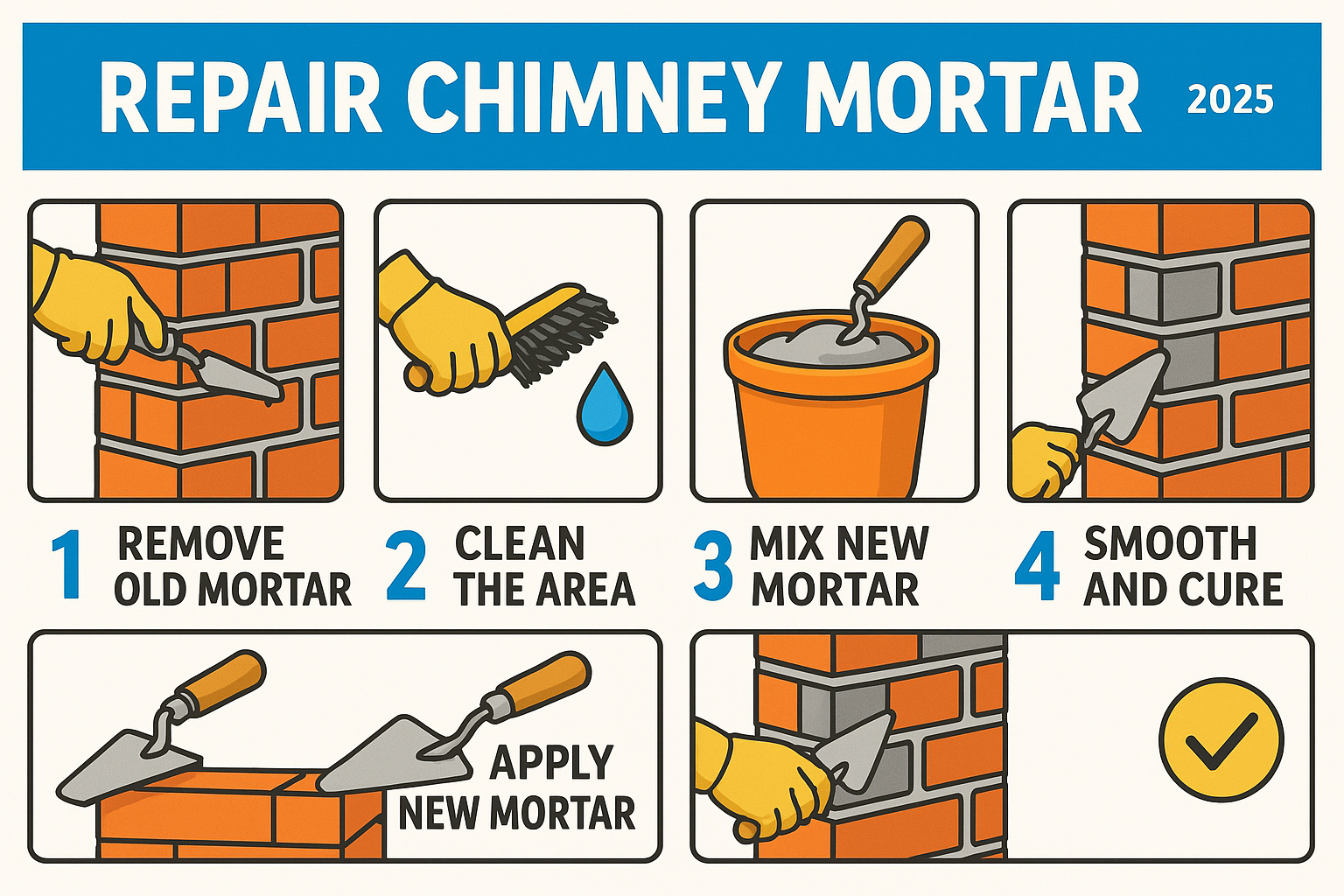
To repair chimney mortar, the general process is:
- Remove old mortar: Use a grinder or chisel to clear out crumbling material.
- Clean the area: Brush away debris and wet the bricks.
- Mix new mortar: Prepare it to a thick, workable consistency.
- Apply new mortar: Fill joints carefully with a pointing trowel.
- Smooth and cure: Finish the joints and let the mortar dry properly.
Your chimney’s mortar is a critical defense against the elements, but constant weather exposure causes it to break down. This isn’t just a cosmetic issue; crumbling mortar can lead to water leaks, structural damage, and fire hazards. Unsafe chimneys cause over $200 million in property damage annually, making mortar maintenance vital for your home’s safety.
I’m Joe Gerrior, owner of Gerrior Masonry & Landscape Construction Corp. For over 34 years, our family business has provided expert repair chimney mortar services. We’re here to help you understand and address chimney issues.
Handy repair chimney mortar terms:
The mortar holding your chimney together is under constant assault from weather, especially the freeze-thaw cycles in Massachusetts. When it deteriorates, it creates openings for water to seep in, leading to brick damage (spalling) and white stains (efflorescence). More seriously, it can weaken the chimney’s structure, risking collapse or allowing carbon monoxide to leak into your home. Recognizing these signs of decay is the first step to protecting your property.
A Homeowner’s Guide to Diagnosing and Preparing for Chimney Mortar Repair
Before you repair chimney mortar, a thorough inspection is crucial to identify issues early and prevent costly future repairs. Closely examine your chimney’s mortar joints and bricks for any signs of water penetration, which is often exacerbated by New England’s freeze-thaw cycles. You can find More info about masonry services here.
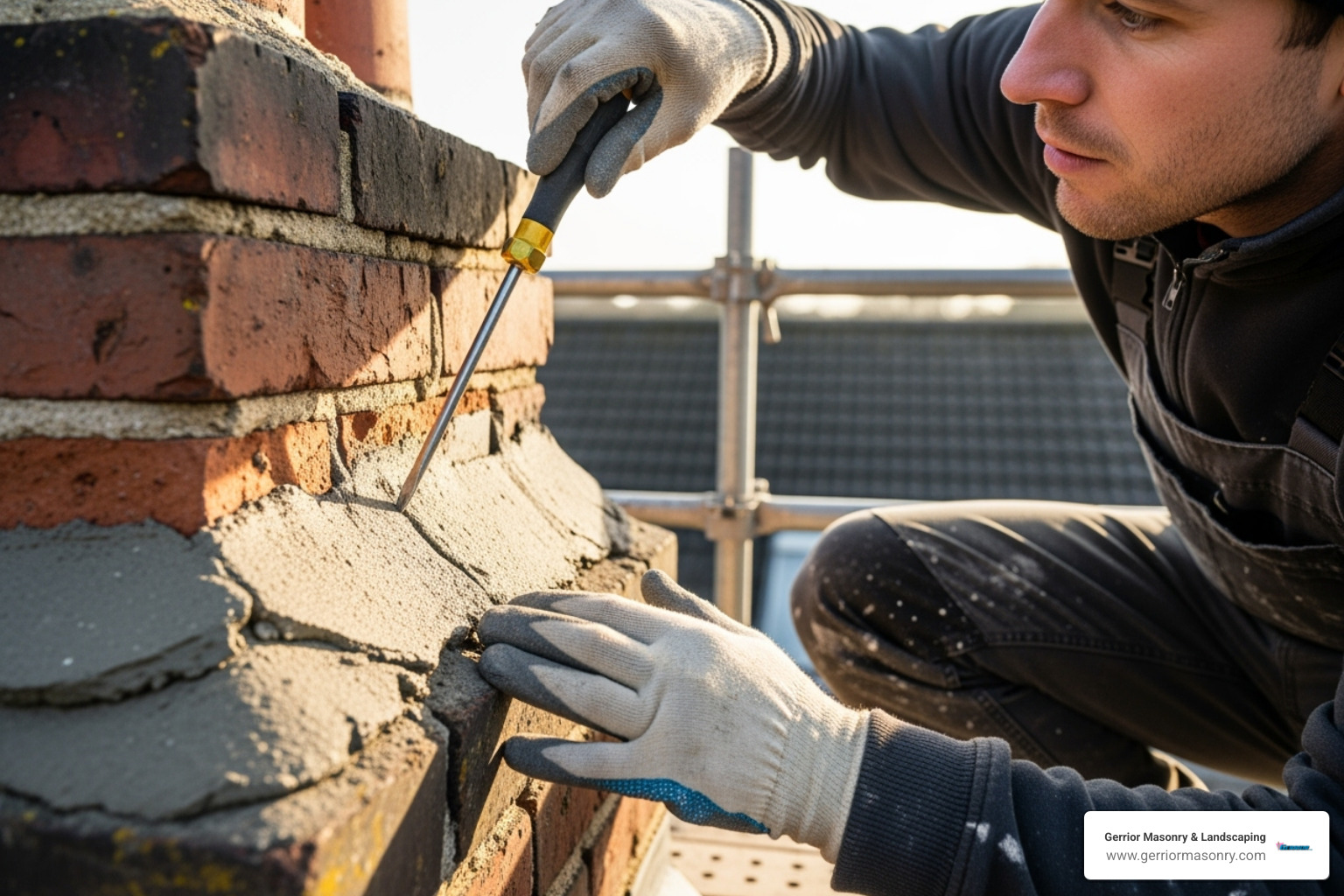
Common Signs of Mortar Damage and What They Mean
Spotting problems early can save you from major expenses. Here are common signs that your chimney mortar needs attention:
- Cracked Mortar Joints: Even hairline cracks are an early warning sign, as they can widen and allow water to enter.
- Gaps Between Bricks: Missing mortar creates voids that weaken the chimney’s structure and provide a direct path for water intrusion.
- Spalling Bricks: This is when the face of the brick flakes or crumbles off, usually caused by water freezing and expanding inside the brick. It indicates a significant moisture problem, often stemming from failed mortar joints.
- Efflorescence: These white, powdery stains are left behind when water-soluble salts evaporate from the masonry surface. While not directly harmful, efflorescence is a clear sign that water is penetrating your chimney.
- Leaning Chimney: A visible tilt or shift in the chimney is a major structural issue that requires immediate professional assessment, as it may indicate foundation failure.
- Water Stains on Interior Walls or Ceilings: Stains near your fireplace are a sure sign of a leak, which could be caused by failing mortar, a damaged crown, or faulty flashing.
Minor issues can sometimes be addressed with crack fillers, but widespread damage requires repointing. For more on similar repairs, see our info about foundation repointing.
Gearing Up: Essential Tools and Materials for Chimney Mortar Repair
Gathering the right supplies will make your repair chimney mortar project go smoothly.
Essential Tools:
- Mortar Removal: Mortar raking tool, grinder with a HEPA filter, or a chisel and hammer.
- Cleaning: Stiff-bristled and soft-bristled brushes, or an air compressor.
- Application: Spray bottle, mixing bucket, pointing trowel, bricklayer’s trowel, and a mortar hawk or board. A tuckpointing or grout bag can help with precision.
- Finishing: Mortar striker or jointing tool, sponge, and water for cleanup.
- Safety Gear: Safety glasses, dust mask or respirator, gloves, and a sturdy ladder or scaffolding.
Essential Materials:
- Mortar Mix: Type N mortar is generally recommended for above-ground exterior work. For high-heat areas like the firebox, use specialized refractory cement.
- Additives: Use builder’s sand that matches your existing mortar color if mixing from scratch.
- Sealants: After repairs, apply a breathable waterproofing sealant to protect against future moisture. For minor cracks, use a brush-applied crack filler or elastomeric flashing sealant as needed.
When choosing new mortar, matching the strength, color, and texture of the existing mortar is crucial for both appearance and structural integrity. Using a mortar that is too hard can damage the surrounding bricks. For Technical details on mortar types, this resource is helpful.
The Step-by-Step Process of Repointing a Chimney
Repointing is the process of removing deteriorated mortar and replacing it with new mortar to restore your chimney’s strength and water resistance.
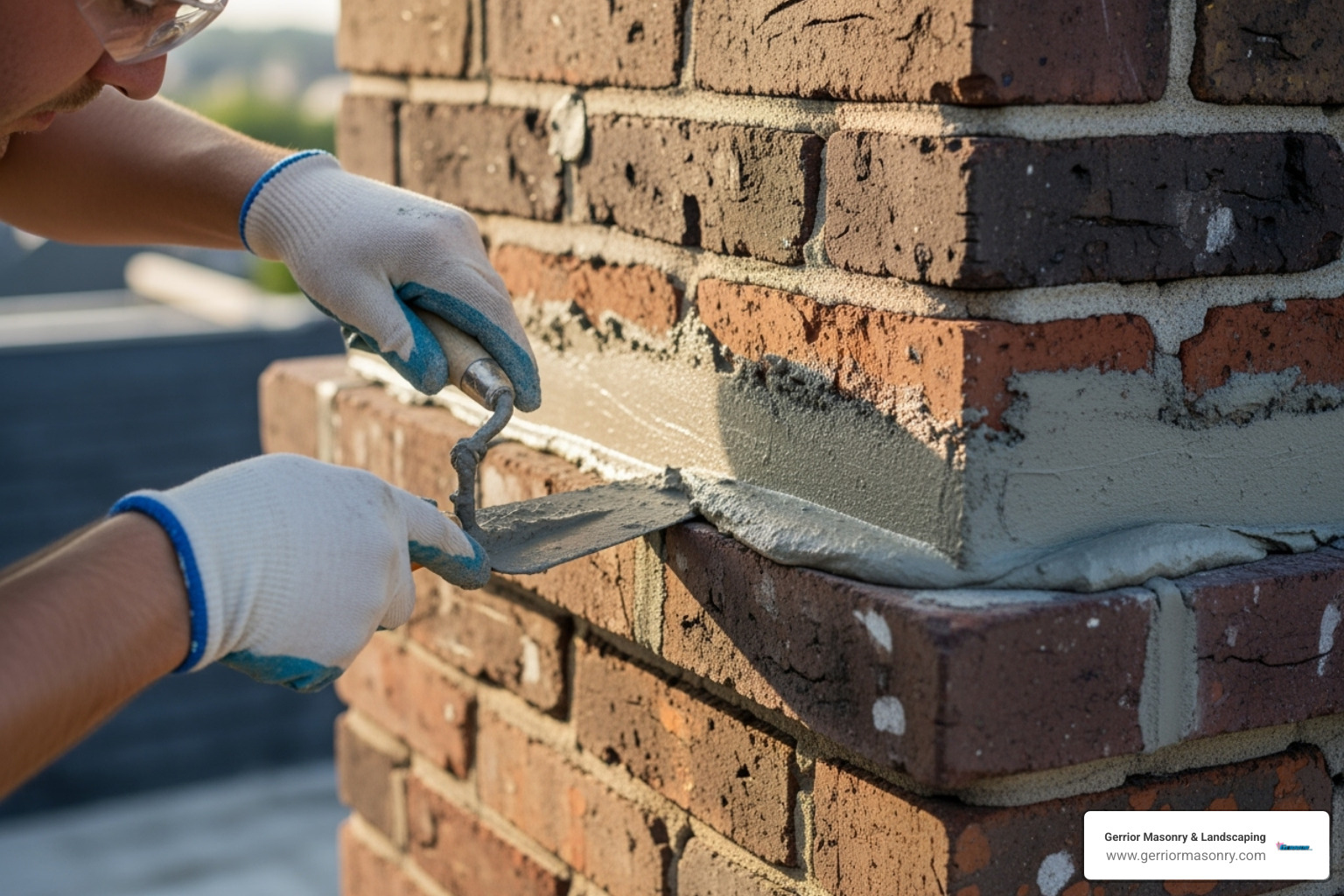
- Remove Old Mortar: Use a grinder or chisel to remove old mortar to a depth of at least half an inch to one inch, or until you reach solid material. Work carefully to avoid damaging the bricks.
- Clean the Joints: Thoroughly brush out all loose debris and dust from the joints with a stiff brush, followed by a soft brush or compressed air. A clean surface is essential for proper adhesion.
- Mist the Area: Lightly spray the joints with water. This prevents the dry bricks from absorbing moisture from the new mortar too quickly, ensuring a stronger bond.
- Mix New Mortar: Prepare your mortar mix according to the manufacturer’s instructions to a thick, workable consistency. Mix only what you can use within about an hour.
- Fill the Joints: Using a pointing trowel or tuckpointing bag, press the new mortar firmly into the joints, ensuring there are no air pockets. Pack the joints so the mortar slightly bulges out.
- Tool the Joints: After the mortar has set slightly (5-10 minutes), use a jointing tool to compress and shape the mortar. This creates a dense, water-resistant finish. Clean any excess mortar off the brick faces immediately.
- Cure the Mortar: Keep the new mortar damp for 24 to 72 hours by misting it periodically. This slow curing process is critical for achieving maximum strength. Avoid using the chimney for at least 24 hours.
For more on this type of work, see our info about repointing a foundation.
Advanced Chimney Care and When to Call the Experts
You’ve learned how to spot and tackle some basic repair chimney mortar tasks, but serious issues like major structural damage, a crumbling crown, or a leaning stack require a professional. At Gerrior Masonry & Landscape Construction, we have over 30 years of experience diagnosing and fixing complex chimney problems to keep your home safe.
Protecting Your Investment: Flashing, Caps, and Weatherproofing
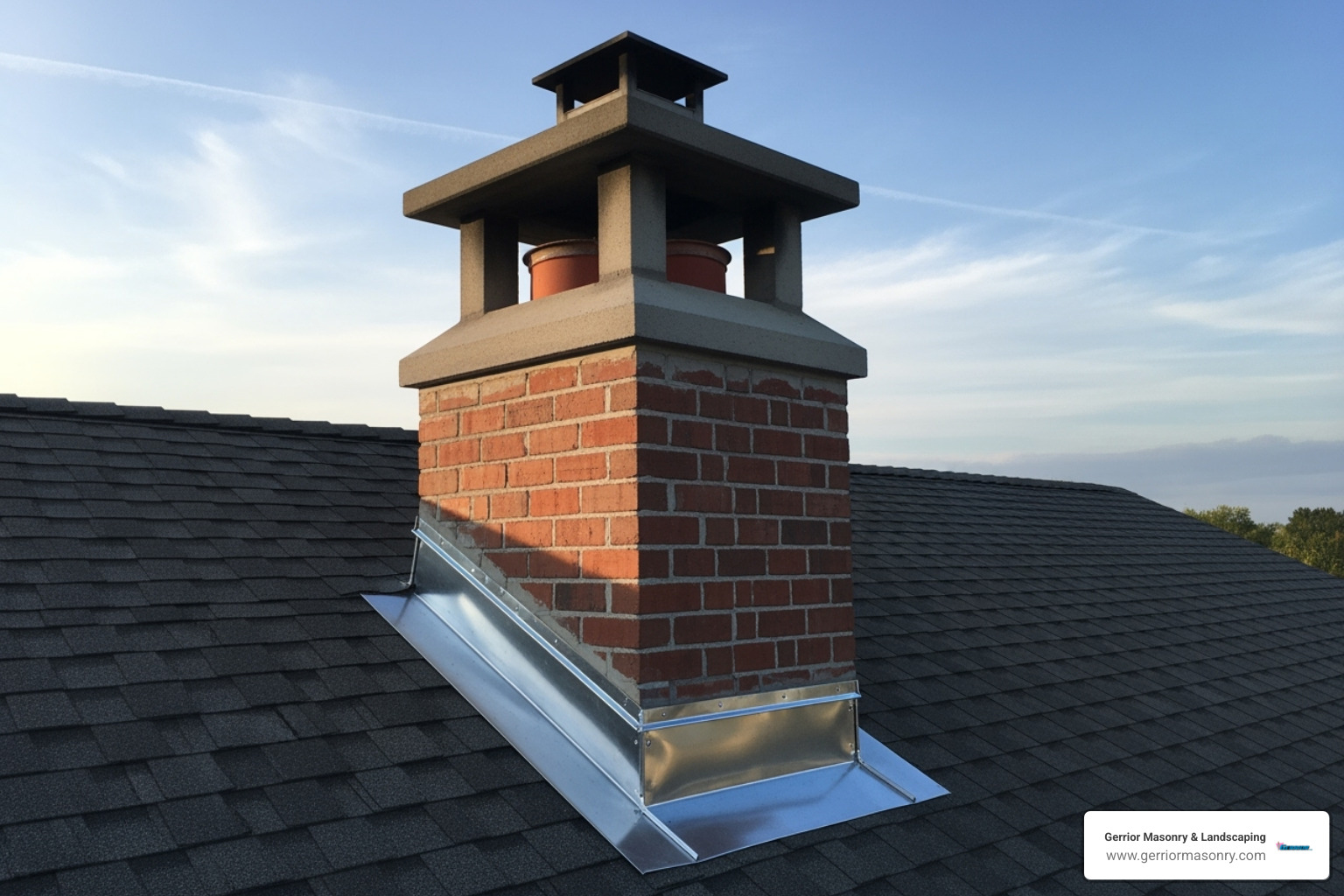
Beyond mortar, a complete protection system includes flashing, caps, and weatherproofing—all crucial for defending against water, the number one enemy of chimneys.
- Chimney Flashing: This metal seal where the chimney meets the roof prevents leaks. If you see rust, gaps, or interior water stains, the flashing may need repair or replacement.
- Chimney Cap: A cap acts as a protective hat, keeping rain, debris, and animals out of your flue. Without one, water can pour directly inside, causing significant damage.
- Waterproofing Sealants: After masonry work, applying a breathable, non-film-forming waterproofing agent is recommended. It acts as an invisible shield, blocking liquid water while allowing internal moisture vapor to escape.
Preventative maintenance is essential, especially with the harsh freeze-thaw cycles in Middlesex and Essex County, Massachusetts. Annual inspections can catch small issues before they become expensive problems. More info about chimney repairs.
The Risks of Neglect and Why Professional Help is Key
Ignoring chimney problems can lead to dangerous and costly consequences for your home and family.
- Structural Collapse: Severely deteriorated mortar can destabilize the entire chimney, creating a risk of collapse.
- House Fires: Cracks in the mortar or flue liner can allow heat and embers to escape, potentially igniting parts of your home.
- Carbon Monoxide Poisoning: A damaged flue can leak this invisible, odorless gas into your living space, which can be fatal.
- Extensive Water Damage: Unrepaired leaks lead to stained walls, rotted wood, mold growth, and accelerated decay of the chimney structure.
- Decreased Home Value: A neglected chimney is a major red flag for potential buyers and can significantly lower your property’s value.
While DIY is great for some tasks, you should call a professional for:
- Extensive water damage or widespread spalling bricks.
- Complex flashing repairs or replacement.
- Any damage to the flue liner.
- Structural issues like a leaning stack or large cracks in the chimney itself.
Understanding Repair Costs and Long-Term Maintenance
Chimney repair costs vary widely. The figures below are average costs based on general internet data, not actual prices from Gerrior Masonry. The final cost depends on the extent of damage, chimney height, accessibility, and location, and the high end could be three times the average or more.
- Minor Mortar Repair (Spot Pointing): Professional: $200 – $800.
- Full Chimney Repointing: Professional: $1,000 – $6,000+.
- Chimney Crown Repair/Replacement: Professional: $300 – $3,000+.
- Flashing Repair/Replacement: Professional: $200 – $1,000.
- Chimney Cap Installation: Professional: $150 – $800 (including cap).
While DIY saves on labor, complex repairs risk safety and can lead to costlier mistakes. Professionals have the experience, tools, and insurance to do the job correctly and safely.
The best way to control costs is through consistent preventative maintenance:
- Annual Inspections: Have a certified professional inspect your chimney yearly to catch problems early.
- Regular Cleaning: Remove creosote buildup to prevent chimney fires.
- Waterproofing: Reapply a breathable sealant every few years to protect the masonry.
- Prompt Minor Repairs: Fix small cracks and loose mortar immediately.
At Gerrior Masonry & Landscape Construction, we believe in proactive care. With over 30 years of experience and owner oversight on every project, we deliver quality and peace of mind. We’re here to protect your investment and ensure your chimney is safe and functional for years to come. Get a professional consultation.
Gerrior Masonry & Landscape Construction is based in Woburn, MA, and proudly services the surrounding communities in Middlesex and Essex County, Massachusetts.
