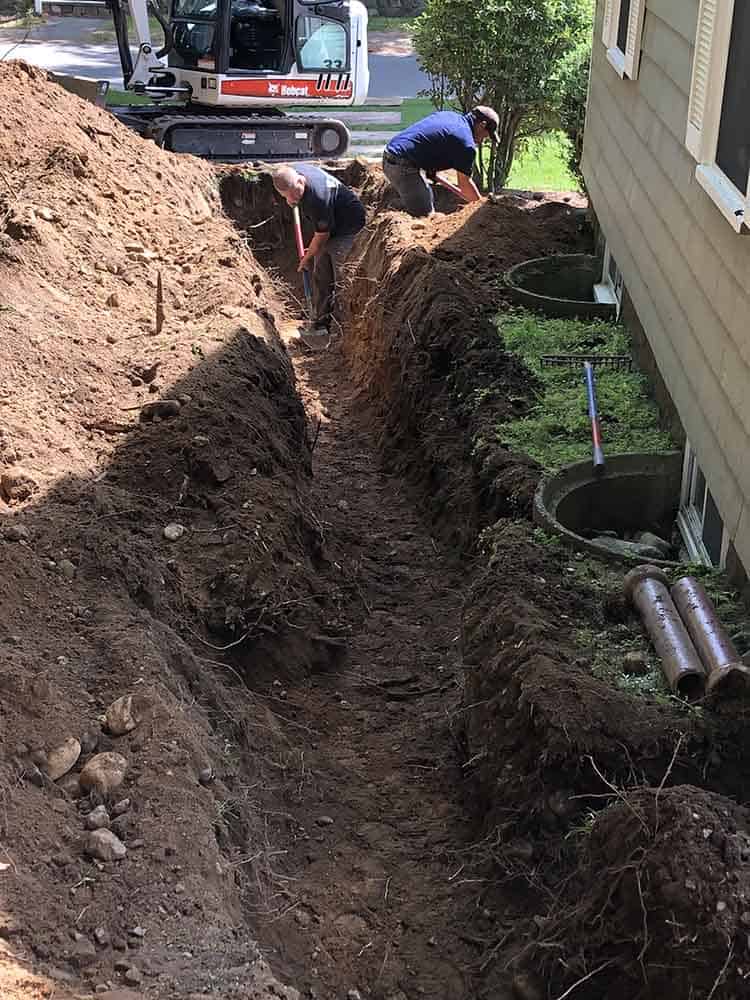
Basement Foundation Drain: Top Tips for Success 2025

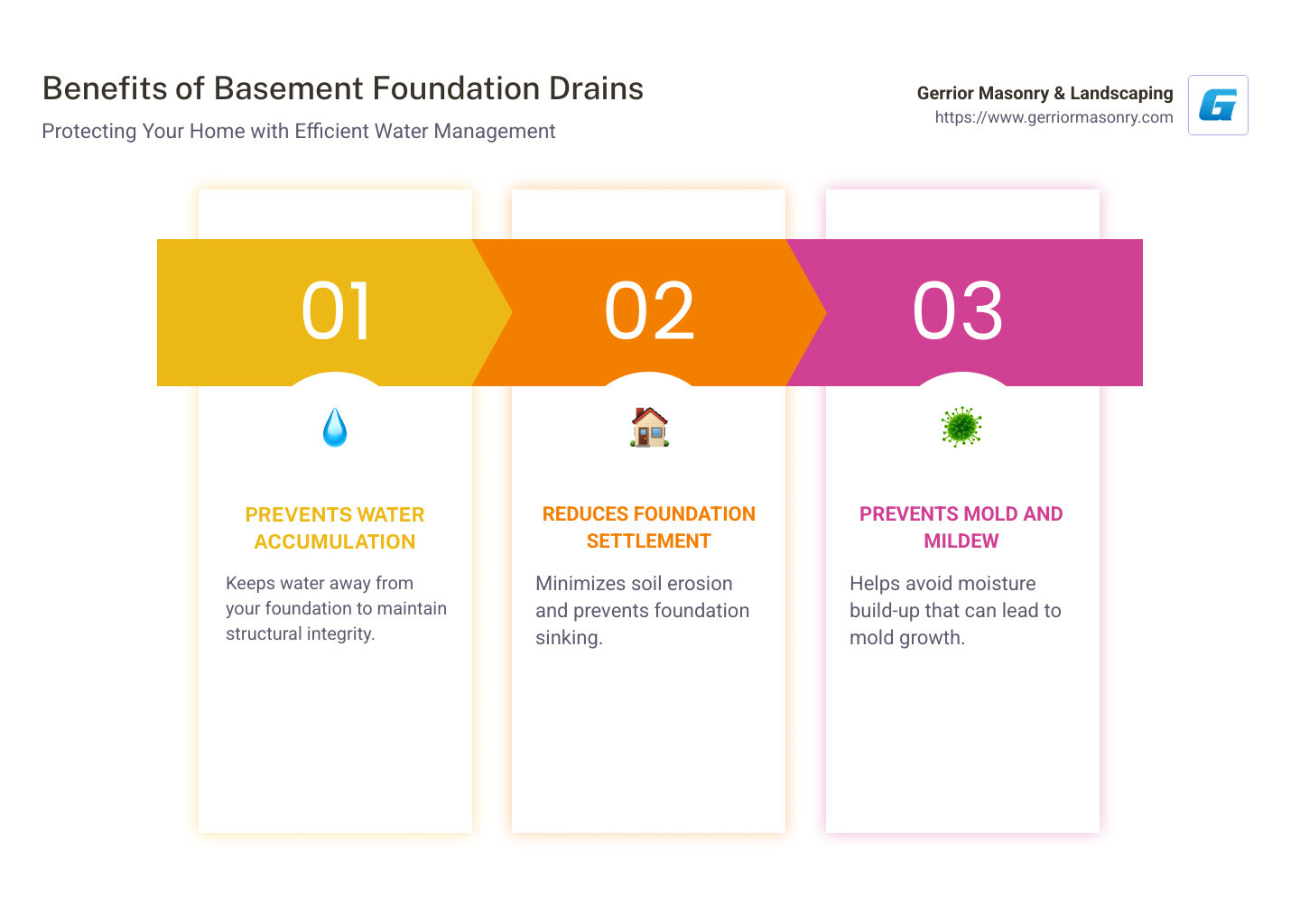
Basement foundation drain systems are a crucial component for maintaining a dry and sturdy home foundation. These systems are specifically designed to prevent water from accumulating around or penetrating your home’s structure. Here’s a quick overview of their benefits:
- Prevents water accumulation around and within your home’s foundation
- Reduces chances of foundation settlement and soil erosion
- Minimizes mold, mildew, corrosion, and pest infestations
Whether you’re constructing a new home or updating an existing one, understanding the importance of foundation drainage is essential to protect your home from costly damages.
I’m Joe Gerrior. With over 34 years of experience in masonry and landscaping, I’ve seen the value of proper basement foundation drain systems. They play a key role in safeguarding homes from water-related issues.
Basement foundation drain terms made easy:
– drainage around house foundation
– drainage system around the house
– drain on side of house
Understanding Basement Foundation Drains
Basement foundation drains are essential for keeping your home dry and safe. These systems are all about water management. They help move water away from your home’s foundation, stopping it from causing damage.
The Role of Foundation Drains
A foundation drain is like a protective barrier for your home. It collects water around your basement and directs it away. This prevents water from seeping into your basement, which can lead to structural issues and mold growth.
Water Management Techniques
There are different ways to manage water around your foundation:
- Perforated Pipes: These pipes are buried around your home. They catch water and move it away. Think of them as hidden waterways that guard your basement.
- Sump Pumps: A sump pump is a small pump installed in the lowest part of your basement. It collects water in a pit and pumps it away. This is especially useful during heavy rains when water levels rise quickly.
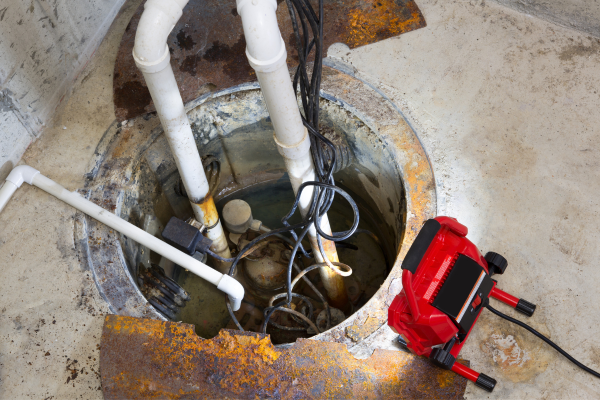
Why Sump Pumps Matter
Sump pumps are a crucial part of the drainage system. They work by actively removing water from your basement, reducing the risk of flooding. However, they rely on electricity, so having a battery backup is wise. This ensures they keep working even during power outages.
Choosing the Right System
Selecting the right system depends on your home’s needs. Some homes benefit from a combination of a French drain and a sump pump. Others might only require one method. It’s important to assess your situation and choose what best protects your home.
In the next section, we’ll explore the different types of basement foundation drains, helping you decide which system is right for your home.
Types of Basement Foundation Drains
When it comes to protecting your basement from water damage, understanding the different types of basement foundation drains is crucial. Each type has its own strengths and is suited for different scenarios. Let’s explore the four main types: French drains, footing drainage, grading drainage, and sump pit and pumps.
French Drains
French drains are perhaps the most popular choice for homeowners. These drains consist of a pipe with small perforations, covered with porous backfill. The design allows water to easily enter the pipe and be directed away from your home’s foundation.
Pros:
– Effective at preventing basement flooding.
– Can last between 30 to 40 years.
– Cost-effective and visually unobtrusive.
Cons:
– Installation can be labor-intensive and costly.
– Requires removal of existing structures, like decks or walkways.
– Not ideal for homes near water sources or utility lines.
Footing Drainage
Footing drains are similar to French drains but are installed at the level of your foundation’s footing. They are excellent for preventing water accumulation around the foundation, which can lead to settling issues.
Pros:
– Can last up to 50 years with proper installation.
– Helps prevent foundation settlement.
– Cost-effective solution.
Cons:
– Installation is costly since it often occurs during foundation construction.
– Can clog with mud, requiring maintenance.
– Risk of soil nitrates contaminating nearby water bodies.
Grading Drainage
Grading drainage involves shaping the landscape around your home to naturally direct water away. This method is often used in conjunction with other drainage systems.
Pros:
– Naturally redirects water without clogging issues.
– Increases usable outdoor space.
– Most inexpensive draining solution.
Cons:
– Risk of over-saturating garden soils.
– Poor installation can lead to water pooling near the house.
– Can create breeding grounds for mosquitoes if water ponds.
Sump Pit and Pumps
Sump pit and pumps are essential in areas with heavy rain or snow. The system collects water in a pit and then pumps it away from the house.
Pros:
– Effective in high rainfall areas.
– Can actively remove water, reducing flood risk.
Cons:
– Relies on electricity, so a backup is necessary during power outages.
– Requires regular maintenance to ensure functionality.
Choosing the right basement foundation drain is key to keeping your home dry and safe. Each system offers unique benefits and challenges, so it’s important to consider your specific needs and environment.
Next, we’ll explore the signs that might indicate your foundation drain is clogged and what you can do about it.
Signs of a Clogged Foundation Drain
Keeping your basement dry is essential. But how do you know if your basement foundation drain is clogged? Let’s look at some telltale signs you should watch out for.
Cracks on Walls
Cracks, especially those appearing suddenly, can be a red flag. When a foundation drain is clogged, water pressure builds up around your home’s foundation. This pressure can lead to cracks in the basement walls or even the floor.
- Horizontal Cracks: These often indicate water pressure from outside.
- Vertical Cracks: While sometimes due to settling, they can also signal drainage issues.
If you notice cracks, it’s time to check your drainage system.
Water Seepage
Water seepage is another common sign of a clogged foundation drain. When water can’t escape properly, it finds its way into your basement. You might notice wet spots on the walls or floor, or even small puddles forming after rain.
- Damp Walls: This can lead to mold growth, which is both unsightly and unhealthy.
- Pooled Water: Often found in corners or along the base of walls.
If your basement is damp or wet, it’s crucial to address the problem quickly to avoid further damage.
Musty Odor
A musty odor in your basement is more than just unpleasant—it can also be a sign of trouble. This smell usually indicates mold or mildew, which thrive in damp environments caused by poor drainage.
- Persistent Smell: If airing out your basement doesn’t help, it’s likely a drainage issue.
- Visible Mold: Look for black or green spots, especially in corners or behind stored items.
Ignoring these odors can lead to health issues, so it’s important to investigate and fix the root cause.
By recognizing these signs early, you can prevent more serious problems down the line. Regular maintenance and inspection of your basement foundation drain can help keep these issues at bay. Next, we’ll discuss how to install and maintain your foundation drains effectively.
Installation and Maintenance of Foundation Drains
Installing a basement foundation drain is a smart investment in your home’s longevity. Let’s break down the essentials of installation, costs, and maintenance to help you make informed decisions.
Installation Cost
The cost of installing a foundation drain can vary greatly depending on several factors:
- Type of Drain: French drains and sump pump systems are common choices. French drains are generally less expensive but may require more maintenance.
- Size and Complexity: Larger homes or those with complex layouts can drive up costs.
- Soil Conditions: Hard or rocky soil may increase labor costs.
On average, you might spend anywhere from $1,000 to $10,000 for a complete system. It’s wise to get multiple quotes from professionals to find the best fit for your budget.
Lifespan
A well-installed foundation drain can last a long time, but its lifespan depends on maintenance and environmental factors:
- Material Quality: High-quality materials tend to last longer.
- Installation Quality: Proper installation is crucial for longevity.
- Environmental Conditions: Areas with heavy rainfall or poor soil drainage can reduce lifespan.
Regular inspections and maintenance can help extend the life of your drainage system, potentially lasting 20-30 years or more.
Maintenance Tips
Keeping your basement foundation drain in top shape doesn’t have to be difficult. Here are some simple tips:
- Regular Inspections: Check for signs of clogging, such as slow drainage or standing water.
- Clear Debris: Keep gutters and downspouts free of leaves and dirt to prevent blockages.
- Test Your Sump Pump: Ensure it’s functioning properly, especially before the rainy season.
- Professional Checkups: Consider having a professional inspect your system annually.
These steps can help prevent costly repairs and keep your basement dry and safe.
By understanding the costs, lifespan, and maintenance of foundation drains, you can make informed decisions about protecting your home. In the next section, we’ll tackle some frequently asked questions about basement foundation drains.
Frequently Asked Questions about Basement Foundation Drains
How do I know if my foundation drain is clogged?
Identifying a clogged basement foundation drain early can save you from bigger headaches later. Here are some signs to watch for:
- Water Seepage: If water is pooling around your basement or crawl space, it might indicate a blockage.
- Cracks on Walls: Pressure from trapped water can cause cracks in your basement walls or foundation.
- Musty Odor: A persistent damp or musty smell can signal moisture buildup due to a clogged drain.
Regular inspections and maintenance can help catch these issues before they escalate.
Where do foundation drains drain to?
Foundation drains are designed to guide water away from your home to prevent damage. The typical drainage options include:
- Sump Pump: Water collected by the drain is pumped out and away from your home.
- Dry Well: An underground pit that collects and slowly disperses water into the surrounding soil.
- Storm Sewer: In some areas, drains can be connected to municipal storm sewers for efficient water removal.
Choosing the right drainage point depends on local regulations and your property’s layout.
How long do footing drains last?
The lifespan of footing drains can vary based on several factors:
- Material and Installation Quality: High-quality materials and professional installation can extend the life of your drains.
- Environmental Conditions: Areas with frequent heavy rain or poor soil drainage may experience shorter drain lifespans.
- Maintenance: Regular upkeep is key to longevity, with many systems lasting 20-30 years or more if well-maintained.
By understanding these factors, you can ensure your basement foundation drain serves you effectively for many years.
In the next section, we’ll conclude with how Gerrior Masonry & Landscaping can help you achieve high-quality results in foundation repair and maintenance.
Conclusion
At Gerrior Masonry & Landscaping, we understand the importance of a well-functioning basement foundation drain system. With over 30 years of experience, our team is dedicated to delivering high-quality results in foundation repair and maintenance.
A strong foundation is crucial for the safety and longevity of your home. Without proper drainage, water can wreak havoc on your foundation, leading to costly repairs and potential safety hazards. That’s why we focus on providing effective drainage solutions custom to your specific needs.
Our expertise includes the installation of French drains, sump pumps, and other drainage systems that protect your home from water damage. We ensure that each project receives owner oversight, guaranteeing meticulous attention to detail and superior craftsmanship.
We also offer personalized services, understanding that every property is unique. Our team assesses your foundation and drainage needs, crafting a solution that ensures your home remains dry and secure.
Whether you’re dealing with a clogged drain or need a complete foundation overhaul, you can trust us to provide the best solutions. Our commitment to excellence ensures that we exceed customer expectations on every project.
Ready to protect your home with a reliable drainage system? Contact Gerrior Masonry & Landscaping for a consultation today. Let us help you maintain the safety and integrity of your property with our top-notch masonry and drainage services.