
Commercial Brickwork: Top 5 Smart Tips in 2024
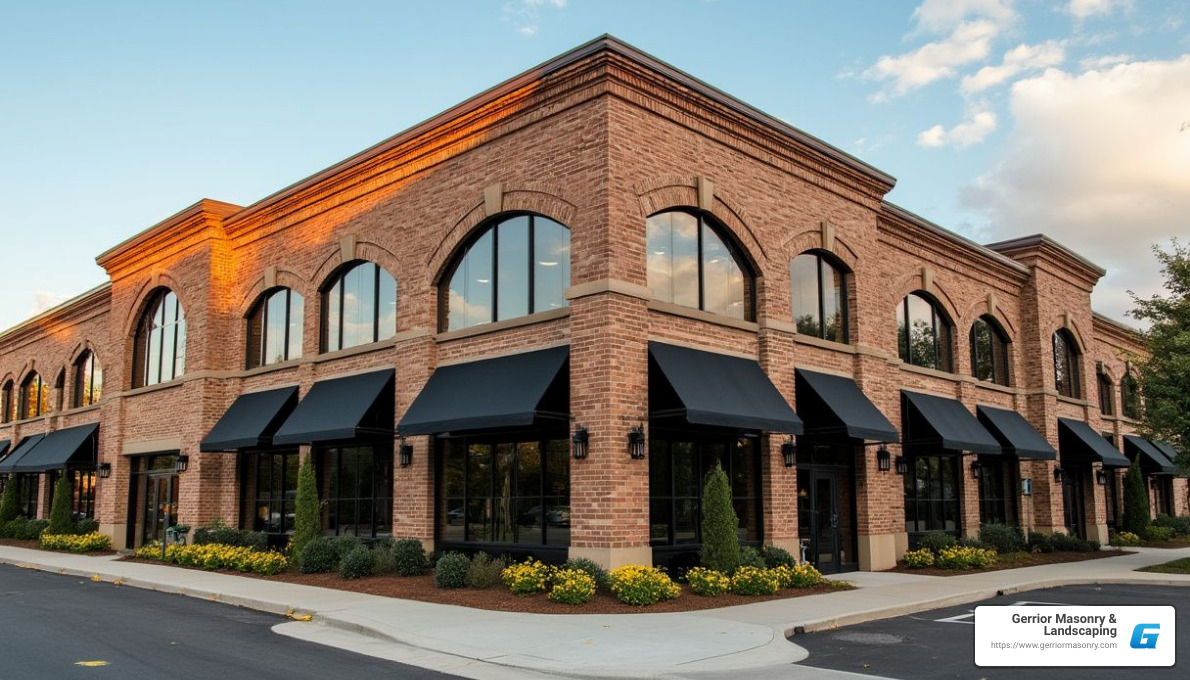
Commercial brickwork forms the backbone of many sturdy and enduring buildings we encounter in our cities and towns. It’s crucial for businesses looking to achieve a balance between aesthetics and resilience in their structures. Here’s what you need to know right away about commercial brickwork:
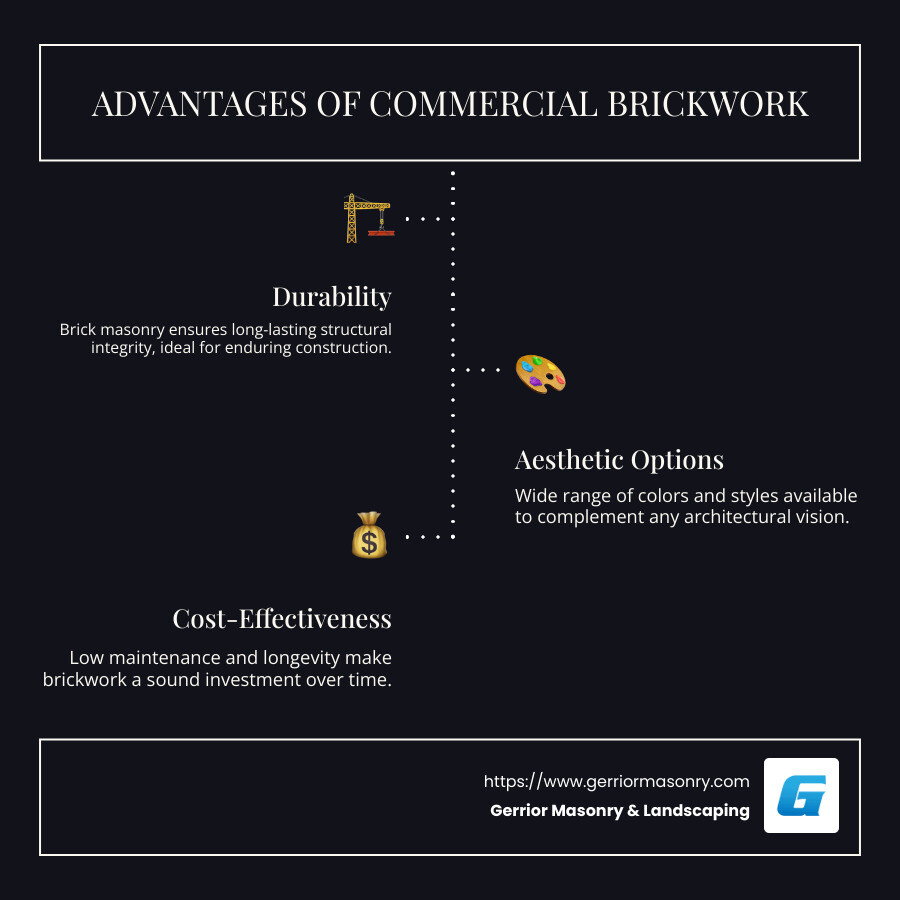
- Durability: A hallmark of quality construction, brick masonry offers long-lasting structural integrity.
- Aesthetic Options: With a variety of colors and styles, bricks can match any architectural vision.
- Cost-Effectiveness: While upfront costs can vary, the low maintenance and long life make commercial brickwork a wise investment.
Having spent over three decades fine-tuning the art and science of commercial brickwork, Joe Gerrior has established a reliable presence in the masonry sector. At Gerrior Masonry & Landscaping, we combine experience with a keen eye for detail, ensuring every brick not only fits precisely but also contributes to a building’s aesthetic charm.
Basic commercial brickwork terms:
– landscaping woburn ma
– masonry woburn ma
Types of Commercial Brickwork
When it comes to commercial brickwork, four main types stand out: brick masonry, stone masonry, concrete masonry, and stucco masonry. Each offers unique benefits and applications, making it essential to understand their differences.
Brick Masonry
Brick masonry is a popular choice for many commercial buildings. It combines durability with a classic look. Bricks come in various colors and styles, allowing for creative and visually appealing designs. There are three common types of brick wall constructions:
- Solid Walls: These are made of at least two layers of bricks, providing excellent strength and insulation.
- Cavity Walls: These feature an outer layer of brick with a different material inside, like concrete, to prevent water intrusion.
- Veneer Walls: A single layer of brick attached to the building’s structure, mainly for aesthetic purposes.
Stone Masonry
Stone masonry brings a rustic and natural appeal to commercial structures. It often uses materials like limestone or granite. There are two primary styles:
- Ashlar Masonry: Stones are cut into uniform shapes, creating a neat and orderly appearance similar to bricks.
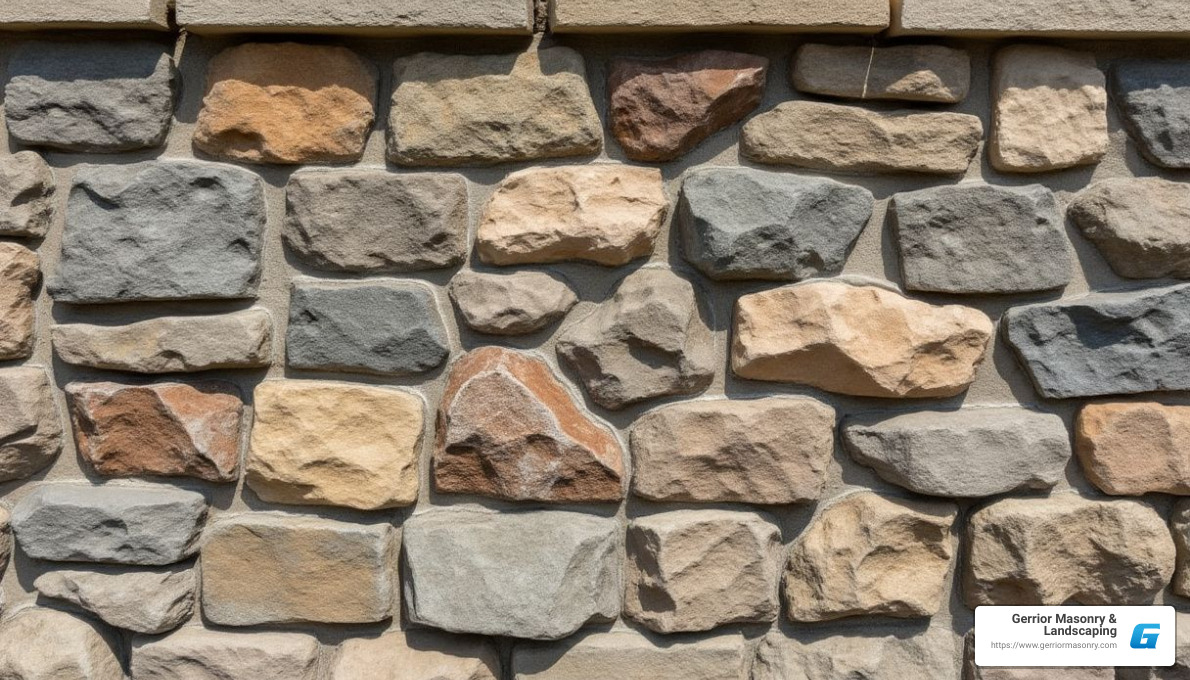
- Rubble Masonry: Uses stones in their natural form or lightly shaped, offering a more rugged, rustic look.
Concrete Masonry
Concrete masonry is known for its robustness and is often used for building foundations and walls. It may not be as visually appealing as brick or stone but makes up for it in strength and reliability. Concrete blocks come in two varieties:
- Hollow Blocks: These are lightweight and cost-effective but slightly more prone to cracking.
- Solid Blocks: Heavier and more durable, these blocks provide excellent support.
Stucco Masonry
Stucco masonry offers a unique texture and appearance, often seen in shades of tan or beige. It’s made from cement plaster, making it both durable and appealing. Stucco requires a longer drying time, so it’s best suited for climates with less inclement weather.
Each type of masonry has its own set of advantages, making it crucial to choose the right one based on your specific needs and architectural vision. Whether you prioritize durability, aesthetics, or cost-effectiveness, understanding these options will help you make an informed decision for your commercial building project.
Benefits of Commercial Brickwork
When it comes to commercial brickwork, there are three standout benefits: durability, aesthetic appeal, and cost-effectiveness. Let’s break these down:
Durability
Brickwork is known for its long-lasting durability. A well-constructed brick building can stand the test of time, often outliving other parts of the structure. This longevity is due to the robust nature of bricks, which can withstand harsh weather conditions and high temperatures. For example, brick chimneys are valued for their ability to handle intense heat from fireplaces while requiring relatively low maintenance. This makes brick a reliable choice for commercial projects that demand strength and resilience.
Aesthetic Appeal
The aesthetic appeal of brickwork is undeniable. With a wide range of colors, textures, and patterns available, brick allows for creative and visually stunning designs. Architects often choose brick to make buildings stand out, offering a classic yet versatile look. Whether aiming for a traditional or modern style, brick can improve the visual appeal of any commercial property. The charm of brick masonry is not just about looks; it’s about creating a distinctive and inviting atmosphere that draws attention.
Cost-Effectiveness
One of the most attractive features of brickwork is its cost-effectiveness. Compared to other materials like stone or concrete, brick offers an affordable solution without compromising on quality or appearance. It strikes a balance between budget and beauty, making it a popular choice for businesses looking to maximize their investment. Plus, the low maintenance needs of brickwork mean fewer ongoing costs, further enhancing its value over time.
In summary, commercial brickwork offers a unique combination of durability, aesthetic appeal, and cost-effectiveness. These qualities make it a top choice for businesses aiming to create lasting, beautiful, and budget-friendly commercial spaces.
Choosing the Right Brickwork for Your Business
Selecting the appropriate type of commercial brickwork is crucial for ensuring your building not only looks good but also stands the test of time. Here’s a simple guide to help you decide:
Solid Walls
Solid walls are built with at least two layers of bricks. They provide excellent strength and insulation, making them ideal for businesses in harsh climates. Solid walls can withstand weather extremes like heavy rain or snow, offering a durable and reliable structure for your commercial building.
Cavity Walls
Cavity walls have an outer layer of brick and an inner layer of another material, like concrete. This design helps prevent water from seeping into the building. The cavity between the layers acts as a barrier against moisture, making it a great choice for areas prone to heavy rainfall.
Veneer Walls
If aesthetics are your top priority, consider veneer walls. These feature a single layer of brick attached to the building’s structure, often used for its attractive appearance. Veneer walls add a stylish exterior finish without the weight of solid brick, making them perfect for modern designs seeking that classic brick look.
Ashlar Masonry
Moving beyond bricks, ashlar masonry uses stones cut into uniform shapes, creating a sleek, brick-like appearance. This type is popular for businesses wanting a refined, polished look. Ashlar masonry offers both beauty and durability, making it a versatile option for commercial projects.
Rubble Masonry
For a rustic, natural feel, consider rubble masonry. This style uses stones that are either uncut or lightly chiseled, providing a unique, rugged appearance. Rubble masonry is a growing trend for businesses looking to stand out with an earthy, organic aesthetic.
Choosing the right type of brickwork for your business involves balancing aesthetics, functionality, and budget. Each option offers distinct advantages, so consider your specific needs and environment before making a decision.
Frequently Asked Questions about Commercial Brickwork
When it comes to commercial brickwork, choosing the right materials and understanding the construction techniques can make all the difference. Let’s explore some common questions.
What bricks are used in commercial buildings?
Clay bricks and concrete bricks are the go-to choices for commercial buildings.
- Clay bricks are known for their durability and aesthetic appeal. They come in a variety of colors and textures, making them versatile for different design needs. Clay bricks are also excellent at withstanding weather changes, which makes them a popular choice for exterior walls.
- Concrete bricks offer a more cost-effective solution. They are made from cement and aggregates, providing great strength and uniformity. Concrete bricks can be used in structural walls and are often preferred for their load-bearing capabilities.
What are the 4 courses of brickwork?
Brickwork is laid in courses, and each course serves a specific purpose:
- Stretcher Course: This is the most common course where bricks are laid lengthwise along the wall. It provides a smooth, continuous surface.
- Header Course: In this course, bricks are laid with their ends facing the wall’s face. This technique is used to tie two walls together, providing additional stability.
- Bond Course: This course involves overlapping bricks in a specific pattern to improve the wall’s strength. Different bond patterns can also add decorative elements to the wall.
- Plinth Course: Typically found at the base of the wall, the plinth course helps distribute the wall’s load evenly and protects the structure from water damage.
What is the difference between brickwork and face brick?
Understanding the distinction between common bricks and face bricks is essential for achieving the desired look and function in your project.
- Common bricks are used for the structural parts of a building. They are strong and affordable but may not have a uniform appearance, making them ideal for areas that will not be visible.
- Face bricks, on the other hand, are used for visible surfaces. These bricks are selected for their uniform color and texture, providing an attractive finish to the building’s exterior.
Choosing the right type of bricks and understanding their placement can significantly impact the durability and appearance of your commercial building. Whether you’re aiming for strength, aesthetics, or both, knowing these basics will help you make informed decisions.
Conclusion
At Gerrior Masonry & Landscaping, we pride ourselves on our extensive experience and expertise in commercial brickwork. With over 30 years in the industry, our team has honed its skills to deliver high-quality results on every project. We understand the importance of precision and aesthetics in masonry, and we ensure that each brick is laid with care and attention to detail.
Our commitment to excellence is reflected in the satisfaction of our clients. We work closely with business owners to understand their vision and bring it to life through our masonry services. Whether it’s a new build or a restoration project, our approach is always the same: high standards and client satisfaction.
Our skilled team is led by experienced professionals who oversee every project, ensuring that all work meets our rigorous quality benchmarks. This hands-on approach allows us to maintain the integrity and beauty of each structure we work on.
If you’re considering a masonry project in Woburn, MA, or the surrounding area, let us help you create a lasting impression with your building. From the strength of solid walls to the elegance of face brick, we have the expertise to guide you through every step of your project.
For more information on how we can improve your commercial space, visit our masonry services page. Let’s build something beautiful together.
