
Why DIY Landscape Design is the Perfect Weekend Project
DIY landscape design is a rewarding way for homeowners to transform their outdoor spaces without breaking the bank. While many feel overwhelmed by a blank yard, you don’t need a degree in landscape architecture to create something beautiful. The key is breaking the project into manageable steps.
Essential DIY Landscape Design Steps:
- Assess your space – measure your yard and note existing features.
- Create a simple plan – sketch your ideas or use free design apps.
- Choose your style – cottage, modern, or low-maintenance xeriscaping.
- Start with hardscape – paths, patios, and structural elements first.
- Add plants last – select native species that thrive in your climate zone.
The appeal is clear: studies show that landscape improvements can increase your home’s value by 5-15%, while a basic DIY landscape project typically costs around $2,600 compared to hiring a professional designer at an average of $8,150.
I’m Joe Gerrior, owner of Gerrior Masonry & Landscape Construction Corp. With over 34 years helping Massachusetts homeowners, I believe understanding DIY landscape design principles helps every homeowner make better decisions about their outdoor spaces.
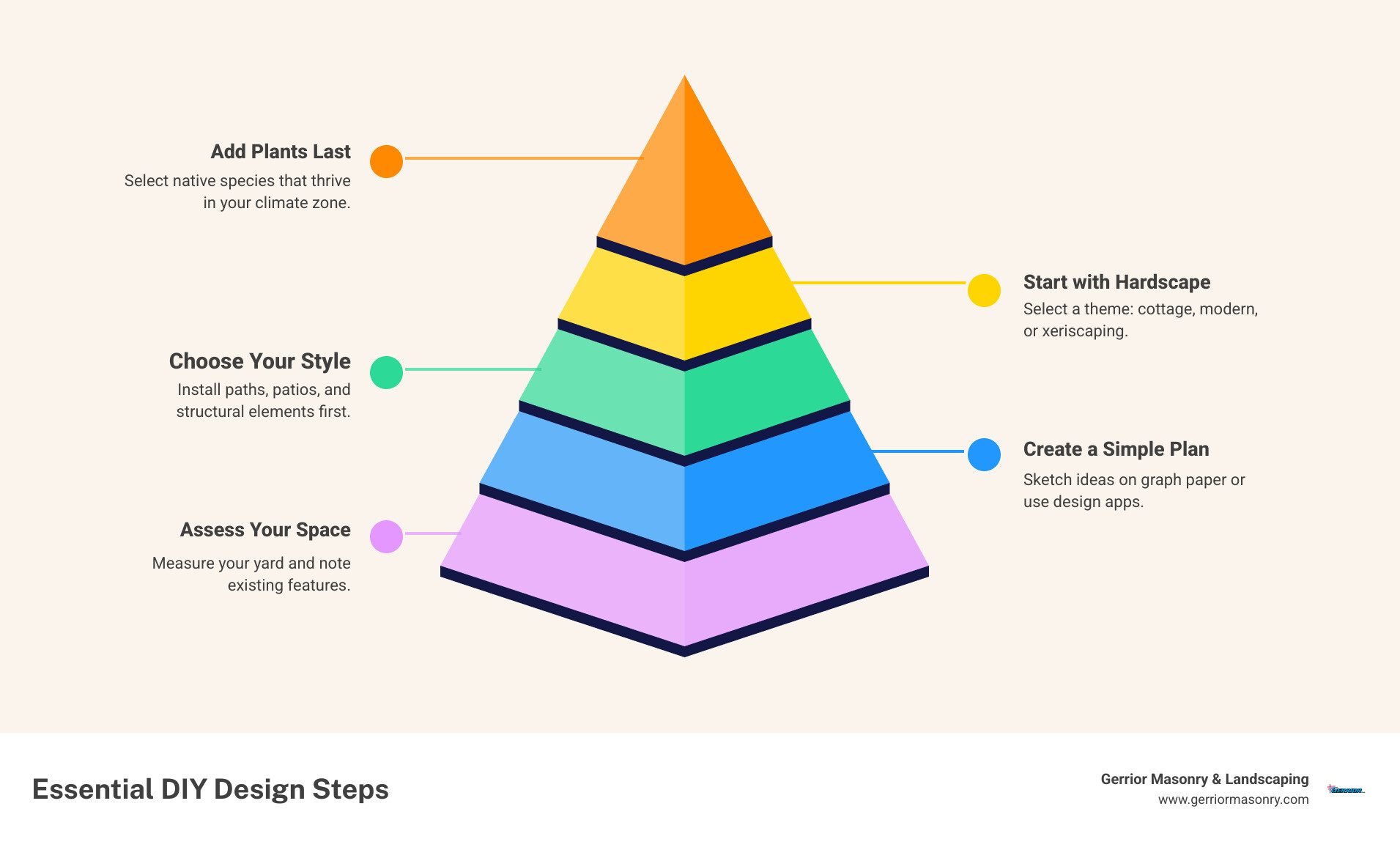
Diy landscape design terms simplified:
The Ultimate Guide to DIY Landscape Design
Ready to transform your outdoor space? This comprehensive guide will walk you through everything you need to know about DIY landscape design – from understanding basic principles to choosing the perfect plants for your Massachusetts yard.
Understanding the Fundamentals: Principles, Elements & Styles
Before you start digging, understanding a few key design principles can make all the difference.
- Proportion and scale ensure that elements in your landscape relate well to each other and to your house.
- Unity and balance create harmony, making your landscape feel cohesive by repeating colors, textures, or plant types. Balance distributes visual weight evenly, either formally (symmetrical) or informally (asymmetrical).
- Rhythm and repetition, like evenly spaced plants along a walkway, guide the eye and create movement.
- Focal points, such as a striking tree or water feature, draw attention and create interest.
The building blocks you’ll work with include color (to set the mood), form (the 3D shape of plants), texture (sensory appeal), and line (to define spaces).
When it comes to style, popular options include:
- Cottage gardens: Informal, colorful, and whimsical.
- Modern designs: Clean lines, minimalist planting, and geometric hardscaping.
- Xeriscaping: Focuses on water conservation with drought-tolerant plants, which can reduce water usage by up to 80%.
- Japanese Zen gardens: Tranquil spaces using rocks, sand, and carefully placed plants.
Choosing a style early helps narrow down your choices. For professional insights, explore our More info about landscape design installation services.
Creating Your DIY Landscape Design Plan
A solid plan is crucial for avoiding costly mistakes.
- Site Analysis: Walk your property and note existing plants, slopes, drainage spots, sun exposure, and utility locations (septic, electrical lines).
- Measure and Map: Accurately measure your property, including your house, driveway, and large features. Use graph paper to draw a base map to scale (e.g., one square = one foot). Add a north arrow to track sun patterns.
- Bubble Diagrams: On tracing paper over your map, sketch loose “bubbles” for different activity zones, like a dining area or play space. Think about how these areas connect.
- Develop the Final Plan: Refine your sketches into a final plan showing the exact shapes and locations for planting beds, patios, and walkways. Crucial tip: Draw plants at their mature size to avoid future overcrowding.
Landscape design software like iScape or SketchUp can help you visualize your ideas digitally. For more tips, see this guide on Tips for drawing a landscape map. Proper design for paths is key: More info about walkways and stairs.
Hardscape vs. Softscape: The Building Blocks of Your Yard

Successful DIY landscape design balances hardscape and softscape.
- Hardscape refers to the non-living, structural elements: patios, walkways, retaining walls, and fire pits. These form the “bones” of your yard and are typically permanent investments.
- Softscape includes all the living, horticultural elements: trees, shrubs, flowers, and your lawn. These add color, texture, and seasonal interest.
The magic happens when these two work together. A stone patio (hardscape) becomes an inviting room when softened by surrounding plants (softscape). Water features add sound and movement, while landscape lighting extends your enjoyment into the evening and improves safety. Solar path lights are an easy DIY option, while spotlights can highlight a beautiful tree.
The key is choosing hardscape materials that complement your home’s architecture. For professional installation that creates lasting value, explore our More info about hardscaping services.
Popular DIY Project Ideas to Get You Started
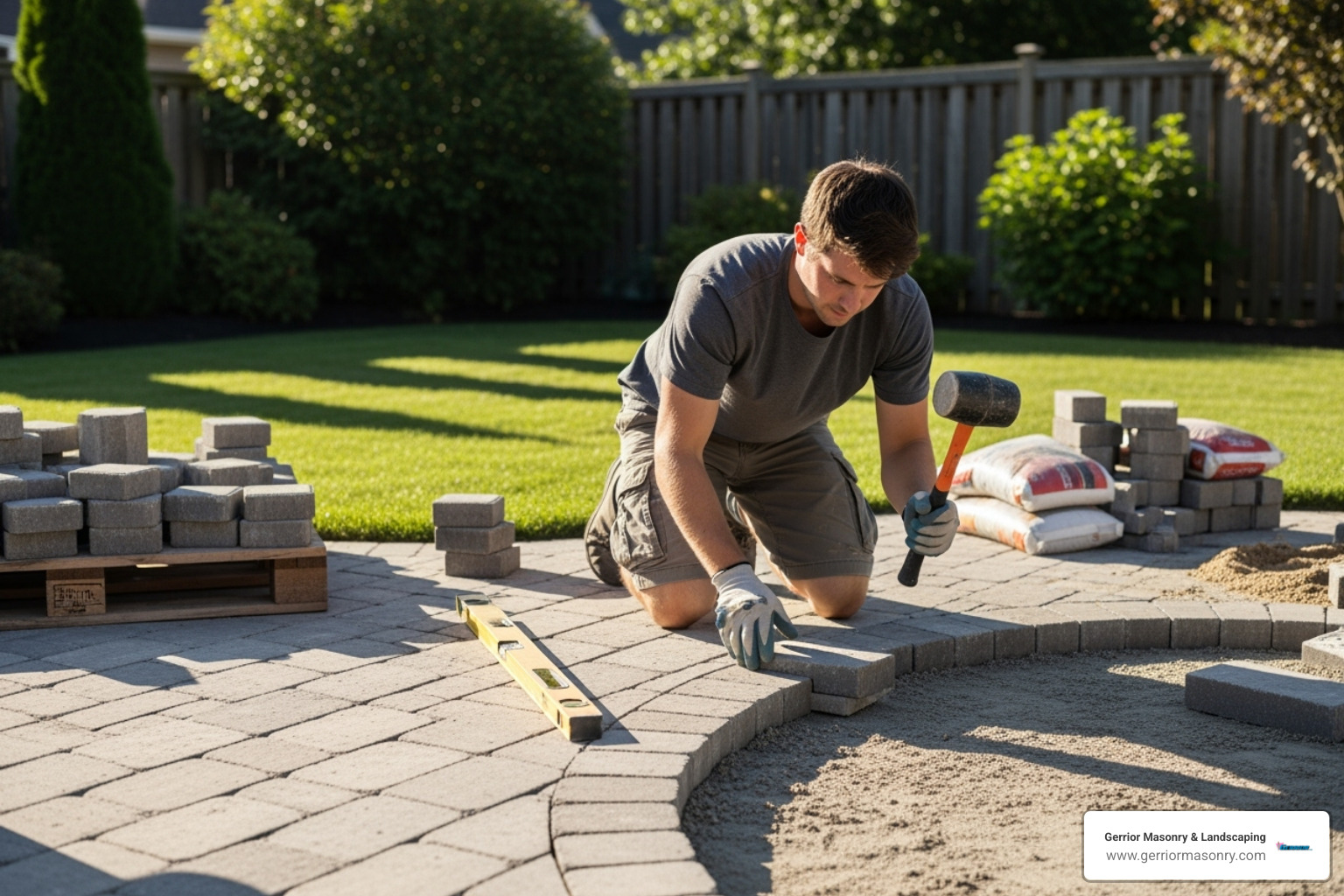
Ready to get your hands dirty? These popular projects offer a great return on your effort.
- Build a Walkway: A well-defined path not only adds structure but also guides foot traffic, protecting your lawn. Gravel or mulch paths are economical and simple to install for a rustic look. For a more permanent and classic solution, consider using pavers or natural stone. Remember to create a solid, level base of gravel and sand to prevent shifting and sinking over time.
- Install a DIY Fire Pit: A fire pit creates an instant gathering spot and a natural focal point for any backyard. You can use a pre-made kit for simplicity or build one from scratch using stacked stone or fire-rated brick. Crucial safety tip: Always position your fire pit at least 10-20 feet away from your house, trees, and other flammable structures, and check local regulations. For ideas, see this DIY fire pit tutorial or explore our professional More info about outdoor fire pits.
- Create Raised Garden Beds: Ideal for overcoming poor soil or for making gardening more accessible without constant bending. You can build them from rot-resistant wood like cedar, or use composite materials or stone for longevity. Keep them no wider than four feet to ensure you can easily reach the center from either side for planting and weeding.
- Add Landscape Lighting: Extend the usability of your outdoor space into the evening with lighting. Solar path lights are incredibly easy to install for safety and ambiance along walkways. For more dramatic effects, a low-voltage system can be used to uplight trees, highlight architectural features on your home, or illuminate a patio space.
- Plant for Privacy: Create a natural, living screen with plants. Fast-growing evergreens like Arborvitae or Leyland Cypress provide year-round coverage. For seasonal interest, consider a mixed border of flowering shrubs and ornamental grasses. Always research the mature width and height of your chosen plants to ensure you space them correctly for a dense screen that isn’t overcrowded.
- Layer Your Plantings: To achieve a lush, professional-looking garden bed, think in layers. Place taller plants, like shrubs or ornamental grasses, in the back. In the middle, use medium-sized perennials. Finish the front edge with low-growing groundcovers or annuals. This technique adds depth, dimension, and visual interest to your design.
Choosing Plants & Creating a Low-Maintenance Yard
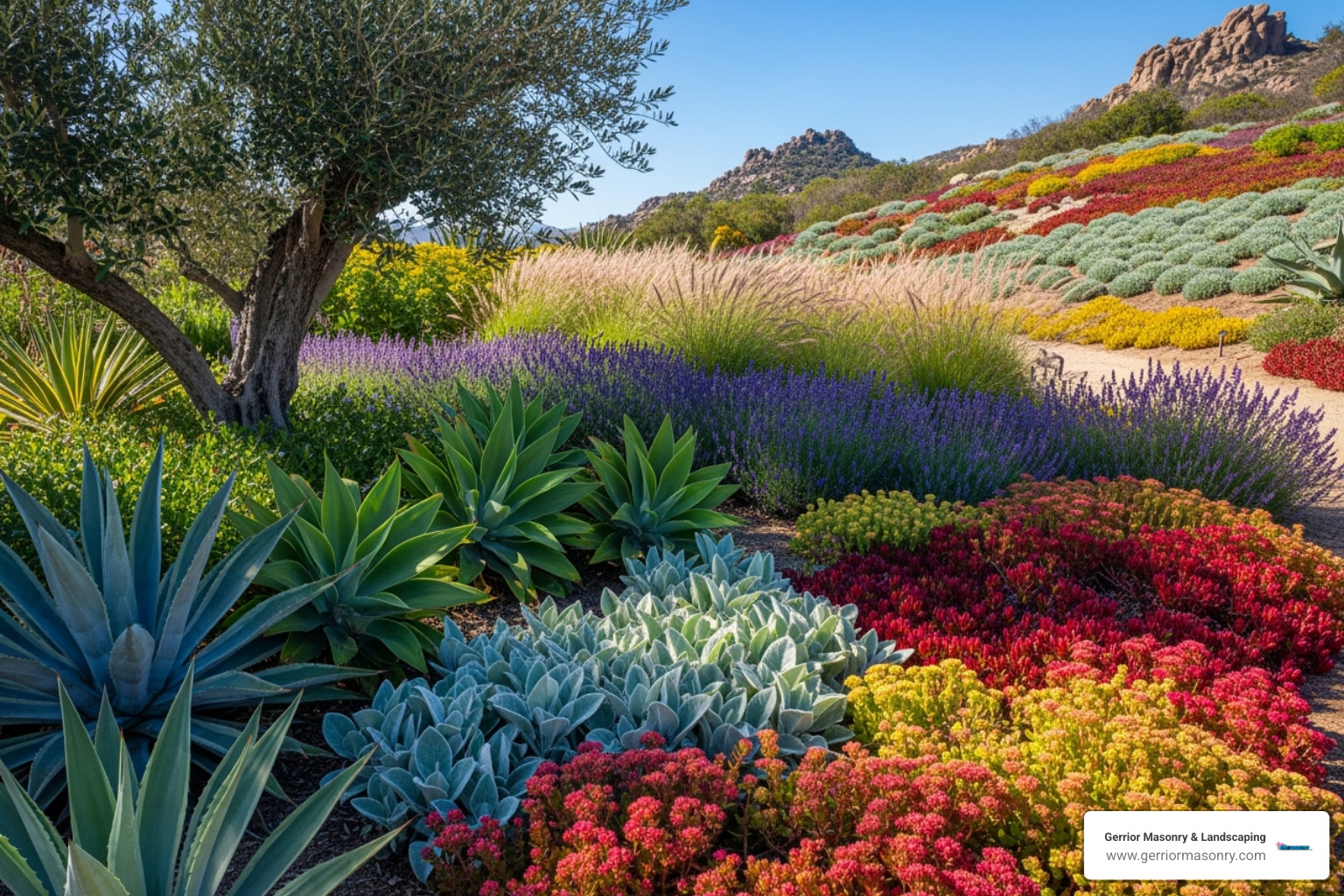
Smart plant selection is the key to a beautiful yard you can enjoy, not just maintain.
- Know Your Zone: Massachusetts is mostly USDA zones 5b-7a. Check the USDA Plant Hardiness Zone Map and choose plants rated for your specific area.
- Assess Your Site: Match plants to your yard’s specific conditions: soil type (sandy vs. clay) and sunlight (full sun, part sun, or shade).
- Go Native: Native plants are adapted to our local climate and soil, requiring less water, fertilizer, and pest control. They also support local wildlife.
- Use Perennials: These plants return every year, saving you the effort of replanting. Group plants with similar water and sun needs together.
- Mulch Generously: A 3-4 inch layer of organic mulch suppresses weeds, retains moisture, and improves soil. This is one of the best time-saving tips.
- Space for Growth: Research the mature size of plants and space them accordingly to prevent overcrowding and reduce future pruning.
- Consider Xeriscaping: This water-wise approach uses drought-tolerant plants, efficient irrigation, and mulch to create a beautiful, low-maintenance landscape.
For structural elements that define your landscape, consider professional installation of features like More info about landscape walls.
DIY vs. Pro: Making the Right Choice for Your Project
Deciding whether to tackle a project yourself or hire a professional is a key question in DIY landscape design. While DIY can save money, some projects are best left to experts with the right tools, experience, and insurance.
Here’s a quick comparison:
| Feature | DIY Landscape Design | Professional Landscape Design & Installation |
|---|---|---|
| Cost | Materials only; typically lower initial cost | Labor and materials; higher upfront cost but can add more value |
| Time | Your own time; can take weeks or months | Faster completion; a professional crew works efficiently |
| Complexity | Best for simple projects like planting beds or small walkways | Ideal for drainage, large structures, and complex hardscaping |
| Quality | Varies with skill; potential for mistakes | Professional finish, often with warranties and permits |
The main benefit of DIY is cost savings on labor. However, a professional installation often adds more to your home’s value due to its quality and durability. Consider the time investment as well—is your free time worth the money saved?
When to Call a Professional for Your Landscape Design
Some situations are clear signals to call a professional:
- Complex drainage issues: Improper grading can cause serious water damage to your home’s foundation.
- Large-scale installations: Complete backyard makeovers or large patios benefit from professional coordination and equipment.
- Structural work: Retaining walls over 4 feet high often require engineering and permits. Extensive masonry, like outdoor kitchens or intricate stone walls, also demands professional skill.
- Safety concerns: Projects involving steep slopes or proximity to utility lines are best handled by insured professionals who know local codes.
Professional landscape design costs vary widely. Based on internet data, simple consultations might run $300-$800, while full design and installation projects can range from $5,000 to $25,000 or more. These are average costs and not actual quotes for our services.
At Gerrior Masonry & Landscaping, we’ve seen homeowners successfully tackle many DIY projects, but we’ve also been called to fix expensive mistakes. Our expertise in patio design and installation ensures your outdoor space is built to last and adds real value to your home.
For a professional consultation on your hardscaping project, contact us today! Gerrior Masonry & Landscape Construction is based in Woburn, MA, and proudly serves the communities of Middlesex and Essex County, Massachusetts.
