
Drainage Around Foundation: 5 Essential Improvements

Drainage around foundation is crucial for safeguarding your home against structural issues and moisture damage. A well-maintained foundation ensures the stability of your property, preventing water from compromising its integrity. Here are three foundational solutions for enhancing drainage:
- Proper Grading: Slope your yard away from the foundation to guide water flow.
- Gutter Efficiency: Install and maintain gutters to redirect rainwater from the roof to safe discharge areas.
- Foundation Drainage Systems: Implement exterior drains with permeable covering to prevent moisture buildup.
Addressing drainage around foundation can save you from costly repairs. This step is particularly vital for homeowners in Massachusetts where heavy rains and snow can challenge home foundations.
My name is Joe Gerrior, and with over 34 years in the industry, I’ve seen how important proper drainage around foundation is for maintaining the longevity and safety of homes. I’m here to guide you through effective strategies to protect your investment.
Glossary for drainage around foundation:
– basement foundation drain
– drain on side of house
– residential drainage systems
Understanding Foundation Drainage
When it comes to protecting your home, drainage around foundation is a key player. Water is sneaky, and it can slowly damage your home if not properly managed. Let’s break down the essentials of foundation drainage so you can keep your home safe and sound.
What is Foundation Drainage?
Foundation drainage refers to systems and techniques designed to channel water away from your home’s foundation. Without it, water can accumulate and cause significant damage over time. This is especially true in areas like Massachusetts, where heavy rain and snow can wreak havoc on homes.
The Role of Exterior Foundation Drains
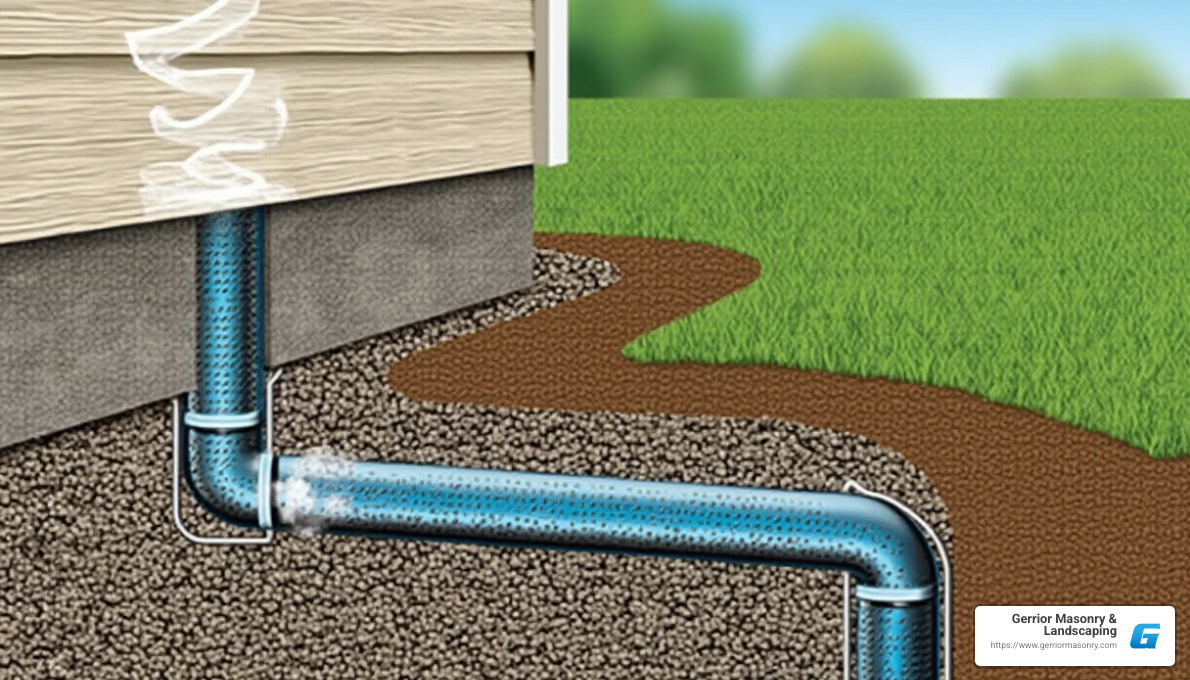
Exterior foundation drains are installed along the outer walls of your home. They act as a barrier, preventing water from seeping into the foundation. Think of them as your home’s first line of defense against water intrusion.
These drains are typically made up of perforated pipes that collect water and direct it away from the house. They are essential for reducing hydrostatic pressure, which can lead to cracks and leaks in the foundation.
Gravel and Soil Cover: A Winning Combination
To improve the effectiveness of these drains, a layer of gravel is often used. This gravel layer allows water to flow freely into the drain pipes without clogging them. On top of the gravel, a layer of soil is added to direct surface water away from the foundation.
Here’s a simple breakdown of how it works:
- Gravel: Promotes easy water flow and prevents pipe clogging.
- Soil Cover: Directs surface water away from the foundation.
This combination not only aids in water diversion but also helps prevent soil erosion around the foundation, preserving the structural integrity of your home.
By understanding and implementing these foundation drainage techniques, you’re taking proactive steps to protect your most valuable asset—your home.
Now that you know the basics of foundation drainage, let’s dive into the different types of systems you can use to keep your home dry and safe.
Types of Foundation Drainage Systems
When it comes to keeping your home dry and safe, choosing the right drainage around foundation is crucial. Let’s explore some of the most effective systems available.
French Drain
The French drain, also known as a weeping drain, is a popular choice for homeowners. It consists of a perforated pipe wrapped in landscape fabric and surrounded by gravel. This setup allows water to seep into the pipe and be directed away from the house.
Pros:
- Reduces risk of water damage by preventing flooding.
- Lasts between 30 and 40 years.
- Cost-effective and blends well with landscaping.
Cons:
- Installation can be lengthy and costly.
- May require removal of existing structures like decks or walkways.
- Not suitable for homes near water sources or utility lines.
Footing Drainage
Footing drainage is similar to the French drain but is installed at the level of the foundation’s footing. It effectively channels water away from the foundation to a sump pump, sewer, or nearby body of water.
Pros:
- Prevents water accumulation, reducing settlement risk.
- Can last up to 50 years with proper installation.
- Cost-effective solution for new foundations.
Cons:
- Installation is costly, typically done during foundation construction.
- Requires maintenance to prevent mud clogging.
- Potential for nitrate contamination in nearby water bodies.
Grading Drainage
Grading drainage involves creating a slope around your home’s perimeter to naturally direct water away from the foundation. It’s one of the simplest and most cost-effective solutions.
Pros:
- Naturally redirects water flow, preventing clogs.
- Increases usable space for gardening or landscaping.
- Inexpensive to implement.
Cons:
- Poor installation can lead to water pooling and damage.
- Over-saturation can affect garden soils.
- Standing water may become a breeding ground for mosquitoes.
Sump Pit and Pumps
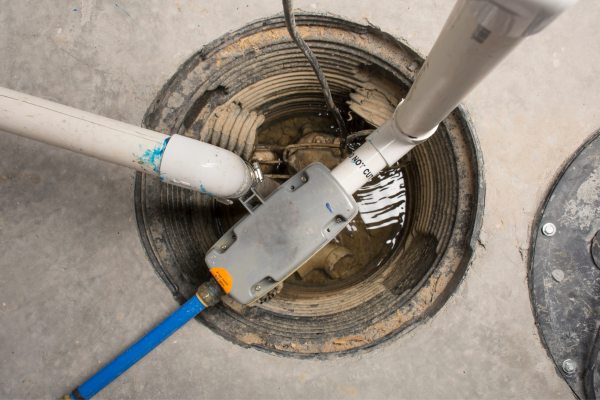
Best for areas with heavy rainfall or snowfall, a sump pit and pump system collects excess water and pumps it away from the foundation. It’s a mechanical solution that works well when slopes aren’t enough.
Pros:
- Effective in preventing basement flooding.
- Can handle large volumes of water.
- Provides a safety net for homes with crawl spaces.
Cons:
- Relies on electricity, so power outages can be an issue.
- Requires regular maintenance and checks.
- Installation can be complex and costly.
By understanding these foundation drainage systems, you can make an informed decision to protect your home from water damage. Next, we’ll explore steps to improve drainage around your foundation.
Steps to Improve Drainage Around Your Foundation
Improving drainage around your foundation is essential for maintaining the health and safety of your home. Here are some practical steps you can take:
Gutter Installation
Gutters are your first line of defense against water damage. They collect rainwater from your roof and direct it away from your home’s foundation. Make sure your gutters are properly installed and free of debris. Regular cleaning is crucial to prevent blockages that can lead to water overflow and foundation issues.
Tip: Consider installing gutter guards to minimize leaf and debris buildup.
Downspout Extension
Once the water is collected by your gutters, it needs to be channeled away from your home. Downspout extensions are a simple solution. Extend your downspouts at least 5 to 10 feet away from the foundation to ensure water is safely diverted. This helps prevent water from pooling around the base of your home.
Surface Drainage Improvement
Improving surface drainage involves reshaping the land around your home. This is also known as grading. Ensure that the ground slopes away from your foundation. A slope of 1 inch per foot for at least 6 to 10 feet is recommended. This natural drainage method helps keep water from collecting near your foundation.
Fun Fact: Did you know proper grading can also improve your garden’s usability and aesthetic appeal?
Hardscape Drainage Evaluation
Hardscapes like patios, driveways, and walkways can sometimes hinder drainage if not properly designed. Evaluate these areas to ensure they allow water to flow away from your home. If necessary, consider installing drainage channels or permeable pavers that let water pass through.
French Drains
For more serious drainage issues, a French drain might be the solution. This involves installing a perforated pipe surrounded by gravel to channel water away from your foundation. French drains are particularly effective in areas with high water tables or poor natural drainage.
Case Study: A homeowner in Arlington, MA, installed a French drain and saw a significant reduction in basement moisture issues. This system can last up to 40 years with proper maintenance.
By following these steps, you can significantly improve the drainage around your foundation and protect your home from potential water damage. Next, we’ll address some frequently asked questions about drainage solutions.
Frequently Asked Questions about Drainage Around Foundation
How to fix drainage around house foundation?
Fixing drainage around your foundation starts with a few key strategies:
- Gutter Improvement: Ensure your gutters are clean and functioning properly. Blocked gutters can cause water to overflow and seep into the foundation. Consider adding gutter guards to reduce debris buildup.
- Downspout Extension: Extend your downspouts to direct water at least 5 to 10 feet away from the house. This simple fix can prevent water from pooling at the base of your foundation.
- Surface Drainage: Properly grade the soil around your home. Aim for a slope of 1 inch per foot extending 6 to 10 feet away from the house. This helps channel water away naturally.
What is drainage around foundation called?
The term “drainage around foundation” often refers to a few specific systems:
- Footing Drainage: Installed at the foundation’s base, this system helps collect and redirect water away from the home. It’s especially effective in preventing water accumulation around the foundation.
- French Drain: A popular option, this involves a perforated pipe surrounded by gravel, directing water away from the foundation efficiently. French drains are known for their durability and effectiveness in managing water flow.
What to put around foundation for drainage?
To improve drainage, consider using the following materials:
- Coarse Gravel: Placing gravel around the foundation helps facilitate water flow and prevent soil erosion. It’s a simple yet effective way to improve drainage.
- Organic Mulch: While primarily used for landscaping, organic mulch can also help absorb excess water and prevent it from pooling around your foundation. Just ensure it doesn’t touch the foundation directly to avoid moisture buildup.
By addressing these common questions, you can take proactive steps to protect your home from water damage and improve the overall drainage around your foundation.
Conclusion
Protecting your home’s foundation is crucial. Water damage can lead to costly repairs and structural issues. That’s why focusing on drainage around your foundation is so important.
At Gerrior Masonry & Landscaping, we understand the significance of a well-maintained foundation. With over 30 years of experience, we specialize in providing custom solutions to keep your home safe and dry. Our skilled team ensures that every project receives the attention it deserves, from expert evaluations to high-quality installations.
Our approach begins with a comprehensive expert evaluation. We assess your property’s unique requirements and design a drainage system that effectively manages water flow. Whether it’s installing a French drain, improving surface grading, or extending downspouts, we ensure that each solution is both effective and sustainable.
Why trust Gerrior Masonry & Landscaping? Our commitment to excellence and owner oversight guarantees that every project meets the highest standards. We prioritize your home’s safety and longevity, making sure that our drainage solutions not only protect but also improve your property’s value.
Take the first step towards safeguarding your home. Contact Gerrior Masonry & Landscaping for a consultation and let us help you achieve peace of mind with a solid foundation and effective drainage system.
