
Drainage Around House Foundation: 5 Essential Solutions
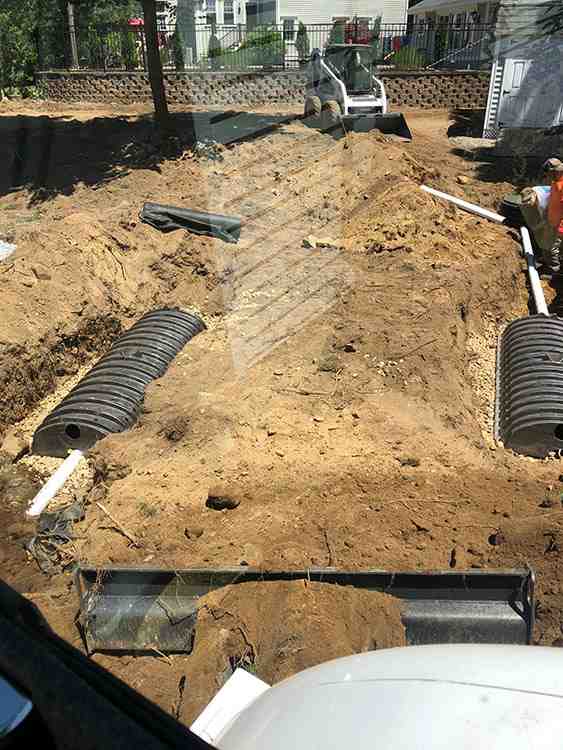
Drainage around house foundation is crucial in protecting your home from the damaging effects of excess moisture. Ensuring proper drainage is vital for safeguarding the structural integrity of your home and maintaining a safe and stable living environment. Here are the key reasons why drainage is essential:
- Preserves Foundation Integrity: Proper drainage prevents water from accumulating around the foundation, reducing the risk of cracks, bowing walls, and other structural issues.
- Minimizes Moisture Damage: Reducing moisture infiltration protects against mold and mildew growth, dampness, and pest infestations, which can lead to costly repairs.
- Improves Home Safety: By diverting water away, effective drainage systems lower the chances of foundation settlement and potential safety hazards.
I’m Joe Gerrior, and with over 34 years of experience in masonry and landscaping, I specialize in helping homeowners protect their investments. At Gerrior Masonry & Landscape Construction, we’ve seen the importance of proper drainage around house foundation to keep homes safe and resilient.
Drainage around house foundation vocab to learn:
– drainage system around the house
– drain on side of house
Understanding Foundation Drainage
Foundation drainage is the unsung hero of home maintenance. It ensures that water is kept away from your home’s foundation, protecting it from damage and prolonging its life. Let’s break down how it works and why it’s essential.
What is Foundation Drainage?
Foundation drainage refers to the systems and methods used to divert water away from the foundation of a home. This prevents water from pooling around the base, which can lead to serious issues like cracks, mold, and even foundation failure.
A common method involves exterior foundation drains. These are typically installed around the perimeter of a foundation. They work by collecting water in perforated pipes that are buried underground. The pipes are wrapped in a mesh-like fabric that keeps soil out while allowing water to flow through.
The Role of Gravel and Soil Backfill
Gravel and soil backfill play a crucial role in foundation drainage. Gravel is often used around the pipes because it allows water to flow freely while preventing soil from clogging the drainage system. The gravel acts as a filter, ensuring only water reaches the drain pipes.
Once the piping and gravel are in place, soil backfill is added. This soil helps to direct water away from the foundation surface. It’s essential to use the right type of soil and to compact it properly to avoid settling, which can create low spots where water might pool.
Exterior Foundation Drain
The exterior foundation drain is a key component of a well-functioning drainage system. It operates by collecting surface water and groundwater before it can reach the foundation walls. This system is often hidden beneath a layer of gravel and soil for aesthetic and functional purposes.
By installing a reliable exterior foundation drain, you significantly reduce the risk of water-related foundation issues. This system is especially important in areas prone to heavy rainfall or where the soil has poor drainage capabilities.
Why It Matters
Without proper drainage, water can seep into the foundation, causing a host of problems. Not only does it threaten the structural integrity of your home, but it also encourages mold growth and pest infestations, which can be both dangerous and expensive to fix.
By investing in a good foundation drainage system, you’re taking a proactive step to protect your home. It’s like giving your house a raincoat, shielding it from the elements and ensuring it stays dry and strong for years to come.
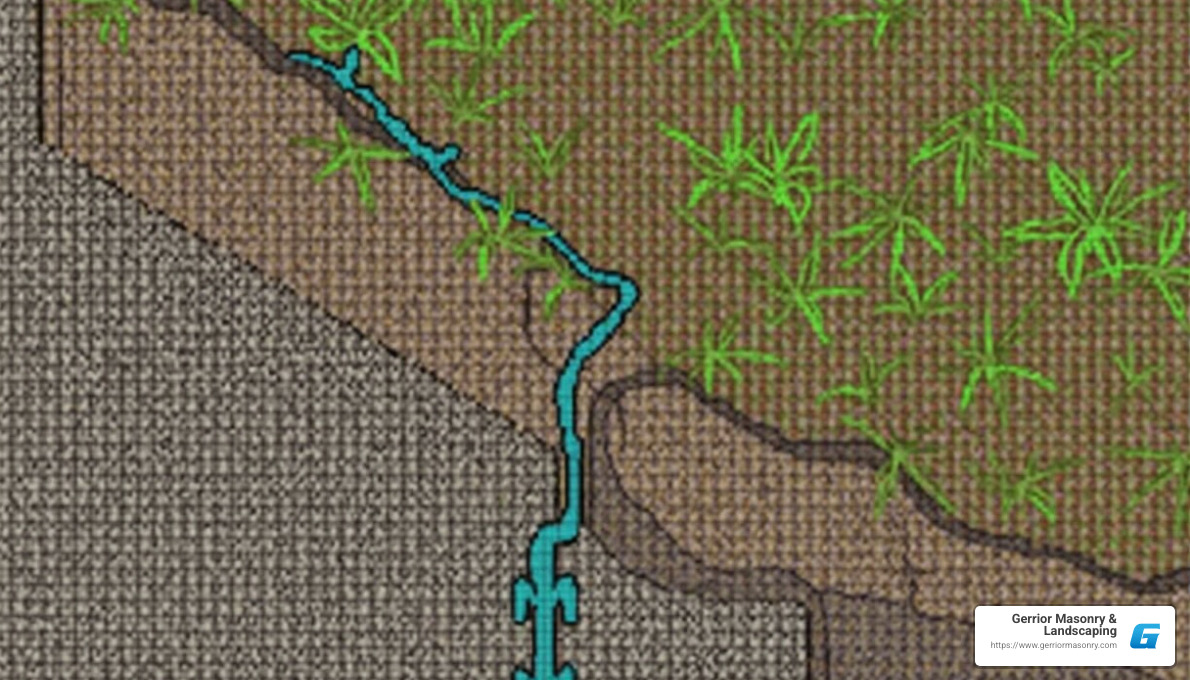
In summary, understanding and implementing effective drainage around house foundation is crucial. It involves a combination of exterior foundation drains, gravel, and soil backfill to keep water at bay and protect your home’s foundation from damage.
Types of Foundation Drainage Systems
When it comes to protecting your home from water damage, choosing the right drainage around house foundation is essential. Let’s explore some of the most effective systems available: French drain, footing drainage, grading drainage, and sump pit and pumps.
French Drain
A French drain is a popular choice for many homeowners. This system uses perforated pipes wrapped in landscape fabric, surrounded by gravel, to collect and redirect water away from the foundation. The gravel allows water to flow freely into the pipes, which then transport it to a safe discharge area, like a sewer or a distant location.
Pros:
– Longevity: French drains can last 30 to 40 years.
– Cost-Effective: They offer a good balance between cost and performance.
– Aesthetics: They can be installed discreetly, maintaining the look of your landscape.
Cons:
– Installation Complexity: The process can be lengthy and may require removing existing structures.
– Not Suitable Everywhere: Homes close to water sources or utility lines might face challenges.
Footing Drainage
Footing drainage is similar to a French drain but is installed at the foundation’s footing level. This system is highly effective in preventing water from accumulating around the base of your home, which can lead to structural settlement.
Pros:
– Durability: Can last up to 50 years if properly installed.
– Efficiency: Helps prevent foundation settlement by keeping water away.
Cons:
– Installation Cost: Typically installed during construction, making retrofits costly.
– Maintenance Needs: May require regular cleaning to prevent clogs.
Grading Drainage
Grading drainage involves shaping the land around your home to direct water away naturally. It is often the first line of defense against water pooling around your foundation.
Pros:
– Cost: Generally the least expensive option.
– Natural Solution: Uses the landscape to redirect water without mechanical systems.
Cons:
– Potential for Over-saturation: Can lead to soggy soils if not properly managed.
– Installation Precision: Poor grading can lead to water pooling and foundation damage.
Sump Pit and Pumps
This system is ideal for areas with heavy rainfall or snowmelt. A sump pit collects water, which is then pumped away from the foundation using a mechanical pump.
Pros:
– Effectiveness: Capable of handling large volumes of water.
– Reliability: Provides a robust solution for flood-prone areas.
Cons:
– Dependence on Power: Requires electricity to operate, though battery backups are available.
– Maintenance: Regular checks are needed to ensure the system is functioning properly.
Each of these systems offers unique benefits and challenges. The best choice depends on your home’s specific needs and environmental conditions. By understanding these options, you can make an informed decision to protect your home from water damage.
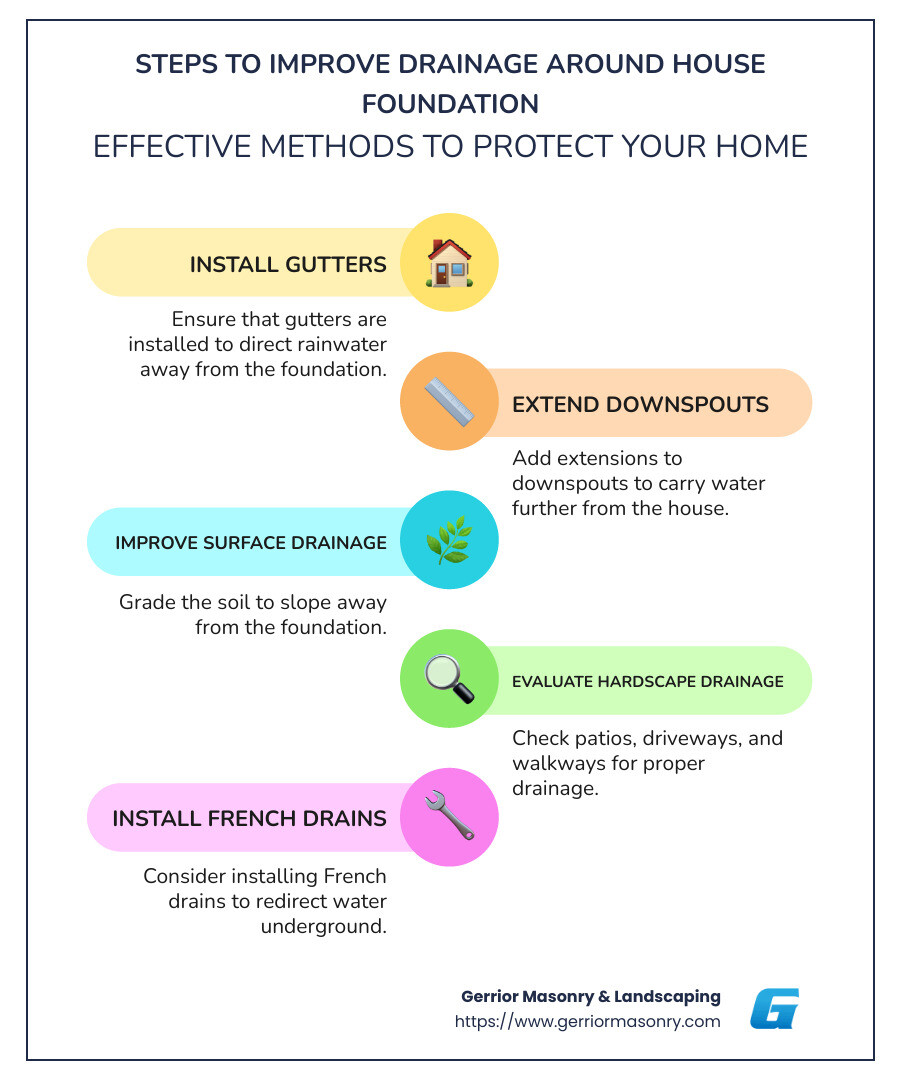
Steps to Improve Drainage Around House Foundation
Ensuring proper drainage around house foundation is crucial to safeguarding your home from potential water damage. Here are some effective steps you can take:
Gutter Installation
Gutters are your home’s first line of defense against water damage. Properly installed gutters collect rainwater from your roof and channel it away from the foundation.
- Choose Quality Materials: Opt for durable materials like aluminum or galvanized steel.
- Regular Maintenance: Keep gutters clean to prevent clogs that could lead to overflow and foundation issues.
- Consider Gutter Guards: These can reduce debris accumulation, making maintenance easier.
Downspout Extension
Once the water is in the gutters, downspouts carry it to the ground. Extending downspouts is a simple yet effective way to ensure water is directed well away from your foundation.
- Optimal Length: Downspouts should extend at least 4 to 6 feet from the foundation.
- Flexible Extensions: Consider using flexible or accordion-style extensions for easy installation and adjustment.
- Direct to Safe Zones: Ensure the water is directed to areas where it can safely dissipate, like a drainage ditch or a rain garden.
Surface Drainage Improvement
Improving surface drainage involves reshaping the landscape around your home to naturally direct water away.
- Grading: Ensure the ground slopes away from the foundation. A slope of 1 inch per foot for at least 6 feet is ideal.
- Plant Strategically: Use vegetation to absorb excess water and prevent erosion.
- Avoid Hardscapes: Limit the use of impermeable surfaces like concrete that can contribute to pooling.
Hardscape Drainage Evaluation
Hardscape elements like patios and driveways can impact drainage. Evaluate and modify these surfaces to improve water flow.
- Check Slopes: Ensure that patios and driveways slope away from the house.
- Permeable Pavers: Consider using permeable materials that allow water to seep through rather than run off.
- Regular Inspection: Periodically check for signs of water pooling or erosion and address issues promptly.
French Drains
For homes with persistent water issues, installing a French drain can be a game-changer.
- Installation: This involves placing a perforated pipe in a gravel-filled trench to collect and redirect water.
- Professional Help: Due to the complexity, it’s often best to have a professional install a French drain.
- Maintenance: Regularly inspect for clogs and ensure the system is functioning correctly to maintain its effectiveness.
Implementing these steps can significantly improve drainage around house foundation, protecting it from water damage. With these measures in place, you can enjoy peace of mind knowing your home’s foundation is secure.
Frequently Asked Questions about Drainage Around House Foundation
How to fix drainage around house foundation?
Fixing drainage around house foundation is essential to prevent water damage. Here are some practical solutions:
- Gutter Improvement: Ensure gutters are free from debris. Regular cleaning helps maintain proper water flow and prevents overflow. Consider adding gutter guards to minimize buildup.
- Downspout Extension: Extend downspouts to direct water at least 4 to 6 feet away from the foundation. This simple step can drastically reduce the risk of water pooling near your home.
- Surface Drainage: Adjust the grading around your house so that the ground slopes away from the foundation. A slope of 1 inch per foot for at least 6 feet is recommended to guide water away naturally.
What is the proper drainage around a house?
Proper drainage around a house involves several key components:
- Gutter Cleaning: Regularly clean gutters to ensure they effectively channel rainwater away from the roof and foundation. This prevents overflow and potential damage.
- Rain Garden: Install a rain garden in low-lying areas to absorb excess water and reduce runoff. This eco-friendly solution also improves your landscape’s beauty.
- French Drain Installation: A French drain is a highly effective system for managing water flow. It involves a perforated pipe in a gravel-filled trench that redirects water away from the foundation.
What to put around foundation for drainage?
To improve drainage around house foundation, consider the following materials:
- Coarse Gravel: Use coarse gravel around the foundation to promote water flow and reduce soil erosion. Gravel allows water to filter through while keeping the soil in place.
- Organic Mulch: Apply organic mulch around the foundation to help retain soil moisture and prevent erosion. Mulch also aids in controlling temperature fluctuations around the foundation.
By addressing these aspects, you can ensure robust drainage around house foundation, protecting your home from potential water-related issues.
Conclusion
Protecting your home’s foundation is critical to maintaining its structural integrity and longevity. A well-designed drainage system is not just a luxury but a necessity for every homeowner. Ensuring effective drainage around house foundation can prevent costly water damage, reduce soil erosion, and minimize the risk of foundation settlement.
Benefits of a Robust Drainage System
Investing in a comprehensive drainage solution offers numerous benefits:
- Prevents Water Accumulation: Proper drainage systems, like French drains or sump pumps, efficiently manage water flow, preventing it from pooling around your foundation. This helps in reducing the risk of leaks and structural damage.
- Reduces Soil Erosion: By directing water away from the foundation, you minimize soil erosion, which can compromise the stability of your home.
- Protects Against Mold and Mildew: Effective drainage reduces moisture levels around your home, lowering the chances of mold and mildew growth. This not only protects the foundation but also improves indoor air quality.
- Increases Property Value: A well-maintained drainage system improves your property’s value by safeguarding it against potential water damage and ensuring a solid foundation.
Why Choose Gerrior Masonry & Landscaping?
At Gerrior Masonry & Landscaping, we understand the importance of a reliable drainage system. With over 30 years of experience, our skilled team is committed to delivering high-quality results that protect your home and improve its value. Whether you’re in Woburn or any of our other service locations, our personalized approach ensures that every project meets your unique needs.
Contact us today to learn more about how we can help you achieve a stronger foundation through expert drainage solutions.
