
Hardscaping Meaning: 5 Key Benefits You’ll Love in 2025
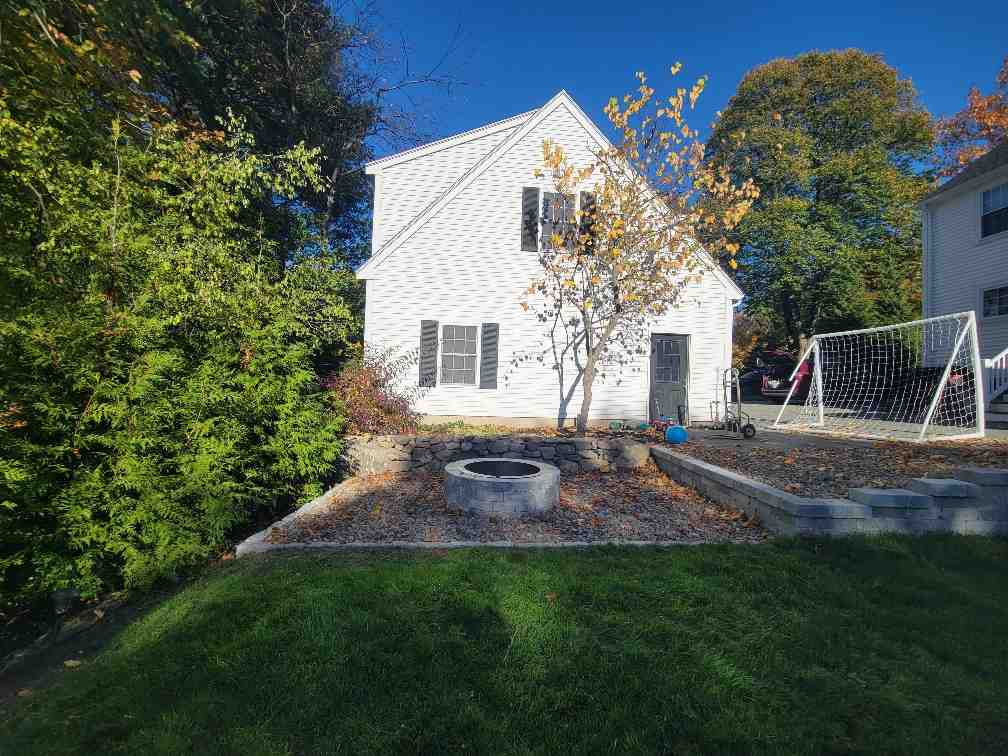
Hardscaping meaning is central to creating the outdoor space of your dreams. Conjuring images of bricks, stones, and patios, hardscaping refers to the non-living elements that define and shape your yard’s structure. It contrasts with landscaping, which focuses on the living aspects like grass, trees, and flowers. Together, these elements form a harmonious balance, bringing both function and beauty to your outdoor areas.
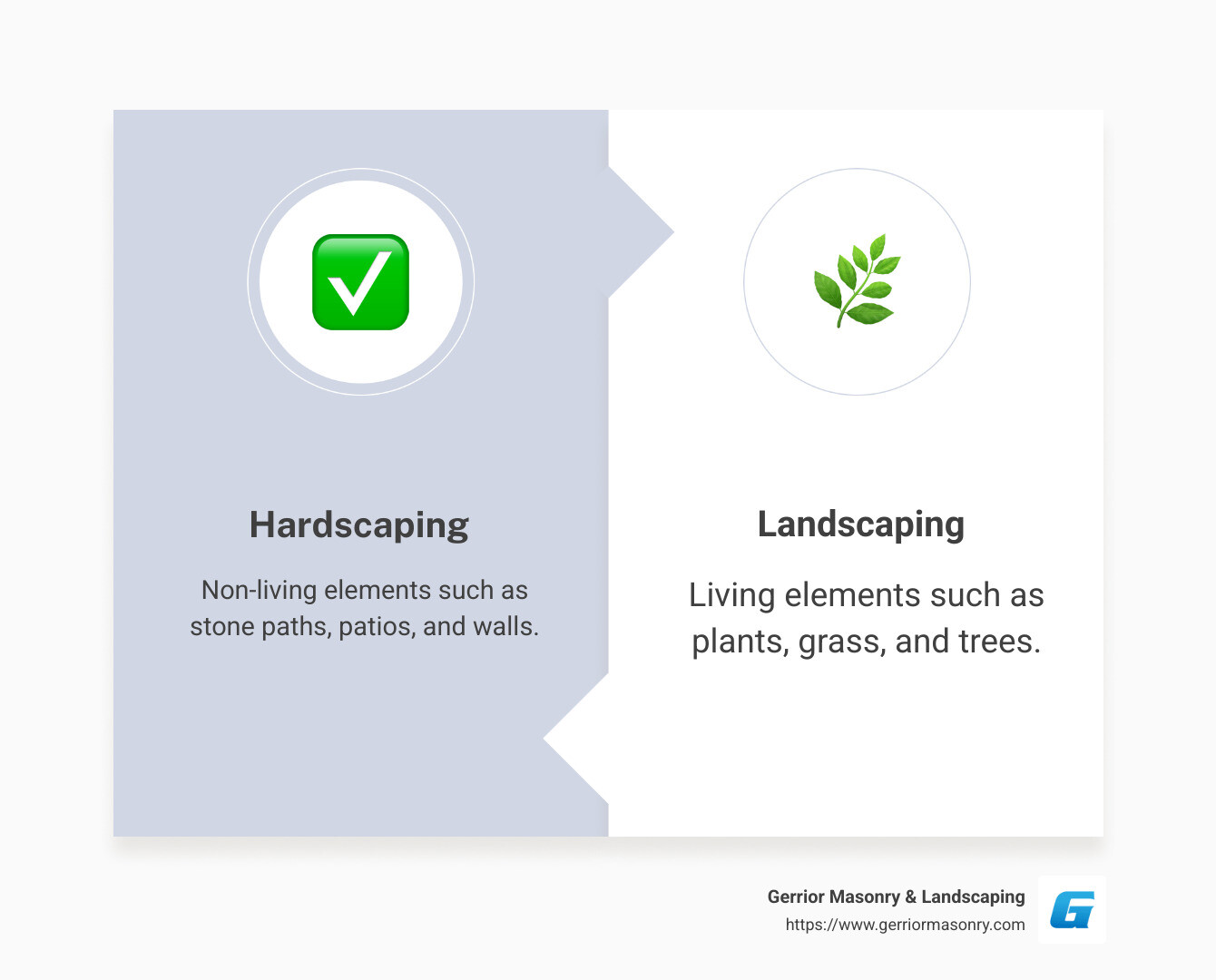
- Hardscaping: Non-living elements such as stone paths, patios, and walls.
- Landscaping: Living elements such as plants, grass, and trees.
Both hardscaping and landscaping play unique roles in crafting a complete and inviting outdoor space perfect for relaxation or entertaining. Understanding these differences helps you explore designs that seamlessly integrate both aspects to fit your lifestyle and needs.
I’m Joe Gerrior, owner of Gerrior Masonry & Landscaping, where we’ve been dedicating ourselves to creating visually stunning, functional outdoor spaces across Massachusetts for over 34 years. My expertise ensures that we effectively improve the aesthetics and functionality of your property by blending hardscaping meaning into our every project.
Learn more about hardscaping meaning:
– hardscape and landscape
– hardscape construction service
– hardscapes landscaping
Hardscaping Meaning and Its Importance
When it comes to changing your outdoor space, hardscaping is an essential concept to grasp. At its core, hardscaping involves the non-living elements that provide structure and definition to your yard. These elements include features like patios, pathways, and retaining walls, which are crafted from materials such as concrete, stone, and wood.
Structure and Aesthetics
Hardscaping plays a vital role in shaping the overall look and feel of your outdoor area. By incorporating elements like stone pathways or brick patios, you create a structured environment that improves the visual appeal of your space. These features offer a clean, organized look that complements the natural beauty of the surrounding landscape.
Moreover, hardscaping elements like pergolas or fire pits can serve as focal points, drawing attention and providing a gathering space for family and friends. The right hardscaping design can lift your yard from ordinary to extraordinary, adding both charm and character.
Functionality
Beyond aesthetics, hardscaping is crucial for functionality. Features like retaining walls help manage soil erosion and create level areas on sloped terrain, making your yard more usable. Similarly, pathways and walkways offer practical routes through your garden, reducing wear on grass and plants.
Hardscaping also improves outdoor living. By adding elements like a patio or outdoor kitchen, you extend your living space beyond the walls of your home. This not only increases the usability of your outdoor area but also encourages more time spent outside.
In summary, hardscaping meaning goes beyond mere decoration. It involves creating a balanced mix of beauty and utility, ensuring your outdoor space is not only pleasing to the eye but also serves a practical purpose. This integration of non-living elements into your landscape design is what makes hardscaping indispensable in crafting a well-rounded and inviting outdoor environment.
Key Elements of Hardscaping
Hardscaping brings together various non-living elements to improve both the aesthetics and functionality of your outdoor space. Let’s explore some of the key elements that can transform your yard into a stunning and practical oasis.
Patios
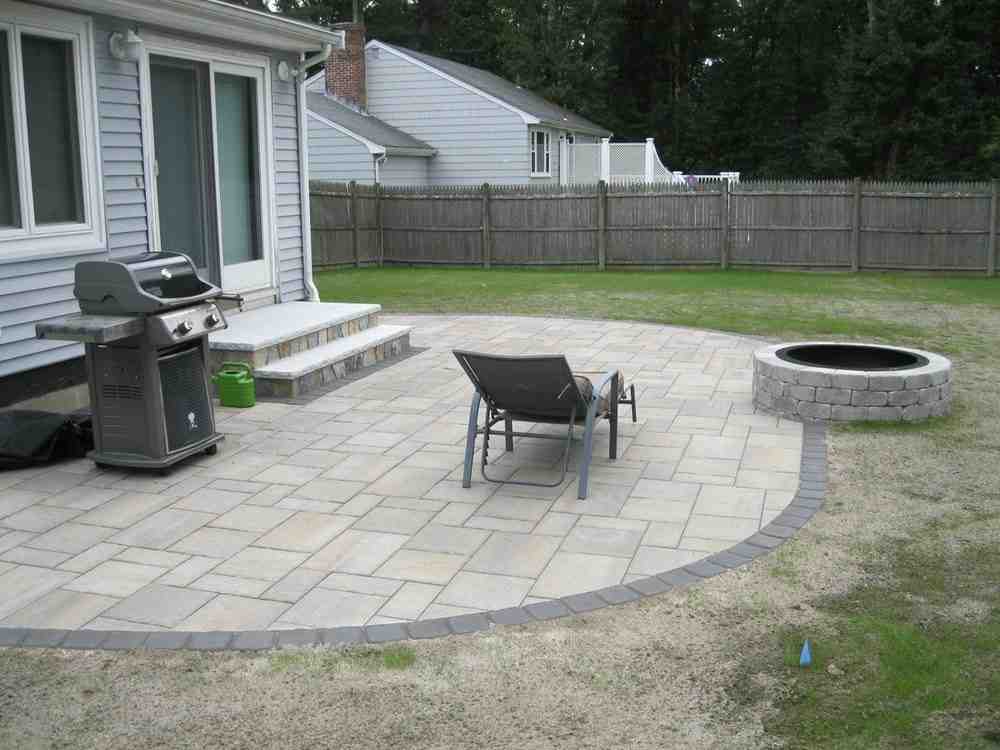
Patios are a cornerstone of hardscaping. They create additional outdoor living areas perfect for relaxing, entertaining, or dining. Materials like brick, concrete, and flagstone are popular choices due to their durability and classic appeal. Patios offer a low-maintenance solution compared to wooden decks and can be customized with features like built-in seating or a fire pit for added warmth and ambiance.
Walkways
Walkways provide structure and flow to your landscape, guiding visitors through your garden while protecting grass and plants from foot traffic. Materials such as gravel, flagstone, and natural stone can be mixed and matched to create unique designs. Walkways not only improve the visual appeal of your yard but also improve accessibility and safety.
Retaining Walls
Retaining walls serve a dual purpose. They prevent soil erosion and manage slopes, creating level surfaces in your yard. Constructed from materials like concrete blocks, natural stone, or bricks, retaining walls add depth and dimension to your landscape. They can also be used to create terraced garden beds, adding both beauty and functionality to your outdoor space.
Water Features
Incorporating water features such as fountains or ponds can turn a simple yard into a serene oasis. Water features add a soothing element with the sound of flowing water and can create a microclimate that cools your property. Options range from simple birdbaths to elaborate waterfalls, each enhancing the tranquility and aesthetic appeal of your landscape.
Fire Pits
A fire pit is a popular hardscaping feature that provides warmth and a focal point for gatherings. Whether built-in or portable, fire pits extend the usability of your outdoor space into the cooler months. They can be crafted from a variety of materials, including stone and metal, and are perfect for roasting marshmallows or enjoying a cozy evening under the stars.
Pergolas
Pergolas are neat structures that offer shade and define outdoor spaces. They can be adorned with climbing plants for a natural look or left open for a more contemporary feel. Pergolas create inviting areas for relaxation and can be combined with other elements like patios or decks to improve your outdoor living experience.
Each of these hardscaping elements plays a crucial role in defining your outdoor space, providing both beauty and practicality. By thoughtfully integrating these features, you can create a landscape that is not only visually appealing but also improves the way you use and enjoy your yard.
Benefits of Hardscaping
Hardscaping is more than just adding beauty to your yard. It brings several practical benefits that can transform how you use and enjoy your outdoor space. Let’s explore how hardscaping can improve efficiency, drainage, privacy, and outdoor living space.
Efficiency
Hardscaping elements like patios and walkways are low-maintenance compared to traditional landscaping. Unlike grass, which needs regular mowing and watering, hardscape materials like concrete and stone are durable and require minimal upkeep. This saves you time and effort, allowing you to enjoy your outdoor space without the hassle of constant maintenance.
Drainage
Properly designed hardscaping can significantly improve drainage on your property. Retaining walls, for example, help manage slopes and prevent soil erosion, protecting your home’s foundation from water damage. By directing water away from your house, hardscaping reduces the risk of flooding and keeps your yard looking great even after heavy rain.
Privacy
Hardscaping can also improve privacy in your outdoor space. Features like fences and strategically placed retaining walls create natural barriers that shield your yard from prying eyes. This allows you to enjoy your outdoor activities with a sense of seclusion and peace. You can choose from a variety of materials, such as wood or bamboo, to match your aesthetic preferences while providing the privacy you desire.
Outdoor Living Space
By incorporating hardscaping elements, you can transform your yard into an extension of your home. Patios and decks offer additional living areas perfect for entertaining guests, dining, or simply relaxing. Fire pits and pergolas add warmth and style, making your outdoor space inviting year-round. With hardscaping, your backyard becomes a versatile area for leisure and social gatherings.
Incorporating these benefits into your landscape design not only improves your property’s functionality but also increases its value. Whether you’re looking to create a peaceful retreat or a lively entertainment area, hardscaping provides the foundation for a beautiful and practical outdoor space.
Tips for Effective Hardscaping Design
Creating a stunning outdoor space with hardscaping involves more than just choosing the right materials. Here are some tips to ensure your design is both beautiful and functional:
Matching Materials
A cohesive look is key to a well-designed hardscape. Match your hardscaping materials with the exterior of your home for a seamless transition between indoor and outdoor spaces. For instance, if your house features stone accents, consider using similar stone in your walkways or patios. This creates a harmonious flow and improves the overall aesthetic appeal.
Focal Points
Every great design has a focal point. In hardscaping, this could be a striking fire pit, an neat fountain, or a unique sculpture. Your focal point should draw the eye and create interest, but remember to balance it with areas where the eyes can rest. Use softer landscaping elements like plants or shrubs to complement and highlight your hardscape centerpiece.
Curves and Creativity
Too many straight lines can make your outdoor space feel rigid and unnatural. Incorporate curves and rounded edges in your design for a more organic look. Curved walkways or circular patios can add a touch of creativity and break the monotony, making your yard feel more inviting and dynamic.
Drainage Considerations
Proper drainage is crucial in hardscaping to avoid water-related problems. Plan your design to ensure water flows away from your home and doesn’t pool in unwanted areas. Use features like retaining walls and strategically placed stone steps to manage water runoff effectively. Consider areas prone to standing water and design your hardscape to alleviate these issues, ensuring a dry and enjoyable outdoor space.
By following these tips, you can create a hardscape that not only improves the beauty of your yard but also stands the test of time. Thoughtful planning and design can transform your outdoor space into a functional and inviting retreat.
Frequently Asked Questions about Hardscaping
What is an example of a hardscape?
Hardscape elements are the non-living components of your outdoor space. Common examples include patios, walkways, retaining walls, and pergolas. A patio, for instance, provides a solid surface for outdoor furniture and gatherings, while a retaining wall can help manage sloped terrain and prevent erosion. These structures add both function and form to your landscape, creating spaces for relaxation and entertainment.
What’s the difference between landscaping and hardscaping?
The key difference lies in the materials used. Landscaping refers to the living parts of your yard, like grass, plants, and trees—often called softscape. On the other hand, hardscaping involves the use of materials like stone, wood, and concrete to build structures and pathways. While softscape adds life and color, hardscape provides structure and definition. Together, they create a balanced and cohesive outdoor environment.
What does hardscape mean in construction?
In construction, hardscape refers to the design and installation of man-made features in a landscape. This includes the use of durable materials like pavers, bricks, and stones to create functional outdoor spaces. The design aspect involves planning how these elements fit together to improve the outdoor area’s aesthetics and usability. Whether it’s a pathway guiding guests through a garden or a stone patio for outdoor dining, hardscaping is about creating purposeful spaces that blend seamlessly with the natural environment.
Conclusion
At Gerrior Masonry & Landscaping, we understand the value that well-executed hardscaping brings to your home. Not only does it improve the aesthetic appeal, but it also significantly boosts your property’s curb appeal. A beautifully designed patio or a strategically placed retaining wall can make your home stand out in the neighborhood, attracting potential buyers and increasing market value.
Maintenance is key to preserving the beauty and functionality of your hardscape. Unlike traditional landscaping, hardscaping requires less upkeep, but regular care is still essential. Simple actions like sealing surfaces, controlling weeds, and ensuring proper drainage can extend the life of your hardscape elements. By investing a little time into maintenance, you can enjoy a stunning outdoor space for years to come.
If you’re ready to transform your outdoor area with professional hardscaping, we invite you to explore our services. With over 30 years of experience, our team at Gerrior Masonry & Landscaping is dedicated to delivering high-quality results custom to your vision. Contact us today to discuss your project and find how our expertise can lift your home’s exterior.
