
Patio Installers: Top Guide to Reliable Experts 2025
When it comes to enhancing your outdoor space, finding reliable Patio Installers is crucial for ensuring beautiful and durable results. These experts have the skills and experience to transform your backyard into a relaxing sanctuary. But how do you choose the right installer for your needs?
Here are some quick tips:
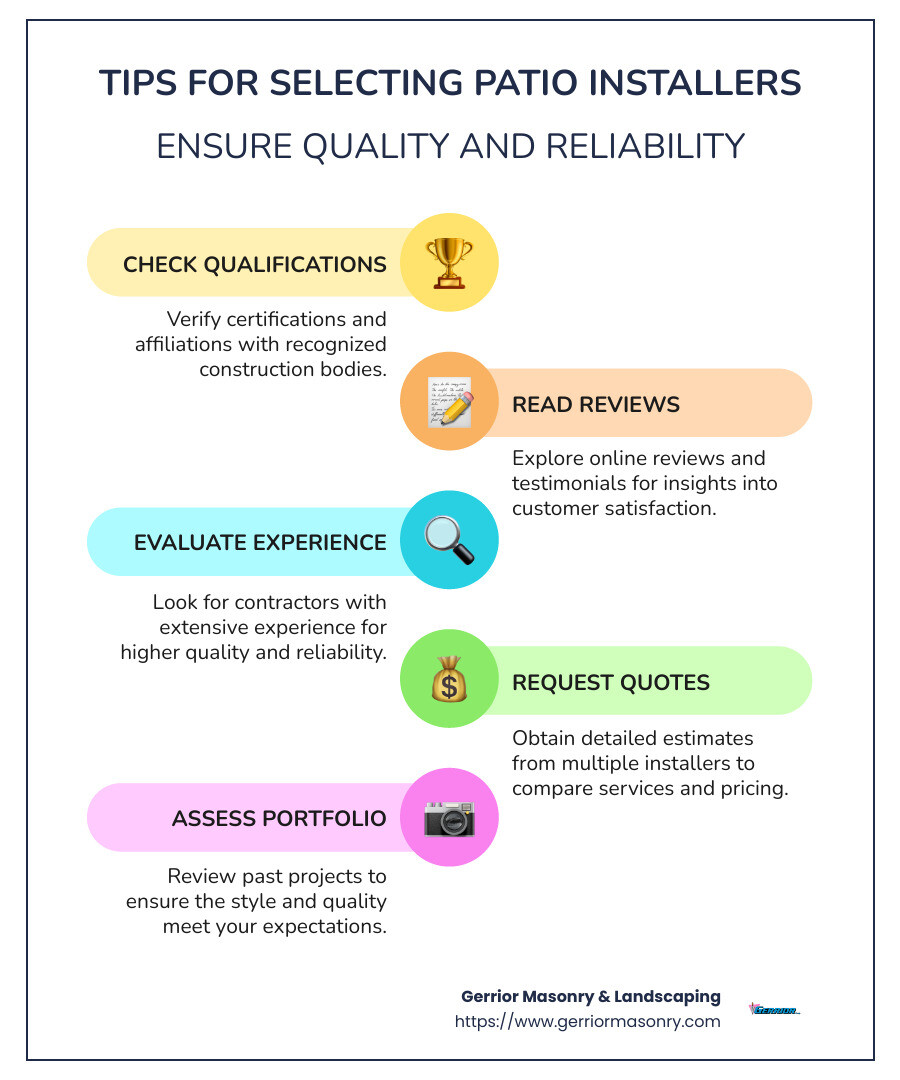
- Check Qualifications: Look for certifications and affiliations with recognized construction bodies.
- Read Reviews: Online reviews and testimonials can provide insights into customer satisfaction.
- Evaluate Experience: Contractors with years of work often offer higher quality and reliability.
- Request Quotes: Get detailed estimates from multiple installers to compare services and pricing.
Choosing the right Patio Installers ensures a seamless installation process and a patio that meets both aesthetic desires and functional needs. Make sure you don’t rush the decision and take time to evaluate all options.
I’m Joe Gerrior, bringing over 34 years of expertise in the landscaping and masonry field. My company’s dedication to high-quality craftsmanship and personalized service makes us your trusted partner for exceptional patio installations.
Understanding Patio Installation Costs
Average Costs
When planning a patio project, understanding the costs involved is essential. The price of patio installation can vary widely based on several factors, including materials, design complexity, and labor. Let’s break it down.
Average Pricing: According to internet data, the cost for installing a patio ranges from $1,000 to $35,000. This wide range reflects the variety of options available, from simple concrete slabs to intricate natural stone designs.
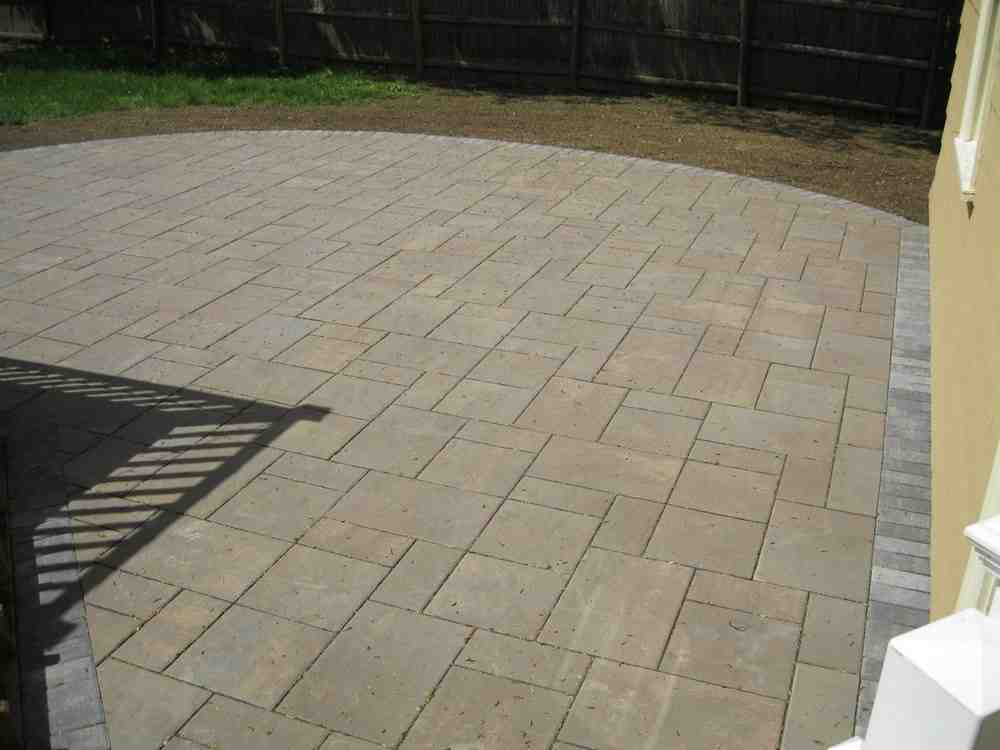
- Stamped Concrete: This popular choice offers the look of natural stone or brick at a lower cost. Prices generally start at around $8 per square foot, but can go higher depending on the complexity of the design and the region.
- Natural Stone: Known for its beauty and durability, natural stone patios can be more expensive. Costs can range from $15 to $50 per square foot, making it a premium option for those who prioritize aesthetics.
Factors Influencing Costs:
- Materials: The type of material you choose significantly impacts the cost. Concrete is generally less expensive than stone.
- Size and Complexity: Larger patios with complex designs require more materials and labor, increasing the cost.
- Site Preparation: Costs for excavation, leveling, and drainage solutions can add to the overall budget.
- Additional Features: Elements like lighting, seating walls, or fire pits will increase the overall expense.
When budgeting for your patio, remember to account for potential unexpected expenses. It’s wise to reserve a portion of your budget for any unforeseen costs that may arise during the project.
By understanding these cost factors, you can plan more effectively and ensure your patio installation stays within budget while meeting your design and functional needs.
Next, we’ll explore the key considerations when choosing Patio Installers to ensure you get the best value for your investment.
Key Considerations When Choosing Patio Installers
Evaluating Experience and Expertise
When it comes to selecting Patio Installers, experience and expertise should be at the top of your checklist. A skilled team can transform your outdoor space into a beautiful, functional area that improves your home’s value and your lifestyle.
Why Experience Matters:
- Quality Craftsmanship: Experienced installers understand the nuances of different materials and techniques. Whether it’s stamped concrete or natural stone, they know how to achieve high-quality results that stand the test of time.
- Problem Solving: With years of experience, seasoned contractors can anticipate potential issues and address them proactively. This means fewer surprises and a smoother installation process.
How to Evaluate Experience:
- Check Reviews and Testimonials: Look for feedback from previous clients. Positive reviews often highlight the contractor’s reliability, quality of work, and professionalism.
- Ask for Portfolios: A reputable contractor will gladly showcase their past projects. This gives you a sense of their style, expertise, and the variety of projects they’ve handled.
- Inquire About Specializations: Some contractors may specialize in specific materials or designs. Ensure they have experience with the type of patio you envision.
Choosing Local Pros:
- Familiarity with Local Regulations: Local contractors are well-versed in regional building codes and regulations, ensuring your project complies with all necessary standards.
- Community Reputation: Local pros often rely on word-of-mouth and community reputation. This can be a strong indicator of their reliability and commitment to quality.
- Accessibility: Hiring a local team means they’re nearby if you need follow-up services or maintenance.
Red Flags to Watch For:
- Lack of Reviews or References: If a contractor can’t provide reviews or references, this could be a warning sign.
- Unclear Pricing: Be wary of contractors who don’t provide clear, detailed estimates. Transparency in pricing is crucial to avoid unexpected costs.
By focusing on these key considerations, you can select Patio Installers who will deliver exceptional results, ensuring your investment is well spent.
Next, we’ll dig into the benefits of different patio materials to help you make informed choices for your project.
The Benefits of Different Patio Materials
Stamped Concrete vs. Natural Stone
Choosing the right material for your patio is crucial. It affects not just the look of your outdoor space, but also its cost, durability, and maintenance needs. Two popular options are stamped concrete and natural stone. Let’s explore how they compare.
Affordability
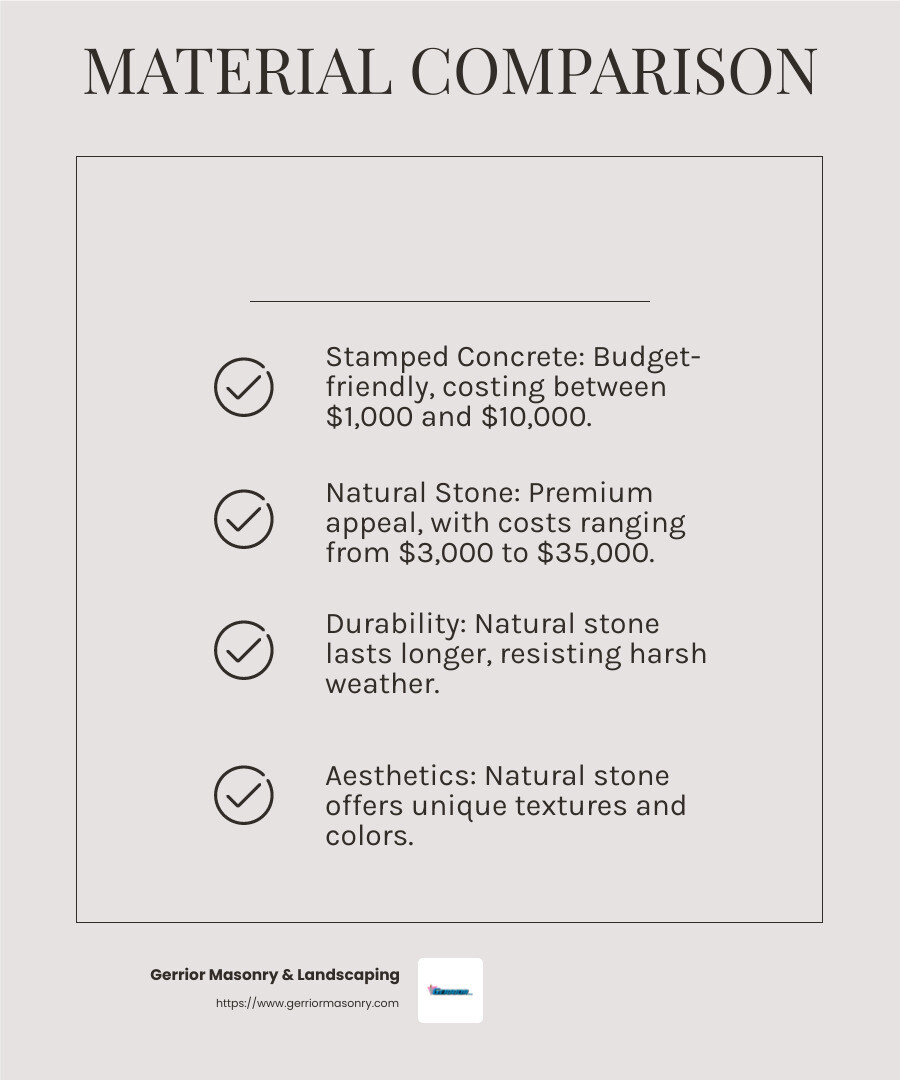
- Stamped Concrete: This is often the more budget-friendly choice. The average cost ranges from $1,000 to $10,000, depending on the size and design complexity. It mimics the look of more expensive materials like brick or stone but at a fraction of the cost.
- Natural Stone: Known for its luxury appeal, natural stone can be pricier. Costs can range from $3,000 to $35,000, making it a significant investment. However, the unique beauty and character it brings to a patio can justify the expense for many homeowners.
Durability
- Stamped Concrete: While durable, it can develop cracks over time, especially if not properly installed or maintained. Regular sealing helps protect it from weather damage and extends its lifespan.
- Natural Stone: Highly durable and resistant to wear, natural stone can last a lifetime. It withstands harsh weather conditions and heavy foot traffic, making it an excellent choice for long-term use.
Aesthetics
- Stamped Concrete: Offers a wide range of design options and colors, allowing homeowners to customize their patio to match their home’s style. It can imitate various textures and patterns, providing versatility in design.
- Natural Stone: Each stone is unique, offering a natural and timeless beauty that stamped concrete can’t fully replicate. Its rich textures and colors add a luxurious feel to any outdoor space.
Decision Factors
When deciding between these materials, consider your budget, desired aesthetics, and how much maintenance you’re willing to do. If affordability and design versatility are your priorities, stamped concrete might be the way to go. If you value natural beauty and long-term durability, natural stone could be worth the investment.
Next, let’s discuss the process of patio installation to ensure your project starts on the right foot.
The Process of Patio Installation
Site Analysis and Design
Before any patio installation begins, a thorough site analysis is essential. This step ensures that your patio is not only beautiful but also functional and long-lasting.
Measurements
Accurate measurements are the foundation of a successful patio project. They help determine the size and layout of your patio, ensuring it fits perfectly within your outdoor space. Professionals take precise measurements to avoid costly errors and to make sure the patio complements existing structures.
Drainage
Proper drainage is crucial to prevent water pooling, which can damage both the patio and your home’s foundation. During the site analysis, experts assess the natural slope of your yard. They design the patio with a slight incline to direct water away from your home. In some cases, additional drainage systems, like French drains, may be necessary to manage water effectively.
Grading
Grading involves leveling the ground where the patio will be installed. This step ensures a stable base, preventing uneven settling and potential cracking in materials like stamped concrete or natural stone. Proper grading also contributes to effective water runoff, protecting the patio’s integrity over time.
Design
The design phase is where creativity meets practicality. Designers work closely with you to understand your style preferences and functional needs. They consider factors like sun exposure, privacy, and access points to create a patio that improves your outdoor living experience. Whether you prefer the versatility of stamped concrete or the timeless elegance of natural stone, the design should reflect your unique vision.
By prioritizing site analysis and thoughtful design, you set the stage for a patio that not only looks great but also stands the test of time.
Next, let’s address some frequently asked questions about finding reliable patio installers and the pros and cons of different patio materials.
Frequently Asked Questions about Patio Installers
How to Find the Best Patio Installers Near Me?
Finding the best patio installers involves a few key steps:
- Research and Reviews: Start by searching online for local patio installers. Look at reviews on platforms like Google and Yelp to see what others have experienced. Pay attention to comments about reliability, quality, and customer service.
- Ask for Recommendations: Word of mouth is powerful. Ask friends, family, or neighbors if they have any recommendations based on their own experiences.
- Check Credentials: Ensure the installer is licensed and insured. This protects you in case of any accidents or issues during the installation.
- Request Quotes: Contact several installers and request quotes. Compare not just the price, but also what’s included in their services. Look for transparency in pricing and willingness to answer your questions.
- Evaluate Experience: Choose installers who have a proven track record, especially with the type of material you want, like stamped concrete or natural stone. Experienced installers are more likely to deliver high-quality results.
What Are the Pros and Cons of Stamped Concrete Patios?
Pros:
- Affordability: Stamped concrete is generally more affordable than natural stone. It offers a cost-effective way to achieve a high-end look.
- Versatility: With a variety of patterns and colors, stamped concrete can mimic the appearance of more expensive materials like stone or brick.
- Durability: Properly installed and maintained stamped concrete is durable and can withstand harsh weather conditions.
Cons:
- Cracking: Over time, stamped concrete can crack, especially if not installed on a well-prepared base.
- Maintenance: It requires sealing every few years to maintain its look and resist stains.
- Limited Repairs: If a section gets damaged, it can be difficult to match the existing pattern and color.
How Long Does a Patio Installation Take?
The duration of a patio installation can vary based on several factors:
- Project Phases: The process includes initial consultations, design approval, obtaining permits (if necessary), and the actual construction.
- Weather Conditions: Weather can impact the timeline. Ideal conditions speed up the process, while rain or extreme temperatures can cause delays.
- Size and Complexity: A simple patio might take a few days, while more complex designs with features like seating walls or fire pits could take a couple of weeks.
- Contractor Schedule: During peak seasons, contractors might be booked out, which could delay the start of your project.
On average, expect the installation to take anywhere from a few days to a couple of weeks. Always discuss timelines with your contractor to get a realistic estimate for your specific project.
Next, let’s explore the benefits of different patio materials and how to choose the right one for your home.
Conclusion
When it comes to changing outdoor spaces, Gerrior Masonry & Landscaping stands out with its commitment to delivering high-quality results. Based near Woburn, MA, our company has a solid reputation built over 30 years, specializing in masonry and hardscaping services, including patio installation. Our skilled team, led by experienced professionals, ensures that every project is completed with precision and care.
Choosing the right patio installers is crucial for achieving the outdoor space of your dreams. At Gerrior Masonry & Landscaping, we prioritize customer satisfaction and high standards. Our team is not only experienced but also dedicated to bringing your vision to life. Whether you’re looking for a simple patio or a complex design with features like fire pits or seating walls, we have the expertise to handle it all.
What sets us apart is our owner oversight on projects, which guarantees attention to detail and ensures that all aspects of the installation meet our rigorous quality standards. We understand that a patio is more than just an addition to your home—it’s a space for relaxation, entertainment, and creating memories.
If you’re considering enhancing your outdoor living area, explore our Patio Installation Services for more information on how we can help turn your vision into reality. Let us be your trusted partner in creating a beautiful and durable outdoor space that you’ll enjoy for years to come.
