
Permeable Driveway Pavers: Top 10 Amazing Benefits 2024

Permeable driveway pavers are rapidly gaining traction as a top choice for homeowners looking to combine aesthetics and functionality in their outdoor spaces. These unique pavers allow water to pass through, offering a natural and efficient solution to several common issues:
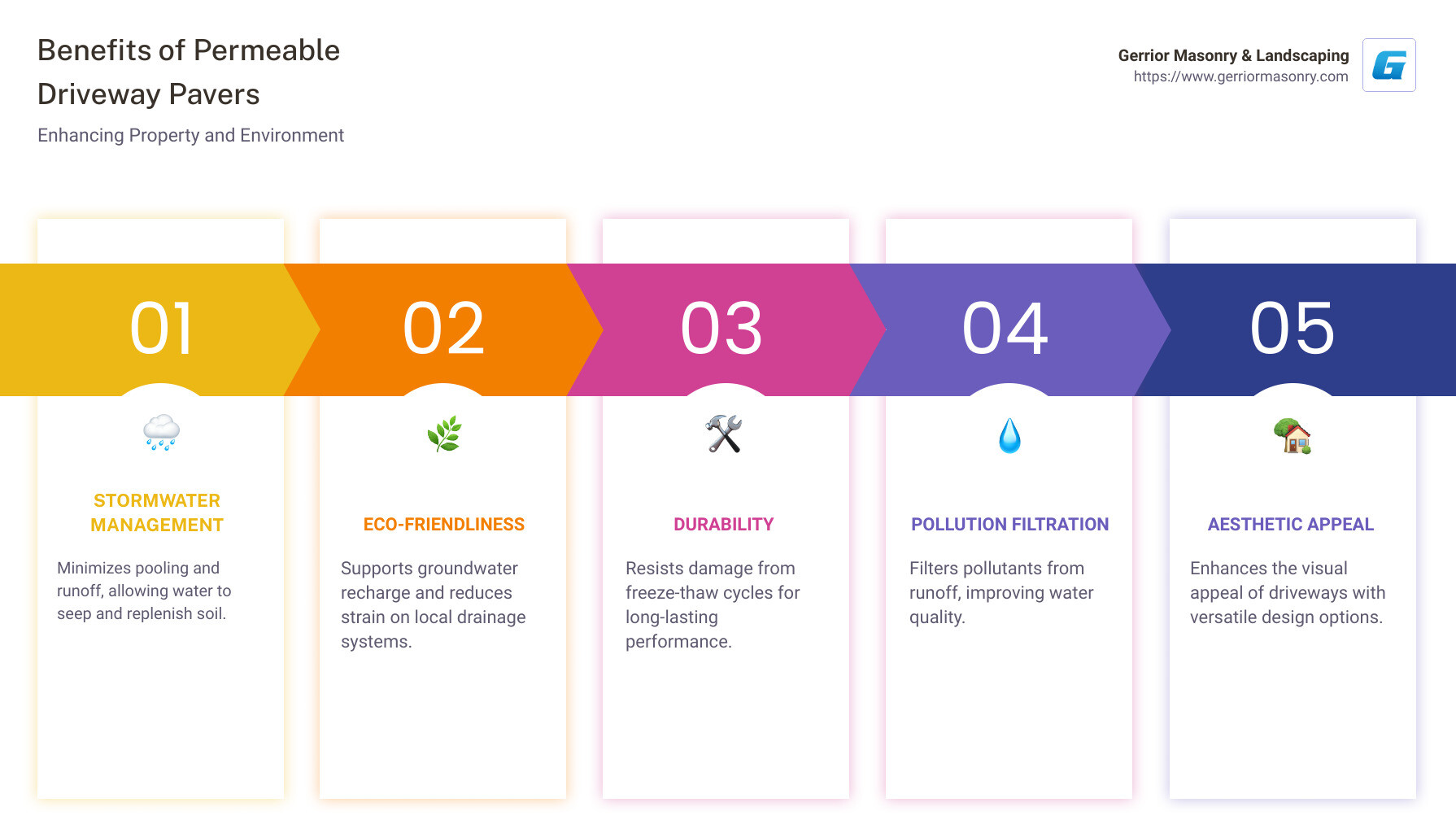
- Stormwater Management: Minimize pooling and runoff by allowing rainwater to seep through and replenish the soil.
- Eco-Friendly Solutions: Support groundwater recharge and reduce strain on local drainage systems.
- Durability: Resist damage from freeze-thaw cycles, offering long-lasting performance.
As a committed advocate for sustainable outdoor designs, I am Joe Gerrior, owner of Gerrior Masonry & Landscape Construction Corp. With over 34 years of experience in providing Massachusetts residents with top-notch masonry and landscaping services, I’m passionate about using the benefits of permeable driveway pavers to improve your property.
Quick permeable driveway pavers definitions:
– driveway permeable pavers
– driveway pavers installation
– driveway pavers cost
What are Permeable Driveway Pavers?
Permeable driveway pavers are a smart, eco-friendly option for your driveway. Unlike traditional concrete or asphalt, these pavers let water pass through, directly into the ground. This helps reduce stormwater runoff and supports natural water cycles.
Functionality
These pavers work by having small gaps that allow rainwater to flow through them. Underneath, layers of gravel and stone filter the water before it reaches the soil. This setup not only manages water effectively but also helps prevent flooding and erosion on your property.
Environmental Impact
The environmental benefits of using permeable driveway pavers are significant:
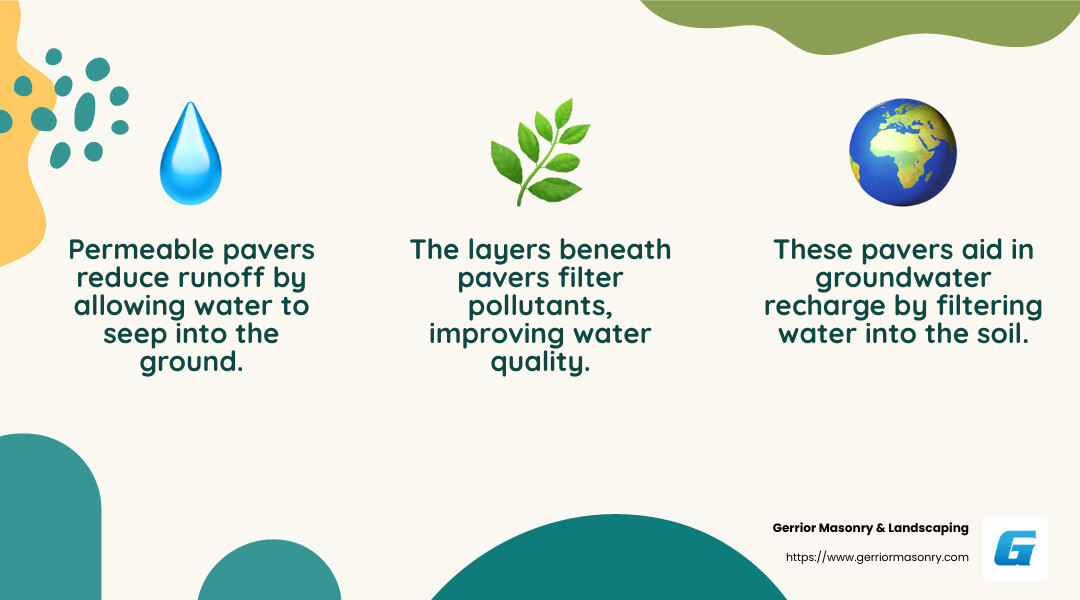
- Reduction of Runoff: By allowing water to seep into the ground, these pavers reduce the amount of runoff that often carries pollutants into local waterways.
- Groundwater Recharge: As water filters through the pavers, it replenishes underground water supplies, which is vital for maintaining healthy ecosystems.
- Pollution Filtration: The layers of stone and gravel beneath the pavers act as natural filters, removing impurities from the water before it enters the groundwater system.
By choosing permeable driveway pavers, you’re not just enhancing the look of your driveway—you’re also making a positive impact on the environment. This choice aligns with the growing trend of sustainable landscaping, making it a wise investment for both your home and the planet.
Benefits of Using Permeable Pavers for Driveways
Permeable driveway pavers offer numerous advantages that go beyond just aesthetics. They play a crucial role in stormwater management, are environmentally friendly, and add a touch of elegance to any home.
Environmental Benefits
Stormwater Management: One of the primary benefits of these pavers is their ability to manage stormwater effectively. By allowing water to pass through, they minimize surface runoff, which often overwhelms local drainage systems during heavy rain.
Reduction of Runoff: By reducing runoff, permeable pavers help prevent pollutants from washing into rivers and lakes. This is crucial for maintaining clean water systems.
Groundwater Recharge: As water seeps through the pavers, it replenishes groundwater reserves. This is vital for sustaining local ecosystems, especially in areas prone to drought.
Pollution Filtration: The layers of gravel and stone beneath the pavers act like a natural filter. They trap pollutants and impurities, ensuring that cleaner water enters the groundwater system.
Financial Benefits
Reduced Infrastructure Costs: By decreasing runoff, these pavers reduce the strain on public stormwater infrastructure. This can lead to savings on community maintenance and repair costs.
Increased Property Value: Homes with permeable driveway pavers often see an increase in property value. Their eco-friendly appeal and practical benefits make them an attractive feature for potential buyers.
Longevity: Permeable pavers are built to last. They are resistant to cracking and wear, even in areas with freeze-thaw cycles. This durability means fewer repairs and replacements, saving homeowners money in the long run.
Aesthetics: Beyond their practical benefits, permeable pavers improve the visual appeal of a property. Available in a variety of styles and colors, they can complement any architectural theme, adding a sophisticated touch to your home.
By investing in permeable driveway pavers, you’re not only contributing to environmental sustainability but also enhancing the value and beauty of your home.
Next, we’ll explore the installation process to ensure you get the most out of your permeable paver project.
Installation Process of Permeable Driveway Pavers
Installing permeable driveway pavers is a straightforward process if you follow the right steps. Here’s a simple guide to help you get started.
Choosing the Right Materials
The success of your permeable paver project starts with selecting the right materials. Here’s what you’ll need:
- Gravel: Acts as a base and helps with drainage.
- Small Aggregate: Used in the setting bed to support the pavers.
- Medium Aggregate: Provides stability and aids in water filtration.
- Large Aggregate: Forms the sub-base, supporting the structure and aiding water flow.
- Geotextile Fabric: Prevents soil from mixing with aggregates, maintaining the integrity of the base.
Step-by-Step Installation Guide
Site Preparation
Begin by clearing the area of vegetation, debris, and any existing pavement. The site needs to be graded properly to ensure effective drainage. Grading helps prevent water pooling, which is essential for the effectiveness of permeable driveway pavers.
Base Preparation
- Sub-Base Layer: Start with a layer of large aggregate. This layer should be at least 4-6 inches deep, depending on the soil type and expected load. Compact this layer thoroughly to provide a stable foundation.
- Base Layer: Add a layer of medium aggregate over the sub-base. This layer acts as a bed for the pavers and helps with water filtration.
- Setting Bed: The top layer consists of small aggregate. This layer should be even and smooth to ensure the pavers sit properly.
- Geotextile Fabric: Lay the fabric between each layer to prevent soil contamination and maintain drainage.
Paver Laying
- Begin laying the pavers from the edges towards the center. Use string lines to keep the rows straight.
- Ensure pavers are level and evenly spaced. The gaps between them are crucial for water permeability.
Joint Filling
Fill the gaps between pavers with small aggregate. This allows water to seep through while providing stability.
Compaction
Finally, use a mechanical compactor to compact the pavers into the setting bed. This process ensures the pavers are secure and stable, ready to handle vehicular loads.
By following these steps, you can ensure a successful installation of your permeable driveway pavers. This process not only improves the visual appeal of your driveway but also contributes to sustainable water management practices.
Next, we’ll cover how to maintain and care for your permeable pavers to ensure they last for years to come.
Permeable Pavers Maintenance and Care
To keep your permeable driveway pavers looking great and functioning well, regular maintenance is key. Here’s how you can care for them effectively:
Cleaning
Regular cleaning prevents dirt and debris from clogging the gaps between the pavers, which can hinder water drainage.
- Sweep Regularly: Use a broom to remove loose debris like leaves and dirt. This simple step can prevent buildup.
- Rinse with Water: A garden hose can wash away dirt. For stubborn stains, use a pressure washer, but be cautious not to dislodge the joint material.
- Use Appropriate Cleaners: For oil or grease stains, choose a cleaner made for paver stones. Always test it on a small area first to avoid damage.
Weed Control
Weeds can grow between pavers, causing displacement and affecting the appearance of your driveway.
- Use Polymeric Sand: Filling the joints with polymeric sand can help lock pavers together and prevent weed growth. This special sand hardens when wet, keeping weeds at bay.
- Regular Debris Removal: Keeping the joints clean prevents seeds from taking root. Regularly sweep the surface to remove any organic material.
- Apply Herbicide: Consider using a pre-emergent herbicide in the joints to inhibit weed germination before it starts.
Resanding Joints
Over time, the sand between pavers may wash away or settle, reducing stability.
- Inspect Regularly: Check the joints periodically to ensure they are filled with sand.
- Add Sand as Needed: If you notice gaps, add more polymeric sand. Use a broom to sweep it into the joints, then lightly mist with water to activate the binding properties.
- Compact the Surface: After resanding, use a compactor to ensure the sand settles properly and the pavers remain stable.
By following these maintenance tips, you can extend the life and beauty of your permeable driveway pavers. Regular upkeep not only improves your home’s curb appeal but also protects your investment in your property’s hardscaping.
Next, we’ll answer some frequently asked questions about permeable driveway pavers to help you make informed decisions.
Frequently Asked Questions about Permeable Driveway Pavers
Are permeable pavers suitable for all climates?
Permeable driveway pavers are versatile but perform better in certain climates. In regions with frequent freeze-thaw cycles, like the northern United States, special considerations are necessary. The expansion and contraction of the ground can cause issues such as heaving and cracking. To combat this, ensure proper installation with adequate base material and grading.
In warmer and wetter climates, permeable pavers excel at managing excessive rainwater and runoff. They allow water to seep into the ground, reducing flooding risks. Despite these challenges, with the right type of paver and installation techniques, you can use permeable pavers effectively in most climates.
How do permeable pavers compare in cost to traditional concrete?
The initial cost of permeable driveway pavers is generally higher than traditional concrete. However, the long-term savings and benefits often balance out the initial expense. Traditional concrete may require more frequent repairs and maintenance, especially in areas prone to cracking due to weather conditions.
Moreover, permeable pavers can increase property value and offer environmental benefits, which can lead to financial incentives like tax reductions or rebates. While upfront costs are higher, the overall cost of ownership over time can be more economical with permeable pavers.
What maintenance is required for permeable pavers?
Maintaining permeable driveway pavers is straightforward and can extend their lifespan significantly. Regular cleaning is crucial to prevent clogging of the gaps that allow water to pass through. Sweep the surface regularly and use a garden hose or pressure washer to remove dirt and debris.
Weed control is another important aspect. Filling joints with polymeric sand can prevent weed growth. Regularly inspect the joints and add sand if necessary to maintain stability. Applying a pre-emergent herbicide can further inhibit weed growth.
By keeping these maintenance practices in mind, you can ensure your permeable pavers remain functional and attractive for years to come.
Conclusion
Sustainable landscaping is more than just a trend; it’s a commitment to creating environments that thrive with nature. At Gerrior Masonry & Landscaping, we believe in changing your outdoor spaces into eco-friendly havens. Our permeable driveway pavers are a perfect blend of beauty and functionality, offering a sustainable solution that improves your property’s aesthetic while benefiting the environment.
Why Choose Us? With over 30 years of experience, we bring expertise and a personal touch to every project. Our skilled team ensures that each installation is not only visually appealing but also durable and efficient. We oversee every detail, from site preparation to the final touches, guaranteeing high-quality results that you can rely on.
Environmental Impact: By opting for permeable pavers, you’re actively reducing stormwater runoff, recharging groundwater, and filtering pollutants. This not only helps preserve your local ecosystem but also contributes to a healthier planet.
Financial Benefits: While the initial investment may be higher, the longevity and low maintenance of permeable pavers often translate to cost savings over time. Plus, they can increase your property value and potentially offer financial incentives through tax reductions.
Aesthetic Appeal: Available in various styles and materials, our permeable pavers can complement any architectural theme, adding a touch of elegance to your property.
Ready to make the switch to sustainable landscaping? Visit our Driveways page to learn more about our services and how we can help you create a greener, more beautiful outdoor space.
Together, let’s pave the way to a sustainable future with Gerrior Masonry & Landscaping. Your garden—and the planet—will thank you.
