
Retaining Wall Landscapers: Top 5 Amazing Benefits 2025
Introduction
Retaining wall landscapers are essential in transforming uneven, slope-ridden outdoor spaces into visually appealing and functional landscapes. If you’re interested in landscape design and hardscaping, here are some key points to know:
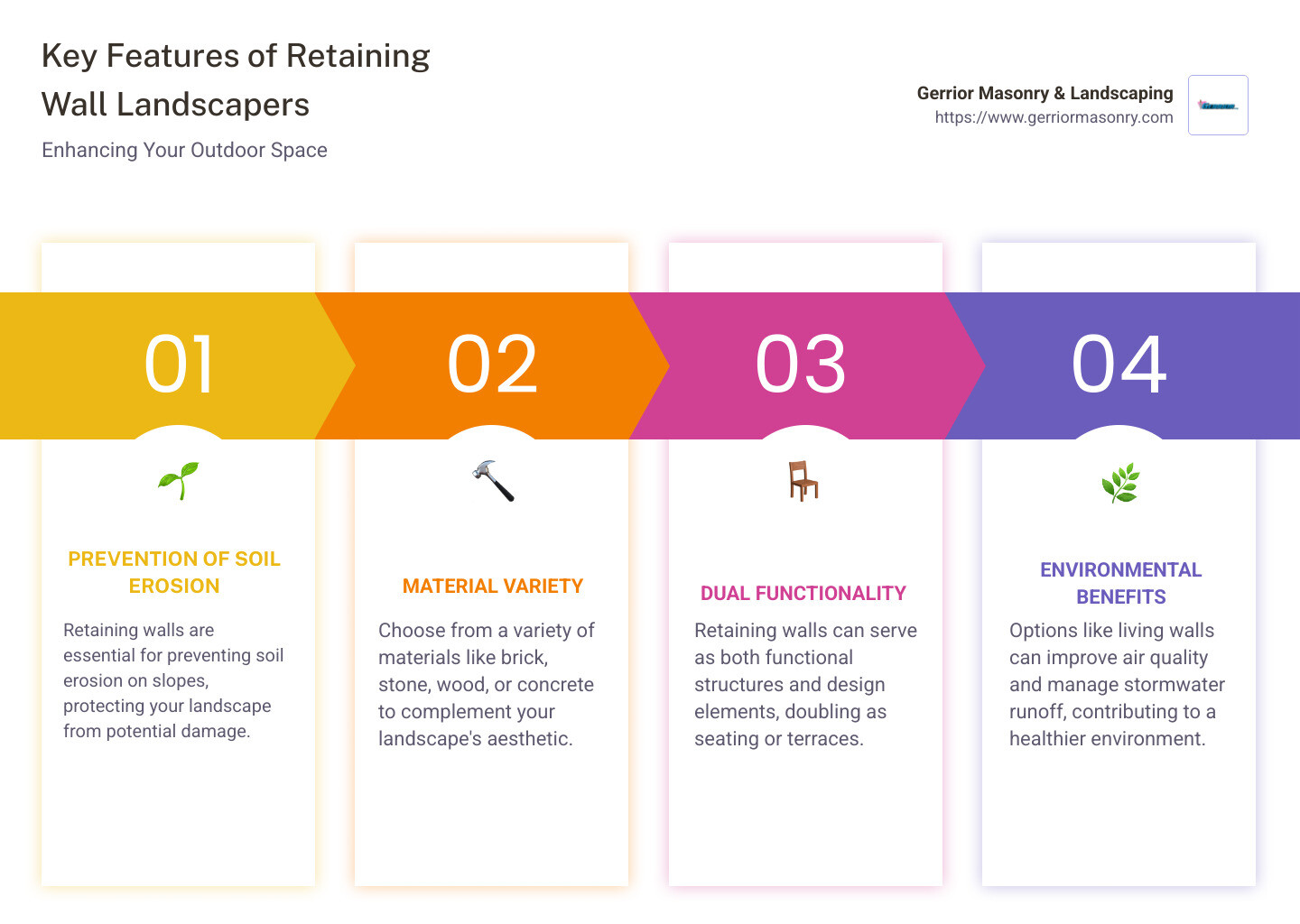
- Purpose: Retaining walls serve to prevent soil erosion on slopes, create usable spaces, and add aesthetic value.
- Materials: They can be constructed from various materials like brick, stone, wood, or concrete, each bringing its unique charm.
- Functionality: Besides stopping soil movement, retaining walls can double as seating or create terraces for planting.
- Environmental Benefits: Some retaining walls, like living walls, can improve air quality and manage stormwater runoff.
My name is Joe Gerrior, and as the owner of Gerrior Masonry & Landscape Construction, I’ve spent over 34 years perfecting the art of landscape design and installation, focusing especially on retaining wall landscapers. Our approach ensures that your vision for a practical yet stunning outdoor space becomes a reality. Gerrior Masonry & Landscape Construction is based in Woburn, MA, and services Middlesex and Essex County, Massachusetts.
Types of Retaining Walls
When it comes to building retaining walls, choosing the right material is key. Each type of material offers its own set of benefits, and selecting the right one depends on your landscape needs, budget, and aesthetic preferences. Let’s explore some popular options:
Poured Concrete
Poured concrete is a versatile and durable option for retaining walls. It provides a sleek, modern look and can be molded into various shapes and sizes to fit any landscape design. One of the biggest advantages of poured concrete is its strength, making it ideal for holding back large amounts of soil. It’s also relatively low-maintenance once installed.
Pressure-Treated Pine
Pressure-treated pine is a cost-effective choice for those looking to build a retaining wall on a budget. This type of wood is treated to resist rot and insect damage, making it suitable for outdoor use. While it may not be as long-lasting as stone or concrete, it’s a good option for smaller walls or temporary solutions.
Granite
Granite is a premium choice for retaining walls due to its natural beauty and durability. This stone option is known for its strength and resistance to weathering, making it an excellent investment for long-term projects. Granite walls can add a touch of elegance and timeless charm to any landscape.
Wood Retaining Walls
Wood retaining walls, aside from pressure-treated pine, offer a rustic and natural look. They blend seamlessly into natural landscapes and are relatively easy to install. However, they may require more maintenance over time to prevent rot and decay, especially in wet climates.
Stone Options
Stone retaining walls come in various forms, such as stacked stone or boulders. These walls provide a natural and rugged appearance, perfect for blending with the surrounding environment. Stone walls are incredibly durable and can last for decades if properly constructed. They also allow for creative designs, such as curved walls or terraces.
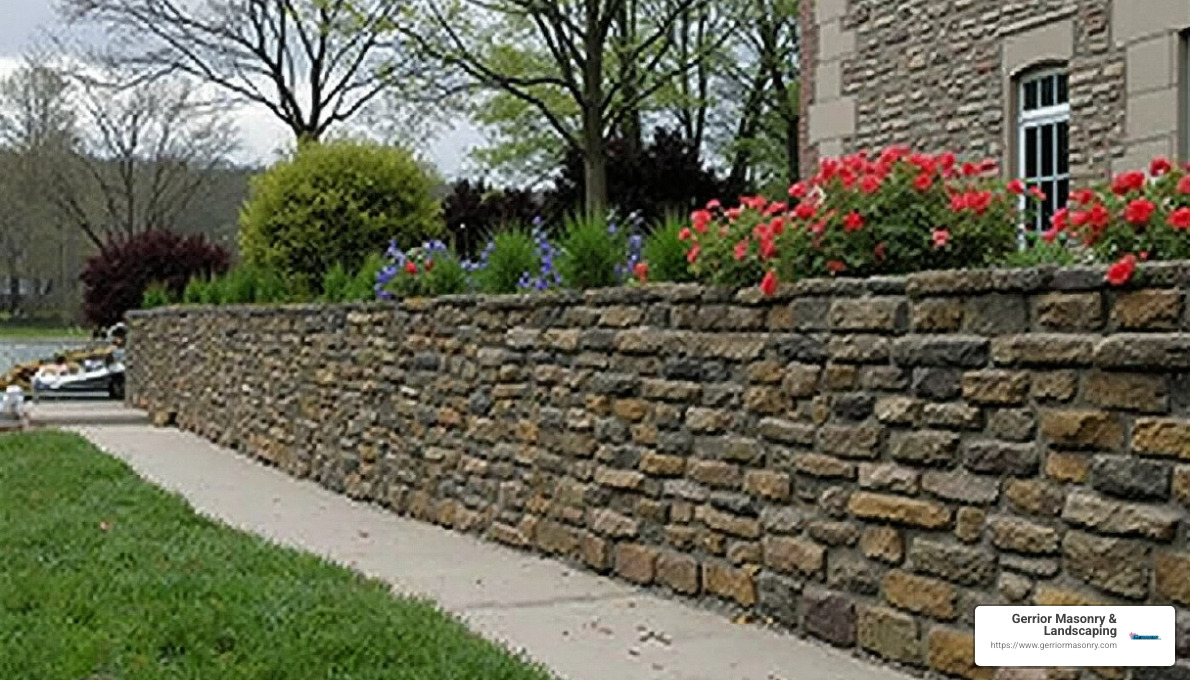
Each material has its own unique benefits and considerations. Whether you’re looking for durability, aesthetics, or cost-effectiveness, there’s a retaining wall material that will suit your needs. The right choice can transform your landscape into a functional and beautiful space.
Gerrior Masonry & Landscape Construction, based in Woburn, MA, proudly serves Middlesex and Essex County, Massachusetts, offering expert guidance and installation for all types of retaining walls.
Benefits of Retaining Walls
Retaining walls are more than just structures; they’re transformative elements in landscape design. Whether you’re looking to manage soil pressure, handle slopes, or simply improve the aesthetic appeal of your property, retaining walls offer a range of benefits.
Landscape Design
Retaining walls can redefine your outdoor space. By creating terraces and flat areas, they make sloped land usable. This is especially valuable in hilly regions, where every square foot counts. Imagine turning a steep, unusable hillside into a series of beautiful, functional terraces for gardening or relaxation.
Soil Pressure Resistance
One of the primary functions of a retaining wall is to resist soil pressure. Without these walls, soil can shift or erode, especially during heavy rains. This erosion can damage landscapes and even threaten nearby structures. Retaining walls act as a barrier, holding the soil in place and preventing landslides.
Slope Management
Managing slopes is crucial for both safety and usability. Retaining walls help stabilize steep areas, making them safer and more accessible. They allow for the creation of level surfaces in places where natural slopes would otherwise make construction impossible. This slope management can be essential for properties in areas with significant elevation changes.
Aesthetic Appeal
Retaining walls are not just functional; they can be incredibly beautiful. With materials like stone, granite, and even wood, these walls add texture and character to landscapes. They can be designed to complement the existing environment, enhancing the overall visual appeal. Whether it’s a sleek, modern concrete wall or a rustic stone structure, retaining walls can lift the aesthetic of any property.
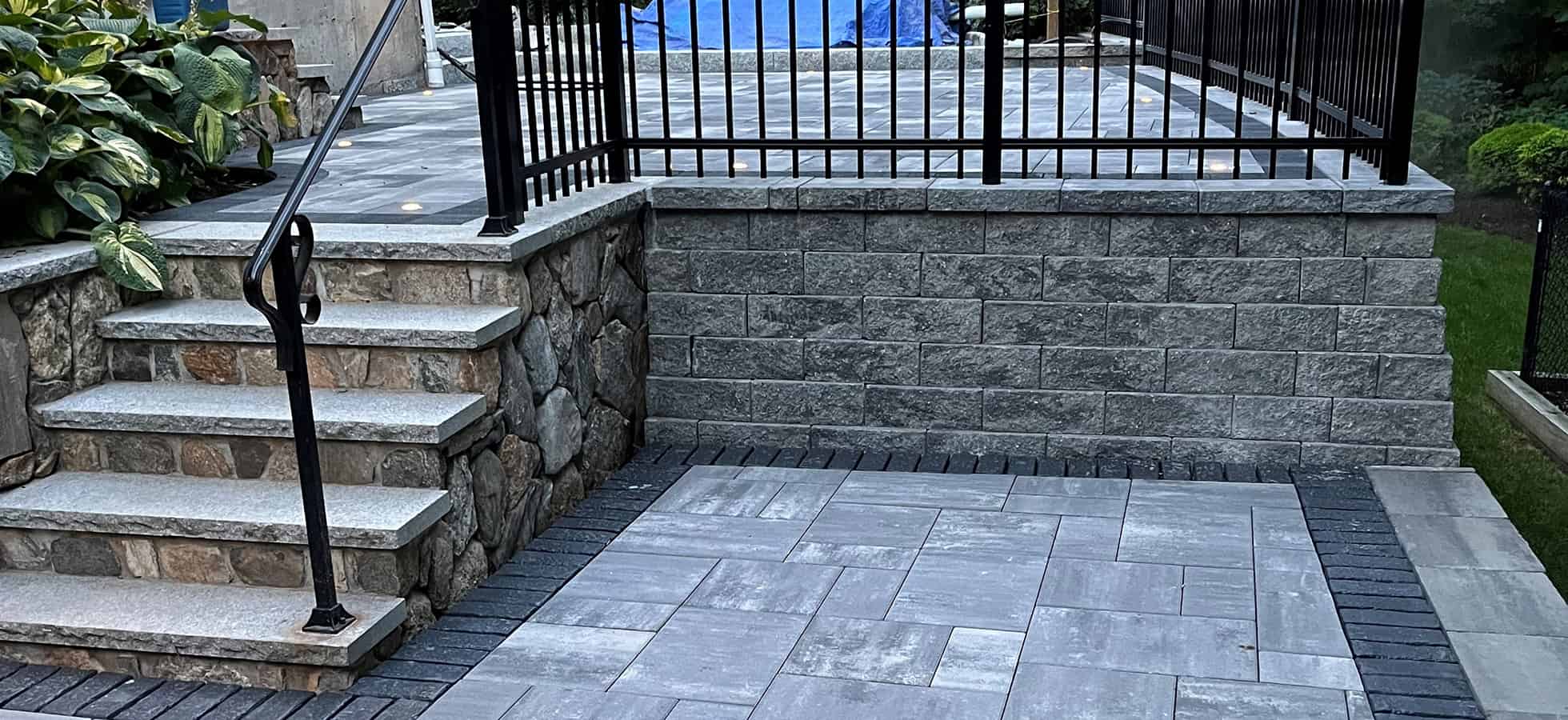
By incorporating retaining walls into your landscape, you can achieve a perfect blend of function and beauty. They provide essential support and protection while enhancing the look and feel of your outdoor space. Whether you’re dealing with steep slopes or simply want to add a new dimension to your garden, retaining walls are a valuable addition.
Gerrior Masonry & Landscape Construction, based in Woburn, MA, proudly serves Middlesex and Essex County, Massachusetts, offering expert guidance and installation for all types of retaining walls.
Retaining Wall Landscapers
When it comes to retaining wall landscapers, it’s all about blending function with beauty. These specialists are the architects of your outdoor space, transforming landscapes into functional works of art. They are not just builders; they are visionaries who see the potential in every slope and hill.
Retaining Wall Specialists
A retaining wall specialist knows the ins and outs of creating structures that can withstand the test of time. They understand the importance of drainage, soil pressure, and slope stability. These experts use their knowledge to design walls that not only hold back soil but also enhance the landscape’s natural beauty.
Whether it’s a sleek concrete wall or a rustic stone structure, retaining wall specialists choose materials that fit the environment and the homeowner’s style. Their goal is to create walls that are both durable and attractive, providing long-term solutions for landscape challenges.
Hardscape Contractors
Hardscape contractors are the backbone of any successful landscape transformation. They work with a variety of materials such as stone, brick, and wood to create structures that complement the natural surroundings. These contractors are skilled in integrating retaining walls with other hardscape elements like patios and walkways, ensuring a seamless transition between different areas of your yard.
A good hardscape contractor will consider factors like drainage and soil composition when planning a retaining wall. They use techniques like weep holes and proper grading to prevent water buildup, which can lead to wall failure. This attention to detail is what sets professional contractors apart, ensuring that your retaining wall is both functional and beautiful.
Landscape Change
Installing a retaining wall is more than just adding a structure to your yard; it’s about changing the landscape. Retaining walls can turn steep, unusable areas into flat, functional spaces. This change allows for new possibilities in gardening, outdoor living, and even property value improvement.
Retaining walls can be used to create terraces, which are perfect for planting beds or outdoor seating areas. They add depth and dimension to a landscape, making it more visually interesting and enjoyable. By working with expert retaining wall landscapers, you can achieve a landscape change that maximizes both beauty and utility.
Gerrior Masonry & Landscape Construction, based in Woburn, MA, offers expert services in Middlesex and Essex County, Massachusetts, ensuring that every retaining wall project is a blend of form and function.
Cost Considerations
Building a retaining wall is an investment in your landscape, and understanding the costs involved is crucial for planning. Let’s break down the key factors that affect the cost of a retaining wall project: average cost, labor costs, material prices, and drainage excavation.
Average Cost
The cost of installing a retaining wall can vary widely based on several factors. On average, the price can range from as low as $3,000 to as high as $12,000 or more, depending on the complexity and size of the project. These figures are based on internet data and represent a broad range of potential expenses, not the actual costs for Gerrior Masonry services.
Labor Costs
Labor is a significant part of the total cost. Skilled labor is essential to ensure that the wall is built to last and can withstand environmental pressures like water and soil movement. Labor costs can vary depending on the region and the expertise required for the project. In general, more complex designs or challenging site conditions will increase labor costs.
Material Prices
The choice of materials greatly influences the overall cost. Here’s a quick look at some common materials:
- Poured Concrete: Known for its durability, this option is often more affordable than natural stone but can still be on the higher end of the spectrum due to its strength and longevity.
- Pressure-Treated Pine: This is typically a cheaper option but may not offer the same lifespan as concrete or stone.
- Granite and Stone: These materials are usually more expensive due to their aesthetic appeal and durability. They are often chosen for their natural look and ability to blend seamlessly into the landscape.
Drainage Excavation
Proper drainage is critical to the longevity of a retaining wall. Without it, water can build up behind the wall, leading to failure. Drainage excavation involves creating systems like weep holes, french drains, or grading to manage water flow. This step is essential but can add to the overall cost, especially if the site requires extensive work to ensure proper drainage.
By understanding these cost considerations, you can make informed decisions about your retaining wall project. Investing in quality materials and skilled labor can save you money in the long run by preventing costly repairs.
Gerrior Masonry & Landscape Construction, based in Woburn, MA, serves Middlesex and Essex County, Massachusetts, providing expert retaining wall installation that balances cost with quality to improve your landscape.
Frequently Asked Questions about Retaining Wall Landscapers
When considering a retaining wall, many questions arise. Let’s address some common queries to help you understand the essentials of retaining wall landscaping.
What is the cheapest type of retaining wall?
When it comes to affordability, pressure-treated pine is often the most cost-effective option. This material is generally less expensive than stone or concrete, making it a popular choice for those on a budget. However, it’s important to note that while it is cheaper upfront, it may not last as long as more durable materials.
- Poured Concrete: While not the cheapest, poured concrete offers great durability and strength. It’s more affordable than natural stone and provides a sleek, modern look.
- Granite and Stone: These options are generally more expensive due to their natural beauty and durability. They can significantly improve the aesthetic appeal of your landscape, but come with a higher price tag.
Is a retaining wall part of landscaping?
Absolutely! A retaining wall is a crucial component of landscape design. It serves both functional and aesthetic purposes. Functionally, it helps manage soil pressure and prevents erosion, especially on sloped terrains. Aesthetically, it adds structure and texture to your outdoor space, creating terraces or defined garden areas that improve the overall look of your property.
Why are retaining walls so expensive?
The cost of retaining walls can be high due to several factors:
- Material Costs: Durable materials like granite and stone can be pricey. Even less expensive options like concrete require a significant investment for quality and longevity.
- Labor Costs: Skilled labor is essential to ensure the wall is built to withstand environmental challenges. This includes managing soil pressure and ensuring proper installation.
- Drainage Excavation: Proper drainage excavation is critical to prevent water buildup behind the wall, which can lead to failure. This process involves creating drainage systems like weep holes or french drains, which can add to the overall cost but are necessary for the wall’s longevity.
- Soil Management: Managing the soil around the wall is crucial. This involves understanding the soil type and ensuring it is compacted correctly, which can add complexity and cost to the project.
Understanding these elements can help you make informed decisions about your retaining wall project. Investing in quality materials and skilled labor can prevent future repair costs, making it a wise investment in your landscape’s longevity.
Gerrior Masonry & Landscape Construction, based in Woburn, MA, serves Middlesex and Essex County, Massachusetts, offering expert retaining wall solutions that blend functionality with aesthetic appeal.
Conclusion
Incorporating retaining walls into your landscape offers numerous benefits. At Gerrior Masonry & Landscaping, we understand that these structures provide more than just functional support. They transform outdoor spaces by managing slopes, preventing soil erosion, and adding aesthetic appeal to your property.
Retaining wall benefits extend beyond their basic function. They improve your landscape by creating usable spaces on sloped terrains, allowing for gardens, patios, or play areas. This not only improves the visual appeal of your property but also increases its overall value.
Choosing the right materials and design is crucial. While options like pressure-treated pine are cost-effective, investing in durable materials like stone or concrete can offer long-term benefits. They provide strength, durability, and a variety of design possibilities that can complement any landscape style.
Our team at Gerrior Masonry & Landscaping prides itself on delivering high-quality retaining wall solutions custom to your specific needs. We ensure that each project is overseen by skilled professionals, guaranteeing results that stand the test of time.
If you’re considering enhancing your outdoor space with a retaining wall, trust our expertise. With over 30 years of experience, we are committed to changing your landscape into a functional and beautiful environment.
For more information about our services, visit our landscape design and installation page.
Gerrior Masonry & Landscape Construction is based in Woburn, MA, and proudly serves Middlesex and Essex County, Massachusetts.
