
Your Comprehensive Guide to a Safe and Sturdy Chimney
Block chimney repair is essential for maintaining the safety and structural integrity of your home. Whether you’re dealing with crumbling mortar, spalling blocks, or visible cracks, addressing these issues promptly can prevent costly damage and dangerous conditions.
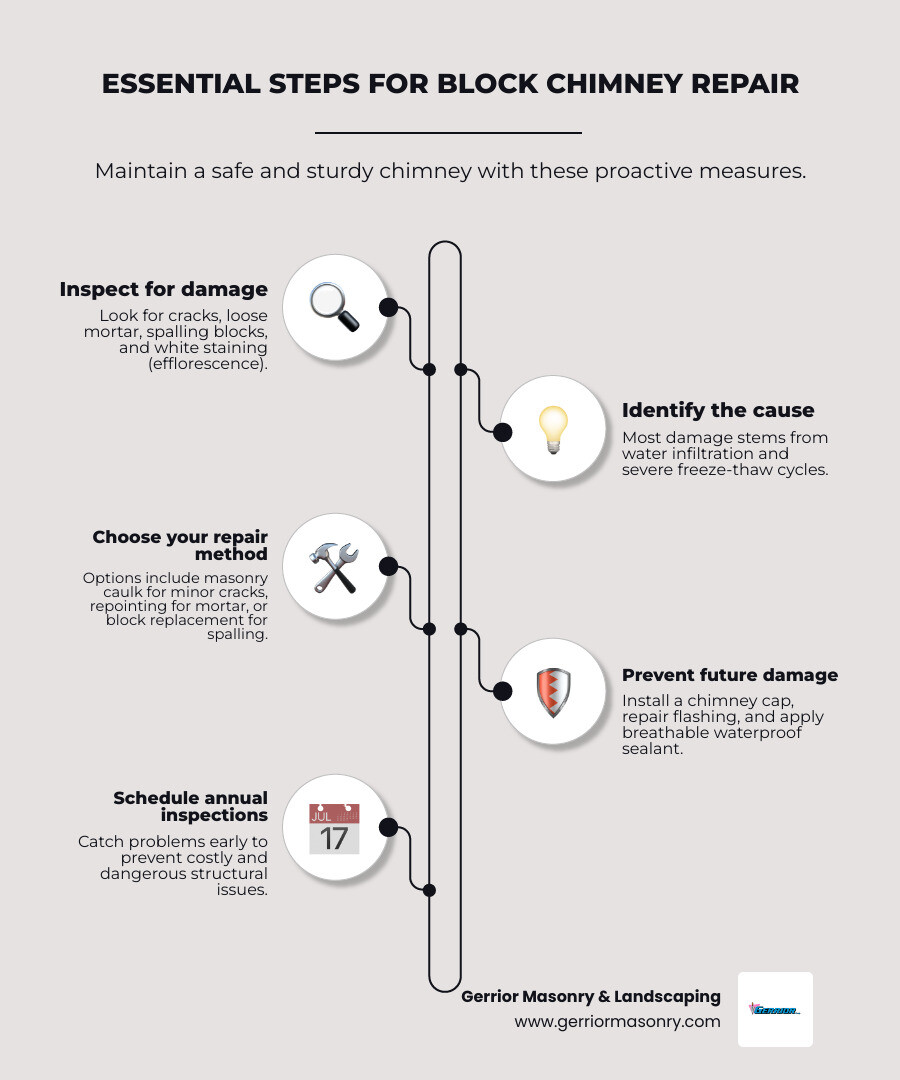
Quick Answer: Essential Steps for Block Chimney Repair
- Inspect for damage – Look for cracks, loose mortar, spalling, and white stains (efflorescence).
- Identify the cause – Most damage stems from water infiltration and freeze-thaw cycles.
- Choose your repair method – Use masonry caulk for minor cracks, repoint deteriorated mortar joints, or replace spalling blocks.
- Prevent future damage – Install a chimney cap, repair flashing, and apply a breathable waterproof sealant.
- Schedule annual inspections – Catch problems early before they become expensive.
Average repair costs based on internet data range from $500-$2,500 for repointing, while more extensive repairs can run $3,000 or higher. These are not Gerrior Masonry’s actual costs – contact us for a detailed quote.
A cracked chimney crown or spalling blocks might seem like a minor cosmetic issue, but ignoring chimney damage can quickly escalate. What starts as a small crack can allow water to penetrate your chimney system, leading to structural deterioration, interior water damage, and even dangerous carbon monoxide leaks or fire hazards.
Concrete blocks are naturally porous and absorb water. When that water freezes and expands during Massachusetts winters, it creates a damaging freeze-thaw cycle that cracks blocks and loosens mortar joints. Understanding this vulnerability is the first step toward protecting your chimney.
I’m Joe Gerrior, owner of Gerrior Masonry & Landscape Construction Corp., and over my 34 years serving Massachusetts homeowners, I’ve seen how proper block chimney repair and maintenance can extend a chimney’s life by decades. This guide will walk you through everything you need to know.
Understanding Cinder Block Chimney Damage
Recognizing the common signs of damage in a cinder block chimney repair is the first step toward proactive maintenance.
- Spalling Blocks: The outer surface of the blocks flakes or peels off, caused by moisture absorption and freeze-thaw cycles. Untreated, spalling can severely weaken the chimney structure. As the protective outer layer of the block deteriorates, it exposes the more porous inner material to the elements. This accelerates water absorption, leading to deeper and more significant damage with each freeze-thaw cycle. Over time, the block can lose its load-bearing capacity, compromising the stability of the entire chimney stack.
- Mortar Joint Deterioration: The mortar between blocks crumbles or cracks, creating gaps that allow water to penetrate deeper into the chimney’s core. These gaps act as direct channels for rainwater and melting snow. Once inside, the moisture can damage the flue liner, saturate the surrounding masonry, and even leak into your home’s attic or walls. The loss of mortar also reduces the structural bond between the blocks, making the chimney more susceptible to shifting and leaning under stress from wind or seismic activity.
- Efflorescence (White Stains): Powdery white stains on the chimney surface are a clear indicator of trapped moisture. As water evaporates, it leaves behind salt deposits.
- Cracks (Vertical, Horizontal, Stair-Step): Cracks running in different directions can signal various issues, from thermal expansion and foundation settling to significant structural stress.
- Leaning Chimney Structure: This is a major red flag. A tilting chimney can stem from severe foundation issues or extensive masonry damage and requires immediate professional assessment.
For more in-depth information on the materials and structure of your chimney, explore our resources on Chimney Masonry.
The Dangers of a Damaged Chimney
Ignoring chimney damage isn’t just about aesthetics; it’s about the safety of your home and family.
- Fire Hazard: Cracks in the masonry can allow super-heated gases and embers to escape into combustible areas of your home.
- Carbon Monoxide Leaks: A damaged flue can allow this odorless, toxic gas to leak into your living spaces, posing a severe health risk.
- Structural Collapse Risk: A severely damaged chimney, especially one with a noticeable lean, is at risk of partial or complete collapse.
- Water Damage to Home Interior: Water penetrating the chimney can seep into your attic, walls, and ceilings, leading to stains, rot, and mold growth.
- Pest Infestation: Gaps and cracks create inviting entry points for birds, squirrels, and other pests.
- Decreased Property Value: A visibly damaged chimney detracts from your home’s curb appeal and signals underlying problems to prospective buyers.
Regular inspections and timely maintenance are crucial to mitigate these risks. Learn more about routine check-ups on our Chimney Cleaning and Inspection Near Me page.
The Complete Guide to Block Chimney Repair
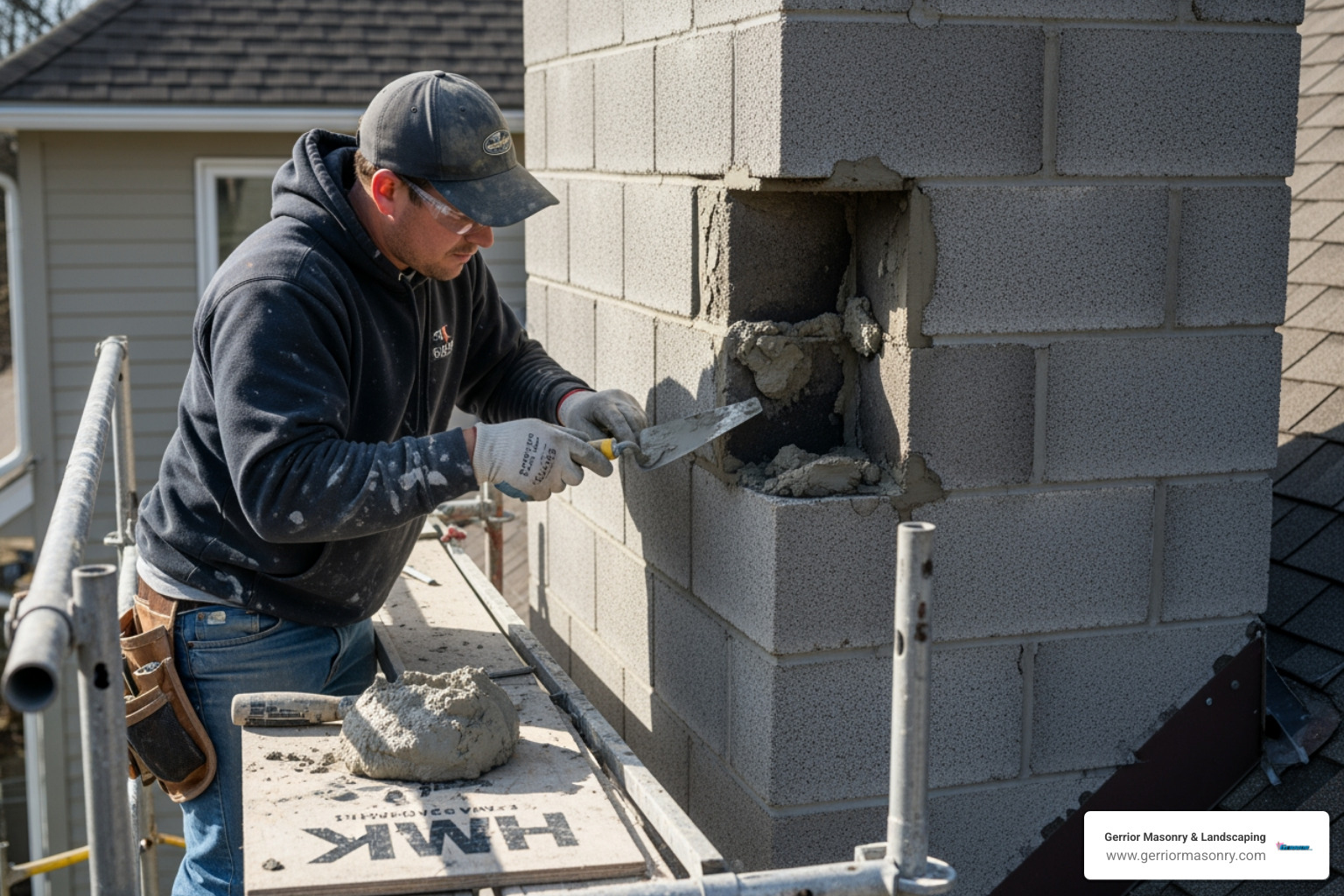
This section will walk you through the causes of common block chimney issues, effective repair methods, and essential preventative measures to empower you to make informed decisions about your block chimney repair.
Identifying the Cause and Scope of Your Block Chimney Repair Needs
Effective repair starts with diagnosing the root cause. Water is the primary culprit behind most chimney problems. In our Massachusetts climate, the freeze-thaw cycle is particularly destructive. Water absorbed by porous blocks freezes, expands, and causes cracks and spalling. The type of crack—vertical, horizontal, or stair-step—helps pinpoint whether the issue is from thermal stress or deeper foundation movement. If you see a leaning chimney or large, deep cracks, the foundation itself may need professional assessment and Foundation Repair.
The Repair Process: From Patching to Repointing
Once the damage is identified, we can move on to the repair. The method depends on the severity of the issue.
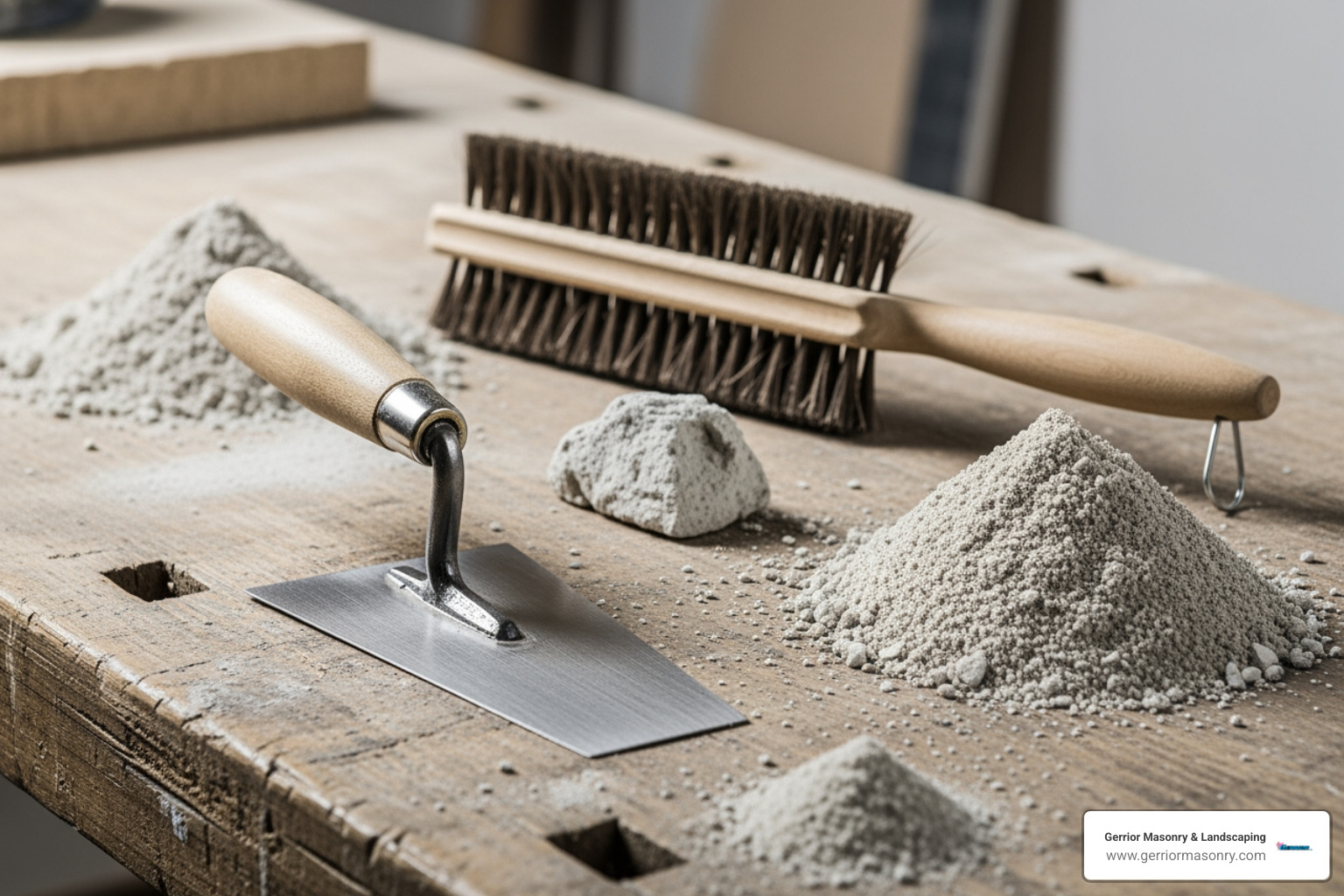
Essential Tools and Materials:
- Tools: Chisel, hammer, wire brush, pointing trowel, mortar mixer, bucket, and safety glasses/gloves.
- Materials: Type N mortar mix is recommended for general chimney work due to its strength and flexibility. You will also need masonry caulk for minor cracks and water.
Step-by-Step for Mortar Joint Repair (Repointing):
- Preparation: Carefully chip out the old, crumbling mortar from the joints to a depth of at least 1/2 to 3/4 inch.
- Clean the Joints: Use a wire brush to thoroughly clean out any loose particles and dust to ensure a strong bond.
- Dampen the Area: Lightly wet the joints and surrounding blocks with water to prevent the new mortar from drying too quickly.
- Mixing New Mortar: Prepare the Type N mortar to a consistent, workable texture, similar to peanut butter.
- Applying New Mortar: Load a pointing trowel with mortar and press it firmly into the prepared joints, ensuring there are no voids. Strike the joints for a clean, professional finish.
- Curing and Cleanup: Once the mortar has set slightly, gently brush off any excess. Proper curing may require keeping the mortar damp for several days.
For smaller, non-structural hairline cracks, a high-quality masonry caulk can be a quick and effective solution. However, for significant mortar deterioration, repointing is the definitive block chimney repair method.
Learn more about restoring your chimney’s mortar on our Brick Mortar Repair page.
When to Repair vs. When a Full Chimney Rebuild is Necessary
Deciding between a targeted repair and a full rebuild is a critical decision in chimney maintenance.
- When to Repair: Minor cracks, superficial spalling, or localized crumbling mortar can often be addressed with patching, sealing, or repointing. Patching is a temporary fix, while repointing is a more durable solution for deteriorated mortar joints that restores structural integrity.
- Signs You Need a Rebuild: A partial or full chimney rebuild is necessary for major structural problems. Key indicators include:
- A leaning or tilting chimney.
- Extensive spalling that compromises the integrity of the blocks.
- A severely damaged or collapsed internal flue liner.
- Widespread mortar failure throughout the majority of the chimney.
- Average Cost Considerations: Based on internet data, repointing costs can range from $500 to $2,500, depending on the chimney’s condition. If left untreated, damage can escalate, and a partial rebuild could cost upward of $3,000. A full rebuild is a more significant investment. Please remember, these are average costs and not actual costs for Gerrior Masonry & Landscaping services. Contact us for an accurate estimate.
When your chimney is beyond simple repairs, our team specializes in comprehensive Chimney Rebuilding to restore its safety and longevity.
Proactive Prevention: Waterproofing and Maintenance for Your Block Chimney Repair
After investing in block chimney repair, proactive prevention is key to extending your chimney’s lifespan.
- The Critical Role of the Chimney Cap: The cap is your chimney’s first line of defense, covering the flue opening to keep out rain, snow, animals, and debris. A stainless steel cap offers the best durability.
- Importance of Intact Flashing: Flashing creates a watertight seal where your chimney meets the roof. If it’s damaged, water can stream into your home, causing leaks and rot.
- Applying Breathable Waterproof Sealant: Once repairs are done, applying a high-quality, breathable waterproof sealant is a game-changer. It repels water while allowing trapped moisture to escape, which is crucial for preventing freeze-thaw damage. This is similar to our approach for Basement Waterproofing.
- Benefits of a New Concrete Crown: The concrete crown is the slab at the top of your chimney. It must be sloped with an overhang to shed water away from the masonry, preventing water penetration.
- Scheduling Regular Inspections: We recommend annual chimney inspections by a certified professional. Early detection can spot damage before it becomes a complicated and expensive project.
Securing Your Home with Professional Chimney Care
Investing in proper block chimney repair and ongoing maintenance offers numerous long-term benefits that protect your home and family.
- Increased Safety: A well-maintained chimney eliminates the risks of fire hazards and carbon monoxide leaks.
- Improved Home Value: A structurally sound chimney improves curb appeal and maintains market value.
- Improved Energy Efficiency: A properly sealed chimney prevents heat loss, contributing to lower utility bills.
- Peace of Mind: Knowing your chimney is in excellent condition provides reassurance, especially during winter.
For expert assessment and durable repairs, trust a professional Chimney Repair Contractor like Gerrior Masonry & Landscaping. With over 30 years of experience, our skilled team and owner oversight ensure high-quality results for every project.
Gerrior Masonry & Landscaping is based in Woburn, MA, and proudly services communities throughout Middlesex and Essex County, Massachusetts. Contact us for your chimney repair needs.
