
Brick Chimney: Top 5 Effective Fixes for 2025
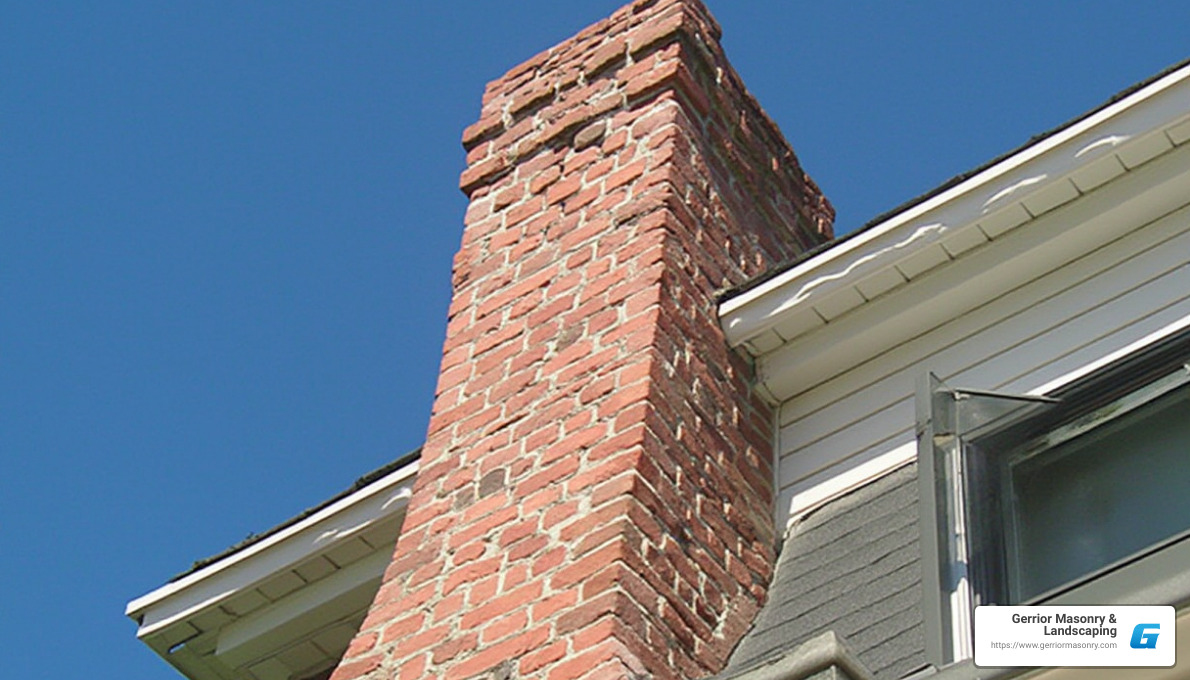
Brick chimney systems are vital to both the safety and beauty of your home. Not only do they ensure that smoke and harmful gases are safely vented away, but they also offer a classic charm that improves your property’s curb appeal. However, maintaining a brick chimney requires understanding its structure and common issues. Here’s what you need to know:
- Why it’s important: Safely vents smoke and gases; adds aesthetic value.
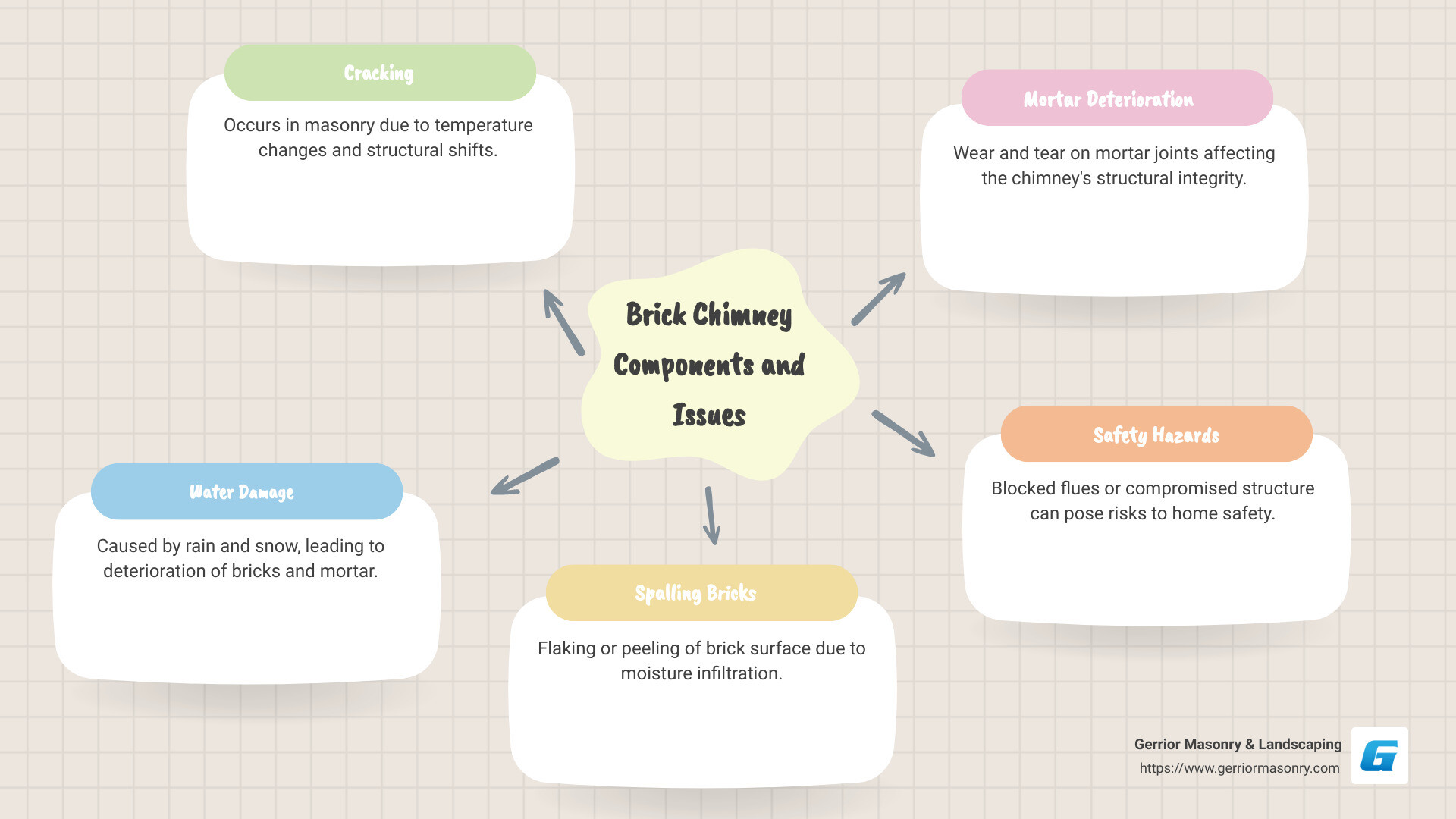
- Common issues: Cracks in masonry, water damage, spalling bricks.
Understanding these elements is key to preserving the integrity and appearance of your chimney and avoiding costly repairs.
I’m Joe Gerrior, with over 34 years of experience in masonry and landscaping. My expertise in brick chimney repair ensures high-quality results for homeowners. Let’s dig into the essentials of maintaining your masonry chimney.
Explore more about brick chimney:
– chimney masonry repair near me
– chimney pointing
– tuckpointing vs repointing
Understanding Brick Chimneys
When it comes to the charm and functionality of a home, a brick chimney plays a pivotal role. But what makes these structures so enduring and appealing? Let’s break it down into three key aspects: durability, visual appeal, and heat resistance.
Durability
A brick chimney is renowned for its durability. This strength comes from the materials used, such as burnt clay bricks and mortar, which can withstand the test of time. Unlike other materials, bricks can endure harsh weather conditions, from the freezing winters to scorching summers, without losing their structural integrity. With proper maintenance, a well-built brick chimney can last for decades, often outliving other parts of the home.
Visual Appeal
The aesthetic value of a brick chimney is undeniable. Its classic look adds a timeless charm to any house, enhancing its curb appeal. The variety of brick types, such as burnt clay bricks with their natural reddish-brown hues, allows homeowners to choose a style that complements their home’s architecture. This visual appeal is not just about looks; it also adds value to the property.
Heat Resistance
One of the most critical functions of a brick chimney is to handle high temperatures safely. Bricks are naturally resistant to heat, making them ideal for chimneys. Fire bricks, in particular, are designed to withstand extremely high temperatures, ensuring that the chimney remains safe and efficient. This heat resistance is crucial for venting smoke and gases from fireplaces and wood-burning stoves, keeping your home safe and warm.
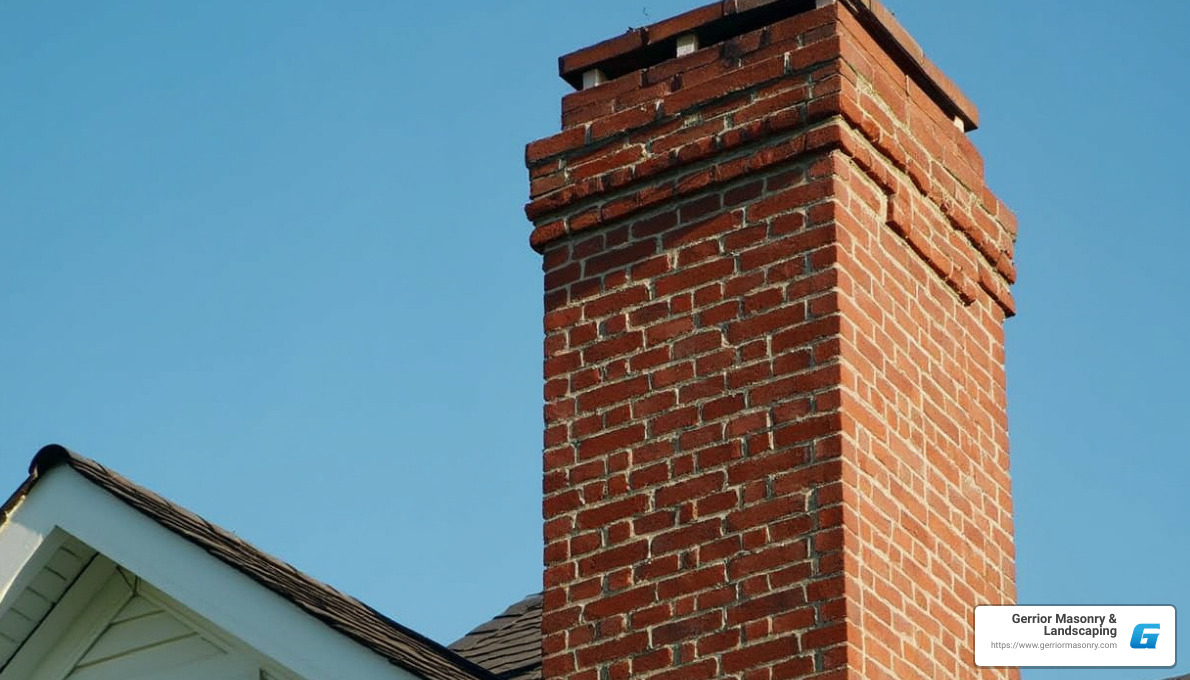
In summary, the durability, visual appeal, and heat resistance of a brick chimney make it a vital component of any home. Understanding these elements helps homeowners appreciate the value of their chimney and the importance of regular maintenance to preserve its functionality and beauty.
Step-by-Step Guide to Fixing Your Brick Chimney
Fixing a brick chimney can seem daunting, but with the right guidance, it’s manageable. Let’s explore the essential steps, focusing on tuckpointing, repairing mortar joints, and ongoing maintenance to keep your chimney in top shape.
Tuckpointing
Tuckpointing is a vital repair process for brick chimneys. It involves removing old, damaged mortar from the joints and replacing it with new, fresh mortar. This not only restores the chimney’s appearance but also its structural integrity.
Steps for Tuckpointing:
- Inspect the Chimney: Look for signs of wear, such as cracks or crumbling mortar. Use binoculars for a closer look if needed.
- Remove Damaged Mortar: Use a chisel or an angle grinder to carefully remove the deteriorated mortar. Aim to clear about 1/2 to 3/4 inch deep.
- Prepare New Mortar: Mix mortar that matches the original in color and texture. This ensures a seamless look.
- Apply New Mortar: Use a trowel to fill the joints with fresh mortar. Press firmly to ensure a good bond.
- Smooth and Shape: Once the mortar is applied, smooth it down to match the existing joints. Let it cure according to the mortar instructions.
Repairing Mortar Joints
Mortar joints are crucial for holding the bricks together. Over time, they can weaken due to weather exposure.
Signs of Damaged Mortar Joints:
- Cracks or gaps in the mortar
- Loose bricks
- Water leaks around the chimney
Repair Process:
- Identify Problem Areas: Focus on joints that are visibly cracked or missing mortar.
- Clean the Joints: Remove dust and debris from the joints using a brush or compressed air.
- Apply Mortar: Similar to tuckpointing, fill the joints with fresh mortar, ensuring it’s compact and smooth.
Maintenance
Regular maintenance is key to extending the life of your brick chimney. Here’s how to keep it in excellent condition:
- Annual Inspections: Have a professional inspect your chimney annually to catch issues early.
- Waterproofing: Apply a breathable sealant to protect against water damage without trapping moisture inside.
- Clean the Chimney: Ensure the flue is clean to prevent blockages and improve efficiency.
By addressing tuckpointing, repairing mortar joints, and maintaining your brick chimney, you’ll preserve its durability and function. Next, we’ll explore how to choose the right brick for your chimney to improve both its performance and visual appeal.
Choosing the Right Brick for Your Chimney
Selecting the right brick for your chimney is crucial for its longevity and performance. Let’s explore three popular options: burnt clay bricks, sand lime bricks, and fire bricks.
Burnt Clay Bricks
Burnt clay bricks are a classic choice for chimneys due to their natural color and texture. These bricks are made by pressing wet clay into molds and then firing them in kilns. The reddish or brown hue they offer can add a timeless elegance to your home.
Benefits:
- Aesthetic Appeal: The natural palette of burnt clay bricks improves the visual appeal of your chimney.
- Durability: Known for their strength, these bricks can withstand severe weather conditions, making them ideal for places like St. Louis, where the weather can be harsh.
However, it’s important to note that burnt clay bricks can be more expensive due to their quality and appearance.
Sand Lime Bricks
Sand lime bricks, also known as calcium silicate bricks, are stronger than many other types of bricks. These are made by mixing sand and lime, then molding them under high pressure.
Advantages:
- Strength: The chemical reaction between sand and lime during production makes these bricks exceptionally strong.
- Versatility: They can be used in various applications, not just chimneys, due to their robust nature.
Sand lime bricks are an excellent choice if you prioritize the structural strength of your chimney.
Fire Bricks
Fire bricks are specifically designed to withstand high temperatures. They are essential for areas of your chimney that come into direct contact with heat.
Key Features:
- Heat Resistance: Capable of withstanding temperatures of several hundred degrees, making them perfect for the inner lining of chimneys.
- Safety: Using fire bricks can improve the safety of your chimney by reducing the risk of heat-related damage.
These bricks are a must-have for any chimney that will be exposed to intense heat, ensuring both safety and longevity.
Choosing the right type of brick for your chimney involves considering factors like durability, heat resistance, and aesthetic appeal. Each type offers unique benefits, so weigh these options carefully to find the best fit for your home.
Common Issues and Repairs
Brick chimneys are a staple in many homes, offering both functionality and charm. However, like any structure, they can face challenges over time. Understanding common issues and how to address them is key to maintaining a brick chimney.
Deterioration
Deterioration is a common issue for brick chimneys, especially in areas with harsh weather conditions. Over time, exposure to the elements can cause the bricks and mortar to break down. This is often seen as:
- Cracks in the bricks or mortar joints
- Spalling, where the surface of the brick flakes off
- Efflorescence, a white powdery substance on the bricks, indicating moisture issues
Regular inspections can help catch these signs early. For minor issues, DIY repairs such as tuckpointing—replacing old mortar with new—can be effective. However, for significant deterioration, hiring a professional is advised.
Moisture Resistance
Moisture is a major enemy of brick chimneys. Water can seep into the bricks, causing them to weaken and crumble. This is exacerbated by freeze-thaw cycles, where trapped water expands and contracts, leading to further damage.
To improve moisture resistance:
- Waterproof your chimney with a breathable sealant. This helps prevent water from entering while allowing moisture to escape.
- Ensure proper flashing and crown installation. These elements protect the chimney from water ingress at the top and where it meets the roof.
Structural Integrity
The structural integrity of a chimney is crucial for safety. Issues like settling foundations or thermal expansion can lead to:
- Vertical or stair-step cracks in the masonry
- Misalignment or leaning of the chimney
Regular maintenance and professional inspections are vital. If you notice significant cracks or leaning, consult a masonry expert to assess the situation. They can provide solutions, such as reinforcing the chimney or addressing foundational issues.
By addressing these common issues, you can ensure your brick chimney remains a safe and efficient part of your home. Regular maintenance and timely repairs are essential to extending the lifespan of your chimney and preventing costly damage.
Frequently Asked Questions about Brick Chimneys
Are brick chimneys safe?
Brick chimneys are generally safe when properly constructed and maintained. They are built to handle high temperatures and channel smoke and gases safely out of your home. The key to safety lies in regular inspections and maintenance.
Common safety concerns include:
- Cracks in the masonry: These can lead to structural instability and potential fire hazards.
- Blocked flues: This can cause dangerous gases, like carbon monoxide, to seep into your home.
- Water damage: Moisture can weaken the structure, leading to potential collapse.
To ensure safety, it’s crucial to inspect your chimney regularly and address any issues promptly. Hiring a professional for an annual inspection is a wise investment in your home’s safety.
How much does it cost to build a brick chimney?
The cost of building a brick chimney can vary widely depending on several factors, such as the size, design, and materials used. Generally, you can expect to pay anywhere from $4,000 to $8,000 for a standard masonry chimney.
Factors influencing cost include:
- Type of bricks: Burnt clay bricks and fire bricks are popular choices, each with different price points.
- Labor costs: Skilled masonry work is essential, and labor costs can vary by region.
- Additional features: Elements like decorative designs or custom finishes can increase the cost.
It’s important to obtain quotes from reputable masonry contractors to get an accurate estimate for your specific project.
Which brick is best for chimneys?
Choosing the right brick for your chimney is crucial for both performance and longevity. Burnt clay bricks and fire bricks are two of the best options available.
- Burnt Clay Bricks: These are widely used for their durability and traditional appearance. They offer good heat resistance and are suitable for most residential chimneys.
- Fire Bricks: Made from refractory ceramic material, these bricks are designed to withstand extremely high temperatures. They are ideal for areas of the chimney exposed to direct flame and intense heat, such as the firebox.
Both types provide excellent durability, but the choice often depends on specific needs and aesthetic preferences. Consulting with a masonry expert can help you select the best option for your chimney.
Conclusion
At Gerrior Masonry & Landscaping, we pride ourselves on delivering high-quality results with every project we undertake. Our skilled team is dedicated to ensuring that your brick chimney is not only functional but also visually appealing and safe for your home.
With over 30 years of experience in masonry services, we understand the importance of a well-maintained chimney. Our team is adept at identifying and addressing common issues such as deterioration, moisture resistance, and structural integrity. We use only the best materials, like burnt clay bricks and fire bricks, to ensure your chimney stands the test of time.
Investing in the maintenance and repair of your chimney is an investment in the safety and comfort of your home. Our commitment to excellence and attention to detail means you can trust us to handle everything from routine inspections to complex repairs.
For those in Woburn, MA, and the surrounding areas, we offer comprehensive chimney repair services custom to meet your specific needs. Whether you’re dealing with minor wear and tear or require a complete rebuild, our team is here to help.
Ready to ensure your chimney is in top condition? Contact us today to schedule an inspection or to learn more about our services. Your home deserves the best care, and at Gerrior Masonry & Landscaping, we are committed to providing just that.
