
Bulkhead Door Replacement Cost: Top 5 Must-Know Facts
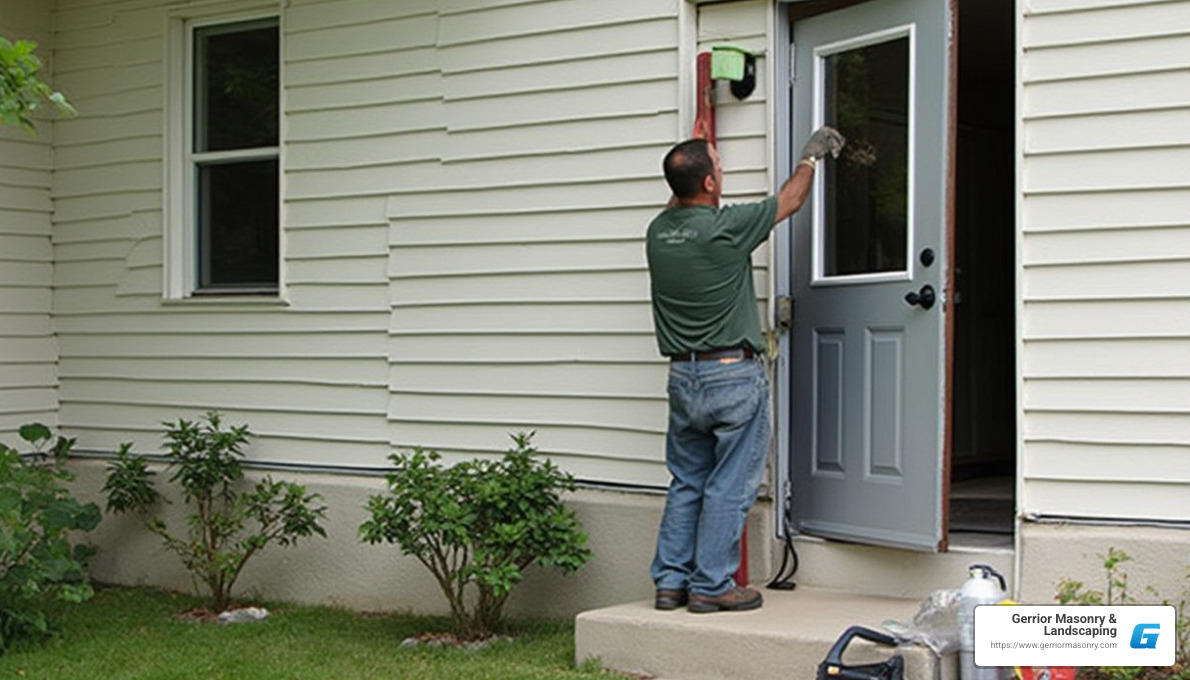
Bulkhead door replacement cost is a key consideration for homeowners looking to protect their basement and improve their property’s curb appeal. On average, depending on materials and labor, costs can range from $500 for wood doors to upwards of $2,000 for higher-end fiberglass options. Budgeting carefully is important to ensure a quality installation without overspending.
Key Points Regarding Bulkhead Door Replacement Cost:
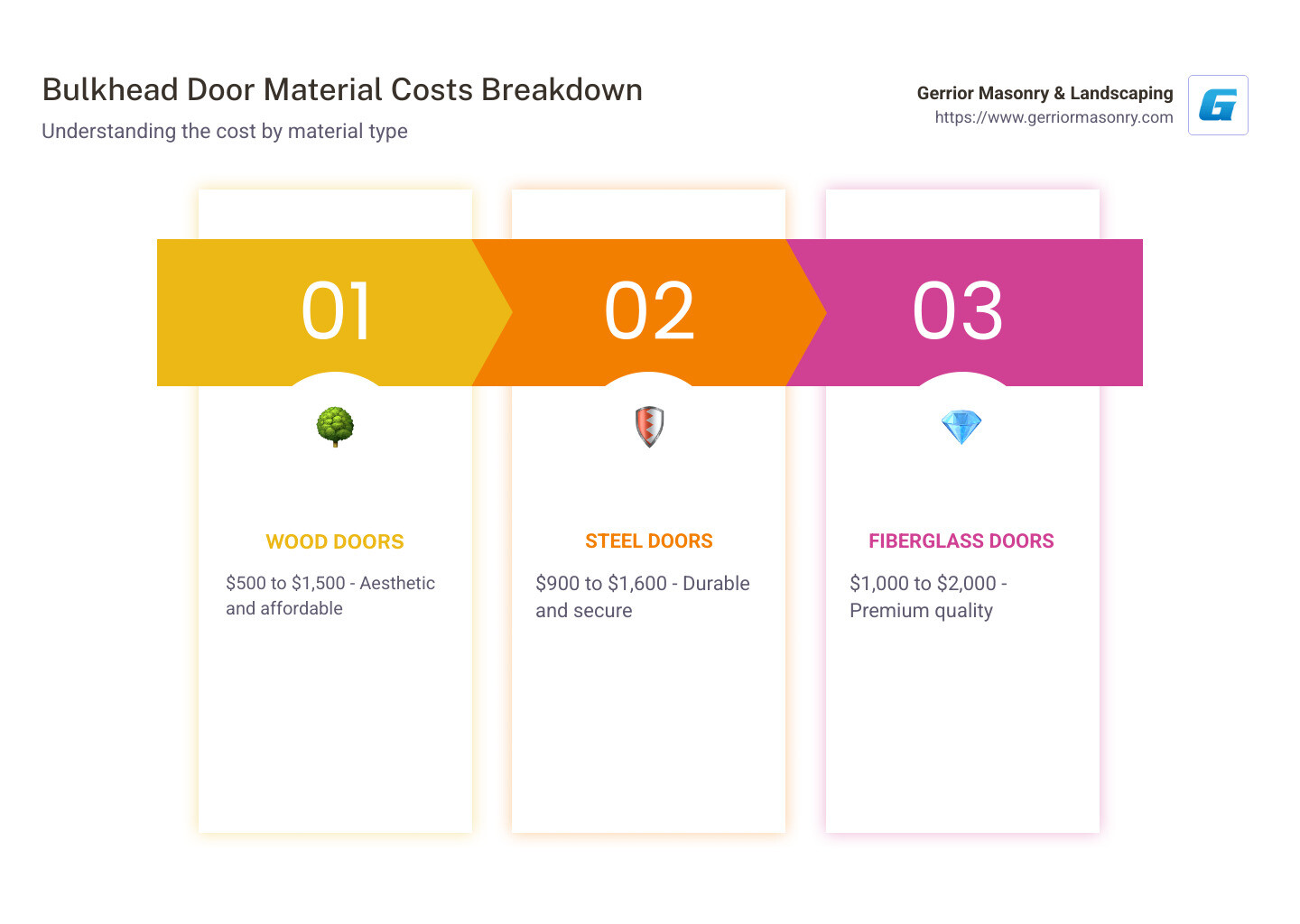
– Wood Doors: $500 to $1,500
– Steel Doors: $900 to $1,600
– Fiberglass Doors: $1,000 to $2,000
– Average Installation Cost: Varies greatly based on complexity and location
Replacing your bulkhead door is an investment that maintains the structural integrity of your home by preventing water damage, ensuring security, and enhancing energy efficiency. The importance of timely replacement cannot be overstated, as neglected doors can lead to expensive repairs.
I’m Joe Gerrior, and I’ve been dedicated to providing top-notch masonry and landscaping services in Massachusetts for over 34 years. My experience, especially in understanding and managing bulkhead door replacement cost, allows me to help homeowners make informed choices that balance functionality, aesthetics, and budget. Read on to find more about what factors impact the cost of replacing your bulkhead door.
Glossary for bulkhead door replacement cost:
– average cost of bulkhead replacement
– basement access doors
– bulkhead door installation
Average Bulkhead Door Replacement Cost
When it comes to bulkhead door replacement cost, understanding the price range and what influences it is crucial. Let’s break it down.
Material Costs Breakdown
The material you choose for your bulkhead door significantly affects the overall cost. Here’s a closer look:
- Wood Doors: These range from $500 to $1,500. While they add a rustic charm, they are prone to rot and require regular maintenance.
- Steel Doors: Priced between $900 and $1,600, steel doors are durable and rust-resistant. They offer excellent security but can corrode over time if not properly maintained.
- Fiberglass Doors: These cost between $1,000 and $2,000. Fiberglass is lightweight, strong, and resistant to rust and cracking, making it a low-maintenance option.
- Vinyl Doors: Although not as common, vinyl doors offer a balance between price and durability. They can be more expensive upfront but often last longer.

Labor and Installation Costs
Labor costs can vary widely depending on several factors:
- Installation Complexity: Simple installations are less expensive. However, if structural modifications are needed, costs can rise significantly.
- Removal Costs: If you need to remove old fixtures, expect to pay anywhere from $130 to $400, depending on the complexity and disposal method.
- Regional Labor Rates: Labor costs can differ based on location. Urban areas often have higher rates compared to rural settings.
Average Installation Cost: This can vary greatly based on complexity and location, often adding an extra $350 to $650 to your project.
Choosing the right material and understanding labor costs will help you budget effectively for your bulkhead door replacement. Up next, we’ll explore how to choose the best door for your needs.
Choosing the Right Bulkhead Door
Choosing the right bulkhead door involves more than just picking a style. It requires considering factors like security, insulation, aesthetics, and durability, all of which can impact the overall cost of replacement. Let’s dive into each aspect to help you make an informed decision.
Security
Security is a top priority for many homeowners. Steel doors are often the go-to choice for those who want maximum protection. They are tough to break into and can withstand harsh weather conditions. If security is your main concern, steel might be your best bet. Keep in mind that steel doors can range widely in price, with high-end options costing significantly more than the average.
Fiberglass doors also offer good security. They are strong and resistant to impacts, making them a solid choice. However, they might not be as robust as steel in extreme conditions. The cost of fiberglass doors can vary, with premium models being much more expensive than standard ones.
Insulation
When it comes to insulation, fiberglass doors shine. They provide excellent thermal insulation, keeping your basement warm in the winter and cool in the summer. This can help reduce your energy bills over time. The cost of fiberglass doors reflects their insulating properties, with prices ranging from affordable to high-end.
Wooden doors also offer decent insulation, but they require regular maintenance to prevent rot and warping, which can compromise their insulating properties. Wooden doors can be more expensive, especially when considering the cost of maintenance over time.
Aesthetics
Aesthetics play a big role in your choice. Wooden doors are often favored for their classic and warm appearance. They can be customized with different stains and finishes to match your home’s style. The cost of wooden doors can vary widely based on the type of wood and customization options.
Fiberglass doors can mimic the look of wood while offering better durability. They come in various styles and finishes, giving you plenty of options to improve your home’s curb appeal. The price range for fiberglass doors can be broad, with high-end models costing significantly more.
Durability
Durability is crucial for long-lasting performance. Steel doors are highly durable but can rust over time if not properly maintained. Applying a powder-coated finish can help extend their lifespan. The cost of steel doors can vary, with premium options being more expensive.
Vinyl doors offer excellent durability and weather resistance. They can withstand harsh conditions without warping or rusting, making them a reliable choice for long-term use. Vinyl doors can range in price, with high-end models being more costly.
Choosing the right bulkhead door is about balancing these factors to meet your specific needs. Consider what matters most to you—whether it’s security, insulation, aesthetics, or durability—and choose accordingly. Remember, these are average costs based on internet data and not actual costs for Gerrior Masonry services. Up next, we’ll discuss the pros and cons of DIY versus professional installation.
DIY vs. Professional Installation
When it comes to bulkhead door replacement, deciding between a DIY approach and hiring a professional can significantly impact your project in terms of cost, time, and quality. Let’s break down the pros and cons of each option.
Cost Savings
DIY Installation can offer substantial savings. On average, you might save around 40% of the total project cost if you do it yourself. This means if the average cost of a bulkhead replacement is $1,750, you could save approximately $700. However, this doesn’t include the cost of tools and materials, which can add up quickly.
Professional Installation, on the other hand, comes with a higher upfront cost. Labor alone can range from $350 to $1,000 or more, depending on the complexity of the project. But this cost includes the expertise and efficiency that professionals bring to the table.
Expertise
Professional installers have the know-how to handle unexpected issues that might arise during installation. They are familiar with best practices and can ensure the job is done right the first time. This expertise can be invaluable, especially if your bulkhead replacement involves complex structural modifications or extensive concrete work.
DIYers need to have a good grasp of carpentry and be comfortable working with materials like concrete and metal. If you’re confident in your skills and have experience with similar projects, DIY might be a viable option.
Efficiency
Efficiency is a significant advantage of hiring professionals. What might take you an entire weekend to accomplish could be completed in just a day by a skilled team. They have the right tools and experience to work quickly and effectively.
In contrast, a DIY project can be time-consuming. Plan to reserve a full weekend for the task. If you have a skilled friend to help, you might finish in a day. Bulkhead doors are heavy, so having at least one assistant is crucial.
In summary, choosing between DIY and professional installation depends on your budget, time, and skill level. DIY offers cost savings but requires a significant time investment and a good deal of skill. Meanwhile, professional installation ensures expertise, efficiency, and peace of mind, albeit at a higher cost.
Next, we’ll tackle some frequently asked questions about bulkhead door replacement costs.
Frequently Asked Questions about Bulkhead Door Replacement Cost
How much does a bulkhead cost per foot?
The cost of a bulkhead can vary significantly, with prices ranging from $100 to $800 per linear foot. This wide range reflects several factors, including the complexity of the project and the materials used. For more straightforward installations, costs tend to be on the lower end. However, projects that require additional features or face challenging site conditions, such as significant excavation or dealing with obstacles like tree stumps, can push costs to the higher end.
How long does a bulkhead last?
The lifespan of a bulkhead is influenced by both the materials used and the environmental conditions it faces. On average, a bulkhead can last around 25 years.
- Wood bulkheads tend to have the shortest lifespan due to their susceptibility to rot and warpage in humid environments.
- Steel bulkheads are more durable but require regular maintenance to prevent corrosion. Applying a powder-coated finish can help extend their life.
- Vinyl bulkheads offer excellent resistance to the elements and can last up to 50 years, although they may warp under extreme heat conditions.
Regular maintenance, such as applying rust-resistant paint to steel bulkheads and treating wooden ones with waterproof sealants, can significantly improve their longevity.
How do you fix a leaking bulkhead?
Fixing a leaking bulkhead often involves sealing the areas where water is entering. Here are some common solutions:
- Waterproof Sealant: Applying a waterproof caulk or hydraulic sealant to the joints of your bulkhead can effectively prevent water from seeping through.
- Concrete Sealant: If the leak is caused by a cracked foundation, using a concrete sealant can help block water entry. This is especially important for bulkheads that are directly attached to the foundation.
- Metal Bonding: For metal bulkheads, rust or corrosion can create leaks. In such cases, using a metal bonding agent can seal the gaps and prevent further water damage.
In some situations, the damage may be too extensive for simple repairs, necessitating a full replacement. If you’re unsure about the extent of the damage, it’s always a good idea to consult a professional for an assessment.
Next, we’ll explore how to choose the right bulkhead door for your home, considering factors like security, insulation, and aesthetics.
Conclusion
When it comes to maintaining the safety and integrity of your home, timely replacement of your bulkhead doors is crucial. A well-maintained bulkhead protects your basement from water damage, improves home security, and can even improve energy efficiency.
Home Safety is our top priority at Gerrior Masonry & Landscaping. We understand that a sturdy and secure bulkhead door is essential for keeping your home safe from the elements and unwanted intrusions. Our team of skilled professionals ensures that every installation is done with precision and care, using high-quality materials to guarantee long-lasting results.
Timely replacement not only prevents potential damage but also saves you money in the long run by avoiding more extensive repairs. A compromised bulkhead door can lead to water seepage, which might result in mold growth and structural damage. We recommend regular inspections to catch any issues early and address them promptly.
At Gerrior Masonry & Landscaping, we offer comprehensive bulkhead replacement services that cater to your specific needs. Whether you’re looking to upgrade to more durable materials like steel or fiberglass, or simply need a repair, we’re here to help. Our experienced team will guide you through the process, ensuring that your new bulkhead door is both functional and aesthetically pleasing.
For more information on our services or to schedule a free estimate, visit our Bulkhead Replacement page. Let us help you improve your home’s safety and value with a new bulkhead door today.
