
Custom Retaining Walls: Top 5 Essential Benefits 2025
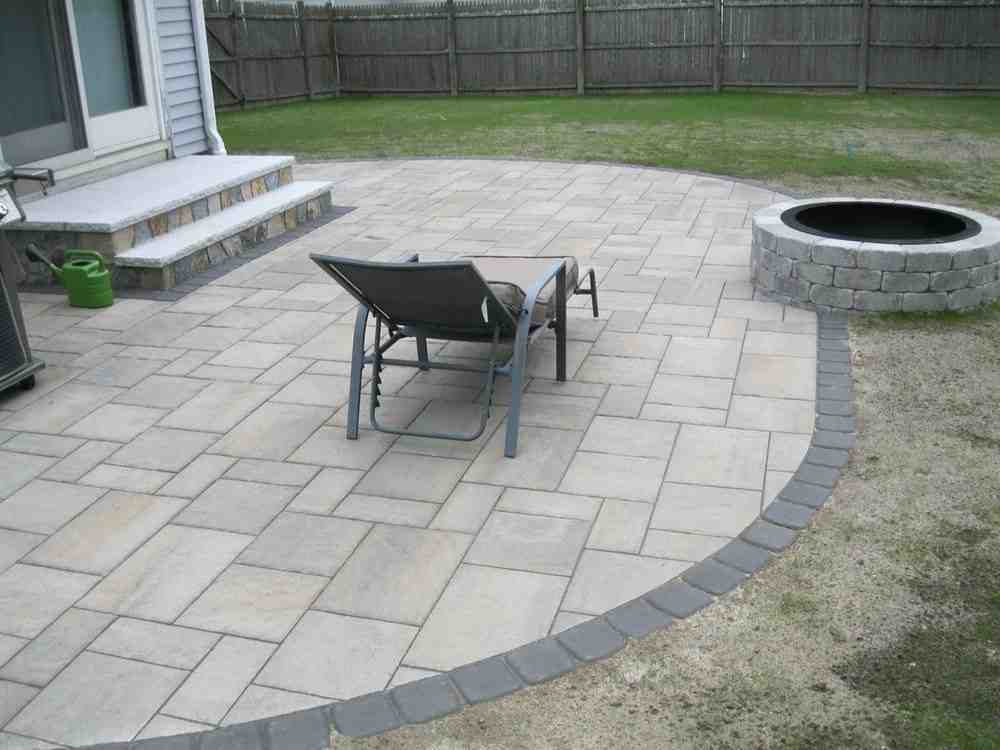
Custom retaining walls serve as a crucial component in changing outdoor spaces, offering both aesthetic and functional benefits. Whether you’re starting on extensive landscape projects or simply looking to improve your patio, these walls can add beauty, privacy, and increased property value. Key considerations include:
- Design: Custom to fit the style of your home.
- Materials: Options like concrete, natural stone, and pavers.
- Functionality: Adds structure and prevents erosion.
- Expertise: Professionals ensure durability.
Building custom retaining walls requires careful planning and high-quality hardscape materials. These materials, which include bricks, concrete, and natural stone, form the backbone of any successful project. They are chosen based on durability, style, and functionality to ensure that the walls withstand environmental challenges while enhancing property aesthetics.
I’m Joe Gerrior, owner of Gerrior Masonry & Landscaping, bringing over 34 years of expertise in crafting exceptional custom retaining walls. My team and I are dedicated to making your landscape visions a reality, ensuring that functionality and beauty go hand in hand.
Custom retaining walls terms at a glance:
– Landscape retaining wall
– Stone wall design ideas
– Stone wall restoration
Understanding Custom Retaining Walls
Custom retaining walls are more than just barriers; they are essential elements in landscaping that blend functionality with beauty. They help manage soil, prevent erosion, and provide a foundation for creative outdoor spaces. Let’s dig into the types and benefits of these walls.
Types of Retaining Walls
- Segmental Retaining Walls
These are built using interlocking blocks, which do not require mortar. They are flexible and can adapt to the natural movements of the earth, providing stability and strength. Their modular nature allows for creative designs and easy installation, making them a popular choice for both residential and commercial projects. - Brick Retaining Walls
Brick walls offer a classic look that complements traditional architecture. They are durable and can withstand harsh weather conditions. The use of brick provides a timeless aesthetic and can be customized to fit various design preferences. - Custom Form Panels
These panels are used to create unique shapes and patterns in retaining walls. They allow for a high degree of customization, enabling the creation of intricate designs that can improve the visual appeal of any landscape. Custom form panels are ideal for projects requiring specific aesthetic outcomes.
Benefits of Custom Retaining Walls
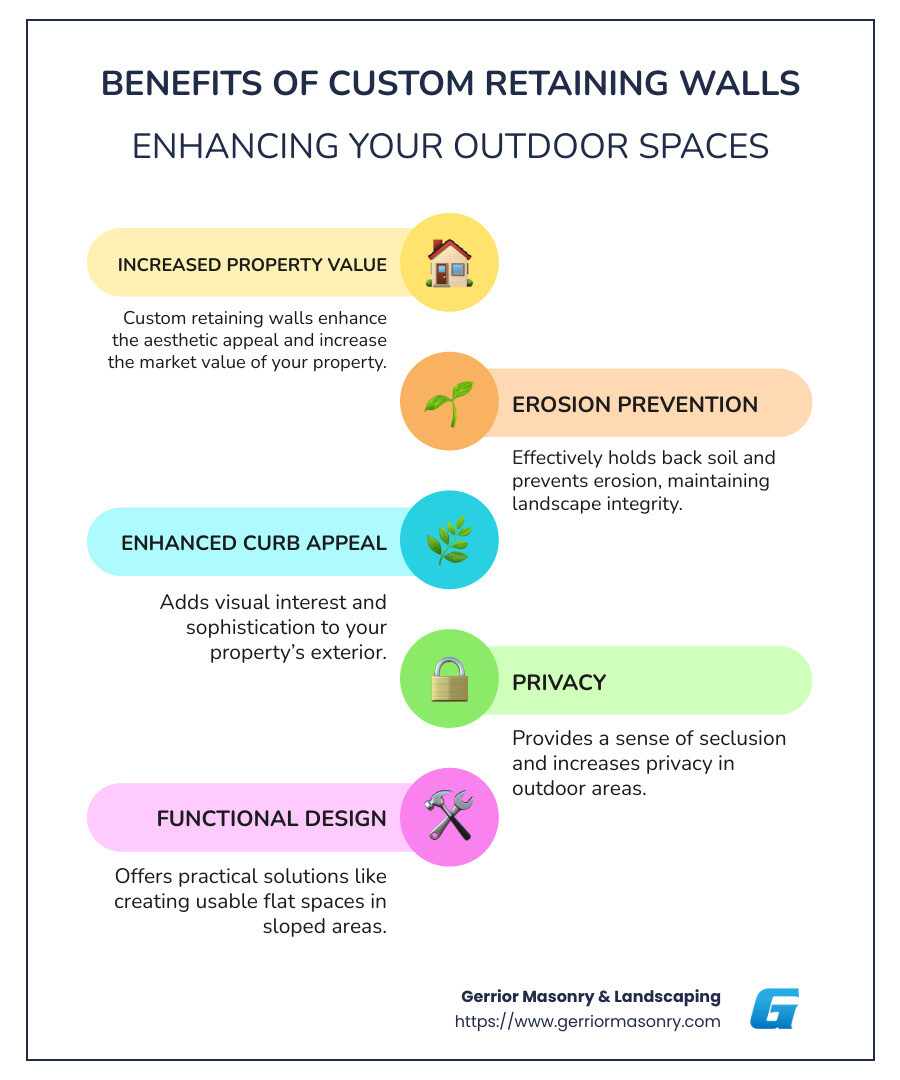
Privacy and Security
Retaining walls can serve as a natural barrier, offering privacy from neighbors and reducing noise pollution. They help delineate property boundaries, providing a sense of security and seclusion.
Curb Appeal
A well-designed retaining wall can significantly improve the appearance of a property. By incorporating natural stone or decorative bricks, these walls add texture and color, boosting the property’s overall aesthetic appeal.

Increased Property Value
Investing in custom retaining walls can lead to a higher property value. They not only improve the look of your landscape but also add functional space, such as terraces and garden beds, which can be appealing to potential buyers.
Functional Benefits
Beyond aesthetics, retaining walls play a crucial role in soil management and erosion control. They provide the necessary support to keep soil in place, especially on sloped terrains, ensuring the stability and longevity of your landscape.
By understanding the types and benefits of custom retaining walls, homeowners can make informed decisions that improve their property’s beauty and functionality. Next, we’ll explore how to design your custom retaining wall, considering essential design elements and planning strategies.
Designing Your Custom Retaining Wall
Designing a custom retaining wall involves more than just picking materials. It’s about creating a structure that fits seamlessly into your landscape while serving its functional purpose. Let’s explore the key elements of design, necessary materials, and whether to tackle the project yourself or hire professionals.
Materials and Tools Needed
When planning your custom retaining wall, selecting the right materials is crucial. Here are some popular choices:
- Retaining Wall Blocks: These are pre-cast concrete blocks that interlock, providing stability without the need for mortar. They are versatile and come in various colors and textures.
- Natural Stone: Offers a beautiful, organic look. It’s durable and can withstand harsh weather, but it requires more skill to install properly.
- Typar Fabric: This is a geotextile fabric used to prevent soil erosion. It helps maintain the integrity of the wall by allowing water to pass through while keeping soil in place.
In addition to these materials, you’ll need basic tools like a level, shovel, and tamper to ensure a solid foundation.
DIY vs. Professional Installation
Deciding between a DIY project and hiring a professional service can impact both the quality of results and the project timeline. Here’s a breakdown of each approach:
DIY Projects
- Pros: Cost savings and the satisfaction of completing a project yourself. Ideal for small walls or those with a straightforward design.
- Cons: Requires time, effort, and some level of skill. Mistakes can lead to structural issues or increased costs down the road.
Professional Service
- Pros: Access to expert knowledge and experience, ensuring the wall is built to last. Professionals can handle complex designs, such as those involving custom form panels or intricate citrus designs.
- Cons: Higher upfront cost. However, this investment often pays off with a durable and aesthetically pleasing result.
Project Planning and Design Elements
Effective project planning is essential to the success of your retaining wall. Here are some design elements to consider:
- Citrus Design: Incorporating citrus plants can add a vibrant touch to your landscape. Make sure the wall’s design allows for proper drainage and sunlight exposure.
- Terracing: For properties with slopes, terracing can create flat, usable spaces while adding visual interest.
- Color and Texture: Choose materials that complement your home and existing landscape. For example, natural stone can provide a rustic feel, while sleek concrete blocks offer a modern look.
By carefully considering these factors, you can design a custom retaining wall that not only improves your landscape but also stands the test of time. Next, we’ll dive into the maintenance and longevity of retaining walls, ensuring they remain functional and beautiful for years to come.
Maintenance and Longevity
Keeping your custom retaining wall in top shape is crucial for its durability and longevity. With proper maintenance, your wall can remain both functional and beautiful for years. Let’s explore common issues, practical solutions, and tips to ensure your wall stands the test of time.
Common Issues and Solutions
1. Leak Prevention
Water can be a formidable enemy to retaining walls. To prevent leaks and water damage, ensure your wall has proper drainage. This involves installing drainage pipes or using gravel to allow water to escape. Regularly check for blockages and clear any debris that might obstruct water flow.
2. Grading
Proper grading is essential to direct water away from the wall. If water pools at the base, it can lead to erosion or even cause the wall to fail. Make sure the land slopes away from the wall and regrade the area if necessary.
3. Structural Integrity
Cracks and shifts can compromise the structural integrity of your wall. Regular inspections can help catch small issues before they become big problems. If you notice any damage, address it promptly. For minor cracks, a simple patch might suffice, but larger issues may require professional help.
4. Vegetation Management
While plants can improve the look of your retaining wall, roots can cause damage over time. Trim back any overgrown vegetation and avoid planting trees or large shrubs too close to the wall. Consider using root barriers to prevent roots from undermining the structure.
5. Seasonal Maintenance
In colder climates, prepare your wall for winter to avoid freeze-thaw damage. Remove any debris and seal porous surfaces if needed. Use de-icing products specifically designed for hardscaping to avoid surface damage.
Long-Lasting Options
1. Use Quality Materials
Choosing the right materials can significantly impact the longevity of your wall. Retaining wall blocks and natural stone are durable options that can withstand harsh weather conditions.
2. Regular Cleaning and Sealing
Keep your wall clean to prevent the buildup of dirt and stains. Regularly clean it with a mild detergent and water. Sealing the surface can protect it from moisture and sun damage, extending its lifespan.
3. Professional Inspections
Periodic professional inspections can identify potential problems early. Experts can provide maintenance advice and carry out necessary repairs to keep your wall in prime condition.
By following these maintenance tips and addressing common issues promptly, your custom retaining wall can remain a sturdy and attractive feature of your landscape. Up next, we’ll tackle frequently asked questions about custom retaining walls to help you make informed decisions for your project.
Frequently Asked Questions about Custom Retaining Walls
What are the costs associated with custom retaining walls?
The cost of custom retaining walls can vary widely based on several factors. These include the materials used, the complexity of the design, and the size of the wall. For instance, natural stone is often more expensive than concrete blocks due to its aesthetic appeal and durability. However, concrete blocks are a popular choice for their cost-effectiveness and ease of installation.
Labor costs also play a significant role. If you choose to hire professionals, expect to pay for their expertise and time. According to Gerrior Masonry, professional installation ensures quality results, which can be a worthy investment in the long run.
How do I choose the right materials for my retaining wall?
Selecting the right materials is crucial for both the functionality and appearance of your wall. Here are some tips:
- Consider Durability: Materials like natural stone and concrete pavers are known for their durability. They withstand harsh weather and require minimal maintenance.
- Match Your Home’s Style: If your home has a modern design, concrete or steel may complement it well. For a more traditional look, brick or natural stone might be more suitable.
- Think About Functionality: If your wall is meant to hold back soil, materials with good structural integrity like segmental retaining wall blocks are ideal.
- Budget Considerations: Always keep your budget in mind. It’s possible to find high-quality materials that fit within your financial constraints.
For more detailed guidance, consulting with experts like Gerrior Masonry can help you make an informed decision based on your specific needs and environment.
Can custom retaining walls be used for both residential and commercial projects?
Absolutely! Custom retaining walls are versatile and can be adapted for both residential and commercial settings. They serve practical purposes, such as preventing soil erosion and managing water drainage, while also enhancing the visual appeal of a property.
For residential projects, these walls can create beautiful garden terraces or provide privacy. In commercial spaces, they can define landscaped areas or support large-scale earthworks. The key is to tailor the design and materials to the specific requirements of the project, whether it’s a cozy backyard or a sprawling commercial landscape.
In both cases, working with a skilled team ensures that the retaining wall meets safety standards and achieves the desired aesthetic results.
Conclusion
When it comes to changing outdoor spaces, Gerrior Masonry & Landscaping stands out as a leader in the field. With over 30 years of experience, our team is dedicated to delivering high-quality results that exceed expectations. Our expertise in custom retaining walls is backed by a commitment to craftsmanship and customer satisfaction.
Why Choose Us?
Our skilled team is our greatest asset. Each member brings a wealth of knowledge and a passion for excellence to every project. From the initial design phase to the final installation, we ensure meticulous attention to detail. This dedication is why our clients trust us to bring their visions to life.
We understand that every project is unique. Whether you’re looking to improve the curb appeal of your home or need a functional retaining wall for a commercial property, we tailor our services to meet your specific needs. Our custom solutions not only improve the aesthetics of your space but also add value and functionality.
Our Commitment to Quality
At Gerrior Masonry & Landscaping, we are committed to using only the best materials and techniques. This ensures that your retaining wall is not only beautiful but also durable and long-lasting. Our focus on quality craftsmanship means that you can enjoy your outdoor space for years to come.
Choosing the right partner for your landscaping project is crucial. With our experience, skilled team, and dedication to high-quality results, Gerrior Masonry & Landscaping is your go-to choice for custom retaining walls in Massachusetts.
To learn more about how we can help transform your outdoor space, visit our Landscape Design and Installation page. Let us help you create the perfect landscape that reflects your style and needs.
