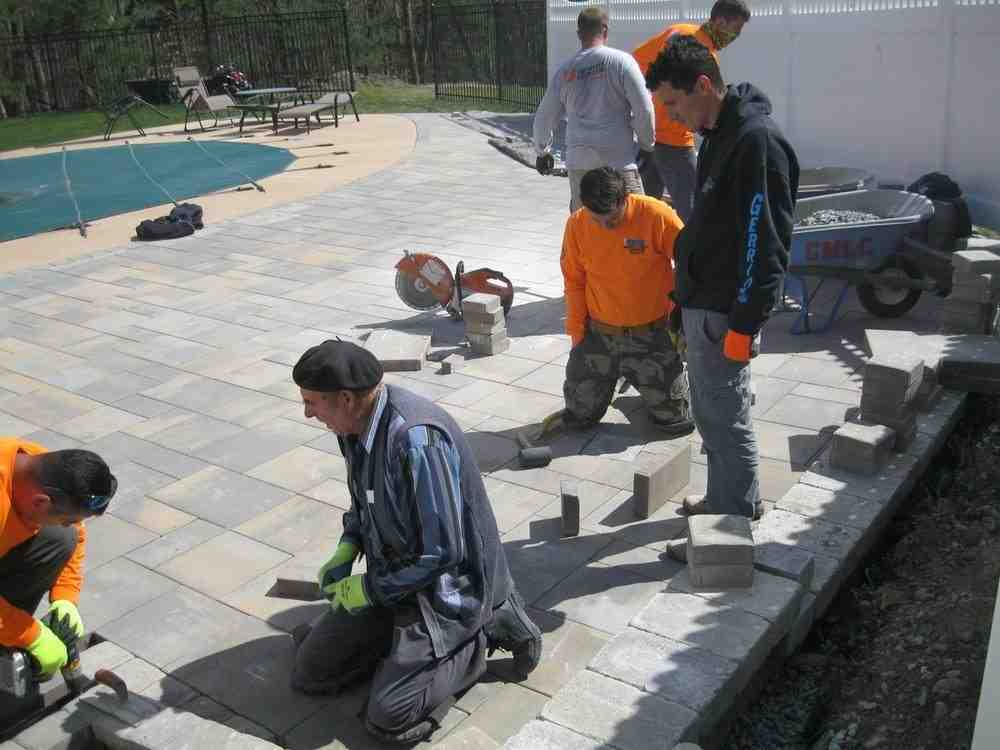
Hardscaping Design: 7 Powerful Tips for Stunning Results 2025
Why Hardscaping Design Is the Foundation of Great Outdoor Spaces
Hardscaping design is the process of integrating non-living materials like stone, concrete, and wood into your outdoor space to create functional, beautiful areas for entertaining, relaxing, and daily use. According to a 2022 National Association of Home Builders survey, 58% of homeowners now prioritize connecting with nature in their design choices, making hardscaping more popular than ever.
Key elements of hardscaping design include:
- Patios and decks – primary entertainment and relaxation areas
- Walkways and driveways – safe, attractive pathways around your property
- Retaining walls – functional structures that manage slopes and create level spaces
- Fire features – fire pits and fireplaces for year-round outdoor enjoyment
- Water features – fountains, ponds, and waterfalls for ambiance
- Outdoor kitchens – complete cooking and dining spaces outside
Unlike landscaping (which focuses on plants), hardscaping creates the structure of your outdoor space. These permanent features reduce maintenance, increase your home’s value, and provide year-round functionality – even during New England’s harsh winters.
I’m Joe Gerrior, owner of Gerrior Masonry & Landscape Construction Corp., and I’ve been helping Massachusetts homeowners create stunning outdoor spaces for over 34 years. My approach to hardscaping design combines artistic vision with practical functionality, ensuring every project improves both your property’s beauty and daily usability.
Hardscaping design terms made easy:
– front yard hardscaping
– hardscaping ideas
– what is hardscaping
Hardscaping Design 101: What It Is & Why It Matters
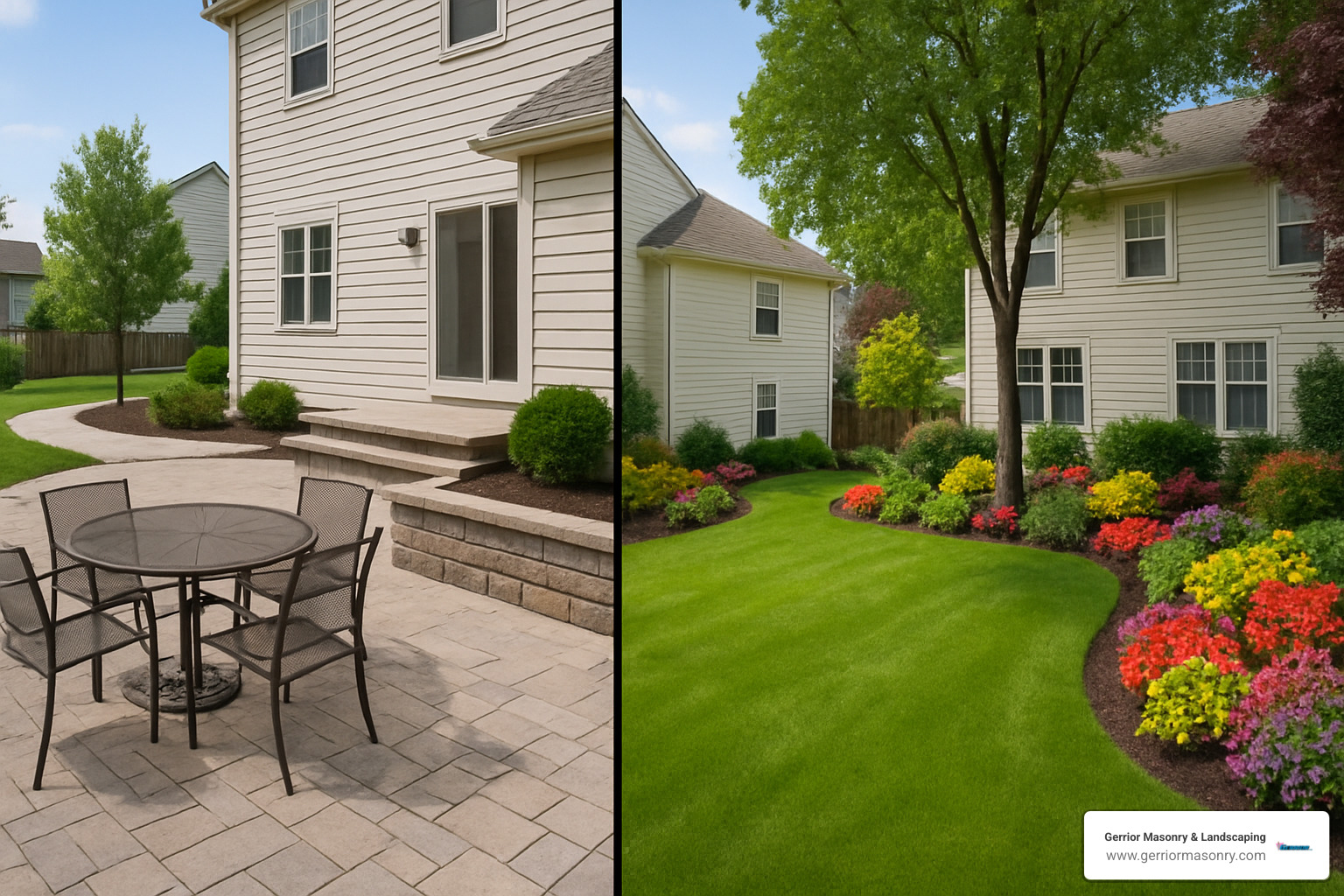
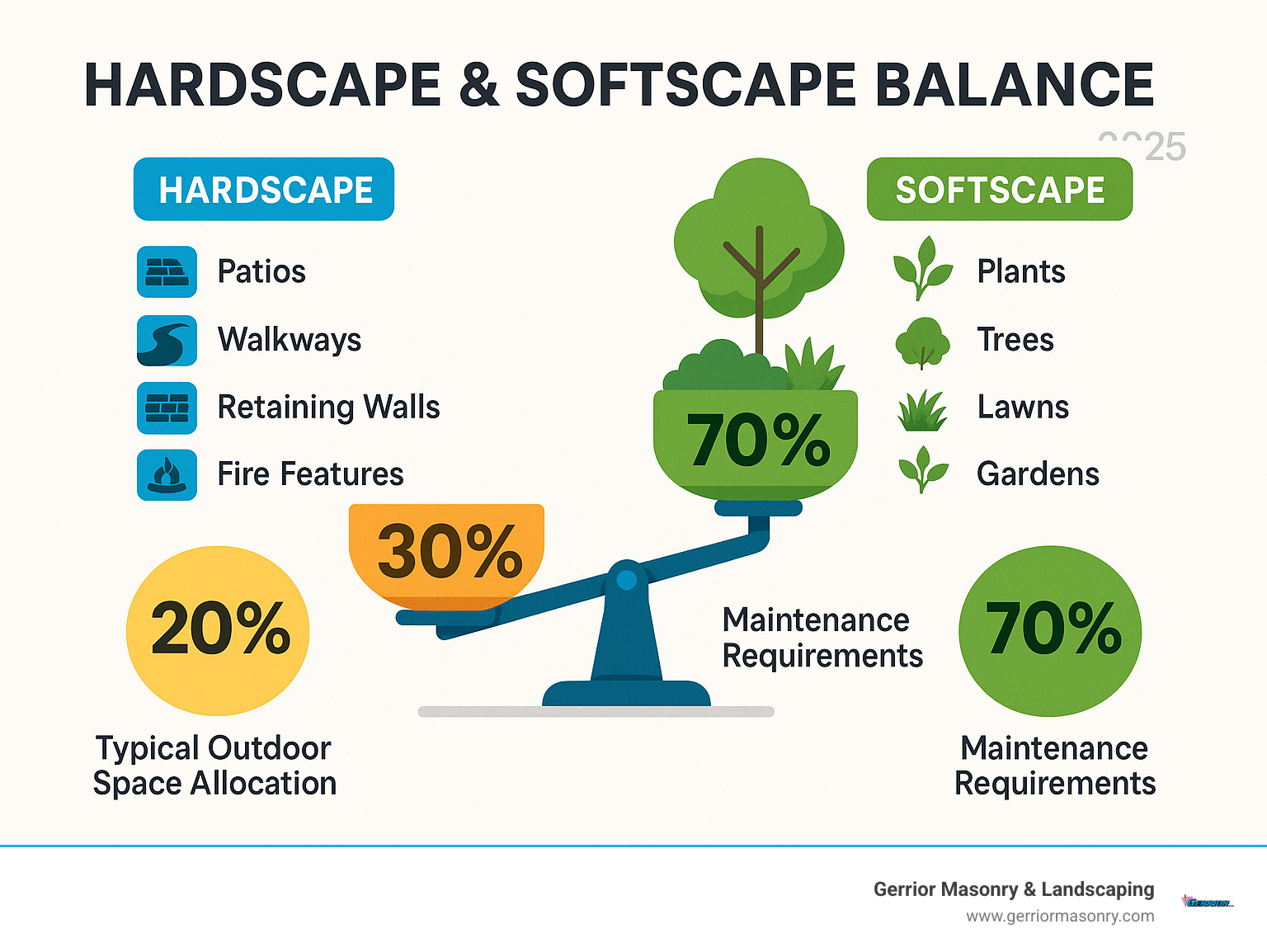
Hardscaping design refers to the architectural elements of your outdoor space – the permanent, non-living structures that create form and function. Think of it as the “bones” of your landscape, while softscaping (plants, grass, flowers) provides the “flesh” that brings it to life.
Hardscape elements include:
– Patios, decks, and terraces
– Walkways, paths, and driveways
– Retaining walls and garden walls
– Fire pits, fireplaces, and outdoor kitchens
– Water features like fountains and ponds
– Pergolas, gazebos, and arbors
Softscape elements include:
– Trees, shrubs, and perennial plants
– Lawns and groundcover
– Flower beds and container gardens
– Mulch and decorative plantings
The magic happens when these elements work together. A well-designed hardscape provides structure and year-round interest, while thoughtful softscaping adds color, texture, and seasonal beauty. More info about What is Hardscaping?
Key Benefits of Hardscaping Design
Water Savings & Reduced Maintenance
Hardscaping can significantly reduce your property’s water needs. When we replace high-maintenance lawn areas with attractive stone patios or gravel pathways, homeowners often see their water bills drop by 20-30%.
Year-Round Usability
Unlike grass that goes dormant or flower beds that disappear in winter, hardscape features provide structure and functionality throughout New England’s changing seasons.
Entertainment & Living Zones
Modern hardscaping design creates outdoor “rooms” that extend your home’s living space. Research from the latest research on outdoor living trends shows that homeowners increasingly want seamless indoor-outdoor connections.
Improved Accessibility
Hardscape features like level patios, gentle-slope walkways, and seating walls make outdoor spaces more accessible for family members of all ages and abilities.
Planning Your Hardscape Project Step-by-Step
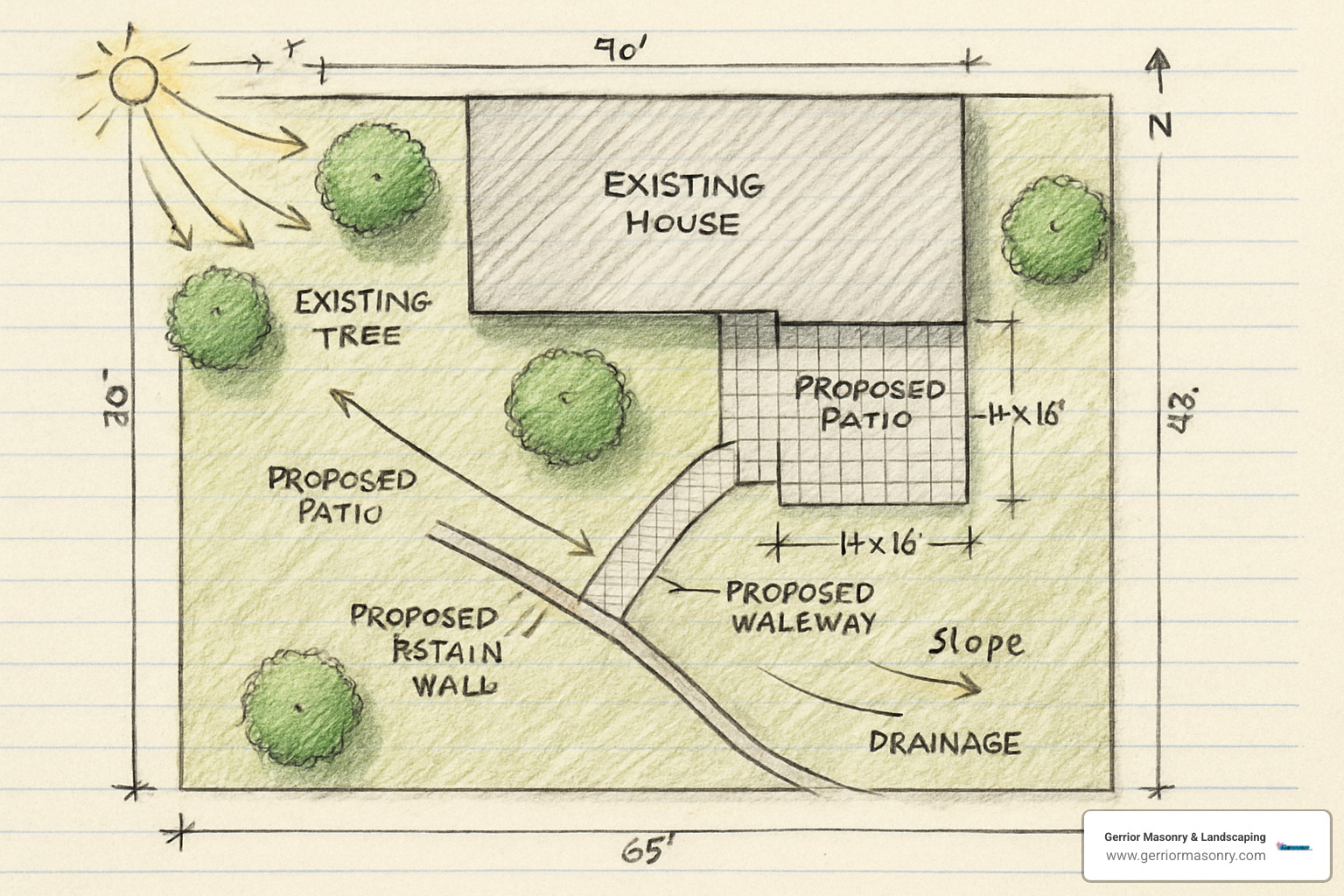
The secret to successful hardscaping design isn’t fancy tools or expensive materials – it’s taking the time to plan properly. After 34 years of building outdoor spaces across Massachusetts, I’ve learned that proper planning saves thousands of dollars and countless headaches.
Start your site analysis by walking around your property at different times – early morning, afternoon heat, and evening. Notice where the sun hits hardest, which spots stay cool and shady, and where water naturally flows during rainstorms. Mark down where your underground utilities run (call 811 first – it’s free and required by law).
Grading is understanding how water moves across your land. Water always wins, so work with it instead of against it. Your hardscape surfaces need to slope away from your house – about a quarter-inch drop for every foot of distance.
Pay attention to sun and shade patterns throughout the day and seasons. That sunny breakfast spot in June might be a blazing furnace in August. These patterns will determine where you want your morning coffee patio versus your evening fire pit area.
Watch how your family naturally moves through your outdoor space – this is your traffic flow. Design your walkways and gathering spaces to work with these natural patterns, not against them.
For more detailed guidance, check out our comprehensive resource on The Importance of Proper Drainage in Hardscaping and Masonry Projects.
Creating a Hardscaping Design That Fits Your Home
Your hardscape should feel like a natural extension of your house. Architectural harmony starts with really looking at your home’s style. A classic colonial calls for different materials and patterns than a sleek contemporary house.
Material echoes create visual connections that make everything feel intentional. If your house has natural stone accents, incorporate similar stone in your patio or walls. The goal isn’t perfect matching – it’s creating a pleasing relationship between materials.
Popular Features & Material Options: Patios, Walkways & Beyond
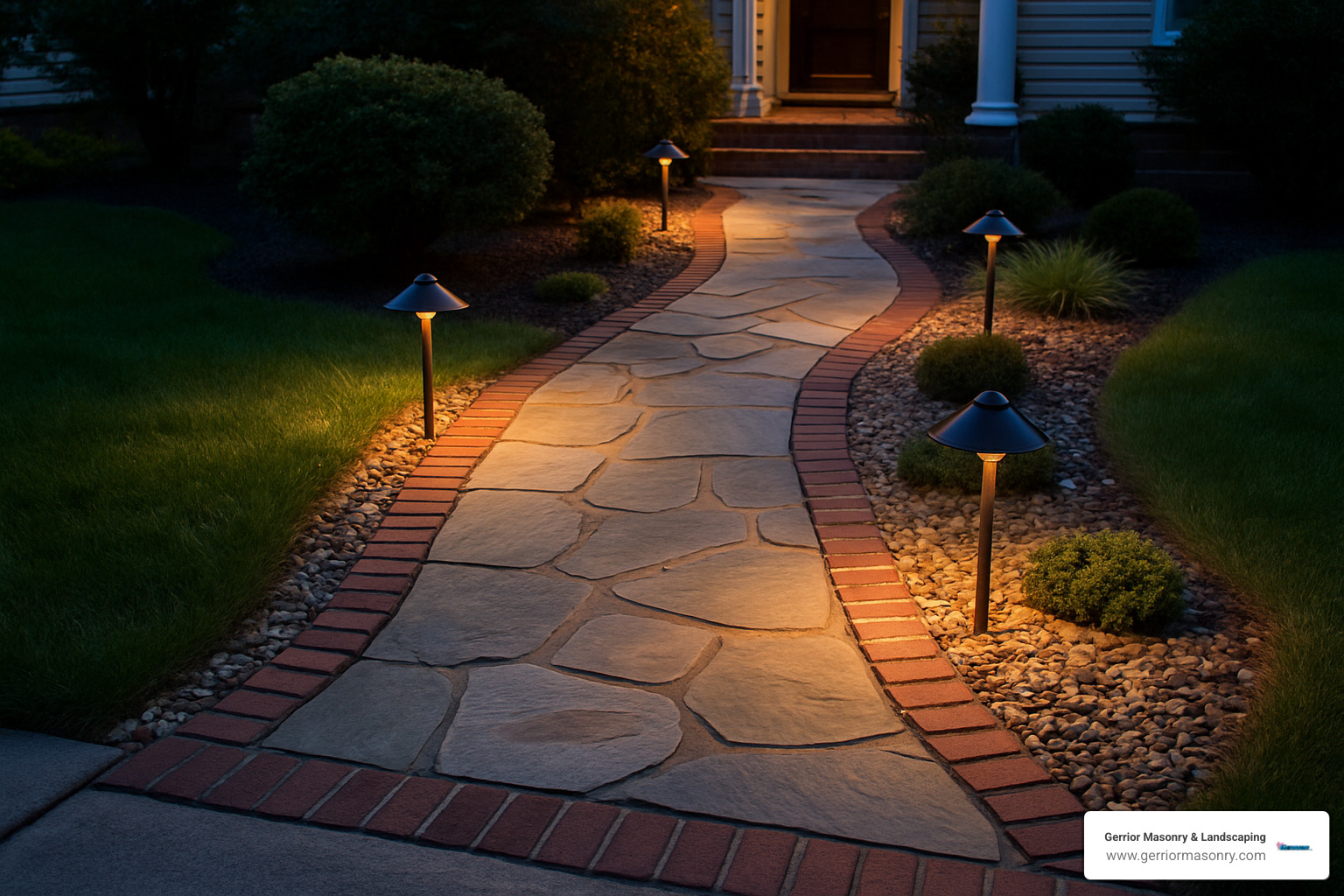
When it comes to hardscaping design, choosing the right materials comes down to three simple questions: How will you use the space? What’s your maintenance comfort level? And what’s your realistic budget?
The secret to beautiful hardscaping isn’t always using the most expensive materials. It’s about selecting durable surfaces that match your lifestyle while creating comfort for daily use.
For detailed guidance on making these material decisions, check out our comprehensive guide on How to Choose the Right Hardscaping Materials for Your Project.
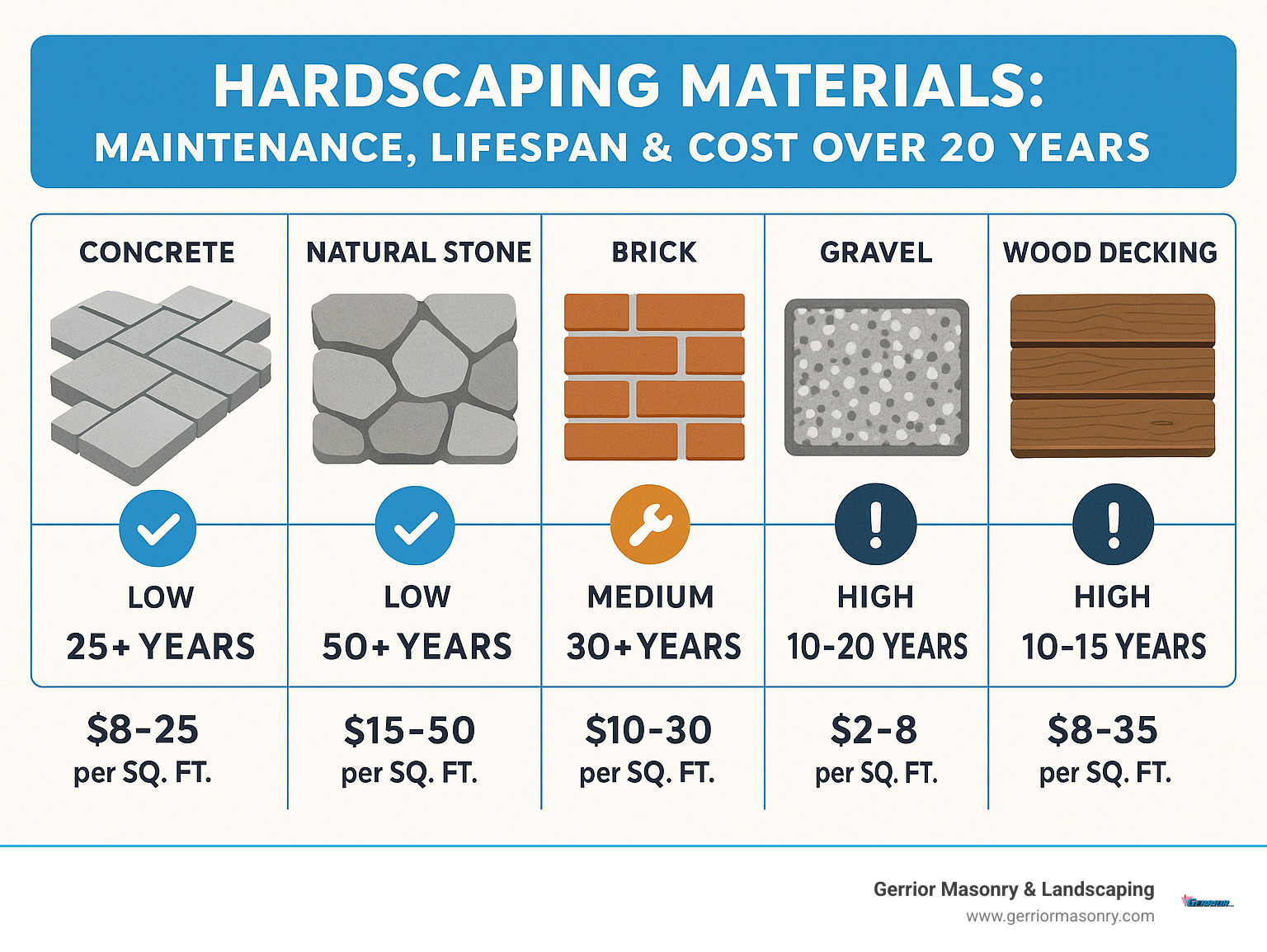
Hardscaping Design Materials: Pros, Cons & Price Ranges
These are average costs based on internet data and not actual costs for Gerrior Masonry services.
| Material | Cost Range* | Durability | Pros | Cons |
|---|---|---|---|---|
| Concrete | $3-15/sq ft | Good (15-25 years) | Affordable, versatile, can be stamped/colored | Can crack, limited design options |
| Concrete Pavers | $8-25/sq ft | Excellent (25+ years) | Easy repair, many styles, good drainage | Higher cost, can shift without proper base |
| Natural Stone | $15-50/sq ft | Excellent (50+ years) | Beautiful, unique, increases value significantly | Most expensive, requires skilled installation |
| Brick | $10-30/sq ft | Very Good (30+ years) | Classic appearance, good for traditional homes | Can fade, mortar joints need maintenance |
| Gravel | $2-8/sq ft | Good (10-20 years) | Very affordable, excellent drainage, easy DIY | Requires edging, can scatter |
Premium installations with complex patterns or high-end materials can easily cost 3× these ranges or more.
Balancing Aesthetics, Sustainability & Trends
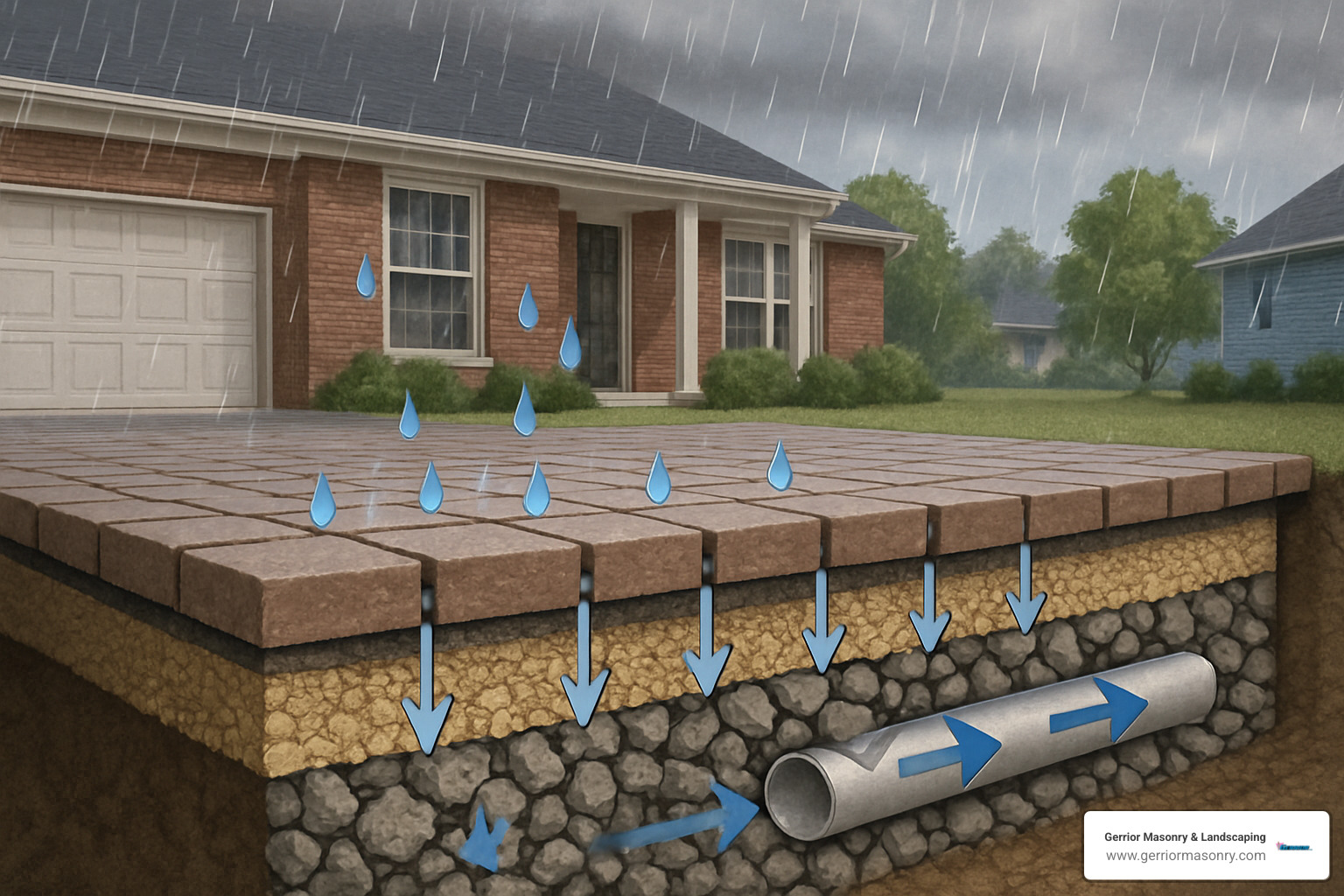
Today’s hardscaping design is about creating gorgeous outdoor spaces that also help the planet. After three decades in this business, I’ve watched sustainability move from a nice-to-have to a must-have for many homeowners.
Permeable pavers are game-changers for Massachusetts homeowners dealing with heavy spring rains and summer downpours. Instead of sending all that water rushing into storm drains, these smart surfaces let it soak right through into the ground below.
Recycled and reclaimed materials bring character you simply can’t buy new. We’ve used old granite curbing from Boston streets, brick from demolished mill buildings, and concrete from highway projects. These materials tell stories while reducing waste.
For more detailed information about sustainable practices, check out our guide on Sustainable Hardscaping: The Future is Green with Gerrior Masonry.
Budget-Friendly Hardscaping Design Tricks
Gravel patios are incredibly underrated. With proper base preparation and attractive edging, a gravel patio can look intentional and sophisticated.
Salvaged materials are treasure hunts waiting to happen. Old sidewalk sections make excellent stepping stones. Demolished chimney brick often has beautiful character and costs a fraction of new brick.
Phased construction is smart budgeting. Start with your most essential element – usually a basic patio for outdoor dining and relaxation. Add features like fire pits or outdoor kitchens in later phases.
Safety & Family-Friendly Considerations
Non-slip surfaces are crucial, especially around pools, steps, and areas that might get wet. Natural stone with a cleft surface or textured concrete provide good traction without looking industrial.
Rounded edges on walls, steps, and raised planters prevent injuries from inevitable bumps and falls. Sharp corners at child height are accidents waiting to happen.
Installation, Costs & Finding the Right Help
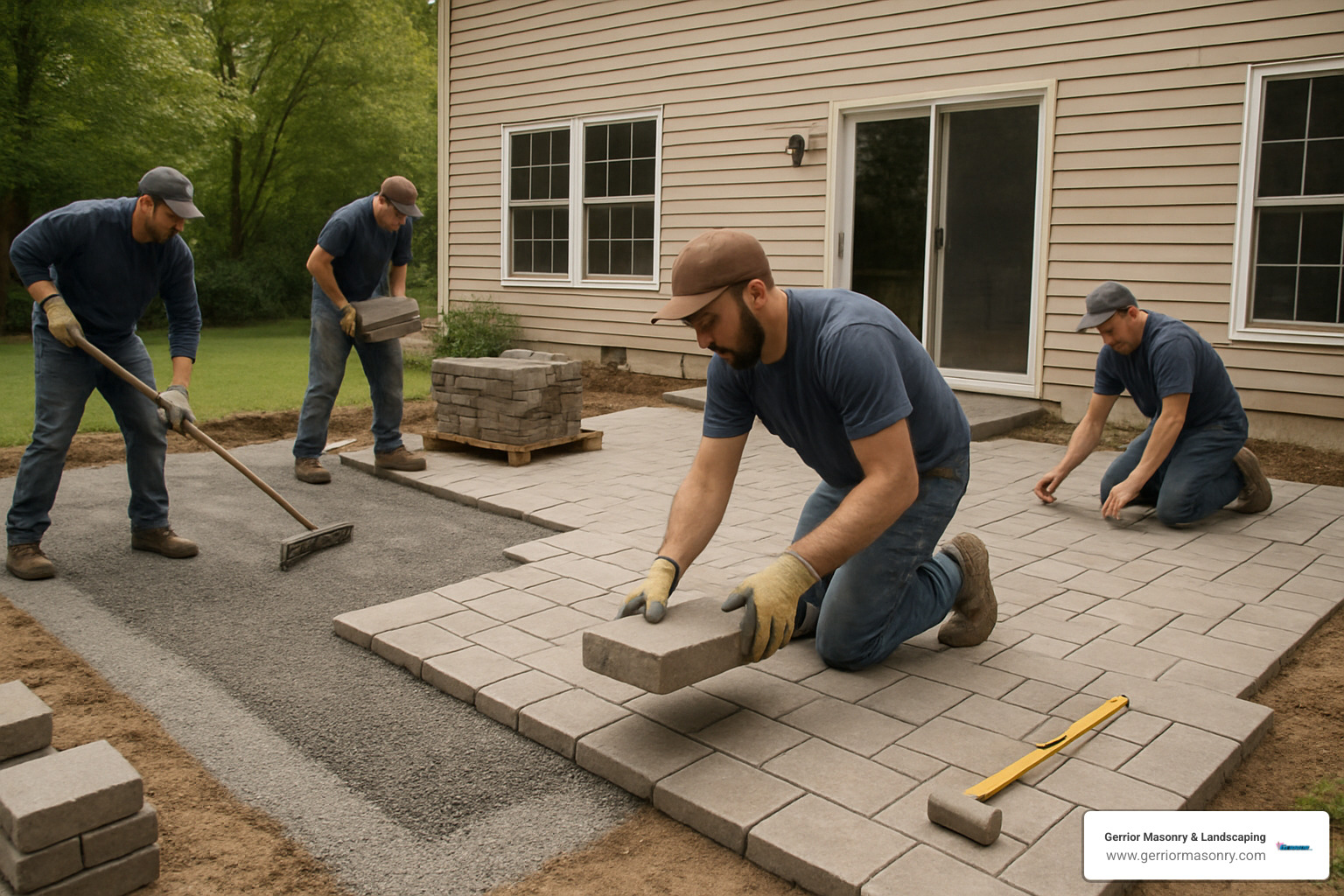
The moment arrives when your hardscaping design moves from dream to reality. After 34 years in this business, I’ve seen homeowners make both brilliant decisions and costly mistakes at this crucial stage.
Some hardscape projects are perfect weekend warrior territory. Installing a simple gravel path, building a basic fire pit with pre-made blocks, or creating small raised planters can be satisfying DIY projects.
But structural retaining walls over 3 feet high, complex drainage systems, electrical work for lighting, and large-scale grading require professional expertise. I’ve repaired too many “bargain” retaining walls that failed because the builder didn’t understand soil pressure or proper drainage.
These are average costs based on internet data and not actual costs for Gerrior Masonry services: A basic concrete patio typically runs $1,200-$4,500 for a 12×12 to 16×20 area. Paver patios of similar size range from $2,500-$8,000, while natural stone patios can cost $4,000-$15,000 or more. Retaining walls average $25-$75 per square foot, fire pits range from $800-$5,000+, and outdoor kitchens span $5,000-$25,000+.
High-end installations with premium materials and complex designs can cost three to five times these ranges.
For professional design and installation services, visit our Hardscape Design Services page.
Working With a Contractor: Questions to Ask
Finding the right contractor makes the difference between a dream project and a nightmare experience. Start by reviewing portfolios of recent work similar to your project.
Reference checks are essential. Contact previous clients and ask: Did the project finish on time? Were there unexpected costs? How did the contractor handle problems?
Drainage planning separates professional contractors from weekend warriors. Any serious hardscape contractor should provide detailed drainage plans showing exactly how water will be managed.
The right contractor becomes your partner in creating outdoor spaces you’ll enjoy for decades. Take time to find someone who combines technical expertise with clear communication and stands behind their work with solid warranties.
Gerrior Masonry & Landscape Construction is based in Woburn, MA, and proudly services all of Middlesex and Essex County, Massachusetts.
Frequently Asked Questions about Hardscaping Design
What is the difference between hardscape and landscape maintenance?
Hardscape maintenance focuses on caring for the permanent, structural elements of your outdoor space. This means cleaning your stone patio periodically, sealing natural stone surfaces every few years, and checking that drainage systems are flowing properly. The good news? This type of maintenance happens much less frequently than traditional landscaping work.
Landscape maintenance involves all the living, growing elements of your yard – weekly lawn mowing, regular pruning and trimming, fertilizing plants, and pulling weeds.
Well-designed hardscaping design actually reduces your overall maintenance burden significantly. That beautiful stone patio might need cleaning and sealing every couple of years, but the lawn area it replaced would have demanded weekly mowing, regular watering, and fertilizing.
How long does a typical hardscape project take from design to completion?
The design phase typically takes 1-3 weeks. Permitting, if required, adds another 2-6 weeks to your timeline.
For actual construction, simple projects like a basic patio or walkway usually take 3-7 days. Medium-complexity projects typically require 1-2 weeks. Complex projects with outdoor kitchens can take 2-6 weeks.
Weather plays a huge role in our Massachusetts timelines. Winter essentially stops most hardscape work, and spring scheduling fills up fast.
Can hardscapes be eco-friendly in cold New England winters?
Absolutely! Permeable surfaces allow snow melt and spring rain to filter naturally through the surface rather than creating runoff that overwhelms storm drains. They handle freeze-thaw cycles well and reduce ice buildup.
Using locally-sourced materials makes environmental sense and ensures your hardscape can handle our weather extremes. One of the biggest environmental benefits is reduced chemical dependency – hardscapes eliminate the need for lawn fertilizers and pesticides.
Conclusion
Your journey into hardscaping design doesn’t have to be overwhelming. Whether you’re dreaming of a simple stone patio for morning coffee or envisioning an elaborate outdoor kitchen for family gatherings, the principles remain the same: thoughtful planning, quality materials, and proper installation create outdoor spaces that truly improve your daily life.
Think of hardscaping as an investment that keeps giving back. Unlike many home improvements that primarily benefit resale value, a well-designed hardscape improves your quality of life every single day. That fire pit becomes the gathering spot for s’mores with the kids. Your stone walkway makes those winter trips safer and more pleasant.
The beauty of hardscaping lies in its permanence and low maintenance. While your neighbor is out mowing and watering their lawn every weekend, you’ll be relaxing on your stone patio with a good book.
Starting small is perfectly fine. Many of our most satisfied clients began with a basic patio and added features over several years as their needs and budgets allowed.
Proper drainage cannot be overstated in our New England climate. Whether you tackle this as a DIY project or hire professionals, never compromise on drainage planning.
Ready to transform your outdoor space? Our team at Gerrior Masonry & Landscaping has been helping Massachusetts homeowners create stunning hardscapes for over 30 years. We bring skilled craftsmanship and owner oversight to every project, ensuring your investment delivers the beauty and functionality you envision. More info about Hardscape Design Services
From simple walkways to elaborate outdoor kitchens, we’ve seen how the right hardscaping design can completely transform not just a property, but how a family enjoys their home.
Gerrior Masonry & Landscape Construction is based in Woburn, MA, and proudly services all of Middlesex and Essex County, Massachusetts.