
Install Pavers: Top 10 Easy Steps for Perfect Results
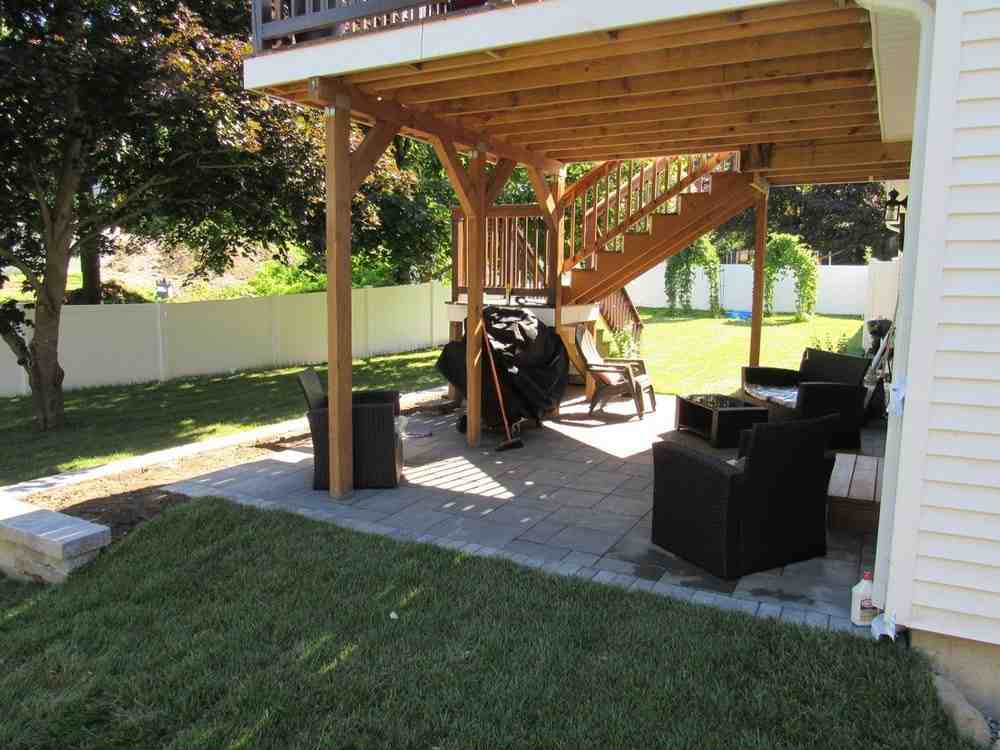
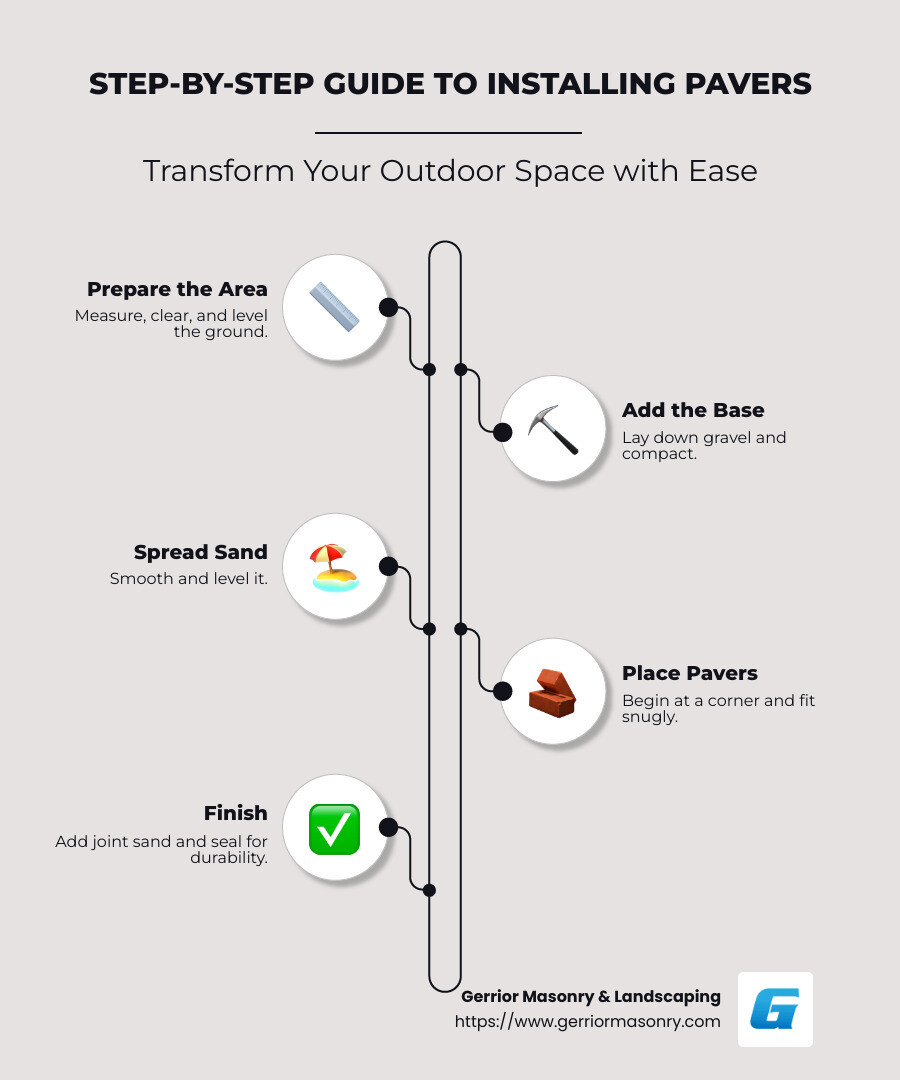
Install pavers and transform your outdoor space with ease. If you’re short on time, here’s a quick rundown of the process:
- Prepare the area: Measure, clear, and level the ground.
- Add the base: Lay down gravel and compact.
- Spread sand: Smooth and level it.
- Place pavers: Begin at a corner and fit snugly.
- Finish: Add joint sand and seal for durability.
For homeowners looking to improve their yards, install pavers offers a practical and beautiful solution. Not only do they add a durable and low-maintenance option for creating patios or walkways, but they also provide the flexibility to design both aesthetic and functional outdoor spaces. Whether you’re envisioning a cozy patio for morning coffees or an neat pathway, the appeal of pavers lies in their variety and endurance.
I’m Joe Gerrior, and I’ve spent over 34 years changing outdoor living spaces in Massachusetts. With a commitment to quality, my experience with install pavers ensures your project becomes a stunning feature in your home.
Find more about install pavers:
– backyard patio pavers
– patio installation contractors
– find contractors to install patio doors
Preparing the Ground for Paver Installation
Before you can lay the first paver, the ground must be properly prepared. This is crucial for ensuring a stable and long-lasting installation. Let’s break down the steps involved:
Excavation
Start by marking the area where you want to install the pavers. You can use stakes and string lines to define the boundaries. Once marked, it’s time to dig. The depth of your excavation will depend on the type of area you’re paving. For pedestrian areas, you’ll generally need to dig about 7 ½ inches deep, whereas driveways may require up to 9 ½ inches.
Always remember to call 811 before you dig to avoid hitting any underground utilities. This step might seem tedious, but it can save you from costly repairs later.
Subsoil Compaction
After excavation, you’ll be working with the subsoil, which can often be uneven and loose. Compaction is key here. Use a mechanical plate compactor to compress the soil. This increases its density and provides a solid base for your pavers. Proper compaction helps prevent future settling and shifting, which can cause pavers to become uneven over time.
Geotextile Installation
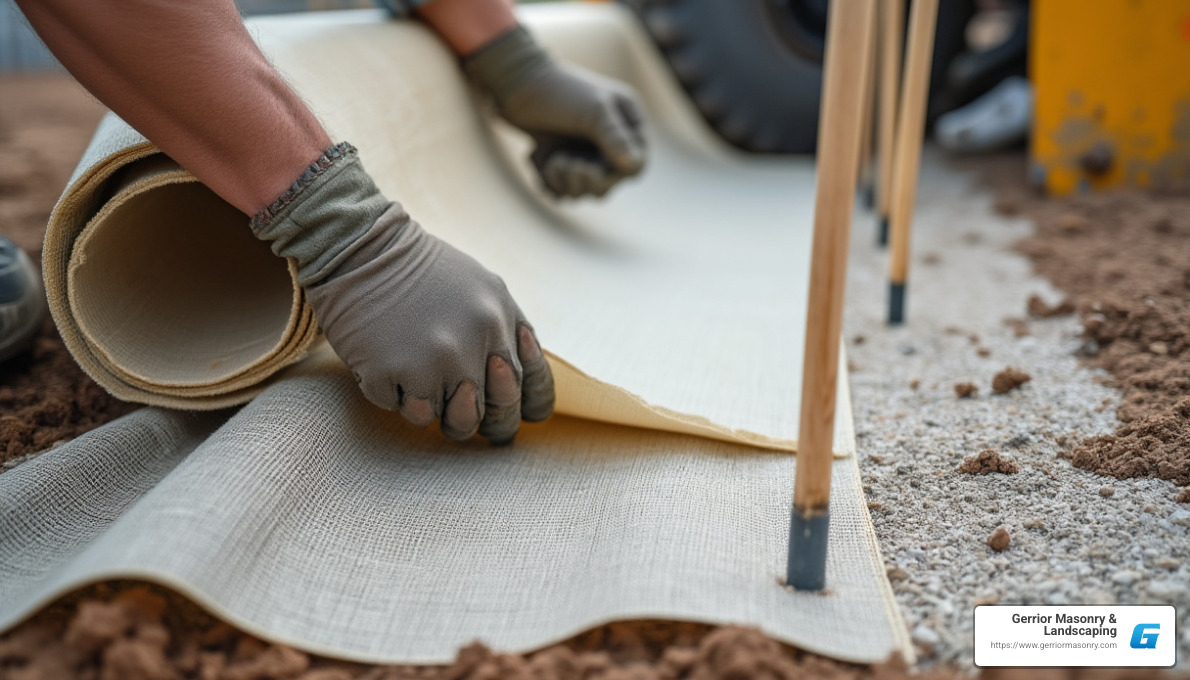
Once the subsoil is compacted, it’s time to lay down geotextile fabric. This step is especially important in areas with clay soil, like in Southern California, but it’s beneficial everywhere. The geotextile fabric acts as a barrier, preventing the base material from mixing with the subsoil. It also aids in drainage, which is crucial for maintaining the integrity of the paver installation.
Roll out the fabric to cover the entire area, and ensure it overlaps at the seams. Secure it with stakes to keep it in place.
By following these steps, you’ll create a solid foundation for your paver project. Proper ground preparation is critical to the durability and longevity of your installation. With the groundwork set, you’re ready to move on to laying the base, which we’ll cover next.
How to Install Pavers
Adding the Paver Base
The foundation of your paver project is the gravel base. This layer is crucial for stability and drainage, ensuring your pavers remain level over time.
Gravel Depth and Compaction
Start by spreading a layer of coarse gravel across your prepared area. Aim for a depth of about 4 to 6 inches. This depth provides a strong base and helps with water drainage. Once spread, use a plate compactor to compact the gravel. Compacting is essential—it reduces air gaps and creates a solid foundation.
Leveling the Base
After compaction, check the level of your gravel base. Use a long, straight board or a leveling tool to ensure the surface is even. A level base prevents pavers from shifting or sinking. Remember to maintain a slight slope away from any structures, like your house, to assist with water drainage.
Laying the Paver Stones
Now comes the exciting part—placing the paver stones! Proper placement is key to a beautiful and functional patio or walkway.
Sand Layer
Before laying the pavers, cover the compacted gravel with a 1-inch layer of sand. This sand acts as a cushion, allowing you to adjust the pavers for a snug fit. Use two parallel pipes on either side of your area as guides, and drag a straight board across to level the sand.
Pattern Design and Snug Fit
Decide on a pattern for your pavers. Common designs include herringbone, basket weave, and running bond. Start placing the pavers from a corner, working your way out. Ensure each paver fits snugly against its neighbors. Tight fits reduce movement and create a seamless look.
Cutting Pavers
As you approach the edges, you’ll likely need to cut some pavers to fit. Use a masonry saw or a guillotine-style splitter for clean cuts. Always measure twice before cutting to avoid mistakes. Properly cut pavers ensure the edges look neat and professional.
By carefully following these steps, you’ll achieve a stable and aesthetically pleasing paver installation. Next, we’ll explore the finishing touches that will improve and protect your new outdoor space.
Finishing Touches for Your Paver Project
Installing Edging
Edging is crucial to maintaining the integrity of your paver project. It prevents the pavers from shifting and keeps everything in place. There are two main options for edging stones: border stones or paver edging.
Border Stones
Border stones are a classic choice for edging. They can be secured with concrete or mortar to ensure they stay put. This method provides a strong, permanent boundary that complements the look of your pavers.
Paver Edging
Alternatively, paver edging is a versatile option. This is a hard plastic strip that matches the height of your pavers. It’s staked into the ground, offering a less permanent but still effective solution. Paver edging is easy to install and adjust, making it a popular choice for DIY projects.
Adding Joint Sand and Sealing
Once your pavers and edging are in place, it’s time to focus on the joints and sealing to protect your investment.
Polymeric Sand
Fill the gaps between your pavers with polymeric sand. This special sand hardens when water is added, locking the pavers in place and preventing weed growth. Spread a light layer over the surface and sweep it into the joints using a broom.
Compaction
After the sand is in place, run a plate compactor over the entire area. This step ensures the sand settles into the joints and helps stabilize the pavers. If needed, add another layer of sand and compact again.
Paver Sealer
Finally, apply a paver sealer to protect your pavers from the elements. A sealer improves the color and sheen of your pavers while providing a protective layer against stains and weather damage. Use a sprayer or roller for even application, ensuring not to pool the sealer on the surface.
With these finishing touches, your paver project will not only look great but also stand the test of time. Next, we’ll address some common questions about paver installation to help you achieve the best results.
Frequently Asked Questions about Paver Installation
What do you put down before laying pavers?
Before you start to install pavers, it’s crucial to prepare the ground properly. Begin by addressing the subsoil. Remove any debris, roots, or large rocks to create a stable base. Once the subsoil is cleared, lay down a layer of geotextile fabric. This material acts as a barrier, preventing weeds from coming up and stabilizing the base layers.
Can you lay pavers directly on dirt?
Laying pavers directly on dirt is not recommended. A stable base material is essential for the longevity of your paver project. Start with a layer of crushed stone or gravel, which provides excellent drainage and prevents the pavers from shifting. Compact this layer thoroughly with a tamper or plate compactor to create a solid foundation.
How to install pavers for beginners?
For beginners, the key to a successful paver installation is in the preparation and careful execution of each step. Here’s a straightforward guide:
- Base Layer: After laying down the geotextile fabric, add a base layer of crushed stone or gravel. This should be about 4-6 inches deep, depending on your project’s requirements.
- Compacting: Use a plate compactor to compact the base layer. This step is crucial to eliminate air gaps and ensure a stable foundation. Compacting should be done in multiple passes for even results.
- Paver Placement: Once the base is compacted, spread a 1-inch layer of coarse sand over it. Level the sand with a screed board. Now, you can start placing the pavers. Begin from a corner and work your way out, ensuring each paver is snug against the next. Use a rubber mallet to tap them into place and maintain a consistent pattern.
By following these steps, even beginners can achieve a professional-looking paver installation. Proper preparation and attention to detail will ensure that your pavers remain beautiful and functional for years to come.
Conclusion
At Gerrior Masonry & Landscaping, we understand that installing pavers is more than just a construction task—it’s about creating a space that improves your outdoor environment and stands the test of time. With over 30 years of experience, our team is dedicated to delivering high-quality results that meet your specific needs.
Why Choose Professional Help?
While DIY projects can be rewarding, hiring professionals like us ensures that every step, from preparation to finishing touches, is executed flawlessly. Our skilled team brings expertise and precision, ensuring your paver installation is both beautiful and durable. From choosing the right materials to perfecting the layout, we handle all aspects of the project, so you don’t have to worry about a thing.
Quality You Can Trust
Our commitment to quality is unwavering. We oversee each project with meticulous attention to detail, ensuring that every installation meets our high standards. We believe that a well-installed paver system not only improves curb appeal but also adds value to your property.
Whether you’re looking to create a stunning patio, a charming walkway, or a robust driveway, our services are designed to transform your outdoor space into something truly special. If you’re considering a paver project, we invite you to explore our Patio Installation Services to learn more about how we can help you bring your vision to life.
In choosing Gerrior Masonry & Landscaping, you’re not just getting a contractor—you’re gaining a partner committed to excellence and customer satisfaction. Let us help you pave the path to your dream outdoor space.
