
Landscaping Design: 10 Best Tips for Stunning 2024 Yards
Landscaping design transforms your yard into a personal oasis. It not only lifts the aesthetics of your home but also improves its value. Here’s why landscaping matters:
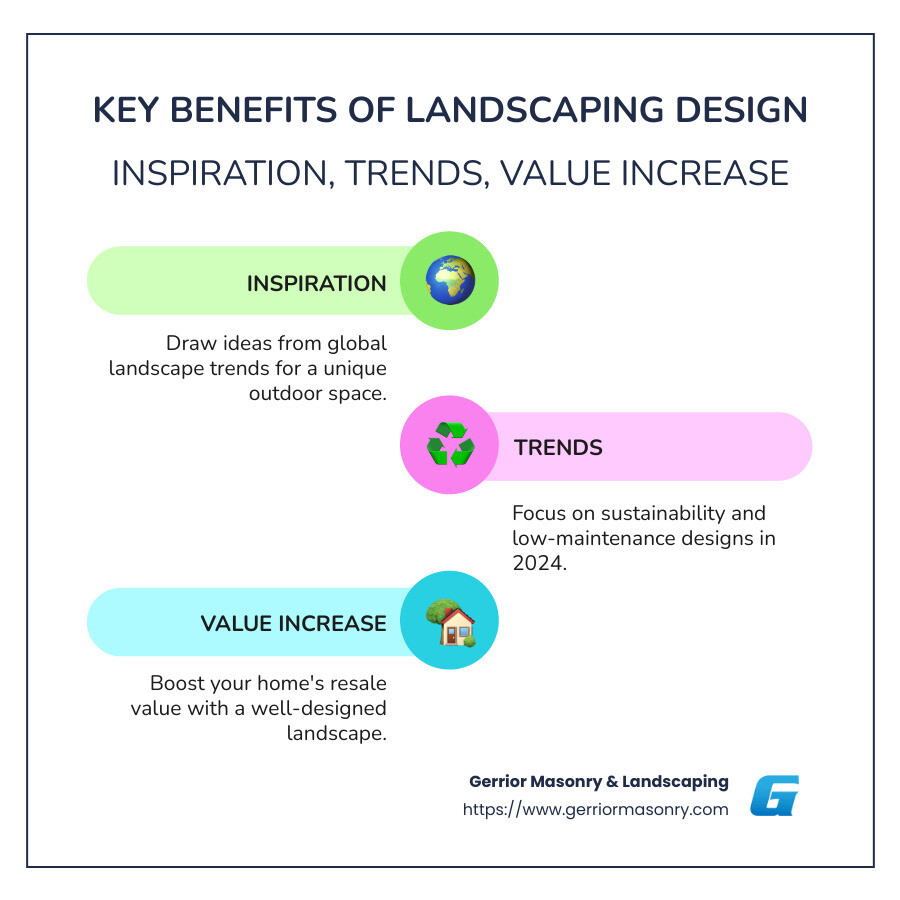
- Inspiration: Draw ideas from global landscape trends to create a unique outdoor space.
- Trends: In 2024, there’s a shift towards sustainability and low-maintenance designs.
- Value Increase: Well-designed landscapes can significantly boost your home’s resale value.
Landscaping is more than planting a few shrubs; it’s about crafting a space where nature and comfort coexist.
I’m Joe Gerrior, the owner of Gerrior Masonry & Landscape Construction. With over 34 years in the industry, I’ve helped countless clients realize their dreams in landscaping design. Whether you’re looking for a tranquil retreat or a vibrant garden, my passion is turning your vision into reality.
Know your landscaping design terms:
– backyard garden design
– backyard patio designs
– landscape planning
Understanding Landscaping Design Basics
To create a stunning landscape, it’s essential to grasp the principles and elements that form the core of effective landscaping design.
Principles of Landscaping Design
- Unity: Achieve harmony by consistently using plant themes and materials throughout your space.
- Balance: Ensure your garden has either a symmetrical or asymmetrical balance, depending on your desired aesthetic.
- Proportion: Match the size of plants and features to the scale of your yard.
- Rhythm and Line: Create a flow that guides the eye through your landscape using pathways, hedges, or rows of plants.
- Focal Points: Incorporate features like sculptures or water fountains that draw attention and add interest.
Elements of Landscaping Design
- Color: Color theory is crucial in landscaping. Use warm colors like reds and yellows to make spaces feel inviting and energetic. Cool colors like blues and greens create a calming effect.
- Texture: Combine different plant textures, such as smooth leaves with rough bark, to add depth and interest.
- Form: Choose plants with various shapes, like tall and spiky or round and bushy, to create visual contrasts.
Color Theory in Landscaping
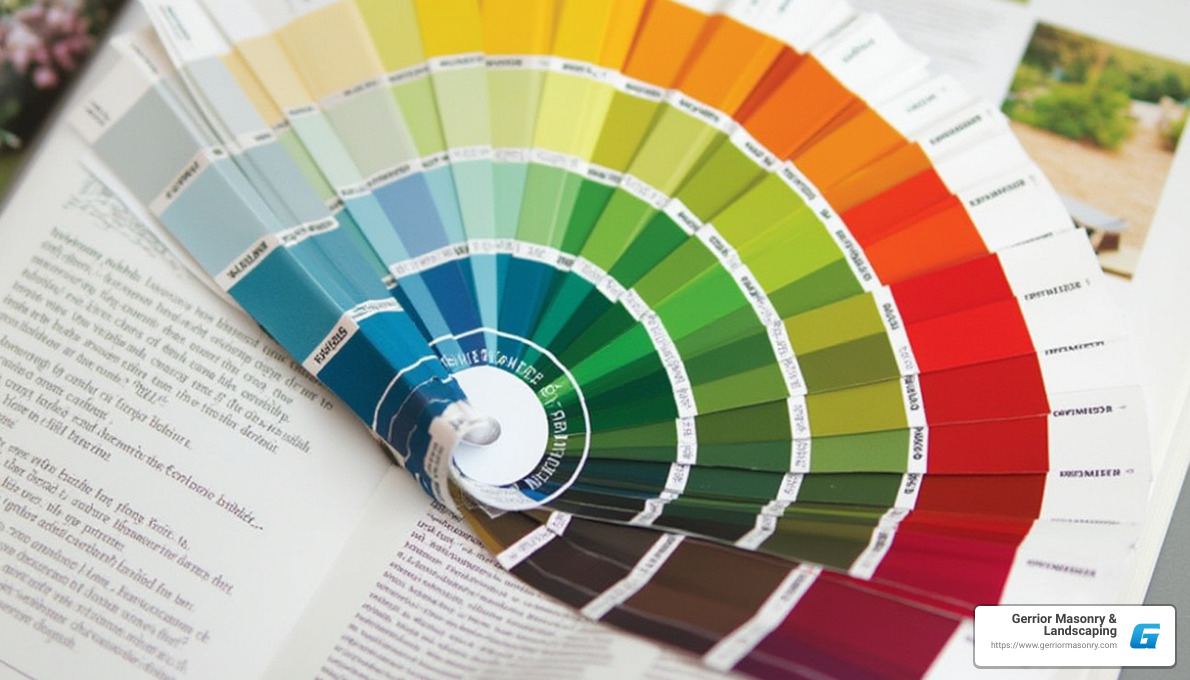
A well-planned color scheme can transform your garden. For example, using complementary colors (opposites on the color wheel) can make a garden pop. Analogous colors (next to each other on the wheel) provide a more harmonious look.
Understanding Sun Patterns
Sunlight is a key factor in landscaping design. Observe how the sun moves through your yard to determine which areas receive full sun, partial sun, or shade. This will guide your plant selection and placement. For instance, sun-loving plants like lavender thrive in full sun, while ferns prefer shady spots.
By focusing on these basics, you can lay the groundwork for a landscape that is not only beautiful but also functional and sustainable. Next, we’ll explore popular landscaping design styles to inspire your vision.
Popular Landscaping Design Styles
When it comes to landscaping design, there are several styles to consider, each with its own unique charm and character. Let’s explore some of the most popular styles: Modern, Zen, Cottage, Tropical, and Woodland.
Modern
Modern landscaping is all about sleek lines and minimalism. Think geometric shapes, clean edges, and a restrained color palette. This style often incorporates materials like concrete, steel, and glass. Plants are selected for their architectural qualities—tall grasses, sculptural trees, and clipped hedges are common choices. It’s ideal for those who appreciate simplicity and order in their outdoor spaces.
Zen
Zen gardens, inspired by Japanese aesthetics, focus on tranquility and meditation. These gardens often feature elements like sand or gravel raked into patterns, rocks, and water features. The plant palette is typically minimal, using moss, bamboo, and evergreen shrubs. Zen gardens are perfect for creating a peaceful retreat in your backyard, allowing for quiet contemplation.
Cottage
Cottage gardens are known for their charming, informal feel. They are lush, colorful, and brimming with a variety of plants. Think of a mix of perennials, herbs, and flowering shrubs spilling over pathways and garden beds. This style often includes traditional elements like picket fences, arbors, and garden benches. Cottage gardens are great for those who love a more relaxed and whimsical garden atmosphere.
Tropical
If you want to bring the feel of a tropical paradise to your home, this style is for you. Tropical landscapes use bold, vibrant colors and lush greenery. Plants like palm trees, hibiscus, and bird of paradise are staples. Even if you’re not in a tropical climate, you can still incorporate elements like tiki torches, hammocks, and brightly colored furniture to evoke a tropical vibe.
Woodland
Woodland landscaping accepts the natural beauty of a forest setting. This style is low-maintenance and allows plants to grow in a more natural way. Trees like oak and maple, along with native shrubs and ferns, create a serene and shaded environment. Adding elements like stone pathways and wooden benches improves the woodland feel. This style is ideal for those who love the idea of a cozy, forest-like escape.
Each of these landscaping design styles offers a unique way to express your personal taste and create a space that feels like home. Whether you prefer the clean lines of modern design or the lush abundance of a cottage garden, there’s a style to suit every preference.
Next, we’ll explore how to plan your landscaping design effectively.
Planning Your Landscaping Design
Creating your dream landscape begins with a solid plan. The planning process can be broken down into four simple steps: Outline, Measure, Transfer, and Trace.
Outline
Start by sketching a rough outline of your property. This doesn’t need to be perfect or to scale at this stage. Focus on including permanent features like your house, garage, large trees, and existing pathways. This initial sketch is your blueprint for envisioning your new landscape.
Measure
Take your rough sketch outdoors and measure everything. Record these measurements directly on your sketch. Pay attention to windows and doors for views and traffic flow, and note the locations of water faucets and electrical outlets. These details are crucial for planning practical and aesthetic elements.
Transfer
Now, transfer your measurements to graph paper. This step involves drawing your property to scale, creating a master copy. This is where you start to see the real dimensions of your space. Make notes on sun and shade patterns, wind-prone areas, and any slopes in your yard. These environmental factors will influence your plant and material choices.
Trace
Finally, use tracing paper over your master copy to experiment with different designs. This allows you to try various layouts without altering your original plan. Consider how different elements like pathways, plant beds, or water features might fit into your space. Tracing paper offers the flexibility to explore multiple ideas before committing to one.
By following these steps, you create a clear, detailed plan that guides your landscaping design process. This foundation helps ensure that your final landscape is both beautiful and functional, custom to your specific needs and environment.
Next, we’ll move on to implementing your landscaping design with practical features.
Implementing Your Landscaping Design
Once you have a detailed plan, it’s time to bring your vision to life. This involves adding key elements like pathways, water features, carefully chosen plants, and privacy options. Each of these components plays a vital role in crafting a cohesive and inviting outdoor space.
Pathways
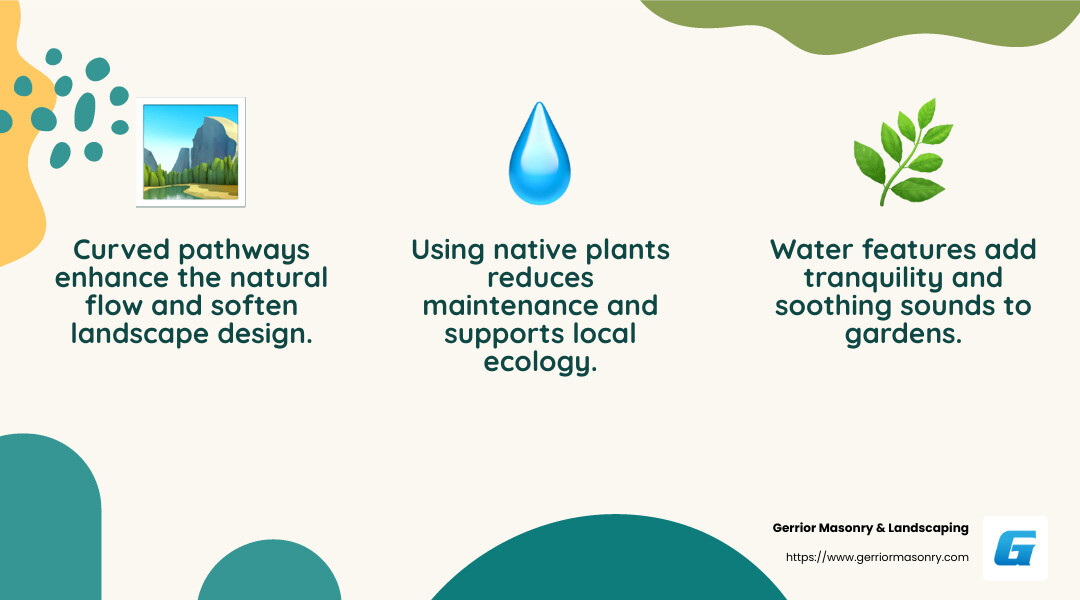
Pathways are essential for guiding movement through your garden. They connect different areas and add structure to your landscape. Consider using materials such as gravel, stone, or pavers to create durable and aesthetically pleasing paths. Pro Tip: Integrate curves in your pathways to add a natural flow and soften the overall look.
Water Features
Incorporating water features can transform your garden into a tranquil oasis. Options range from simple birdbaths to elaborate fountains or ponds. Water features not only improve visual appeal but also provide soothing sounds. As highlighted in the research, complement these with aquatic plants like water lilies for added color and texture.
Plant Selection
Choosing the right plants is crucial for a thriving landscape. Opt for native plants that require less maintenance and are adapted to local conditions. Cluster planting is an effective strategy to maximize impact and create visual harmony. Use a mix of perennials for year-round interest, and select plants with varying foliage, flowers, and fragrances for diversity.
Privacy Options
Privacy is an important consideration, especially in urban settings. There are several ways to achieve this, from planting hedges and trees to installing fences or trellises. Vertical gardens are also a creative solution, offering both privacy and greenery in limited spaces. Consider the mature size of your plant choices to ensure they provide adequate screening without overpowering your garden.
Implementing these elements thoughtfully can significantly improve your landscaping design, making your outdoor space both functional and beautiful. Up next, we’ll explore the tools and resources that can assist you in this process.
Landscaping Design Tools and Resources
Creating your dream landscape is easier with the right tools and resources. Here, we explore some of the best apps and guides available to help you visualize and plan your outdoor space.
iScape App
The iScape App is a favorite among landscape professionals and DIY enthusiasts alike. With a 4.6 user rating and nearly 4 million downloads, it’s recognized as the #1 landscape design app globally. iScape allows you to create stunning visualizations of your garden using augmented reality. You can place digital plants, trees, and hardscape elements in your yard before making any real-world changes. This app is especially useful for professionals looking to impress clients with beautiful mock-ups.
YardAI
YardAI is an innovative tool that leverages artificial intelligence to assist in landscape design. It analyzes your yard’s dimensions, sun patterns, and existing features to suggest optimal plant placements and design elements. This app is perfect for those who want a tech-savvy approach to landscaping, providing personalized suggestions that save time and effort.
Home Outside
For a more artistic approach, consider the Home Outside app. It offers a simple, user-friendly interface with hand-drawn elements that allow you to sketch your landscape design ideas. This app is particularly great for those who appreciate a more creative, less technical tool. With Home Outside, you can easily experiment with different layouts and styles to see what works best for your space.
Landscaper’s Companion
The Landscaper’s Companion app is a comprehensive plant database that serves as an invaluable resource for both beginners and seasoned gardeners. It includes detailed information on over 26,000 plants, including their care requirements, growth habits, and ideal planting conditions. This app is perfect for making informed plant selections that align with your landscape’s design and maintenance goals.
These tools and resources can significantly streamline the process of designing and implementing your landscape. Whether you’re a professional landscaper or a homeowner looking to improve your outdoor space, these apps provide the guidance and inspiration needed to bring your vision to life.
Next, we’ll dig into how to design a low-maintenance landscape that saves time and effort while still looking fantastic.
How to Design a Low-Maintenance Landscape
Designing a low-maintenance landscape is all about making smart choices that save you time and effort. Here are some key strategies to consider:
Native Plants
Native plants are a top choice for a low-maintenance garden. These plants are adapted to the local climate and soil, which means they require less water and care. They are also more resistant to local pests and diseases. By choosing native plants, you not only reduce the need for extra fertilizers and pesticides but also support local wildlife.
Lawn Alternatives
Traditional lawns can be high-maintenance, requiring regular mowing, watering, and fertilizing. Consider lawn alternatives like groundcovers, artificial turf, or even creating natural areas with native grasses and wildflowers. These options can significantly cut down on maintenance time and water usage. For instance, groundcovers such as clover or mondo grass can offer a lush green look without the hassle of a traditional lawn.
Perennials
Perennials are plants that come back year after year, reducing the need for replanting. While annuals provide a burst of color, they require yearly replacement. By incorporating a variety of perennials, you can enjoy long-lasting blooms and foliage with minimal effort. Consider planting perennials in clusters for maximum visual impact and to create a cohesive look throughout your landscape.
Mulching
Mulching is a simple yet effective way to reduce maintenance in your garden. A layer of mulch helps retain soil moisture, suppress weeds, and regulate soil temperature. It can also add a finished look to your garden beds. Organic mulches, like bark or wood chips, gradually break down and improve soil health. Make sure to apply mulch liberally around plants, but avoid piling it up against plant stems to prevent rot.
By focusing on these elements, you can create a beautiful and sustainable landscape that requires less work and more enjoyment. In the next section, we’ll explore how to improve your outdoor living spaces for dining, entertaining, and relaxation.
Enhancing Outdoor Living Spaces
Changing your backyard into a haven for dining and entertainment can lift your home’s value and your quality of life. Let’s explore some key elements that can make your outdoor space a true extension of your home.
Dining Areas
Creating a cozy and functional dining area is essential for enjoying meals outdoors. Start by selecting durable and comfortable furniture like wicker chairs or metal bistro sets. These options are both stylish and easy to maintain. Consider adding a large table for family gatherings or a small, intimate setup for romantic dinners.
Lighting plays a crucial role in setting the mood. String lights or lanterns can add a warm, inviting glow to your dining space. Don’t forget about weather protection—a simple canopy or umbrella can shield your area from sun and rain, making it usable throughout the seasons.
Entertainment Zones
Entertainment zones are perfect for hosting friends or relaxing with family. Think about incorporating multi-purpose areas with seating, games, or even an outdoor kitchen. Features like built-in benches or modular furniture can provide flexibility for different occasions.
Consider adding a sound system or outdoor speakers to improve the ambiance. Wi-Fi access can also be a game-changer, allowing you to stream music or movies for an al fresco movie night. The key is to create a space that encourages interaction and fun.
Outdoor Lighting
Proper outdoor lighting not only improves the beauty of your space but also improves safety. Use a combination of lighting types to achieve the best effect:
- Task lighting for areas like your grill or workbenches.
- Ambient lighting to create a cozy atmosphere, such as pendant lights or wall sconces.
- Pathway lights to illuminate walkways and prevent trips and falls.
Installing dimmer switches can give you control over the brightness, allowing you to adjust the mood as needed.
Fire Pits
A fire pit can be the centerpiece of your outdoor living space, providing warmth and a gathering spot. Whether you choose a built-in stone pit or a portable metal one, a fire pit can extend your time outdoors into the cooler months.
Safety is paramount—ensure your fire pit is placed on a stable, non-combustible surface and is a safe distance from flammable materials. Surround it with comfortable seating to create an inviting area for conversation and relaxation.
By focusing on these elements, you can create an outdoor living space that is both beautiful and functional. In the next section, we’ll explore special features you can incorporate into your landscape to make it truly unique.
Special Features in Landscaping Design
Incorporating special features into your landscaping design can transform your outdoor space into a vibrant and dynamic environment. Let’s explore some unique garden ideas that can add beauty and ecological value to your landscape.
Butterfly Gardens
Butterfly gardens are a delightful way to attract these beautiful insects to your yard. Planting a variety of flowering plants like milkweed, coneflowers, and asters can provide nectar and serve as host plants for caterpillars. These gardens not only add color and movement to your space but also support local ecosystems by aiding in pollination.
A simple tip: arrange your plants in clusters to make it easier for butterflies to find them. This also creates a more visually appealing display.
Pollinator Paradises
Creating a pollinator paradise involves selecting plants that attract bees, hummingbirds, and other beneficial creatures. Native plants are often the best choice, as they are well-adapted to the local climate and soil conditions. Think of plants like lavender, sunflowers, and bee balm, which are known for their pollinator-friendly properties.
To maximize the impact, aim for a continuous bloom throughout the seasons by choosing plants that flower at different times of the year. This ensures that pollinators have a consistent food source.
Rain Gardens
Rain gardens are not only beautiful but also environmentally friendly. They are designed to capture and filter rainwater runoff, reducing erosion and improving water quality. These gardens typically feature water-tolerant plants like sedges, ferns, and wildflowers.
When planning a rain garden, consider the natural flow of water in your yard and choose a location that can handle excess moisture. Adding a mix of native plants can improve the garden’s ability to absorb water and provide habitat for wildlife.
Sensory Gardens
A sensory garden is designed to engage all five senses, offering a rich and immersive experience. Incorporate plants with different textures, scents, and colors, such as lamb’s ear for touch, mint for smell, and vibrant marigolds for sight. Adding elements like wind chimes or a small water feature can stimulate hearing, while edible plants like strawberries can engage taste.
These gardens are particularly beneficial for children and individuals with disabilities, providing a therapeutic environment that encourages exploration and interaction.
By integrating these special features into your landscaping design, you can create a space that is not only aesthetically pleasing but also supports biodiversity and sustainability. Next, we’ll dig into how to tailor your landscaping design to suit different climates.
Landscaping Design for Different Climates
Designing your landscape to suit your climate is essential for creating a thriving and sustainable outdoor space. Let’s explore how to approach landscaping design in various climates: desert, tropical, temperate, and cold.
Desert Landscape Design
In desert climates, water conservation is a top priority. Opt for a desert landscaping design that features drought-tolerant plants like succulents, cacti, and yucca. These plants require minimal water and thrive in arid conditions.
Consider using gravel or rocks instead of grass to reduce water usage further. Adding a splash of color with desert-tolerant plants like autumn sage or yellow columbine can improve the aesthetic appeal without compromising on sustainability.
Tropical Landscape Design
Tropical landscapes are all about lush greenery and vibrant colors. If your climate supports it, incorporate plants like palm trees, hibiscus, and orchids to create a tropical paradise. These plants thrive in warm, humid conditions and bring a sense of exotic beauty to your yard.
Even in less tropical areas, you can achieve a similar look by adding elements such as bamboo accents, tiki torches, or a small water feature to evoke a sense of the tropics.
Temperate Landscape Design
In temperate climates, you have a wide range of plant options. Consider creating a woodland landscape with a mix of hardwood and softwood trees like oak, maple, and cedar. These trees provide shade and habitat for wildlife, while shrubs and flowering plants add layers of interest.
Design pathways using natural materials like stone or wood to blend seamlessly with the environment. This approach not only improves the beauty of your landscape but also supports local ecosystems.
Cold Climate Landscape Design
Cold climates present unique challenges, but with the right strategies, you can still create a stunning outdoor space. Choose hardy plants like evergreens, which retain their foliage year-round, and trees with interesting bark, such as paper birch, for winter interest.
Incorporate structural elements like stone pathways or wooden benches to add depth and texture. Consider using mulch to protect plant roots from freezing temperatures and to conserve moisture during the warmer months.
By tailoring your landscaping design to your specific climate, you can create a beautiful, functional, and sustainable outdoor space. Next, we’ll explore some tools and resources to help you bring your landscaping vision to life.
Frequently Asked Questions about Landscaping Design
What are the cost considerations in landscaping design?
When planning your landscaping design, it’s crucial to consider the costs involved. Here are some key factors:
- Design Fees: Hiring a professional landscape designer can cost between $50 and $150 per hour, depending on your location. This investment can save you money in the long run by avoiding costly mistakes.
- Materials and Plants: The choice of materials, such as stone, wood, or concrete, and plants will significantly impact your budget. Opting for native plants can reduce costs because they require less maintenance and watering.
- Maintenance: Consider long-term maintenance expenses. Low-maintenance options, like native plants and lawn alternatives, can minimize these costs.
- Water Features: Adding elements like ponds or fountains can improve your landscape but may increase your budget due to installation and maintenance.
How can technology simplify the landscaping design process?
Technology can make landscaping design more accessible and efficient. Here’s how:
- Design Software: Tools like the iScape App allow you to visualize your landscape ideas before implementing them. These apps help you plan layouts, choose plants, and even estimate costs.
- Augmented Reality: Some apps offer augmented reality features, letting you see how different plants and features will look in your yard in real-time.
- Online Resources: Access to online databases and plant libraries can help you choose the right plants for your climate and soil conditions.
- Project Management: Technology can assist in project management, helping you track timelines, budgets, and tasks.
What are some eco-friendly landscaping practices?
Eco-friendly landscaping design not only benefits the environment but can also reduce costs. Consider these practices:
- Native Plants: These plants are adapted to your local climate, requiring less water and maintenance. They also support local wildlife.
- Water Conservation: Implementing rain gardens or using drip irrigation can conserve water. Mulching helps retain soil moisture and reduce evaporation.
- Lawn Alternatives: Reduce lawn space with alternatives like groundcovers, shrubs, or artificial turf to minimize water use and maintenance.
- Composting: Use compost to enrich your soil naturally, reducing the need for chemical fertilizers.
By integrating these eco-friendly practices, you can create a sustainable and beautiful landscape that aligns with environmental goals.
Next, let’s dig into the conclusion to understand how Gerrior Masonry & Landscaping can bring your dream landscape to life.
Conclusion
At Gerrior Masonry & Landscaping, we understand that creating your dream landscape is more than just planting trees and laying stones. It’s about crafting a space that reflects your personality and meets your needs. With over 30 years of experience, we bring expertise and a personal touch to every project, ensuring high-quality results that you can enjoy for years to come.
Why Choose Us?
- Expertise and Experience: Our skilled team, led by experienced professionals, ensures that every aspect of your landscaping design is executed to perfection. From patio installations to intricate walkways, we handle it all with precision and care.
- Comprehensive Services: We offer a wide range of services, including patio design and installation, walkways, landscape walls, and more. Our services are custom to meet the specific needs of our clients across numerous locations, including Andover, Arlington, and Woburn, MA.
- Customer Satisfaction: Our commitment to customer satisfaction is unwavering. We provide follow-up services to ensure your landscape remains beautiful and functional, season after season.
- Eco-Friendly Practices: We incorporate eco-friendly landscaping practices, such as using native plants and water-saving techniques, to create sustainable landscapes that thrive in your local environment.
- Technology Integration: By leveraging the latest in landscaping technology, we make the design process efficient and accessible, allowing you to visualize your dream landscape before it becomes a reality.
If you’re ready to transform your outdoor space, let us help you bring your vision to life. Visit our Patio Installation Services page to learn more about how we can create a beautiful and functional landscape custom to your needs.
At Gerrior Masonry & Landscaping, we’re not just building landscapes; we’re building lasting relationships with our clients, ensuring that your outdoor space is a true reflection of your dreams and aspirations.
