
Stone Wall Restoration: Top 5 Powerful Repair Tips 2025
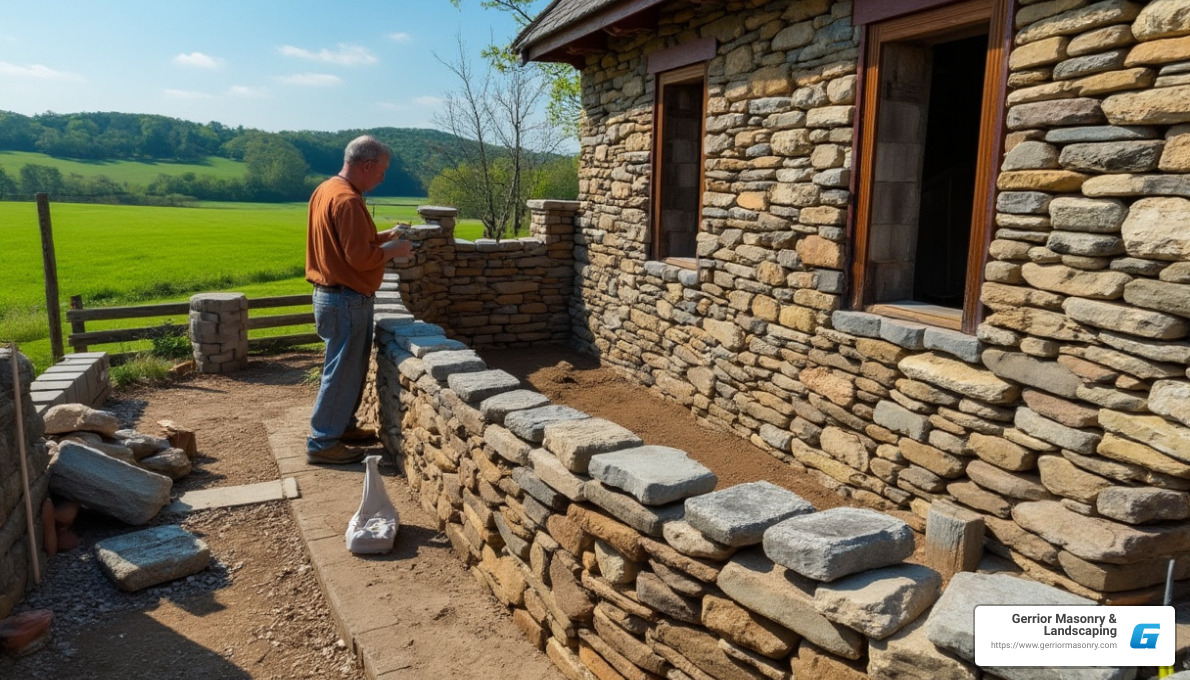
Stone wall restoration has roots in history, with a timeless appeal that continues to captivate homeowners today. Stone walls, first erected to mark property boundaries and corral livestock, are now revered for their rustic elegance. Restoring these walls not only revives their structural integrity but also improves the aesthetic charm of your property.
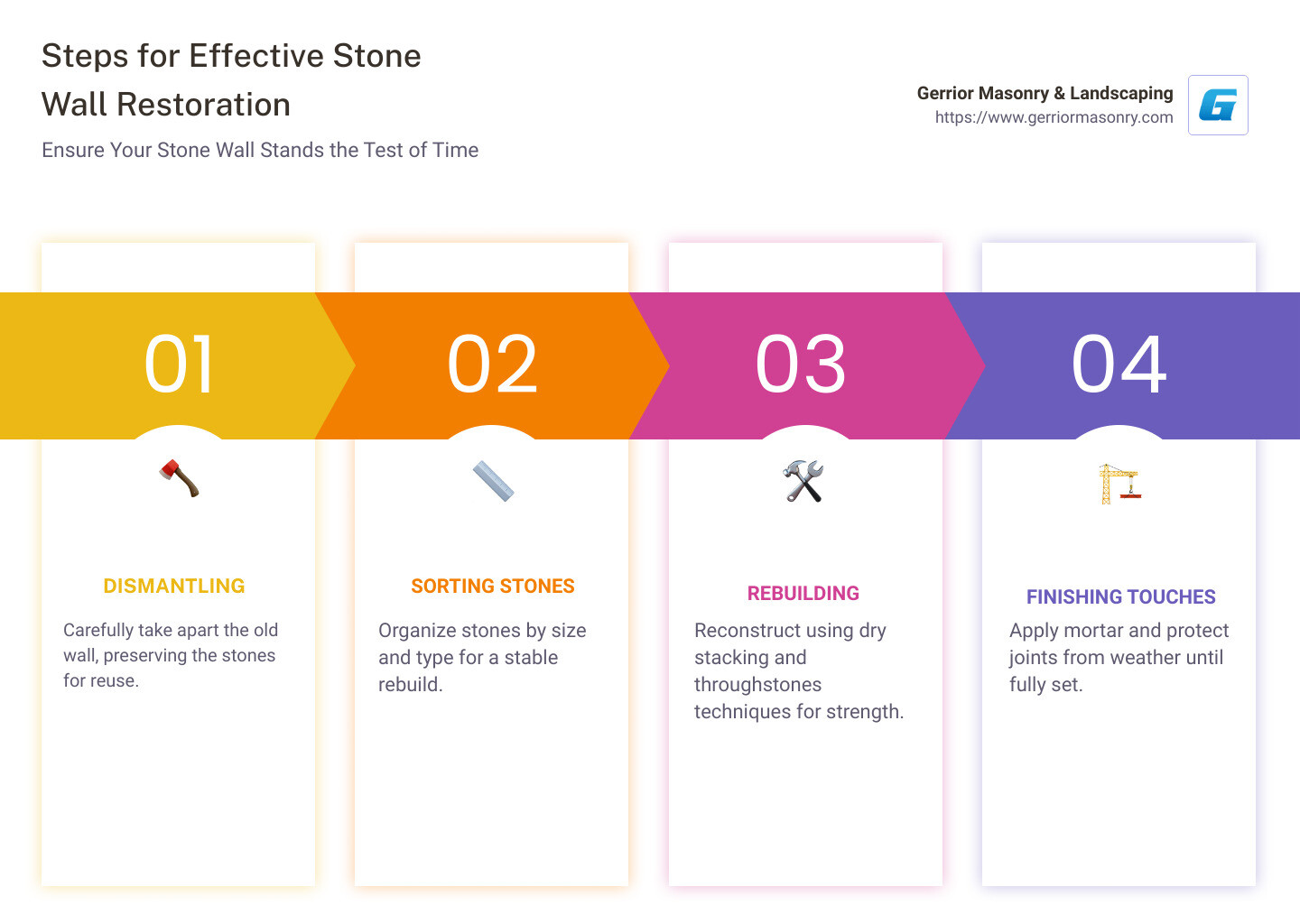
- Stone wall restoration involves dismantling old walls, sorting the stones by size, and carefully rebuilding them to ensure longevity and beauty.
- To start, it’s important to understand the structural and historical significance of the stone wall you’re restoring. This appreciation guides the restoration process.
- Proper stone selection and technique are crucial for maintaining the wall’s durability and iconic look.
We will guide you through the essential steps for effective stone wall restoration, ensuring these beautiful structures can endure for generations. As a homeowner, you’ll gain insights to preserve these wonderful pieces of history in your landscape.
I’m Joe Gerrior, owner of Gerrior Masonry & Landscaping. With over 34 years in the masonry business, my team and I specialize in stone wall restoration. Our passion is changing old stone structures into sturdy, stunning features that resonate with the timeless charm they were originally built to encapsulate.
Stone wall restoration further reading:
– retaining wall builders near me
– retaining wall companies near me
– retaining wall repair near me
Understanding Stone Wall Restoration
Stone wall restoration is not just about repairing a structure; it’s about preserving history and ensuring the longevity of these timeless features. These walls, often dating back to the 18th and 19th centuries, were originally built by farm laborers to delineate property lines and contain livestock. Over time, many have succumbed to the elements and require careful restoration to return them to their former glory.
Historical Significance
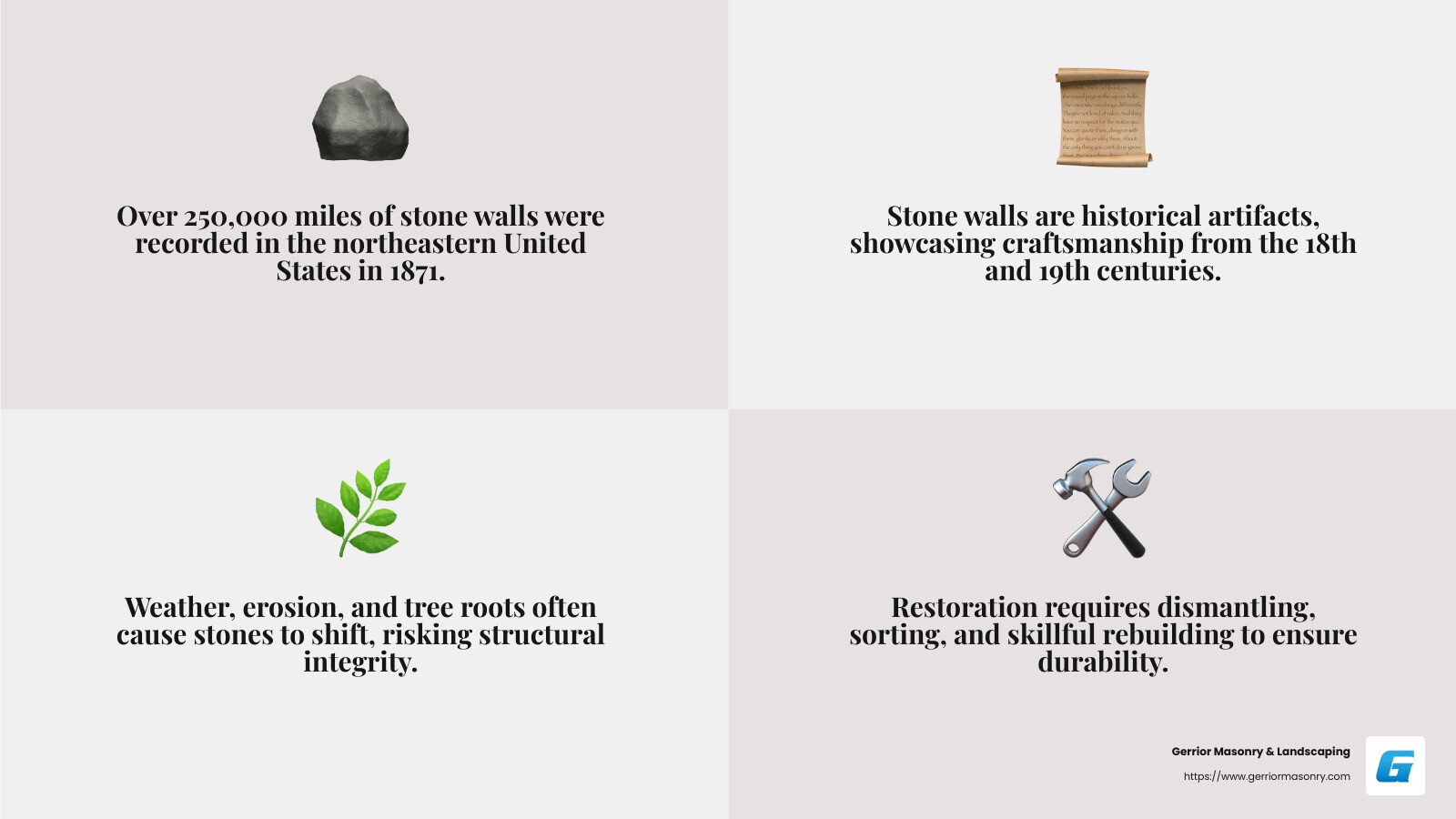
Stone walls in the northeastern United States are a testament to the region’s agricultural past. In 1871, a national census recorded over 250,000 miles of stone walls in this area alone. Restoring these walls is a way to honor the craftsmanship and history they represent. They are more than just boundaries; they are historical artifacts that tell the story of the land and its people.
Structural Integrity
Restoring a stone wall is crucial for maintaining its structural integrity. Over time, weather, erosion, and even tree roots can cause stones to shift, leading to potential collapse. A well-restored wall not only looks aesthetically pleasing but also stands strong against the elements. The process involves dismantling the wall, sorting the stones, and rebuilding with precision to ensure stability and durability.
- Dismantling and Sorting: The first step in stone wall restoration is careful dismantling. Stones are removed and sorted by size and type. This organization is key to a successful rebuild, allowing for the strategic placement of stones to maximize strength.
- Rebuilding: Stones are then carefully placed, often without mortar, relying on gravity and the stones’ natural shapes to hold the structure together. Larger stones form the wall’s face, while smaller stones fill the interior spaces, providing support and preventing movement.
The Art of Restoration
Restoration is both an art and a science. It requires a deep understanding of stone masonry techniques and an appreciation for the wall’s historical context. Each stone is a piece of history, and its placement can affect both the wall’s appearance and strength. Throughstones and copestones play a critical role in tying the structure together and protecting it from the elements.
By restoring these walls, we not only preserve a part of our heritage but also improve the beauty and value of our properties. At Gerrior Masonry & Landscaping, we take pride in our expertise in stone wall restoration, ensuring that these magnificent structures continue to stand the test of time.
In the next section, we’ll explore how to prepare for restoration, considering factors like weather and stone sorting to set the stage for a successful project.
Preparing for Restoration
When starting on a stone wall restoration project, preparation is key. This stage involves considering weather conditions, carefully dismantling the wall, and sorting the stones. These steps are crucial to ensure a successful restoration.
Weather Considerations
Before you start, check the weather forecast. Mild weather with little rain is ideal for restoration work. Extreme temperatures or heavy rainfall can hinder the process and cause delays. Cold weather can also affect the materials, especially if mortar is involved, as it requires proper drying conditions.
Dismantling Process
The dismantling process is delicate and requires patience. Begin by removing the copestones, the large stones on top of the wall. This should be done by hand to avoid damaging the stones. As you work your way down, dismantle the wall in layers. This method helps maintain a balance and reduces the risk of the wall collapsing unexpectedly.
It’s important to maintain a clear walkway of at least 2 feet along the wall. This ensures safety and provides space to move stones without tripping.
Sorting Stones
Once dismantled, sorting the stones is the next step. Organize them by size and type, replicating how you plan to restack them. This organization aids in quickly finding the right stone when needed during rebuilding.
- Copestones: Place these in a separate line, roughly 9 feet away from the wall, standing them on edge to mimic their final placement.
- Throughstones: These long stones tie the wall’s sides together. Keep them separate from the building stones to avoid confusion.
- Foundation Stones: Position these closest to the wall, as they will be the first to be laid during reconstruction.
- Hearting Material: These smaller filling stones should be placed in piles along the walkway, about every 6 feet. They will be used throughout the rebuild to fill gaps and add stability.
By sorting the stones effectively, you lay a solid groundwork for the restoration process. This careful preparation not only saves time but also ensures that the wall will be structurally sound and aesthetically pleasing once rebuilt.
In the next section, we’ll dig into creating a strong foundation for your stone wall, discussing the importance of foundation trenches, proper placement of foundation stones, and effective drainage solutions.
Creating a Strong Foundation
When it comes to stone wall restoration, a solid foundation is crucial for stability and longevity. This section will guide you through the essentials of creating a strong base, including the foundation trench, placement of foundation stones, and effective drainage solutions.
Foundation Trench
The foundation trench is the starting point for any stone wall. It needs to be carefully prepared to ensure the wall’s stability. Begin by digging a trench that is slightly wider than the wall itself. This extra space allows for adjustments and ensures a firm base.
For existing walls with an intact foundation, try to leave the trench as undisturbed as possible. The soil here is already well-compacted from the weight of the wall, minimizing future settling. If you’re working with a collapsed wall, you’ll need to outline a new trench using stakes and string lines. Dig this trench about 2 to 6 inches below ground level, and ensure it’s level and well-tamped.
Foundation Stones
Once the trench is ready, it’s time to place the foundation stones. Choose the largest and most awkward stones for this layer, as the foundation is the best place to accommodate irregular shapes. Place each stone lengthwise into the trench, ensuring it’s stable and does not wobble. If needed, adjust the trench to fit the stone securely.
Alternate the longer stones on each side of the wall. This technique helps distribute weight evenly and improves the wall’s strength. As you lay each stone, make sure it touches its neighbors as much as possible to create a cohesive structure. Fill any gaps with smaller stones, known as hearting, to add stability.
Drainage Solutions
Proper drainage is essential to prevent water from undermining your stone wall. If you’re building on clay soil or an area with poor drainage, consider installing a perforated drainage pipe at the base of the trench. This pipe should exit at a lower grade to channel water away from the wall.
Fill the trench with crushed clean stone, compacting it as you go. This layer helps with drainage and provides a stable base for the wall. If the ground is too level, you might need to build directly on native soil to avoid water pooling in the trench.
By focusing on a strong foundation, you set the stage for a durable and resilient stone wall. In the next section, we’ll explore building techniques such as dry stacking and the use of batter frames to ensure your wall stands the test of time.
Building Techniques for Stone Walls
Building a stone wall is an art and a science. It requires skillful techniques to ensure both beauty and stability. Let’s explore some key methods: dry stacking, hearting, batter frames, and throughstones.
Dry Stacking
Dry stacking is a traditional technique used in stone wall construction. It involves stacking stones without any mortar to hold them together. This method relies on gravity and the careful placement of stones to create a stable structure.
Start by selecting stones with flat surfaces for the base layer. This helps to create a level foundation. As you build up, vary the sizes and shapes of the stones to lock them in place. The key is to ensure each stone touches its neighbors securely. This interlocking pattern distributes weight evenly and increases the wall’s strength.
Hearting
In the context of stone walls, hearting refers to the smaller stones used to fill gaps between larger stones. These fillers add weight and stability to the wall. As you stack the larger face stones, place hearting stones in the spaces behind them. This process not only strengthens the wall but also prevents it from shifting over time.
Batter Frames
Batter frames are essential tools for maintaining the wall’s inward slope, known as the batter. This slope ensures that the wall is stable and less likely to topple. Construct batter frames using rebar and a movable clamping crosspiece. Set them up on either side of the wall, and stretch string lines between them to guide the wall’s angle.
These frames help you build a wall with a smooth face and consistent batter. Adjust the frames as you progress to ensure the wall remains straight and true. This precision is crucial for both the wall’s aesthetics and its structural integrity.
Throughstones
When the wall reaches a height of 24 to 30 inches, it’s time to add throughstones. These long stones span the entire width of the wall, tying the two faces together. They provide additional stability and prevent the wall from bulging outward.
Place throughstones at equal intervals, no more than 3 feet apart. Ensure they sit level and rest securely on both the hearting and face stones beneath them. Once all throughstones are in place, continue building up the wall, fitting stones around them.
By mastering these techniques, you can construct a stone wall that is both resilient and visually appealing. These methods ensure that your wall will stand strong for years to come.
Frequently Asked Questions about Stone Wall Restoration
When it comes to stone wall restoration, there are some common questions people often ask. Let’s explore the details to help you understand the process and what to expect.
How to repair old stone walls?
Repairing old stone walls requires careful attention to detail. One key element is using hot mixed mortar. This type of mortar is made by mixing lime and sand with water, and it’s heated during the process. The heat allows for a better bond and ensures the mortar sets properly.
Joint pressing is another crucial step. After applying the mortar, press the joints firmly to make sure they are filled completely. This helps prevent water from seeping in and causing damage.
Protecting the wall during the drying process is essential. Cover the wall with burlap or a tarp to shield it from rain and harsh sunlight. This protection ensures the mortar dries evenly and adheres well to the stones.
How much does it cost to repair a stone wall?
The cost of repairing a stone wall can vary based on several factors. The type of stone used plays a significant role. Natural stones like granite or limestone may be more expensive than manufactured stones.
Other factors include the extent of the damage and the complexity of the repair. On average, stone wall repairs can range from $50 to $150 per square foot. It’s a good idea to get a few quotes from professionals to understand the specific costs for your wall.
How to make an old stone wall look new?
To refresh an old stone wall, start with proper cleaning methods. Begin with water cleaning using a gentle spray to remove dirt and grime. If needed, non-toxic acids can help tackle tougher stains without harming the stones.
When cleaning, always consider weather conditions. Avoid cleaning during freezing temperatures or intense heat, as these can damage the wall further.
For a fresh look, consider repointing the mortar joints. This involves removing old, crumbling mortar and replacing it with new mortar to give the wall a clean, updated appearance.
By following these steps and understanding the nuances of stone wall restoration, you can restore your wall to its former glory and ensure it stands strong for years to come.
Conclusion
At Gerrior Masonry & Landscaping, we pride ourselves on changing stone walls from ruin to resilience. Our skilled team, with over 30 years of experience, ensures every project is handled with precision and care. We understand that stone wall restoration is not just about repairing a structure; it’s about preserving history and enhancing the beauty of your property.
Our expert masons are trained in traditional techniques like dry stacking and modern methods to ensure that each stone is placed perfectly. This meticulous attention to detail guarantees high-quality results that stand the test of time. We believe that a well-restored stone wall not only adds structural integrity but also lifts the aesthetic appeal of your landscape.
Whether you’re dealing with weather-worn stones or shifting foundations, our team is equipped to tackle any challenge. We use the best materials and techniques to ensure your stone wall is as strong and beautiful as it was when first built.
If you’re considering a stone wall restoration project, trust Gerrior Masonry & Landscaping to deliver exceptional results. Our commitment to excellence ensures that your wall will not only look stunning but also provide lasting durability.
Explore our landscape design and installation services to see how we can help bring your vision to life. Let us be your partner in creating a landscape that combines functionality with timeless beauty.
