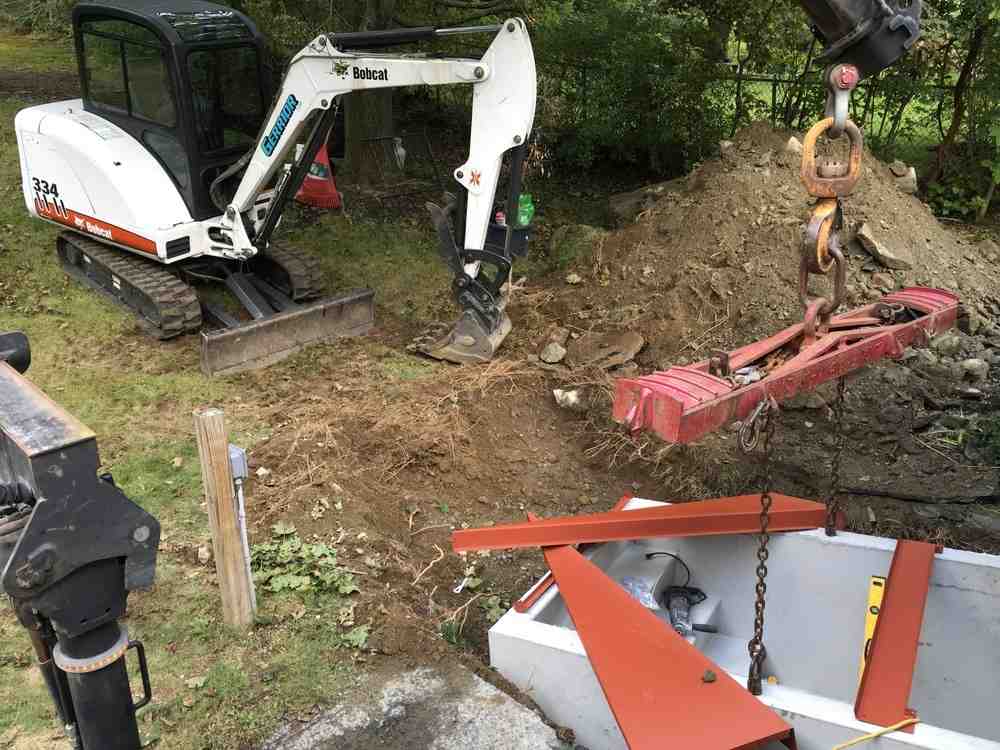
Why Your Basement Cellar Door Matters More Than You Think
Basement cellar door replacement is an essential upgrade that improves your home’s security, prevents water damage, and boosts curb appeal. If you’re exploring replacement options, here’s what you need to know.
Quick Overview: Cellar Door Replacement Options
| Material | Average Cost Range | Best For | Lifespan |
|---|---|---|---|
| Steel | $900 – $2,000+ | Security, durability | 20-30 years |
| Polyethylene (HDPE) | $1,500 – $2,500+ | Weather resistance, low maintenance | 25-35 years |
| Custom Solutions | $2,000 – $6,000+ | Unique foundations, specific needs | Varies by material |
Note: These are average costs based on internet data and not actual costs for Gerrior Masonry services.
When to Replace:
- Visible rust or structural deterioration
- Water leaks around the frame
- Difficulty opening or closing
- Foundation damage around the entrance
- Outdated security features
That old, rusted cellar door isn’t just an eyesore; it’s a security risk and an entry point for water damage. Replacing your basement cellar door protects your property by upgrading to modern materials like galvanized steel or high-density polyethylene. These offer weather-tight seals, spring-assisted operation, and improved security.
I’m Joe Gerrior, owner of Gerrior Masonry & Landscape Construction Corp. For over 34 years, I’ve helped countless Massachusetts homeowners with basement cellar door replacement. Our team has the masonry and foundation expertise to ensure a professional installation that will protect your home for decades.

Your Guide to Basement Cellar Door Replacement
A functional and secure cellar door protects your home from the elements and unwanted intrusions. This guide covers the critical factors for a basement cellar door replacement, from materials and features to measuring and costs.
When to Repair vs. Replace Your Cellar Door
Deciding whether to repair or replace your cellar door depends on the extent of the damage. Minor issues like light surface rust, a loose handle, or small gaps that can be sealed with new weatherstripping are often repairable. However, replacement becomes the necessary and more cost-effective long-term solution when you encounter significant problems:
- Structural Rust and Corrosion: Go beyond surface-level rust. If you see holes, flaking metal, or deep pitting, especially where the door frame meets the concrete foundation, the door’s structural integrity is compromised. This not only weakens security but also creates pathways for water and pests.
- Compromised Foundation Integrity: The best door in the world will fail if its foundation is crumbling. If the concrete bulkhead is cracked, spalling (flaking), or settling, the door will not sit or seal properly. A simple door swap is not enough; the underlying masonry issue must be professionally addressed, which almost always accompanies a full door replacement. Learn more about our bulkhead repairs.
- Significant Safety Hazards: A cellar door should be easy and safe to operate. If it’s so heavy or warped that it’s a struggle to open, or if it slams shut unexpectedly, it’s a serious safety risk. Sharp, rusted edges can also cause injuries. Modern doors with lift assistance solve these problems.
- Persistent Water Leaks: If you consistently find water pooling in your basement entryway after rain, the door’s seals and design are failing. Patching might offer a temporary fix, but a modern, properly installed unit with an integrated water-shedding design is the only permanent solution to prevent mold, mildew, and costly structural damage.
Choosing the Right Materials and Types
Selecting the right material impacts durability, maintenance, and cost.
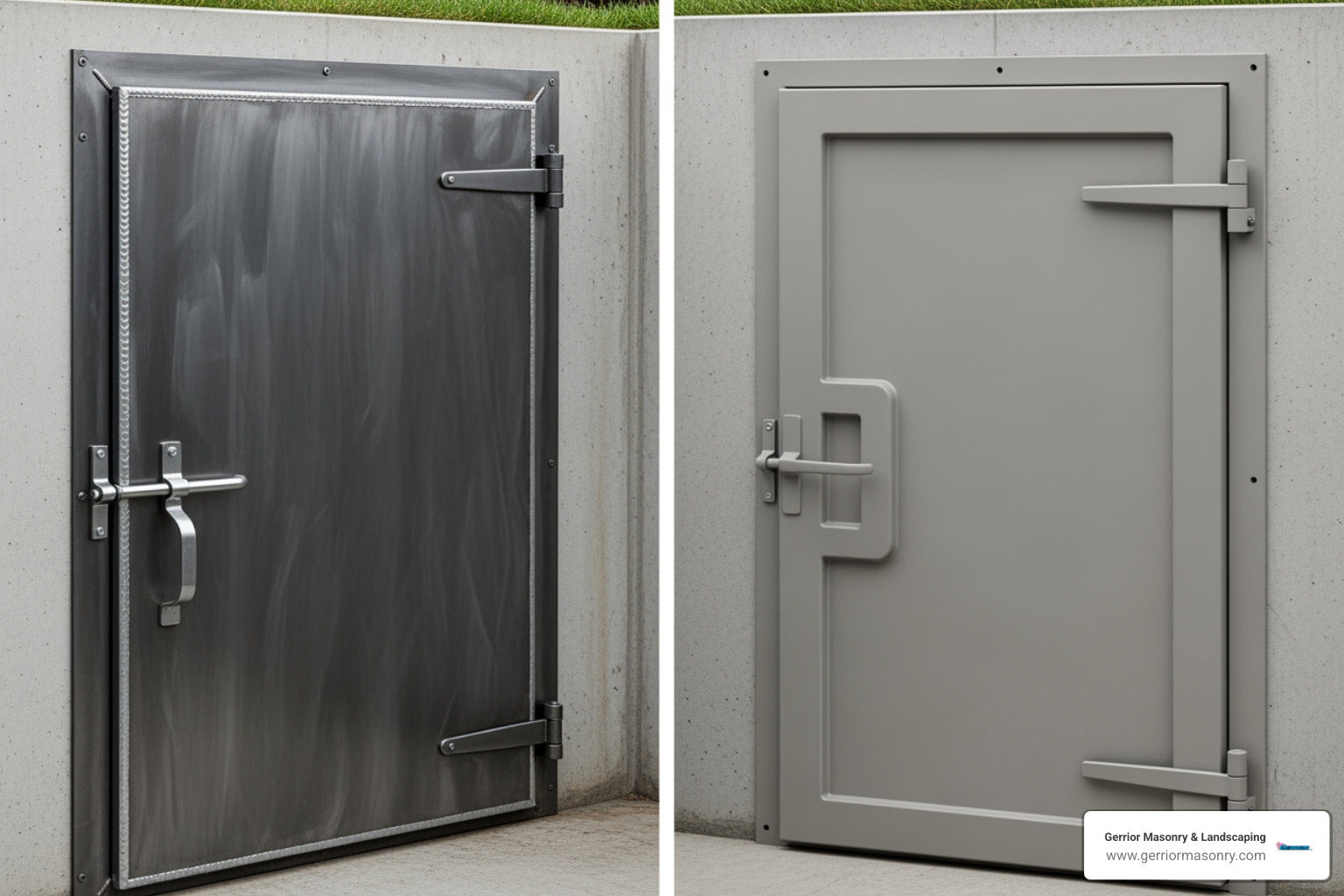
Common Materials and Their Pros & Cons:
| Material | Durability | Maintenance | Cost (Avg.) | Weather Resistance |
|---|---|---|---|---|
| Steel | Very high; resistant to impact and forced entry | Requires painting/priming to prevent rust | $900 – $1,600 (door only) | Good, if properly sealed and maintained |
| Polyethylene (HDPE) | High; resistant to rust, rot, and insects | Low; occasional cleaning | $1,500 – $2,500+ (door only) | Excellent; naturally watertight and UV resistant |
| Wood | Moderate; prone to rot, insects, and warping | High; regular sealing, painting, or staining | $500 – $1,200 (door only) | Moderate; requires consistent maintenance |
Note: These are average costs based on internet data and not actual costs for Gerrior Masonry services.
- Steel: A popular choice for its security and durability. Quality steel doors can last 20-30 years but require periodic painting to prevent rust.
- Polyethylene (HDPE): A low-maintenance option that is naturally resistant to rust and rot. While more expensive, they offer an excellent lifespan of 25-35 years.
- Wood: A traditional but high-maintenance option prone to rot and warping, making it less common for new installations.
Doors come in various types to fit different foundations, including angled, flat, and corner designs. We can help you find the perfect fit from various basement access doors.
Key Features to Consider for Your Basement Cellar Door Replacement
Today’s cellar doors are engineered for superior performance, security, and convenience. When choosing a replacement, look beyond the basic material and consider these critical features:
- Advanced Weather Resistance: A top-tier door does more than just cover the opening. Look for models with robust, continuous weather stripping that creates a tight seal around the entire perimeter. The best designs are flanged and shaped to actively shed water away from the foundation, preventing pooling and infiltration that can lead to a wet basement.
- Robust Security Features: Your cellar door is a potential entry point for intruders. Modern doors enhance security with features like slide-bolt locks that can only be operated from inside the basement, hidden hinges that prevent pin removal, and heavy-gauge steel construction that resists forced entry. Many also include hasps for padlocks for an added layer of security.
- Effortless Ease of Operation: Older, heavy steel doors can be difficult and dangerous to open. Look for a replacement that includes a lift-assistance mechanism. Torsion springs or gas-piston lifts counterbalance the weight of the doors, allowing them to be opened and closed smoothly with minimal effort. This is a crucial safety and convenience feature.
- Long-Term Durability and Finish: The material itself is only part of the equation. For steel doors, look for a galvannealed finish (a combination of galvanizing and annealing) and a factory-applied powder coat primer. This provides a much more durable and corrosion-resistant surface than simple paint. For HDPE doors, ensure they are UV-stabilized to prevent cracking and fading from sun exposure.
- Building Code Compliance: In many areas, a basement entryway may need to meet specific building codes, especially if the basement is considered a habitable space. This can include minimum opening size for emergency egress. A professional installer will be aware of local requirements and ensure your new door is fully compliant. Explore our basement entry systems for compliant options.
How to Measure for a Perfect Fit
Accurate measurements are crucial for a successful basement cellar door replacement. A door that doesn’t fit properly won’t seal correctly.
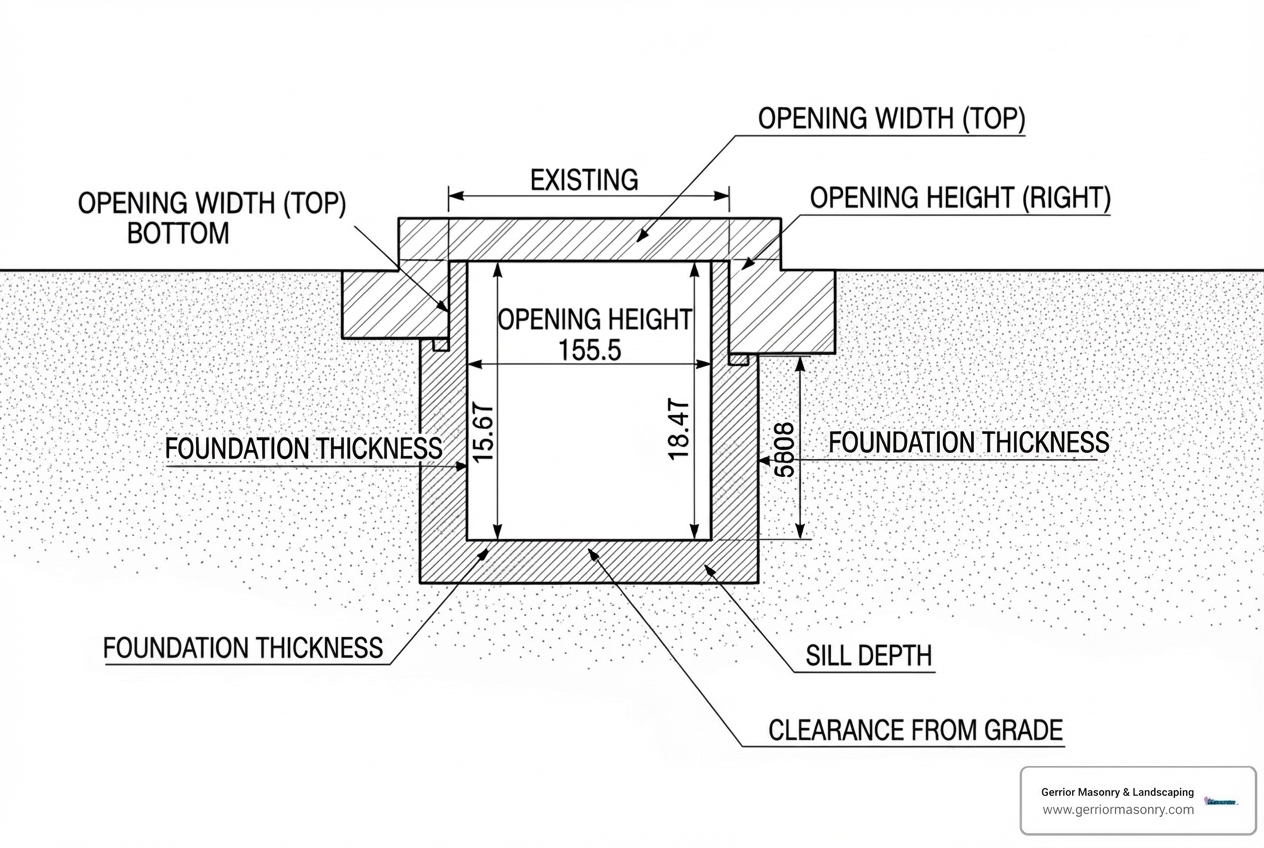
While we recommend a professional assessment, here are the basic steps:
- Clear the Area: Remove any debris from around the opening.
- Measure Width: Measure the side-to-side distance of the concrete opening at the top, middle, and bottom. Use the smallest measurement.
- Measure Length: Measure from the house wall to the front edge of the opening on both sides. Use the smallest measurement.
- Check for Square: Use a level to check if the foundation is level and plumb. Note any major discrepancies, as they may require foundation work or a custom door.
If you’re unsure, it’s best to call a professional. Our team has extensive experience and can ensure your new door fits perfectly. Learn more about how we handle projects like replacing a bulkhead.
Understanding the Cost of Basement Cellar Door Replacement
The cost for a basement cellar door replacement can range from $1,500 to over $5,000, including professional installation.
Note: The following cost figures are average estimates based on internet data and are not actual costs for Gerrior Masonry services. For an accurate quote, please contact us directly.
Key factors influencing the final price include:
- Material Costs: Steel doors ($900 – $2,000+ for the unit) are generally more affordable upfront than HDPE doors ($1,500 – $2,500+ for the unit).
- Size and Customization: Standard sizes are less expensive than custom-fabricated doors for unique openings.
- Installation Labor: The complexity of the job and the condition of your existing foundation affect labor costs.
- Foundation Work: If your concrete bulkhead is cracked or crumbling, masonry repairs will add to the project cost. This is a key part of our expertise.
While the initial investment might seem substantial, the benefits of improved security and preventing costly water damage make it a worthwhile upgrade. For more details, see our guide on bulkhead replacement cost.
The Installation Process and Final Considerations
Understanding the installation process and how to care for your new door will ensure its longevity and performance, keeping your basement dry and secure for decades.
Installation and Maintenance Essentials
A high-quality door is only as good as its installation. We strongly recommend professional installation for a basement cellar door replacement to ensure a perfect fit, proper anchoring, and a watertight seal. The process involves more than just swapping out the old unit; it requires careful preparation and expertise:
A Glimpse into the Professional Installation Process:
- Safe Removal: The old, often heavy and rusted, door is carefully dismantled and removed without damaging the surrounding foundation or landscape.
- Foundation Assessment & Repair: This is where a masonry expert shines. The concrete bulkhead is inspected for cracks, crumbling, or an unlevel surface. Necessary masonry repairs are made to ensure the new door has a solid, square base to mount to. This step is critical for a watertight seal.
- Precise Anchoring & Sealing: The new door frame is set, leveled, and securely anchored to the foundation. A high-grade polyurethane or silicone sealant is applied between the frame and the concrete to create an impenetrable barrier against water.
- Door & Hardware Assembly: Finally, the door leaves are attached, and the lift-assistance mechanism is installed and tested to ensure smooth, effortless operation.
This attention to the foundation is why hiring a masonry specialist is crucial for a successful replacement. Our team has extensive experience with bulkhead door installation across Middlesex and Essex County, ensuring every seal is perfect.
Caring for Your New Door
Once installed, simple maintenance extends your door’s life:
- Steel Doors: Regularly inspect for scratches and touch them up with a rust-inhibiting primer and paint to prevent corrosion. Lubricate hinges and moving parts annually.
- Polyethylene (HDPE) Doors: These doors are very low maintenance. A simple wash with soap and water is usually all that’s needed. Lubricate hinges and moving parts annually.
- General Tips: Keep the area around your cellar door free of leaves, snow, and debris. Ensure that rainwater drains away from the opening to prevent water from pooling against the frame.
Should you need any replacement parts, you can often find replacement door parts from manufacturers or specialized suppliers.
Secure Your Basement with a Professional Replacement
A basement cellar door replacement is a smart investment in your home’s security, value, and protection from the elements. We often recommend quality brands like Bilco and Steelway, which offer products designed to last for decades.
Benefits of a New Cellar Door:
- Improved Security: Modern locks and durable materials deter intruders.
- Superior Weather Protection: Watertight seals prevent costly water damage and mold.
- Improved Curb Appeal: A new door boosts your home’s exterior look and value.
- Easy Operation: Spring-assist and gas-piston hinges allow for effortless access.
At Gerrior Masonry & Landscaping, our masonry and foundation expertise makes us uniquely qualified to handle your basement cellar door replacement. With owner oversight on every project, we guarantee a high-quality installation that integrates seamlessly with your home’s foundation.
Don’t let a failing cellar door compromise your home. For a professional assessment and expert installation of your new bulkhead door, contact our team today. Gerrior Masonry & Landscape Construction is based in Woburn, MA, and proudly services Middlesex and Essex County, Massachusetts.