
Brick and Masonry Repair: Top 5 Proven Solutions 2025
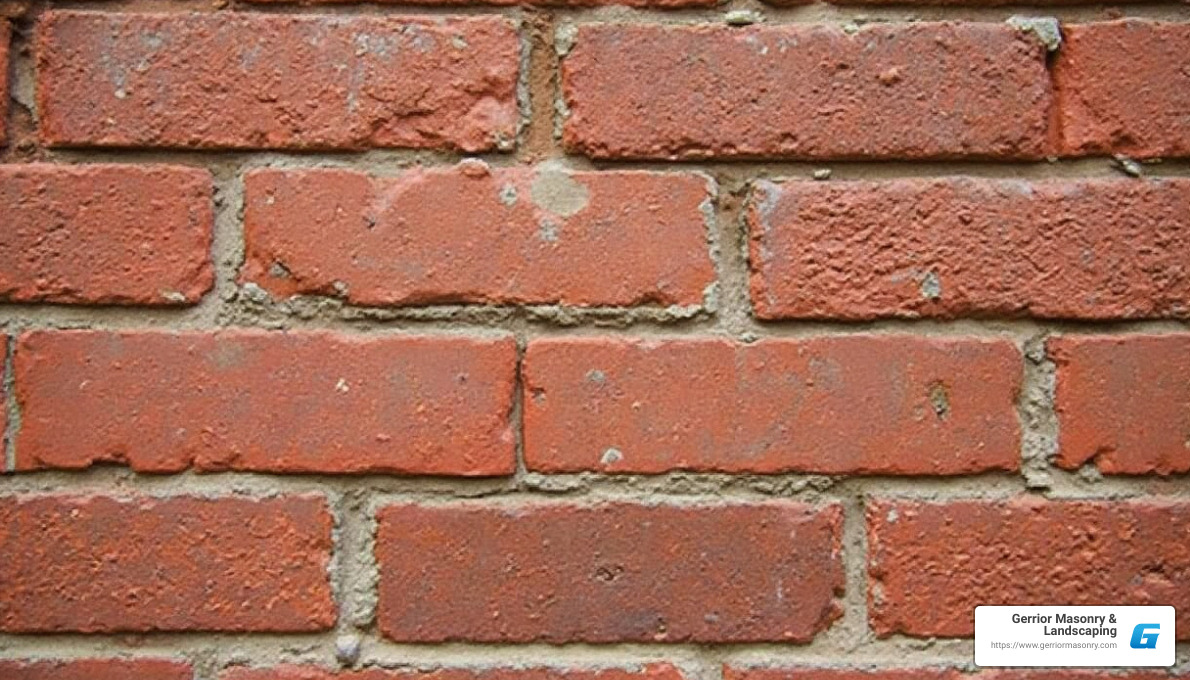
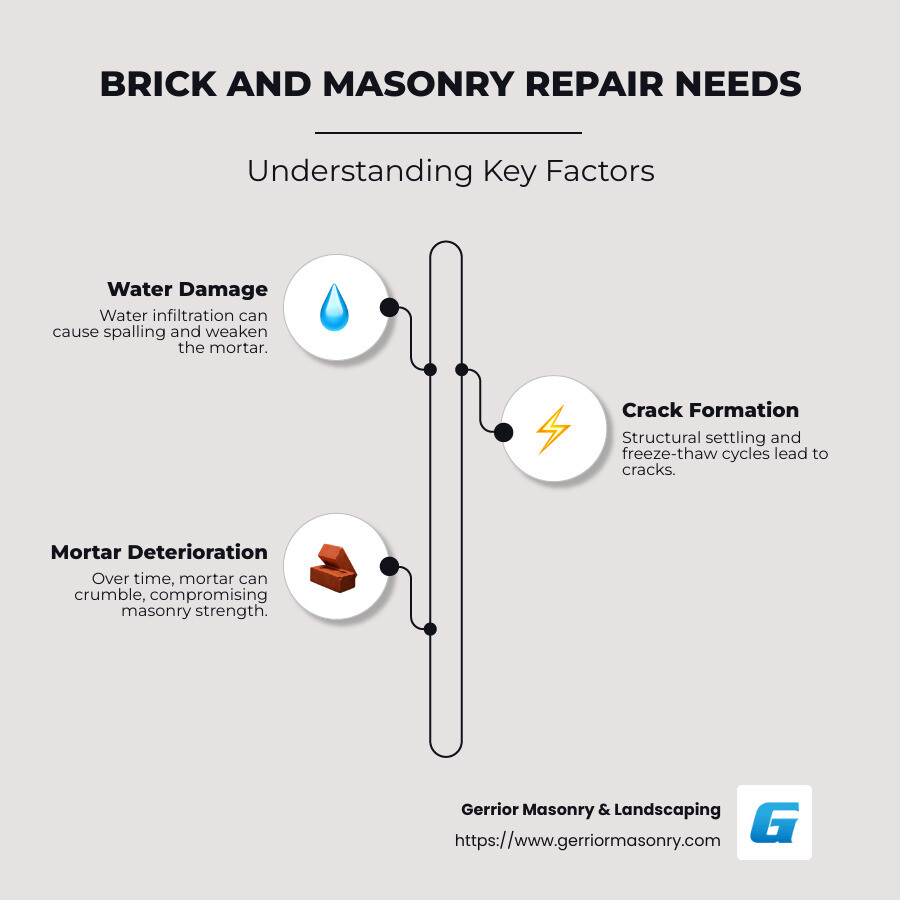
Brick and masonry repair is an essential task for homeowners looking to maintain the long-term durability and aesthetics of their property. Traditional materials like brick, stone, and mortar are known for their strength and longevity; however, they are not immune to wear and tear. Over time, factors such as water infiltration, freeze-thaw cycles, and structural settling can lead to cracks, spalling, and mortar deterioration. This necessitates timely repairs to preserve the integrity of the structure and prevent more costly damages. Here’s how brick and masonry repair can help:
- Preserve Structural Integrity: Regular maintenance prevents minor issues from becoming major problems.
- Improve Aesthetic Appeal: Proper repair contributes to a home’s curb appeal.
- Increase Property Value: Well-maintained masonry is an attractive feature for potential buyers.
As Joe Gerrior, owner of Gerrior Masonry & Landscape Construction Corp., I have over 34 years of experience addressing these challenges in Massachusetts. Our expertise in brick and masonry repair ensures that your home’s masonry stands strong against time and elements.
Quick brick and masonry repair definitions:
– brickwork restoration
– commercial brickwork
– masonry woburn ma
Understanding Brick and Masonry Repair
Brick and masonry repair is crucial for maintaining the safety and appearance of your home. Though brick and stone are durable, they can suffer from cracks, mortar deterioration, and water damage over time. Let’s explore these common issues and how they impact your home.
Cracks
Cracks in brick and masonry can appear in various forms, such as vertical, horizontal, and stair-step. These cracks often signal underlying issues that need attention. Vertical cracks might result from uneven settling of the foundation, while horizontal cracks could indicate pressure from thermal expansion. Stair-step cracks usually follow mortar joints and are often due to lateral stress.
Addressing these cracks early is essential to prevent further structural damage. Ignoring them can lead to more severe problems, such as water infiltration or even partial collapse.
Mortar Deterioration
Mortar, the binding material between bricks or stones, can deteriorate with time due to exposure to the elements. This deterioration can weaken the entire structure, leading to loose bricks and potential collapse.
Tuckpointing is a common repair technique used to fix deteriorating mortar. It involves removing the old, damaged mortar and replacing it with new mortar that matches the original color and texture. This process not only strengthens the structure but also restores the appearance of the masonry.
Water Damage
Water is a significant enemy of masonry. When water seeps into cracks or porous materials, it can cause serious problems. During cold weather, this water can freeze and expand, making cracks larger.
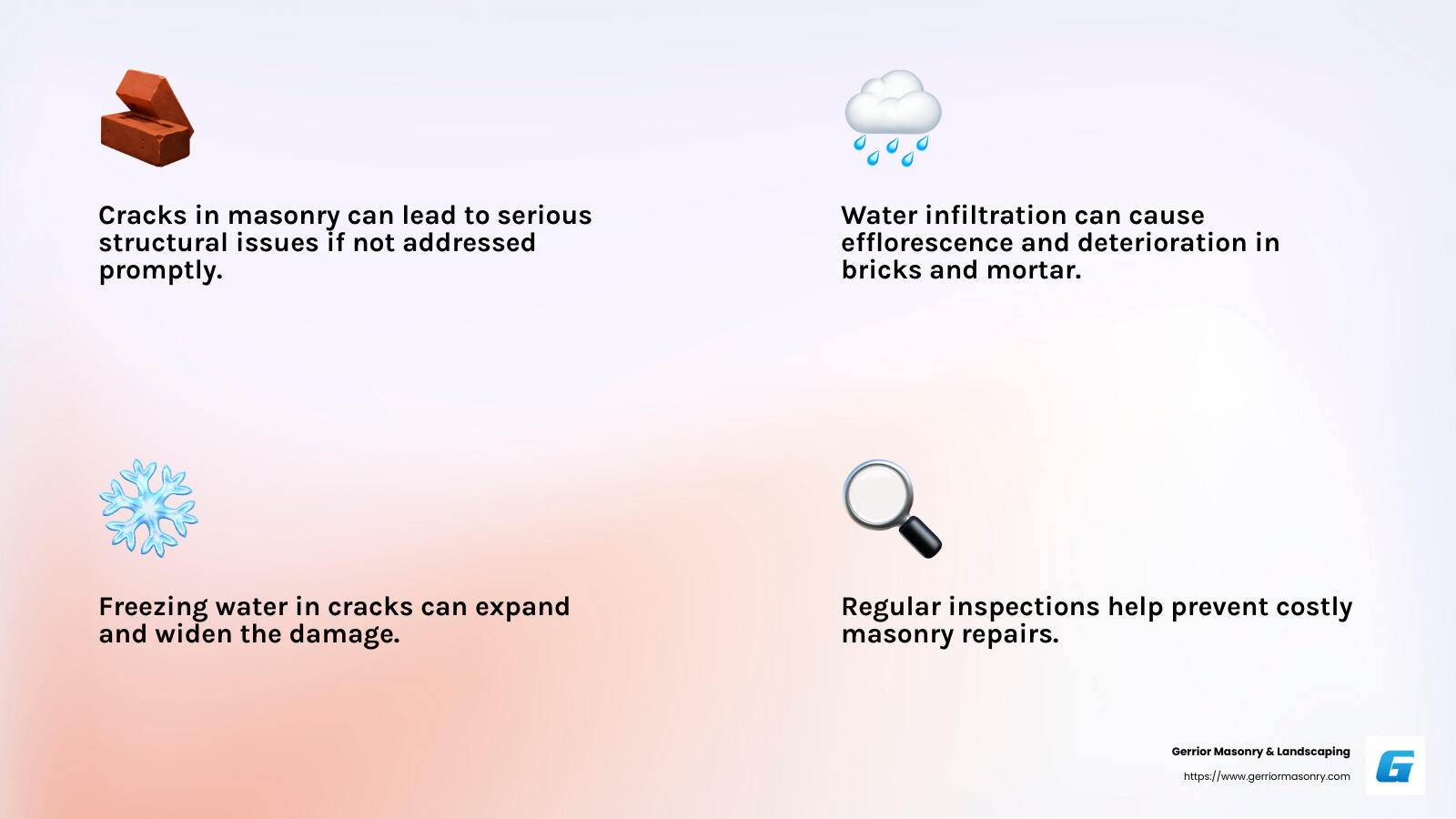
Preventing water damage involves several strategies, such as applying waterproof sealants and ensuring proper drainage systems. Regular inspections and maintenance are crucial to catch and repair any issues before they escalate.
Understanding these common issues in brick and masonry repair helps homeowners take timely action to maintain their property’s safety and beauty. Next, we’ll discuss the differences between DIY and professional masonry repair solutions.
DIY vs. Professional Masonry Repair
When it comes to brick and masonry repair, deciding between a DIY approach and hiring a professional can be challenging. Let’s explore both options to help you make an informed decision.
DIY Techniques
For minor issues, like small cracks or crumbling mortar, a DIY approach might be suitable. If you’re comfortable with basic tools and techniques, you can tackle these repairs yourself.
- Hairline Cracks: Use silicone rubber caulking compounds. Apply with a paintbrush to ensure the material fills the crack completely. This method is ideal for cracks smaller than 1/16th of an inch.
- Repointing: If the mortar between bricks is deteriorating, repointing can be done by removing the old mortar and filling the joints with new mortar. Be sure to match the color and texture to maintain the aesthetic.
- Patching Cement: For larger cracks, use patching cement, a mix of sand and cement. This requires more preparation, including cleaning and wetting the crack before application.
While DIY repairs can be cost-effective, they require time, patience, and a bit of skill. If you’re unsure about your abilities, it might be best to call in the pros.
Professional Services
For more complex issues, like significant cracks or structural concerns, professional masonry repair is the way to go. Professionals have the expertise and tools to handle these problems safely and effectively.
Gerrior Masonry & Landscaping offers comprehensive masonry repair solutions, ensuring quality and safety for your home. With a team of multi-skilled craftsmen, they can address a wide range of masonry issues.
- Tuckpointing: Professionals can perform precise tuckpointing, matching new mortar to the existing structure seamlessly.
- Helical Ties: When brick ties fail, experts can install helical ties to stabilize the structure without completely re-laying the brick.
- Waterproofing: Professionals can apply high-quality waterproof sealants and install proper drainage systems to prevent future water damage.
Hiring a professional might seem more expensive upfront, but it can save you money in the long run by preventing further damage and ensuring the job is done right.
Weighing Your Options
The choice between DIY and professional repair depends on the complexity of the issue and your comfort level. For minor repairs, DIY might be feasible. But for significant or structural concerns, professional help is recommended to ensure the safety and longevity of your masonry.
Next, we’ll dive into essential masonry repair techniques, including tuckpointing, helical ties, and the use of patching cement.
Essential Masonry Repair Techniques
When it comes to keeping brick and masonry structures in top condition, understanding key repair techniques is crucial. Here, we explore three essential methods: tuckpointing, helical ties, and patching cement.
Tuckpointing
Tuckpointing is a technique used to repair and restore the mortar joints between bricks. Over time, mortar can deteriorate due to weather exposure, leading to cracks and gaps. This can compromise the structural integrity of the wall.
- Process: Tuckpointing involves removing the damaged mortar and replacing it with new mortar that matches the original color and texture. This not only strengthens the wall but also improves its appearance.
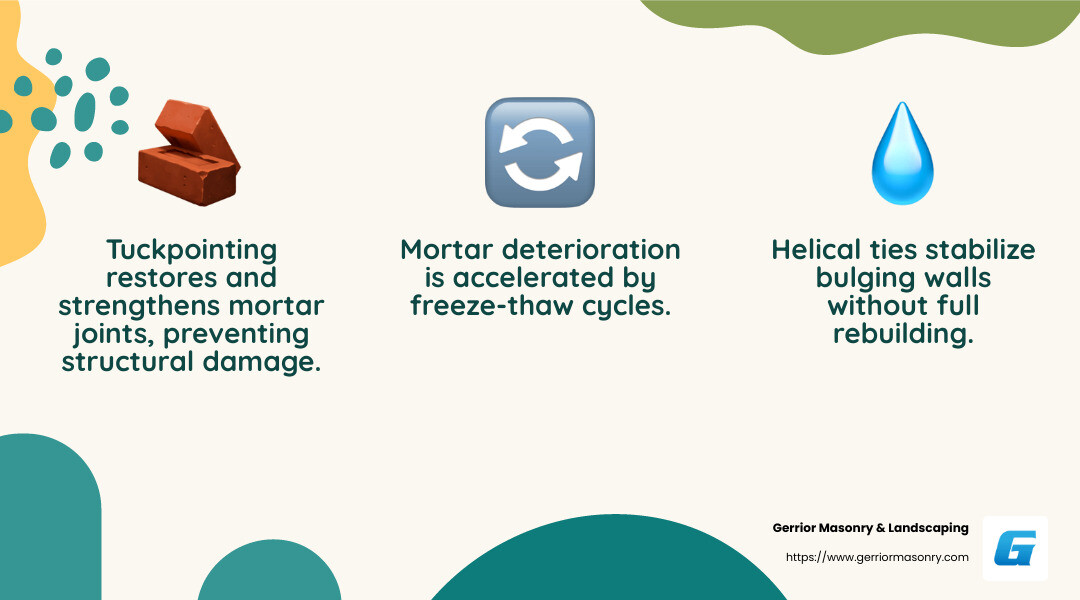
- Benefits: Early tuckpointing can prevent more extensive damage, saving you from costly repairs in the future. It’s particularly important in areas with frequent freeze-thaw cycles, as these can exacerbate mortar deterioration.
Helical Ties
When brick ties fail, the brick facade of a building can start to shift or bulge. Rather than re-laying the entire wall, helical ties offer a less invasive solution.
- Installation: Helical ties are spiral-shaped metal rods that are inserted through the brick and into the load-bearing structure behind it. This technique stabilizes the wall without the need for extensive rebuilding.
- Advantages: Helical ties provide a permanent fix that restores stability and prevents further movement. They are ideal for addressing structural issues without altering the building’s exterior.
Patching Cement
For larger cracks in masonry, patching cement is an effective repair method. This involves using a mixture of sand and cement to fill and seal cracks.
- Preparation: Before applying patching cement, it’s crucial to clean the crack thoroughly and remove any loose material. Wetting the area can also help the cement adhere better.
- Application: Once prepared, the patching cement is applied into the crack and smoothed out. This technique is best for cracks wider than 1/16th of an inch.
- Outcome: Properly applied patching cement restores the wall’s appearance and prevents water ingress, which can lead to further damage.
Choosing the Right Technique
Each of these techniques serves a specific purpose in maintaining the health of masonry structures. While some repairs can be undertaken as DIY projects, others might require professional expertise to ensure safety and effectiveness.
Next, we’ll explore the cost considerations associated with masonry repair, helping you understand what to expect financially when addressing these issues.
Cost Considerations for Masonry Repair
Understanding the costs involved in brick and masonry repair is crucial for planning your budget effectively. Let’s break down the main components: repair costs, labor rates, and material expenses.
Repair Costs
The cost of masonry repair can vary widely based on the extent of the damage and the specific techniques required. In Massachusetts, for example, the average cost is around $1,321, with a typical range between $564 and $2,352. However, prices can be as low as $181 for minor repairs or as high as $4,500 for extensive work.
Labor Rates
Labor is a significant part of masonry repair costs. Experienced contractors, like those with over 10 years in the field, may charge higher rates due to their expertise and the quality of work they deliver. Reviews from satisfied customers often highlight the professionalism and efficiency of seasoned workers, which can justify higher fees.
Material Expenses
The materials used in masonry repair also impact the overall cost. Tuckpointing, for example, requires high-quality mortar that matches the existing structure, while helical ties involve specialized metal rods. The choice of materials can affect both the durability and appearance of the repair, so it’s important to consider quality over cost alone.
Balancing Cost and Quality
While it’s tempting to opt for the cheapest option, investing in quality repairs can save money in the long run by preventing future damage. Professional services often come with guarantees and the peace of mind that the job is done right.
By understanding these cost considerations, you can make informed decisions about your masonry repair needs. Next, we’ll address some frequently asked questions to further guide you through the process.
Frequently Asked Questions about Brick and Masonry Repair
How much does it cost to repair cracked masonry?
The cost of repairing cracked masonry can vary greatly depending on the size and severity of the damage. In general, you can expect to pay anywhere from $181 to $4,500 for masonry repairs. On average, most homeowners spend about $1,321, but prices can fluctuate based on the complexity of the repair and the materials used.
For a more precise estimate, consider the square foot pricing. Minor repairs might cost less per square foot, whereas extensive damage requiring specialized techniques, like helical ties or tuckpointing, could increase the price significantly.
What is tuckpointing?
Tuckpointing is a specialized technique used in masonry repair to improve the appearance and integrity of a brick structure. It involves removing deteriorated mortar from the joints and replacing it with new mortar that matches the original color and texture.
This process not only improves the aesthetic appeal of the wall but also strengthens it by filling in gaps that could allow water to seep in. Over time, moisture can cause significant damage, so addressing mortar deterioration early with tuckpointing can prevent costly repairs down the road.
Can I perform masonry repair myself?
For those wondering if they can tackle DIY masonry repair, the answer depends on the extent of the damage and your comfort level with home improvement projects. Small, hairline cracks can often be fixed with caulking compounds like silicone rubber. This method is manageable for most DIY enthusiasts and doesn’t require specialized tools.
However, larger cracks or more complex issues, such as deteriorating mortar that needs tuckpointing, typically require professional help. Companies like Gerrior Masonry & Landscaping have the expertise to handle these repairs efficiently and safely. They can ensure that the repair is done correctly, preventing further damage and maintaining the structural integrity of your home.
In summary, while minor repairs can be a DIY project, significant masonry work is best left to professionals. This approach ensures a lasting solution and peace of mind, knowing the job is done right.
Conclusion
At Gerrior Masonry & Landscaping, we pride ourselves on our expertise in brick and masonry repair. With over 30 years of experience, our team has developed a reputation for delivering high-quality results. Whether it’s a small crack or a full-scale restoration, we have the skills and knowledge to handle any masonry challenge.
Our services extend beyond simple repairs. We offer comprehensive solutions, including tuckpointing, foundation repair, and chimney repairs. Our skilled team works under the direct oversight of our owner, ensuring that every project meets our high standards. This hands-on approach guarantees that your property receives the best care possible.
We understand that every masonry project is unique. That’s why we tailor our services to meet your specific needs. Our team is committed to providing exceptional customer service, from the initial consultation to project completion. We believe in building lasting relationships with our clients by delivering results that exceed expectations.
If you’re in Woburn, MA, or surrounding areas, and need reliable masonry services, trust us to get the job done right. Visit our Masonry Services page to learn more about how we can improve the beauty and durability of your property.
Choose Gerrior Masonry & Landscaping for your next project, and experience the difference that expertise and dedication can make.
