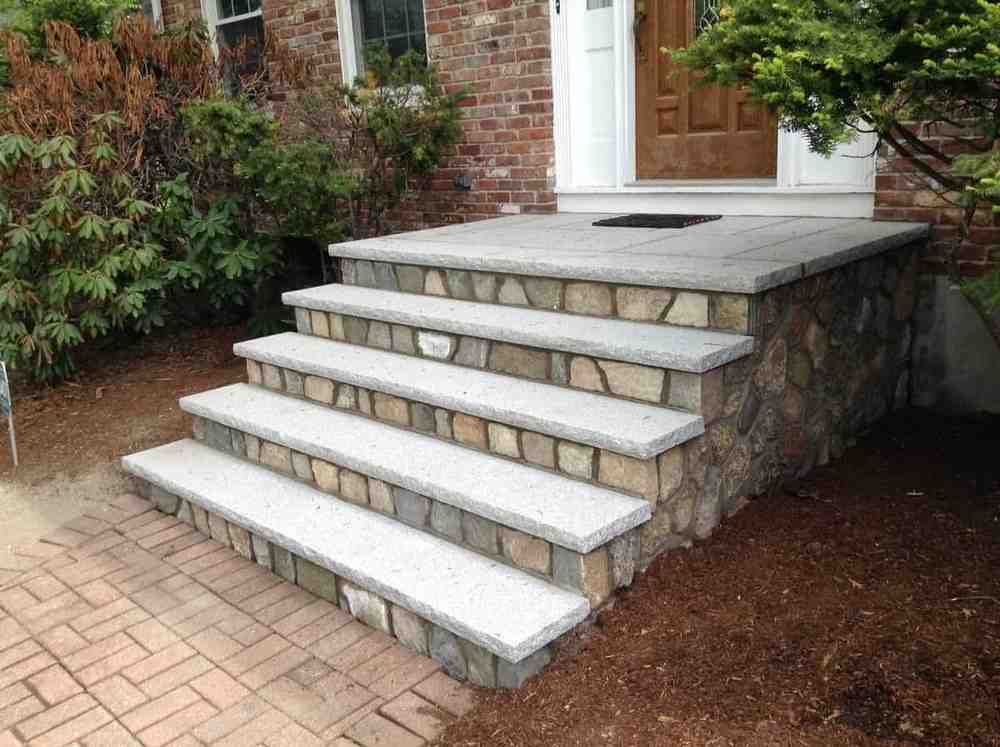
Brick and stone walls: 10 Powerful Reasons Homeowners Love
Why Fortress-Quality Walls Never Go Out of Style
Brick and stone walls have protected homes and defined property lines for thousands of years, and they’re still the gold standard for durability, beauty, and security today. Whether you’re building a garden retaining wall, creating an outdoor living space, or adding serious curb appeal to your home’s exterior, understanding the key differences between these masonry options will help you make the right choice.
Quick Construction Method Overview:
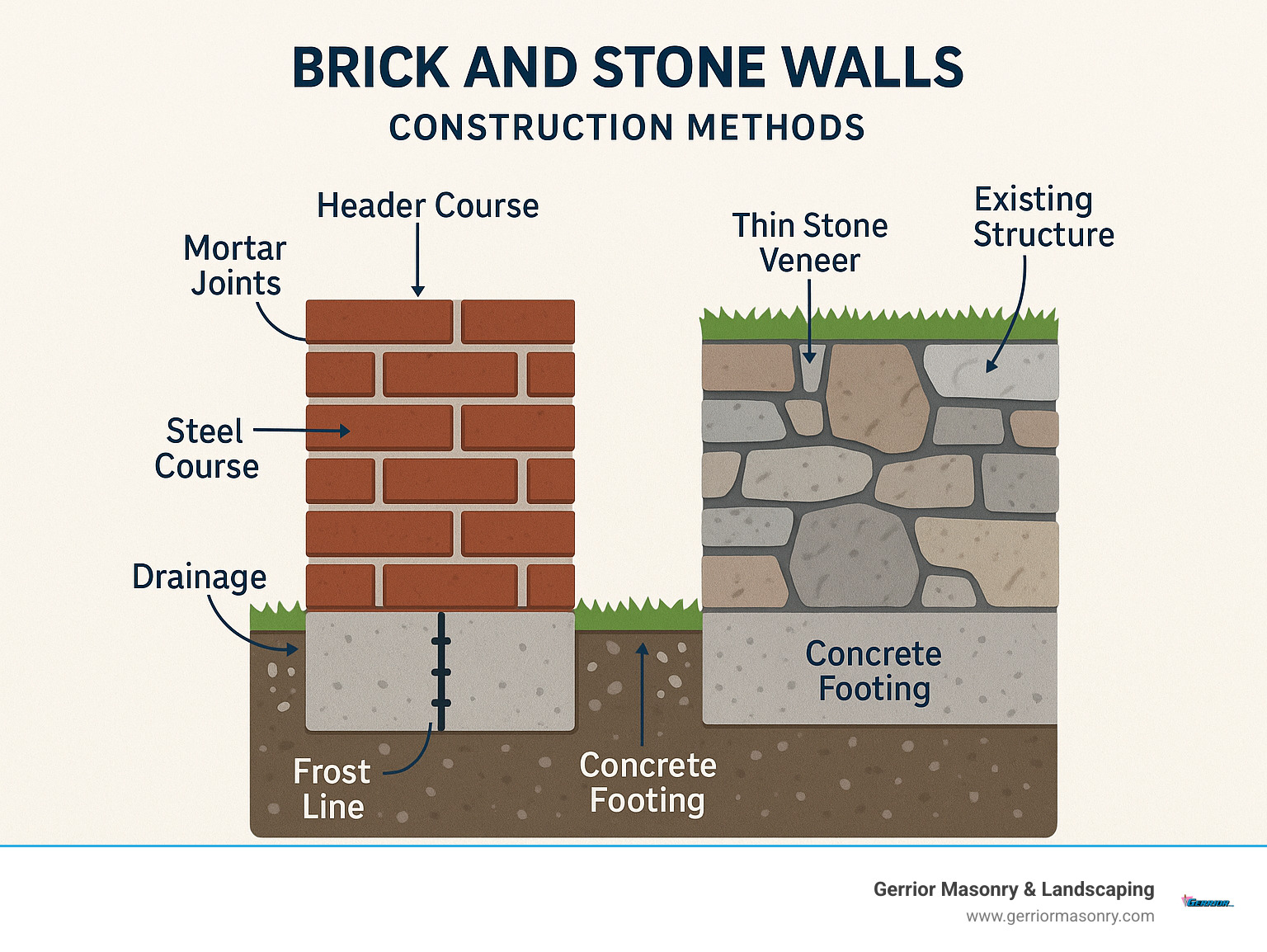
- Brick walls: Use uniform clay units with mortar joints, requiring concrete footings and header courses every 6th row per building codes
- Stone walls: Built with natural quarried stone, need thicker construction (minimum 16″ for rubble stone vs 12″ for brick)
- Installation methods: Can be dry-laid (stone only), mortared, or thin veneer over existing structures
The research shows that stone masonry typically lasts longer than brick when properly maintained, but brick offers more consistent sizing and faster installation. Both materials create excellent thermal mass for energy efficiency and provide superior acoustic insulation compared to wood frame construction.
I’m Joe Gerrior, and over 34 years of running Gerrior Masonry & Landscape Construction, I’ve built countless brick and stone walls that have stood the test of New England winters and homeowner expectations. My team specializes in both traditional masonry techniques and modern thin veneer systems that deliver the look you want with the structural integrity your property deserves.
Masonry 101: Brick and Stone Walls Compared
When you’re standing in front of two beautiful walls—one brick, one stone—the difference might seem obvious. But understanding what makes each material unique goes much deeper than appearance. Brick and stone walls represent two completely different approaches to building that have shaped architecture for thousands of years.
Bricks are the manufactured precision tools of masonry. Made from clay, concrete, sand lime, or other engineered materials, they’re created in controlled environments where every dimension, color, and strength characteristic can be carefully managed.
Stone comes straight from Mother Nature’s quarry. Each piece has its own personality—unique grain patterns, natural color variations, and individual character that can’t be replicated in a factory.
Compressive strength is where both materials really shine. Stone generally wins the durability contest—it resists damage better and is less likely to crumble over time. With brick walls, it’s usually the mortar joints that fail first, not the brick itself.
| Feature | Brick | Stone |
|---|---|---|
| Consistency | Uniform size and shape | Natural variation |
| Weight | Lighter, easier handling | Heavier, requires stronger foundations |
| Installation Speed | Faster due to uniformity | Slower, requires custom fitting |
| Cost Range | More affordable | Higher material and labor costs |
| Thermal Mass | Good heat retention | Excellent thermal performance |
| Maintenance | Regular joint maintenance | Less frequent, but specialized care |
Key Differences at a Glance
Size consistency is probably the biggest game-changer between these materials. When laying brick, you know exactly what dimensions you’re working with. Stone keeps you on your toes—each piece needs to be individually fitted and positioned.
Weight becomes a real factor when planning foundations and structural support. Stone walls are significantly heavier, which means deeper footings and more robust support systems.
Pros & Cons of Brick Walls
Brick construction offers compelling advantages. Speed of laying is probably the biggest benefit—uniform dimensions mean faster installation and more predictable timelines. You’ll also find an incredible range of color options available.
But brick does have challenges. Moisture absorption can be higher than stone, especially with certain clay types. Colors may fade over time with sun exposure, and mortar joints will need regular maintenance.
Building codes require every sixth course to be a header course, or at least one full header in every 72 square inches of wall surface. This ensures proper structural bonding between the outer and inner wall faces.
When brick walls start showing their age, our Brickwork Restoration services can address everything from efflorescence and cracking joints to complete repointing while preserving your wall’s original character.
Pros & Cons of Stone Walls
Stone walls bring an best sense of longevity and permanence to any property. When properly built, they can literally last centuries with minimal maintenance. The rustic character and natural variations create a unique appearance that can’t be replicated with manufactured materials.
The higher cost is stone’s biggest drawback. Both materials and labor cost more, and you’ll need thicker wall construction—minimum 16 inches for rubble stone versus 12 inches for brick.
Scientific research on dry-laid walls shows these structures can stand for centuries using nothing but gravity and precise stone placement. However, mortared stone walls offer better weather protection and more design flexibility for modern applications.
Our Stone Wall Restoration expertise helps preserve historic stone structures while upgrading them to meet today’s performance standards.
Structural & Code Requirements You Cannot Ignore
Building code requirements for brick and stone walls aren’t bureaucratic nonsense. They’re the difference between a wall that stands for decades and one that becomes an expensive pile of rubble after the first hard freeze.
Foundation depth is absolutely critical for our New England climate. Your footings must extend below the frost line, which is typically 4 feet deep in Massachusetts. When water freezes in the soil, it expands with tremendous force—enough to lift and crack even heavy stone walls if the foundation isn’t deep enough.
The footing width should be at least twice your wall thickness, and any wall over 3 feet high needs steel reinforcement in the concrete footing.
Proper drainage behind retaining walls is mandatory. Hydrostatic pressure from trapped water can push over walls that would otherwise stand for generations.
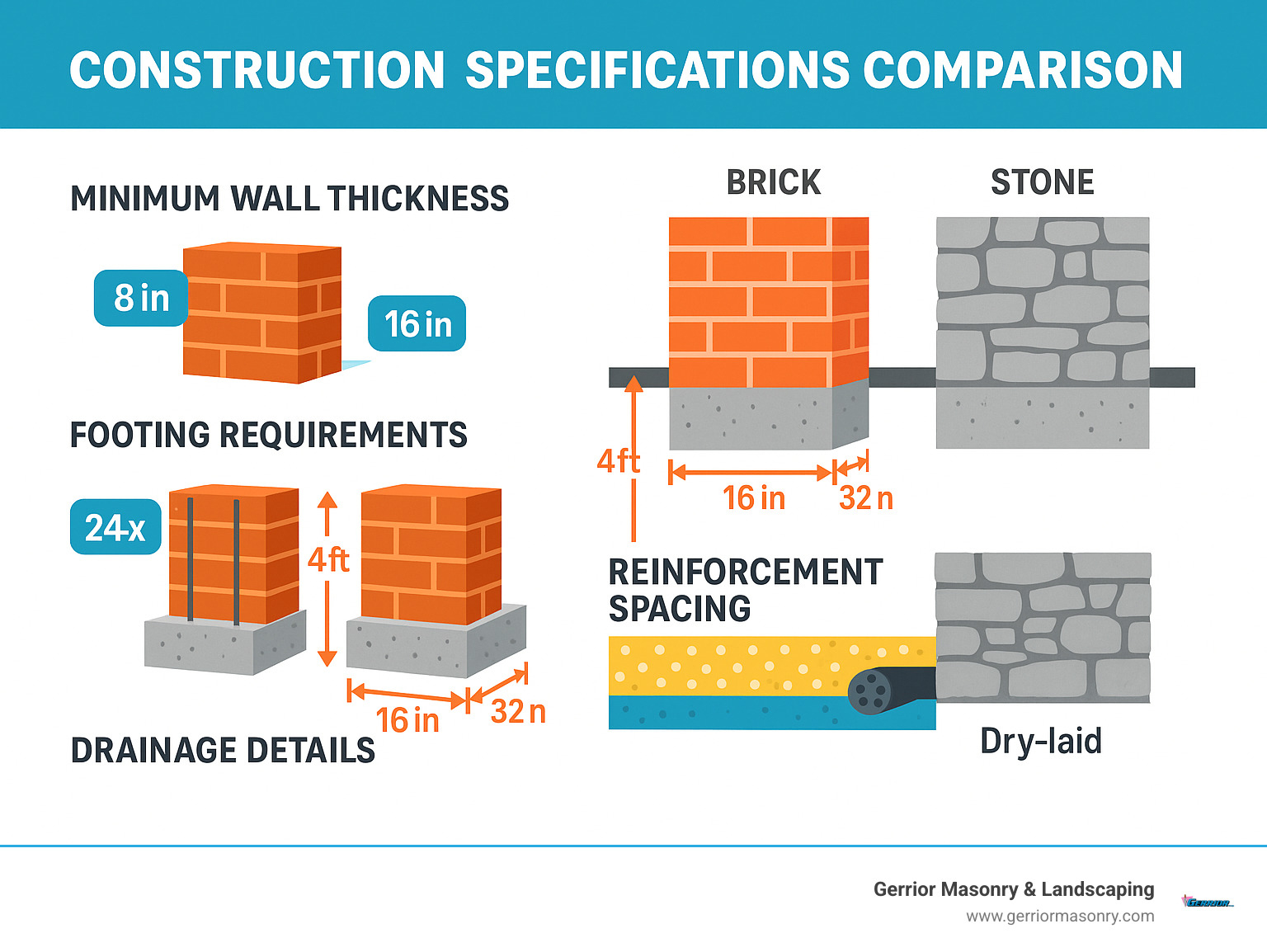
The header course rules for brick walls come from decades of structural testing. Every sixth course on both sides must be a header course, or you need at least one full header in every 72 square inches of wall surface.
Rubble stone walls need extra thickness because the irregular shapes don’t interlock as tightly as manufactured bricks. Code requires rubble stone walls to be 4 inches thicker than equivalent solid brick walls, with a minimum thickness of 16 inches.
When a Permit Is Mandatory
Load-bearing walls always require permits and engineering review. This includes any wall that supports decks, roofs, porches, or upper floors.
Retaining wall height limits vary by municipality, but most require permits for walls over 4 feet high. Some towns have lower thresholds—permits may be required for walls as short as 3 feet in certain areas.
Common Fail Points & How to Prevent Them
Efflorescence—those white, chalky deposits that appear on masonry surfaces—tells you that water is moving through your wall. We prevent efflorescence with proper drainage design, quality mortar selection, and appropriate sealers.
Bulging walls happen when foundations are inadequate or drainage fails. We prevent bulging with properly sized footings and effective drainage systems.
Missing weep holes in retaining walls create hydrostatic pressure that can destroy even well-built walls. We place weep holes every 6 to 10 feet in retaining walls.
For expert help with structural masonry projects, our Stone Wall Restoration services ensure your walls meet all current code requirements while preserving their original character.
Design Trends 2024: Styles for Brick and Stone Walls
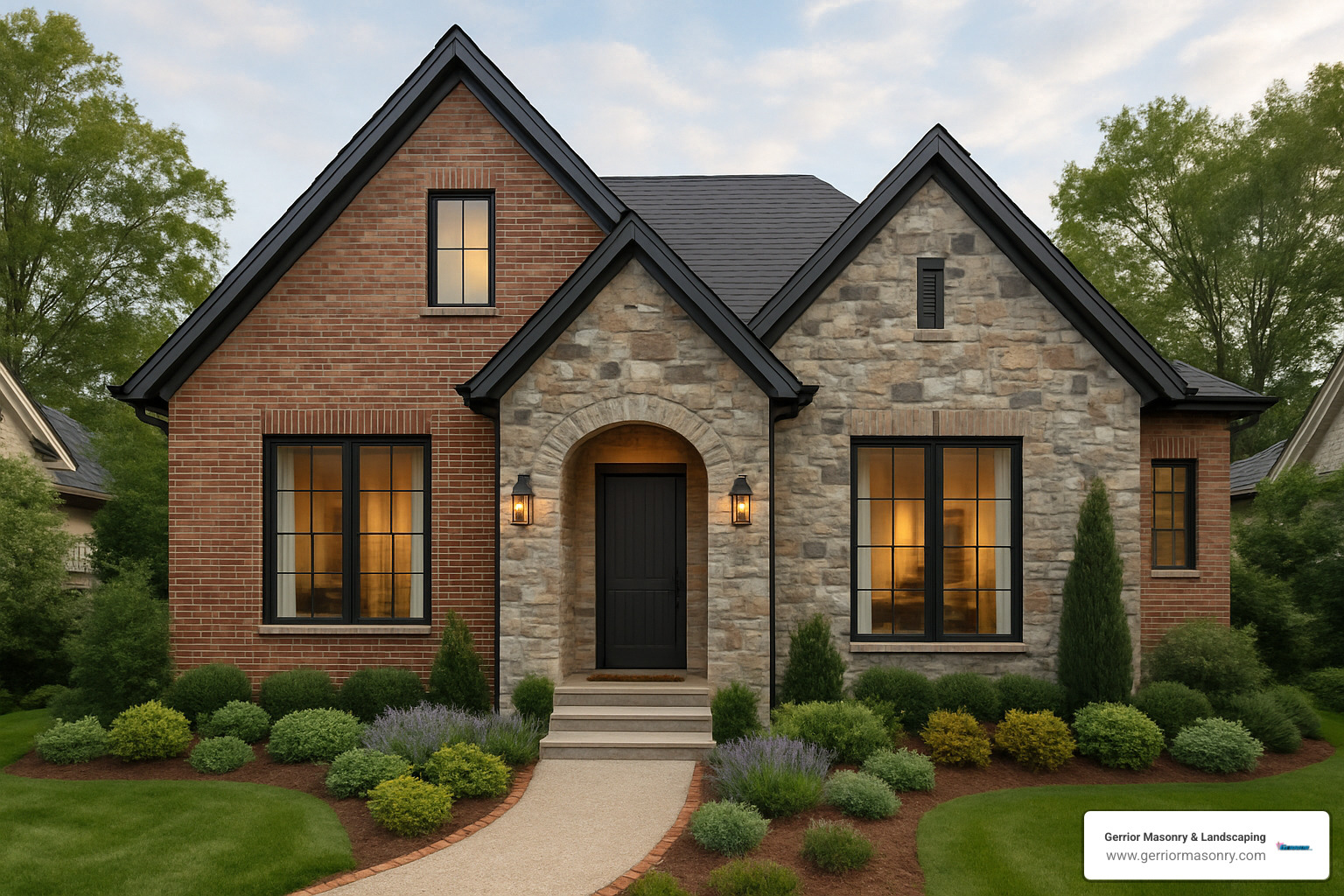
The biggest trend in 2024 is homeowners getting bold with material combinations. Gone are the days when you had to pick just brick or just stone—now it’s all about mixing textures and colors to create something truly unique. Research shows over 64 popular brick and stone combinations for home exteriors.
The color palettes trending this year lean toward warm earth tones like terracotta brick paired with beige fieldstone, creating that cozy, lived-in feel. On the flip side, cool contemporary looks using charcoal brick with bluestone are perfect for homeowners who want something more modern.
Classic combinations like red brick with limestone trim never go out of style. But we’re also seeing more bold contrasts like white brick with black stone accents that create real drama.
The game-changer this year is thin veneer applications. These lightweight alternatives to full masonry give you the authentic look of brick and stone walls at a fraction of the weight and cost.
Outdoor living integration is huge right now. We’re building more walls that define outdoor spaces, create privacy screens, and support outdoor kitchens. The thermal mass of masonry makes these spaces comfortable year-round.
Our Decorative Stone Walls showcase how traditional materials can create contemporary outdoor living spaces that blend seamlessly with modern architecture.
Hottest Brick and Stone Combinations
Classic red brick paired with limestone creates that timeless, welcoming feel that never gets old. Charcoal brick with split granite is perfect for contemporary homes. White brick combined with fieldstone creates a lighter, more polished appearance that’s perfect for farmhouse styles.
For homeowners ready to move forward with premium materials, you can order high-quality thin brick options that provide authentic texture and color consistency.
Interior Statement Walls That Pop
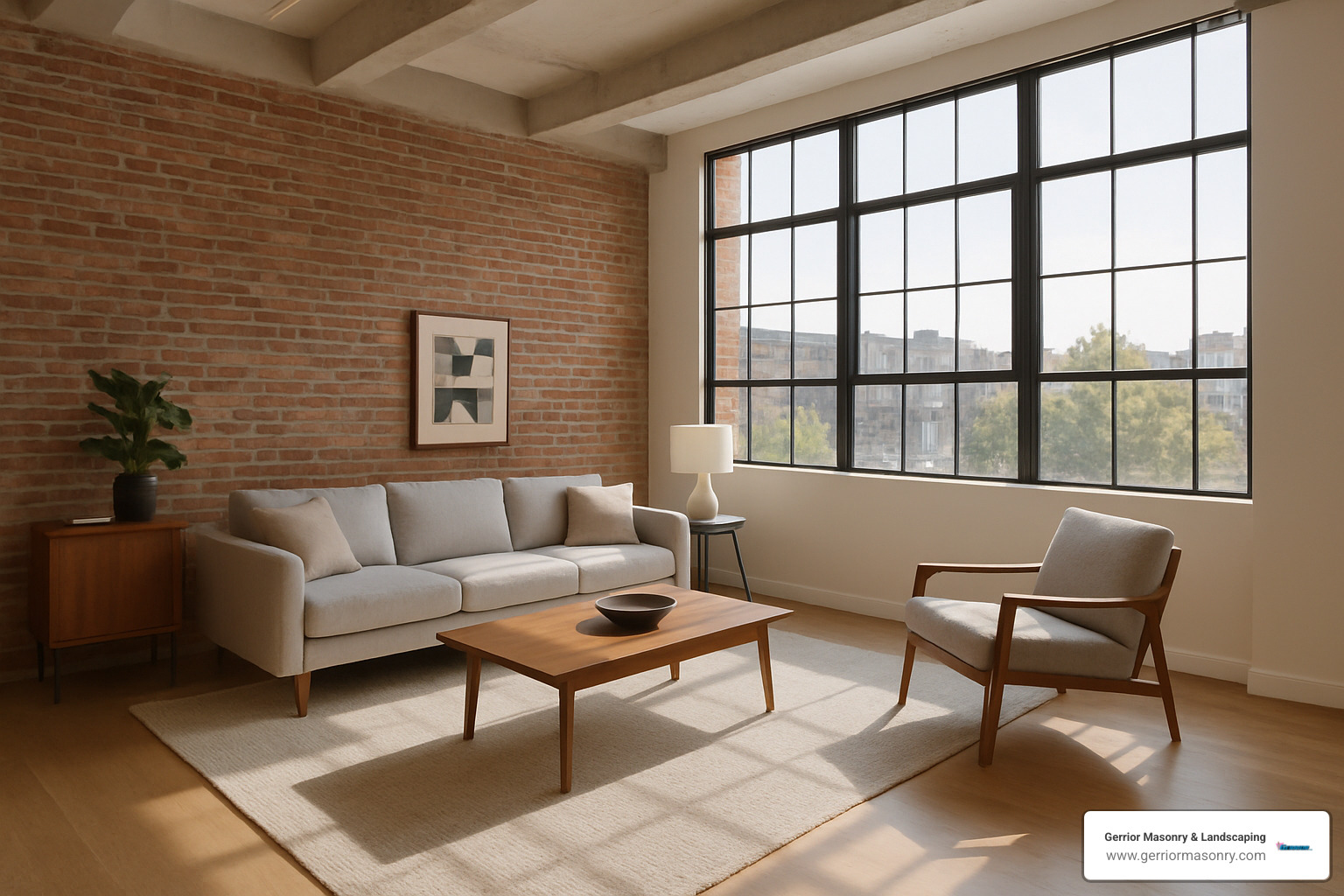
Fireplace surrounds are where brick and stone walls really shine indoors. Exposed brick brings industrial charm while stacked stone provides rustic elegance.
Kitchen backsplashes using stone cladding or thin brick applications add texture and character that tile can’t match. The loft industrial look is still going strong, with exposed brick walls bringing warmth to modern interiors.
Landscaping Uses That Wow the Neighbors
Seat walls are one of my favorite ways to use masonry in landscaping. Low garden walls capped with bluestone provide attractive seating while defining garden spaces.
Garden borders made from brick and stone walls create permanent, attractive boundaries that require minimal maintenance. Water features and stone walls are natural partners, providing beautiful backdrops for fountains and ponds.
Our Landscape Wall Projects demonstrate how masonry walls can transform ordinary yards into extraordinary outdoor spaces.
Costs, Durability & Maintenance Over the Long Haul
While brick and stone walls are investments that can last generations, you need to know what you’re getting into upfront. The pricing landscape varies dramatically based on materials, complexity, and location.
Average Material Costs (Internet Data):
For brick masonry, you’re looking at $8-$25 per square foot installed for basic work, though premium materials and complex installations can push costs to $75 per square foot or higher. Natural stone runs $25-$85 per square foot installed for standard applications, but elaborate stonework can reach $250 per square foot.
Thin veneer options offer more budget-friendly alternatives. Brick veneer typically costs $6-$18 per square foot installed, while stone veneer ranges from $12-$35 per square foot, though high-end applications can cost up to $85 per square foot. These are average costs based on internet data and not actual costs for Gerrior Masonry services.
Long-term Value Reality Check:
Stone masonry typically outlasts brick when both are properly maintained. Stone resists weathering better and is less likely to develop structural issues over time. However, brick offers more predictable costs and faster installation.
Energy & Acoustic Performance
The thermal mass benefits of brick and stone walls provide real energy savings. These materials absorb heat during warm periods and release it slowly when temperatures drop—natural climate control that can reduce heating and cooling costs.
Sound insulation is another hidden benefit. Both brick and stone significantly outperform wood frame construction for noise control, with stone providing the highest STC ratings.
Easy Maintenance Checklist
The best part about quality masonry? Maintenance is straightforward when you stay on top of it. Annual inspections should focus on mortar joints, drainage systems, and early problem detection.
Soft washing techniques work better than high-pressure cleaning, which can damage mortar joints. Tuck pointing—repairing and replacing mortar joints—typically needs attention every 20-30 years for brick walls and less frequently for stone.
Vegetation control around wall bases prevents root damage and reduces moisture retention. Professional sealing every 10-15 years helps manage moisture absorption.
When issues arise, our Brick and Masonry Repair services address problems promptly before they become expensive structural concerns.
The bottom line? Brick and stone walls require upfront investment but deliver decades of performance with minimal maintenance when built correctly.
Choosing, Installing & Upgrading Your Wall
Planning your brick and stone walls project properly from the start saves time, money, and headaches. Site analysis is where every successful project begins. We look at soil conditions, drainage patterns, and frost depth requirements.
Foundation preparation sets the stage for everything that follows. We excavate down to undisturbed soil and install proper drainage before pouring concrete footings sized specifically for your wall’s height and purpose.
Our Custom Retaining Walls showcase how proper planning and installation techniques create walls that look great and perform flawlessly for decades.
Thin Brick & Stone Veneer: Small Weight, Big Impact
Sometimes you want the look of full masonry without the weight, thickness, or expense. Retrofit-friendly thin veneer options let you add authentic brick or stone appearance to existing structures without major structural modifications.
Interior applications work particularly well with thin veneer. Kitchen backsplashes, fireplace surrounds, and accent walls get the full visual impact of masonry without eating up room space.
Thin brick weighs about 70% less than full brick, making installation faster and reducing structural loads. Stone veneer offers similar benefits while providing natural variation.
Step-by-Step Installation Snapshot
Excavation starts with marking utilities and removing topsoil down to the required depth. We install drainage systems during this phase.
Foundation work requires patience. We set forms carefully, place reinforcement steel, and pour concrete footings. The concrete needs proper curing time before we can start building the wall.
String lines and layout keep everything straight and level. Mortar mixing follows time-tested ratios, adjusted for weather conditions. Joint tooling happens while the mortar is still plastic—proper joint profiles shed water effectively.
Curing time between courses ensures your wall develops full strength. We protect fresh work from freezing, excessive heat, and heavy rain during the critical first few days.
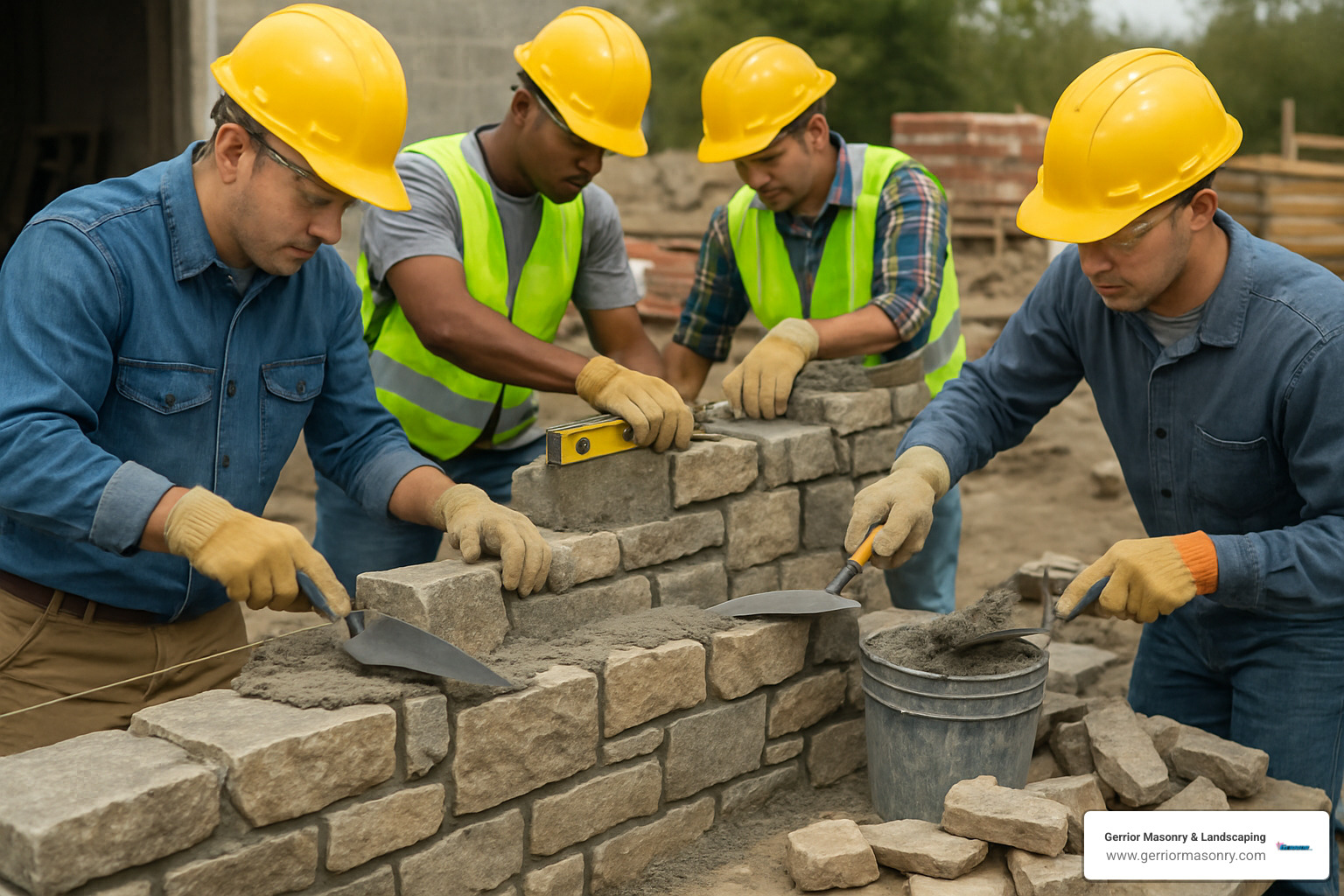
The difference between DIY and professional installation often comes down to experience with foundation design, drainage systems, and structural requirements.
Frequently Asked Questions about Brick and Stone Walls
After 34 years of building walls throughout Middlesex and Essex Counties, I get these same questions almost every week. Let me share the straight answers based on real-world experience.
Do brick and stone walls add resale value?
Absolutely, and the numbers back this up. Brick and stone walls are viewed as premium features that signal quality construction and lasting durability to potential buyers. When I see properties with well-built masonry work, they consistently command higher prices and sell faster than comparable homes without these features.
Quality landscape walls, retaining walls, and exterior masonry features typically return 70-100% of their cost in increased property value. That’s not just my opinion – real estate professionals consistently report this trend throughout Massachusetts.
But here’s what really matters: you get to enjoy the benefits immediately while you live there. The increased property value is just the bonus on top of years of low-maintenance beauty and functionality.
How long will a well-built wall last?
This is where brick and stone walls really shine. Stone masonry walls can literally last centuries when built correctly – just look at the colonial-era stone walls still standing throughout New England. I’ve restored walls that were built in the 1800s and are still structurally sound today.
Brick walls typically last 50-100 years with proper maintenance, though you’ll likely need to repoint the mortar joints every 20-30 years. That’s normal maintenance, not a failure – think of it like painting your house.
Stone walls often outlast the mortar that holds them together. I’ve seen dry-laid stone walls from the 1700s that are still doing their job without any mortar at all. The key is proper construction from the start – good foundations, appropriate materials, and skilled installation techniques.
With modern construction methods and quality materials, the brick and stone walls we build today should serve your great-grandchildren with minimal fuss.
Can I combine brick and stone on the same wall safely?
Yes, and some of our most stunning projects use exactly this approach. Mixing materials creates visual interest while maintaining structural integrity, but it requires proper engineering and construction techniques.
The secret is understanding how different materials behave. Both brick and stone need similar load-bearing characteristics and thermal expansion properties to work together harmoniously. We carefully design the foundation details to accommodate any differences in how the materials settle and distribute loads.
Moisture management becomes especially important with mixed materials since brick and stone can have different absorption rates and drainage needs. We address this during the design phase to prevent problems down the road.
The aesthetic side is just as important as the structural side. Successful combinations require thoughtful planning of proportions, colors, and textures to create a cohesive look rather than a patchwork appearance.
Many of our most successful retaining walls and landscape features incorporate multiple masonry materials. When done right, these combinations create truly unique walls that perform beautifully for decades.
Conclusion
Brick and stone walls deliver best durability, timeless beauty, and yes—even zombie-proof protection that makes them the smartest choice for homeowners who value quality. Whether you’re planning a garden retaining wall, designing an outdoor entertainment space, or adding a stunning accent wall inside your home, these materials create lasting value that pays dividends for decades.
The secret to long-lasting masonry lies in getting the fundamentals right from day one. That means digging footings below our New England frost line, building stone walls at least 16 inches thick for structural integrity, and including those essential header courses every sixth row in brick construction.
What’s exciting about today’s masonry options is how thin veneer systems have opened up possibilities that weren’t practical before. You can now get that authentic brick or stone look on interior walls, existing exteriors, and retrofit projects without the weight and expense of full masonry construction.
The design trends for 2024 show just how versatile these materials can be. From classic red brick paired with limestone to bold charcoal brick and granite combinations, there are over 60 popular material pairings that can match any architectural style. The thermal mass benefits keep your spaces comfortable year-round, while the acoustic properties create quieter, more peaceful environments.
Beyond the practical benefits, there’s something deeply satisfying about brick and stone walls that connects us to centuries of building tradition. These materials age gracefully, developing character over time rather than showing wear.
When you’re ready to invest in walls that will improve your property for generations, professional installation makes all the difference. Proper drainage, quality mortar work, and attention to structural details ensure your masonry investment performs as intended while requiring minimal maintenance over its long lifespan.
For comprehensive information about retaining walls and hardscape construction, explore our Hardscape Retaining Walls services to see examples of quality masonry work throughout the region.
After more than three decades of building brick and stone walls that stand the test of New England weather, we’ve learned that the difference between good and great masonry comes down to experience, proper techniques, and genuine care for craftsmanship. Gerrior Masonry & Landscape Construction is based in Woburn, MA, and proudly serves all of Middlesex and Essex County, Massachusetts with the quality workmanship your project deserves.