
Chimney Installation Near Me: 7 Trusted Pros for 2025 Success
Why Professional Chimney Installation Near Me Matters More Than Ever
When searching for chimney installation near me, you need certified professionals who understand local codes, safety standards, and proper installation techniques. Here’s what quality chimney installation services should include:
Essential Chimney Installation Services:
• New chimney construction – Complete masonry or prefab systems
• Chimney liner installation – Stainless steel, clay, or cast-in-place options
• Damper and cap installation – Proper sealing and weather protection
• Flashing and waterproofing – Critical leak prevention
• Code compliance inspections – Meeting local Massachusetts requirements
The stakes couldn’t be higher. Research shows that chimney repairs cost about $455 on average, but can range from $160 to $15,000 depending on the type and extent of work needed. More importantly, improper installation can lead to carbon monoxide poisoning, house fires, and structural damage.
Modern appliances like electric and island chimneys have made life easier in kitchens, but as appliances have gotten more sophisticated, so have their installation requirements.
Why Professional Installation Matters:
- Safety first – Prevents carbon monoxide leaks and structural fires
- Code compliance – Meets NFPA standards and local regulations
- Energy efficiency – Proper installation can save hundreds annually in heating costs
- Long-term value – Quality work lasts decades with proper maintenance
I’m Joe Gerrior, owner of Gerrior Masonry & Landscape Construction Corp, and I’ve been helping Massachusetts homeowners with chimney installation near me projects for over 34 years. Our team combines traditional masonry skills with modern safety standards to deliver installations that protect your family and investment.
Why a Chimney Liner Is Your Home’s First Line of Defense
Think of your chimney liner as the unsung hero of your heating system. While you might not see it working, this crucial component literally stands between your family and some pretty scary scenarios—like carbon monoxide poisoning and house fires.
Here’s what keeps me up at night as a mason: flue gases can seep through even tiny cracks in masonry. When that happens, carbon monoxide has a direct path into your living space. It’s colorless, odorless, and deadly. The National Fire Protection Association doesn’t recommend annual inspections just to keep inspectors busy—they know how critical liner integrity really is.
Your liner works overtime in ways most homeowners never realize. Heat transfer protection might sound technical, but it’s simple: without that barrier, extreme heat goes directly to combustible materials in your walls. I’ve seen the aftermath of what happens when that protection fails, and trust me, it’s not pretty.
Draft improvement is another game-changer. A properly sized liner ensures optimal airflow, which means better combustion efficiency and no more smoke backing up into your living room during dinner parties. Plus, many insurance companies now require functional chimney liners for coverage—because they understand the risks better than most homeowners do.
The material choice matters more than you might think. Stainless steel liners offer lifetime durability and handle multiple fuel types like champs. Clay tile systems work beautifully for wood-burning applications but can crack over time (especially in our Massachusetts freeze-thaw cycles). Cast-in-place liners provide excellent insulation but need more complex installation.
According to scientific research on chimney fire statistics, properly lined chimneys significantly reduce the risk of structural fires and carbon monoxide incidents. When you’re searching for chimney installation near me, make sure your contractor understands these safety fundamentals.
Common Signs You Need a New Liner
Don’t wait for disaster to knock on your door. After three decades in this business, I’ve learned to spot trouble before it becomes catastrophic.
Cracked tiles are your chimney’s way of waving a white flag. If you find pieces of clay tile in your firebox or notice cracks during inspection, your liner is telling you it’s done fighting the good fight.
Excessive soot buildup goes beyond normal wear and tear. While some soot is expected, heavy accumulation usually means poor draft caused by liner problems. It’s like your chimney is coughing up warning signs.
Smoky odors that linger when your fireplace isn’t even running should make you pause. Persistent smoke smells suggest gases are escaping through liner cracks—exactly what we don’t want happening.
A rusted damper often signals moisture problems that damage your liner from the inside out. Moisture and masonry don’t play well together, especially when freeze-thaw cycles get involved.
Spalling bricks—when chimney bricks start flaking or crumbling—usually mean moisture is sneaking past a failing liner. It’s your chimney’s exterior showing you what’s happening on the inside.
I’ve watched too many homeowners ignore these warning signs until they’re facing emergency repairs that cost thousands more than preventive liner replacement would have. Don’t be that homeowner.
Types of Chimney Liners & Average Cost Breakdown
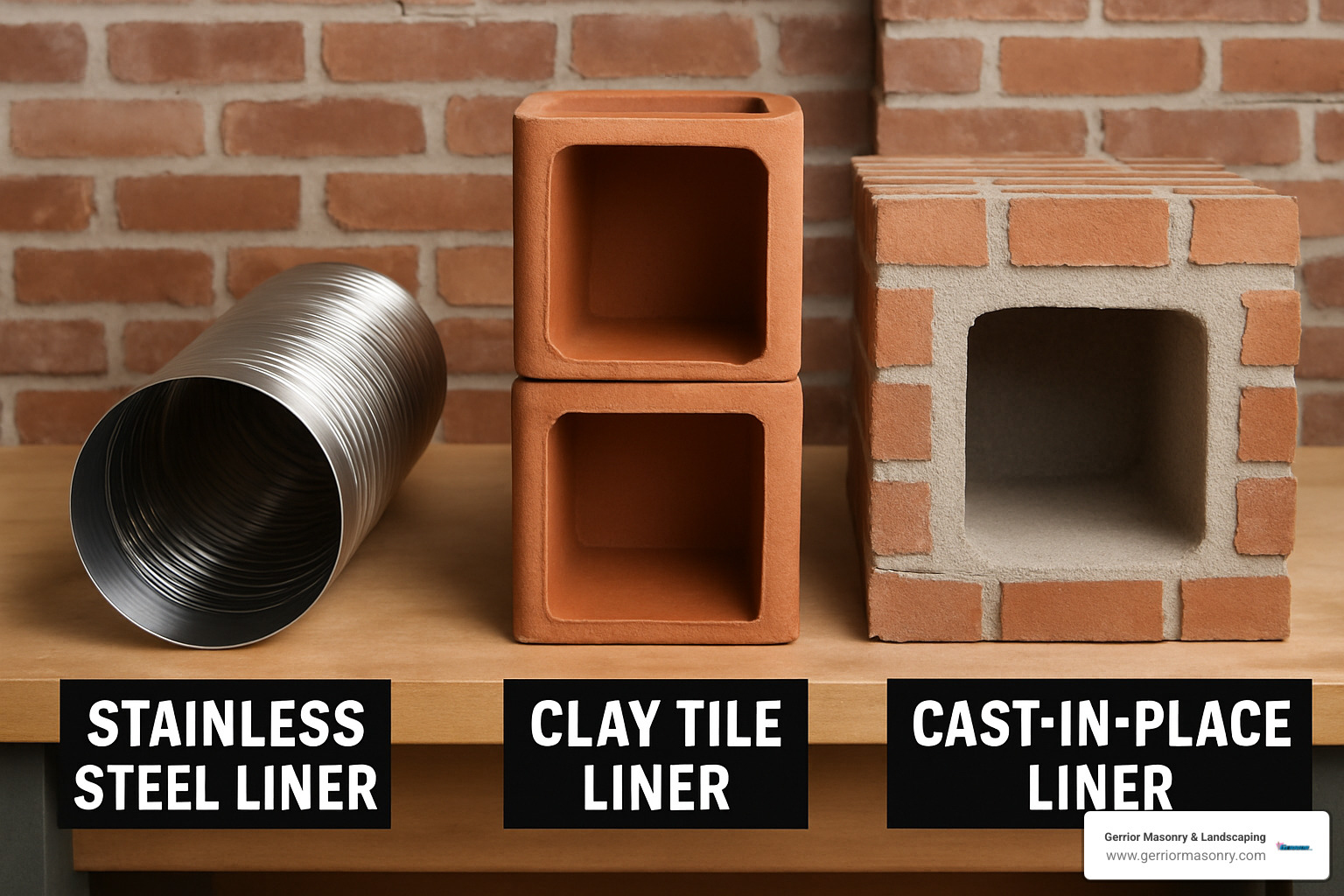
When homeowners search for chimney installation near me, one of their biggest questions is about liner materials and costs. After three decades of installations across Massachusetts, I’ve learned that the right choice depends on your heating system, budget, and how long you plan to stay in your home.
Stainless steel liners have become our go-to recommendation for most situations. They’re like the Swiss Army knife of chimney liners—compatible with gas, oil, and wood-burning appliances. Whether you’re planning to switch from oil to gas next year or just want maximum flexibility, stainless steel handles it all. The flexible versions can steer those tricky bends and offsets that make older Massachusetts chimneys so challenging.
Clay tile liners offer excellent value, especially for dedicated wood-burning setups. They handle high heat beautifully and cost less upfront. However, our New England freeze-thaw cycles can be tough on clay over time. We see cracking issues after 15-20 years, particularly in chimneys that don’t get regular use.
Cast-in-place liners are the custom suit of the liner world. We pour them right inside your existing chimney, creating a perfect fit regardless of shape or size. They’re fantastic for historical homes where maintaining the original look matters, plus they provide superior insulation.
The aluminum option works for certain gas appliances but has limited applications. We rarely recommend it unless specific manufacturer requirements call for it.
Now, let’s talk numbers. Based on industry data from across the internet (these aren’t Gerrior Masonry’s actual prices), here’s what homeowners typically invest:
Basic flexible stainless steel installations run $200 to $2,500, while premium insulated stainless steel systems range from $1,500 to $5,000. Clay tile replacement projects typically cost $500 to $3,000, and cast-in-place installations usually fall between $2,000 and $7,000. High-end custom jobs with complex access requirements can reach $15,000 or more.
Several factors affect where you’ll land in these ranges. Chimney height matters—a three-story colonial costs more than a single-story ranch. Access challenges like steep roofs or tight spaces can require scaffolding, adding to labor costs. Local permit fees vary by municipality, and fuel type compatibility affects material requirements.
Whether you’re dealing with a relining project or new construction also impacts pricing. Retrofitting an existing chimney often involves more labor than installing liners during initial construction.
For detailed cost breakdowns specific to different repair scenarios, check out our chimney repair cost guide.
| Liner Material | Typical Lifespan | Upfront Cost Range | Best For |
|---|---|---|---|
| Stainless Steel | 15-25+ years | $200-$5,000 | Multi-fuel flexibility |
| Clay Tile | 15-20 years | $500-$3,000 | Wood-burning applications |
| Cast-in-Place | 25+ years | $2,000-$7,000+ | Custom fits, insulation |
| Aluminum | 10-15 years | $200-$1,500 | Specific gas appliances |
When Stainless Steel Wins
Most of our Massachusetts customers end up choosing stainless steel, and for good reason. Multi-fuel compatibility means you’re covered whether you burn wood, use gas, or heat with oil. Planning to upgrade your heating system in a few years? No problem—your liner won’t need changing.
The warranty protection is impressive too. Quality stainless steel liners come with 15 to 25-year warranties, giving you real peace of mind. Compare that to clay tile, which typically has much shorter warranty periods.
Installation speed is another big advantage. Most stainless steel liner jobs take just 4 to 8 hours, so you’re back to normal quickly. No extended disruption to your daily routine.
The retrofit flexibility really shines in older homes. Flexible stainless steel can steer those quirky bends and offsets that make historic Massachusetts chimneys so characterful—and so challenging for rigid liner systems.
When Clay or Cast-In-Place Makes Sense
New construction projects often benefit from clay tile liners. When you’re building from scratch, installation is straightforward, and clay offers excellent value for dedicated wood-burning fireplaces.
High-heat wood burning situations favor clay’s superior heat resistance. If you’re someone who regularly builds roaring fires and pushes your system to high temperatures, clay handles the stress better than other materials.
Historical restoration work is where cast-in-place really shines. We can match original chimney profiles while bringing safety standards up to modern codes. It’s the perfect blend of preservation and protection.
Geographic factors matter too. Different areas of Middlesex and Essex County have varying soil conditions and local code requirements that can influence material choice and installation complexity.
How to Find & Vet Chimney Installation Near Me
Let’s be honest—finding the right contractor for chimney installation near me can feel overwhelming. With your family’s safety on the line, you can’t afford to guess. After three decades in this business, I’ve seen too many homeowners learn expensive lessons from choosing the wrong contractor.
The good news? Vetting chimney professionals doesn’t have to be complicated if you know what to look for.
Start with credentials that actually matter. Look for CSIA Certified technicians from the Chimney Safety Institute of America or NFI Certified professionals from the National Fireplace Institute. These aren’t just fancy certificates—they represent hundreds of hours of training and ongoing education. Any contractor worth hiring will proudly display these credentials.
Insurance verification comes next, and it’s non-negotiable. Every legitimate contractor should carry both liability insurance and workers’ compensation coverage. Don’t just take their word for it—ask for current certificates and call the insurance company to verify coverage. One uninsured accident could cost you thousands.
Local codes matter more than you might think. Massachusetts has specific requirements for chimney installation near me projects, including clearance to combustibles, proper venting for EPA-approved appliances, and specific permit requirements. Your contractor should know these codes inside and out, not scramble to look them up.
Written quotes separate professionals from amateurs. Any contractor offering phone quotes without inspecting your chimney is either inexperienced or dishonest. Quality contractors provide detailed, itemized estimates that break down materials, labor, permit fees, and realistic timelines. They’ll also explain why certain work is necessary rather than just telling you what needs to be done.
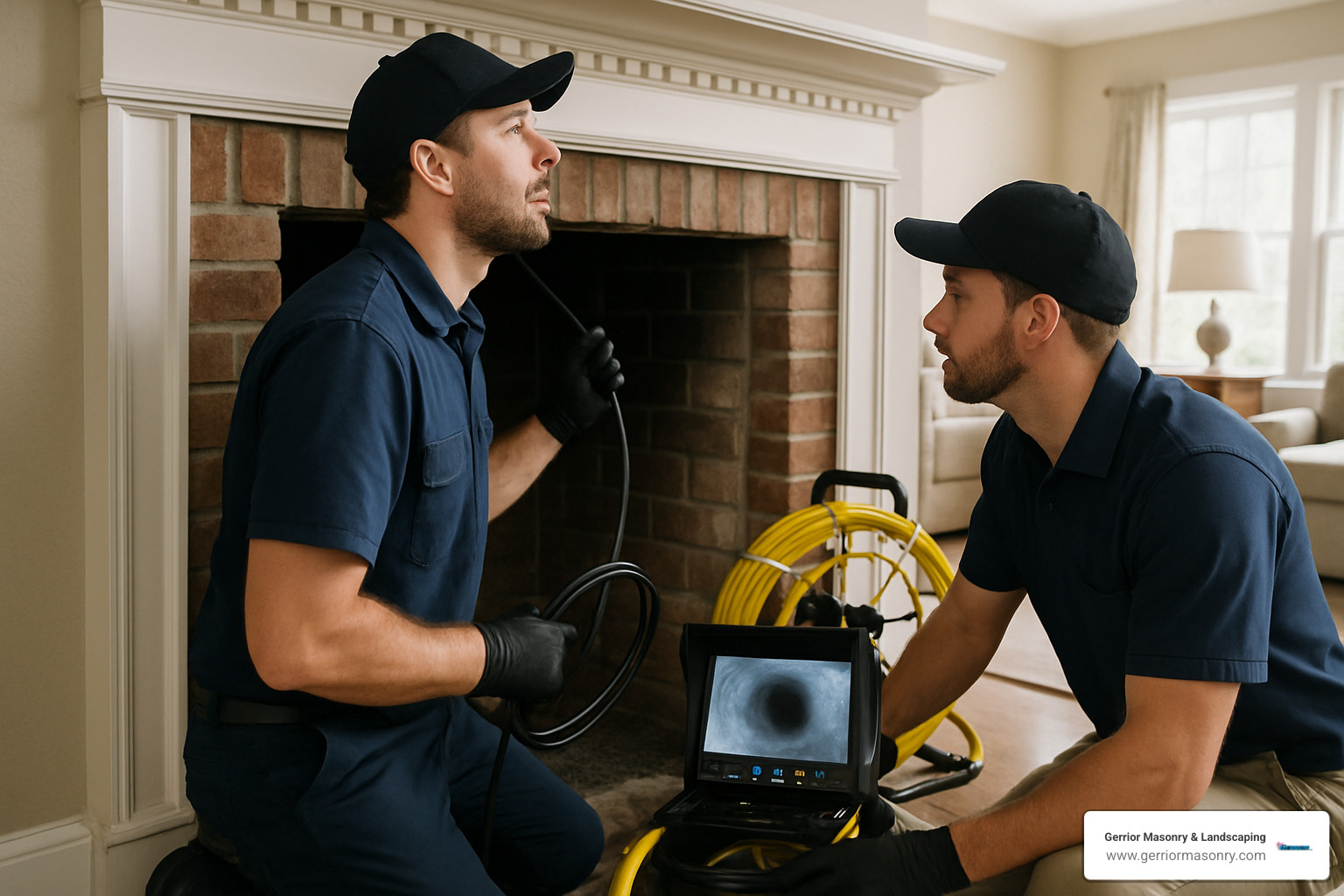
Video inspections have become standard practice for thorough evaluations. A Level-2 camera scan shows exactly what’s happening inside your chimney, giving both you and your contractor clear documentation of current conditions and needed repairs.
Top Certifications for Chimney Installation Near Me
When evaluating contractors for chimney installation near me, certain certifications stand out from the crowd.
CSIA certification represents the gold standard in our industry. These technicians undergo rigorous training in chimney safety, construction, and repair techniques. They’re required to stay current with changing codes and best practices through continuing education.
NFI certification specializes in gas appliance installation and venting systems. If you’re installing a gas fireplace or converting from wood to gas, NFI credentials demonstrate specialized expertise in gas safety and proper venting.
CCP (Certified Chimney Professional) certification indicates advanced expertise beyond basic CSIA training. These professionals handle complex installations and troubleshoot challenging situations.
State gas licenses are required for any work involving gas appliances or venting systems. Don’t let anyone touch your gas lines without proper licensing—it’s both dangerous and illegal.
FIRE certification focuses on fireplace investigation and fire prevention. While not essential for basic installations, it shows commitment to understanding fire safety at the deepest level.
Red Flags When Hiring for Chimney Installation Near Me
Some warning signs should send you running, not walking, away from potential contractors.
No proof of insurance tops the list of deal-breakers. Uninsured contractors put your property and finances at serious risk. If they can’t provide current insurance certificates, find someone who can.
Phone-only quotes indicate either laziness or inexperience. Legitimate contractors need to see your chimney, measure dimensions, assess access challenges, and understand your specific situation before providing accurate pricing.
High-pressure sales tactics often signal desperation or dishonesty. Quality contractors don’t need to pressure you—their work speaks for itself. Be especially wary of door-to-door solicitors or contractors who “happen to be working in your neighborhood.”
Vague warranties protect no one. Professional contractors provide specific, written warranties covering both materials and workmanship. They’ll explain exactly what’s covered, for how long, and how to make warranty claims if needed.
Background checks through the Better Business Bureau and online review platforms like Angi provide additional insight into contractor reliability and customer satisfaction. Look for patterns in reviews rather than focusing on individual complaints—every contractor occasionally deals with difficult situations.
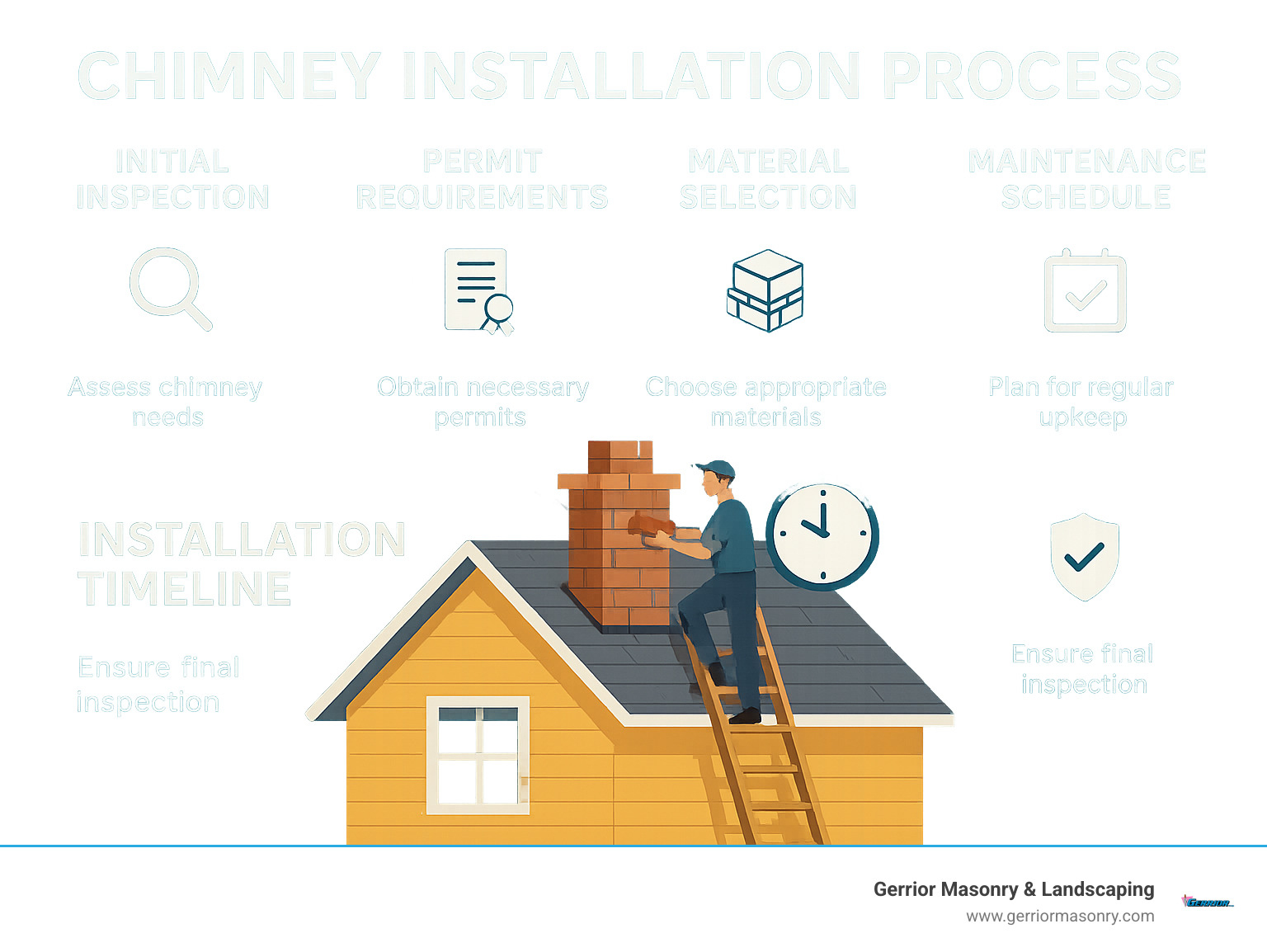
Step-by-Step Installation Process & Timeline
When you’re searching for chimney installation near me, understanding the complete process helps you know what to expect and ensures your contractor follows proper safety procedures. After three decades in the business, I’ve refined our installation process to minimize disruption while maximizing safety.
The journey starts with a thorough site inspection. We can’t properly size or install a liner without knowing exactly what we’re working with. That’s why we begin every project with a comprehensive camera inspection of your existing chimney. This Level-2 inspection reveals hidden cracks, obstructions, or structural issues that could affect the installation.
Before installation day arrives, we handle all the behind-the-scenes work. This includes obtaining necessary permits, ordering materials, and scheduling delivery. If your chimney requires scaffolding for safe access, we’ll set that up in advance. We also protect your home’s interior and landscaping with tarps and drop cloths.
Installation day itself follows a careful sequence. We start by removing any old liner material and thoroughly cleaning the chimney. Next comes the precision work of installing your new liner system, connecting it properly to your heating appliance, and installing the cap and damper. Every installation ends with a smoke test to verify proper draft and a final inspection to ensure everything meets safety standards.
Timeline expectations vary based on complexity. A standard stainless steel liner installation typically takes 4-8 hours from start to finish. More complex projects involving multiple flues or custom configurations might require 1-2 days. Complete chimney rebuilds can take 2-4 days, though these are less common. Don’t forget to factor in 1-2 weeks for permit processing before work begins.
For comprehensive information about related services, visit our More info about Chimney Repointing Services page.
Post-Install Maintenance & Warranties
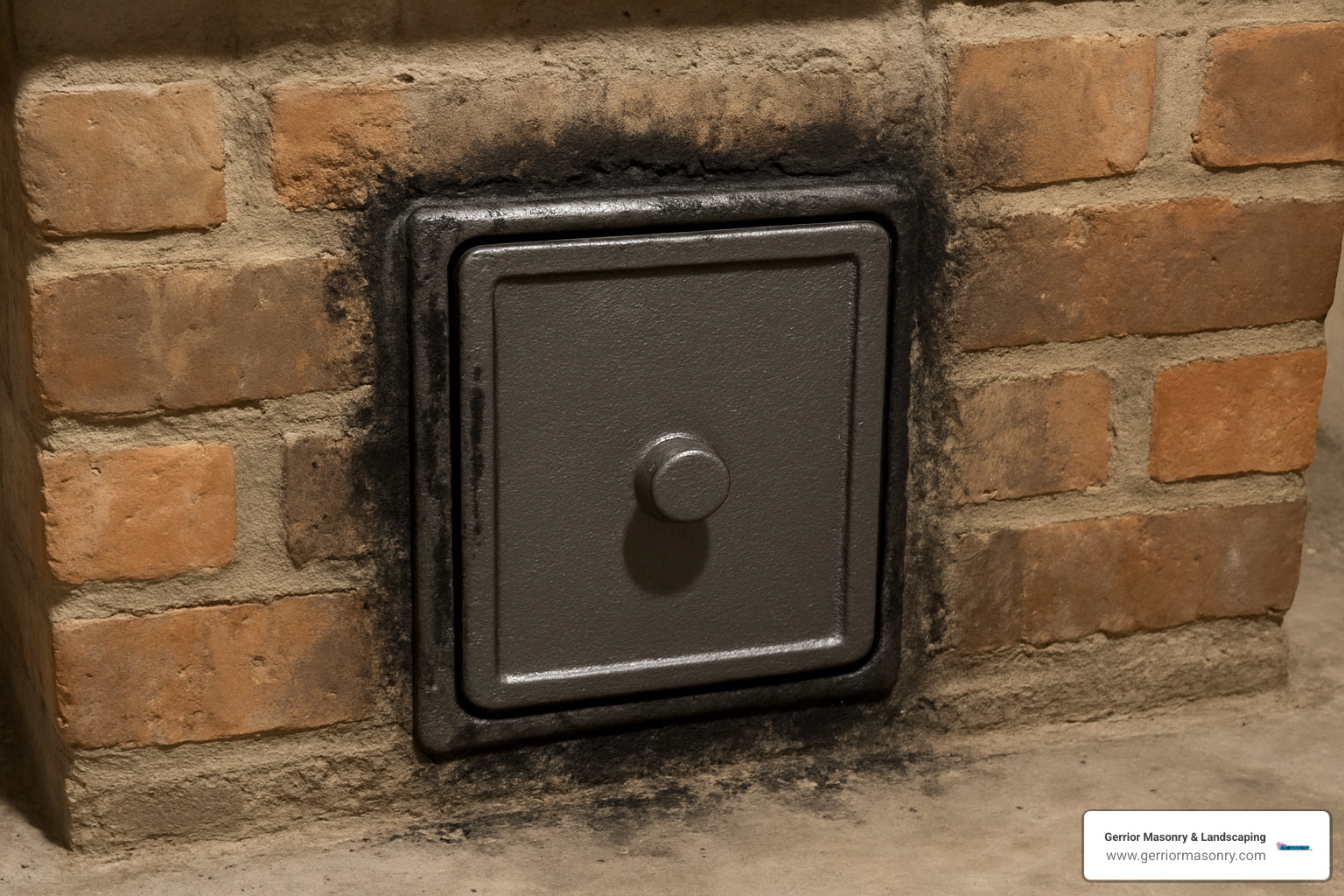
Your new liner installation marks the beginning of a long-term maintenance relationship, not the end of our involvement. Think of it like buying a new car—proper maintenance keeps it running safely for decades.
Annual sweeping is non-negotiable. The National Fire Protection Association recommends yearly chimney cleaning for all solid fuel appliances. This removes dangerous creosote buildup and gives us a chance to inspect your new liner for any developing issues.
Understanding inspection levels helps you budget appropriately. Level-1 inspections are basic visual checks performed during routine cleaning. Level-2 inspections use camera equipment and are recommended when changing appliances, after severe weather, or if problems are suspected.
Creosote management becomes crucial with wood-burning appliances. This combustible substance builds up naturally but can ignite if allowed to accumulate. During heavy use seasons, professional cleaning every 3-4 months keeps your system operating safely.
Warranty protection gives you peace of mind. Quality stainless steel liners typically come with lifetime warranties against manufacturing defects. Our workmanship warranties cover installation issues for multiple years, though specific terms depend on the project scope.
Local Codes & Permits You Can’t Ignore
Massachusetts takes chimney safety seriously, and for good reason. Local codes protect your family and ensure your installation won’t cause problems when you sell your home.
Clearance to combustibles requirements specify exactly how far your chimney must be from wood framing and other flammable materials. These aren’t suggestions—they’re based on fire science and strictly enforced.
UL-1777 listing ensures your liner system meets rigorous Underwriters Laboratory standards for safety and performance. We only install listed products because your family’s safety depends on proven materials.
EPA appliance venting requirements affect modern heating appliances. EPA-certified wood stoves, gas fireplaces, and oil furnaces each have specific venting needs that influence liner sizing and installation methods.
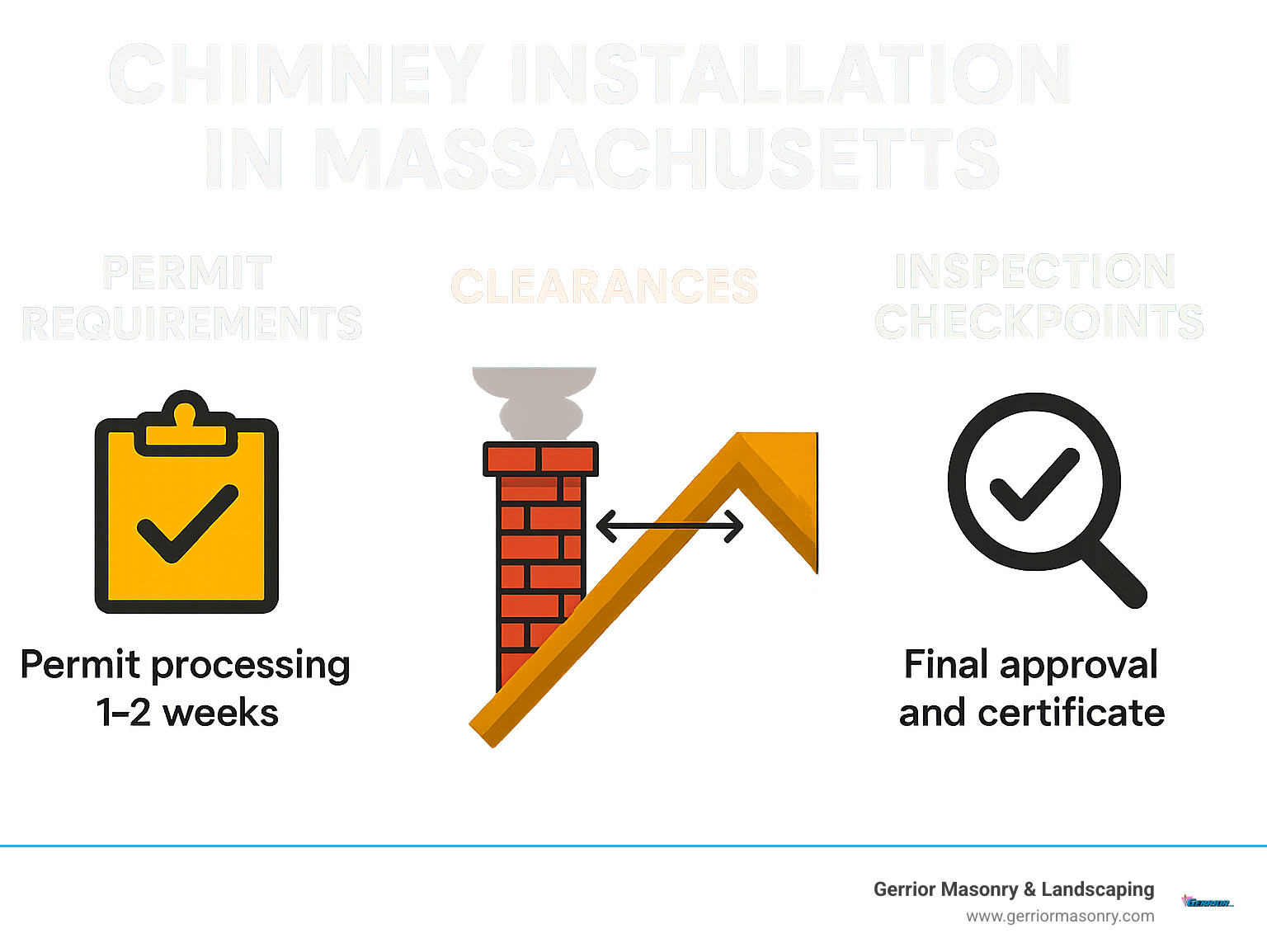
The permit process typically takes 1-2 weeks and includes several steps. We submit applications with detailed technical specifications, wait for plan review by the building department, schedule installation inspection, and obtain final approval certificates. While paperwork isn’t exciting, proper permits protect your investment and ensure insurance coverage remains valid.
Frequently Asked Questions about Chimney Installation Near Me
What does a chimney liner installation cost?
When homeowners ask about chimney installation near me pricing, I always explain that every project is unique. Based on industry data we’ve researched, chimney liner costs typically range from $200 to $7,000, with high-end custom installations reaching $15,000 or more. These are average internet-based costs and don’t reflect our specific pricing at Gerrior Masonry.
The wide price range reflects several important factors. Liner material makes a huge difference—basic aluminum liners cost much less than premium stainless steel systems. Chimney height and accessibility also matter significantly. A single-story ranch installation takes less time and equipment than a three-story colonial requiring scaffolding.
Local permit fees vary by municipality throughout Massachusetts, and some projects need special equipment or extensive prep work. The complexity of your existing chimney configuration can turn a straightforward job into something much more involved.
That’s why we always provide detailed written estimates after thorough inspection. No two chimneys are exactly alike, and cookie-cutter pricing just doesn’t work for quality installations.
How long will the installation take?
Timeline questions come up in almost every initial consultation, and I understand why—nobody wants their heating system out of commission longer than necessary.
For standard stainless steel liner installations, we typically complete the work in 4-8 hours. These are straightforward replacements in chimneys with good access and no complications.
Multi-flue or complex configurations usually take 1-2 days, especially when we’re working around existing appliances or dealing with unusual chimney layouts. Complete chimney rebuilds can extend to 2-4 days, depending on the scope of masonry work required.
Don’t forget about permit processing, which typically takes 1-2 weeks before we can start work. We handle all the paperwork, but municipal review takes time.
Weather affects our timeline too, especially for installations requiring roof work. Massachusetts weather can be unpredictable, but we schedule accordingly and communicate any delays promptly. After 34 years in business, we’ve learned that rushing leads to problems—better to do it right the first time.
How often should my new liner be inspected or cleaned?
This might be the most important question for long-term safety and performance. The National Fire Protection Association doesn’t make these recommendations lightly—they’re based on decades of fire investigation data.
Annual inspections are non-negotiable for all solid fuel burning appliances. Think of it like changing your car’s oil—skip it at your own risk.
Cleaning frequency depends on what you’re burning. Wood-burning fireplaces need cleaning every 3-4 months during heavy use seasons. Wood creates creosote, and creosote causes chimney fires. Gas appliances typically need annual inspection with cleaning as needed—they’re much cleaner burning but still require attention. Oil-burning equipment falls somewhere in between, requiring annual cleaning and inspection.
We’ve seen too many homeowners skip maintenance on new installations, thinking they’re good for years. A $200 annual cleaning prevents thousands in repair costs and keeps your family safe.
We provide maintenance reminders and can schedule annual service calls, making it easy to stay on top of this critical safety requirement. Regular maintenance protects your investment and ensures the safe operation that prompted you to search for chimney installation near me in the first place.
Conclusion
Finding the right chimney installation near me service isn’t just about getting the job done—it’s about protecting what matters most. Your family’s safety, your home’s value, and your peace of mind all depend on quality installation that prevents carbon monoxide poisoning, reduces fire risk, and keeps your heating bills manageable.
After three decades in the masonry business, I’ve seen what happens when corners get cut. I’ve also seen the relief on homeowners’ faces when they know their chimney system is properly installed and safe. That’s why we’ve built our reputation on skilled craftsmanship and owner oversight on every single project.
Whether you’re dealing with a cracked liner that needs replacement or planning a complete chimney reconstruction, the investment you make today protects your family for decades to come. Quality materials like stainless steel liners can last 25 years or more with proper maintenance, making them one of the smartest home improvements you can make.
We’re proud to serve homeowners throughout Middlesex and Essex County from our base in Woburn. Our trucks regularly visit Acton, Andover, Arlington, Bedford, Belmont, Beverly, Burlington, Chelmsford, Concord, Danvers, Lexington, Lowell, Medford, Newton, Peabody, Reading, Salem, Waltham, Winchester, and dozens of other communities where families count on us for safe, reliable chimney installation near me services.
Ready to move forward with confidence? We’ll start with a thorough inspection and provide you with a detailed written estimate that breaks down exactly what your project needs. No surprises, no pressure—just honest assessment and quality work.
For complete information about our chimney services and what sets us apart, visit our More info about our chimney repair services page.
Gerrior Masonry & Landscape Construction is based in Woburn, MA, and services Middlesex and Essex County, Massachusetts.
