
Rock Wall Landscaping: Top 5 Stunning Design Ideas
Rock wall landscaping transforms ordinary gardens into stunning focal points. Whether you seek to improve garden beauty or add a durable structure, incorporating rock walls can lift your landscape with both function and elegance.
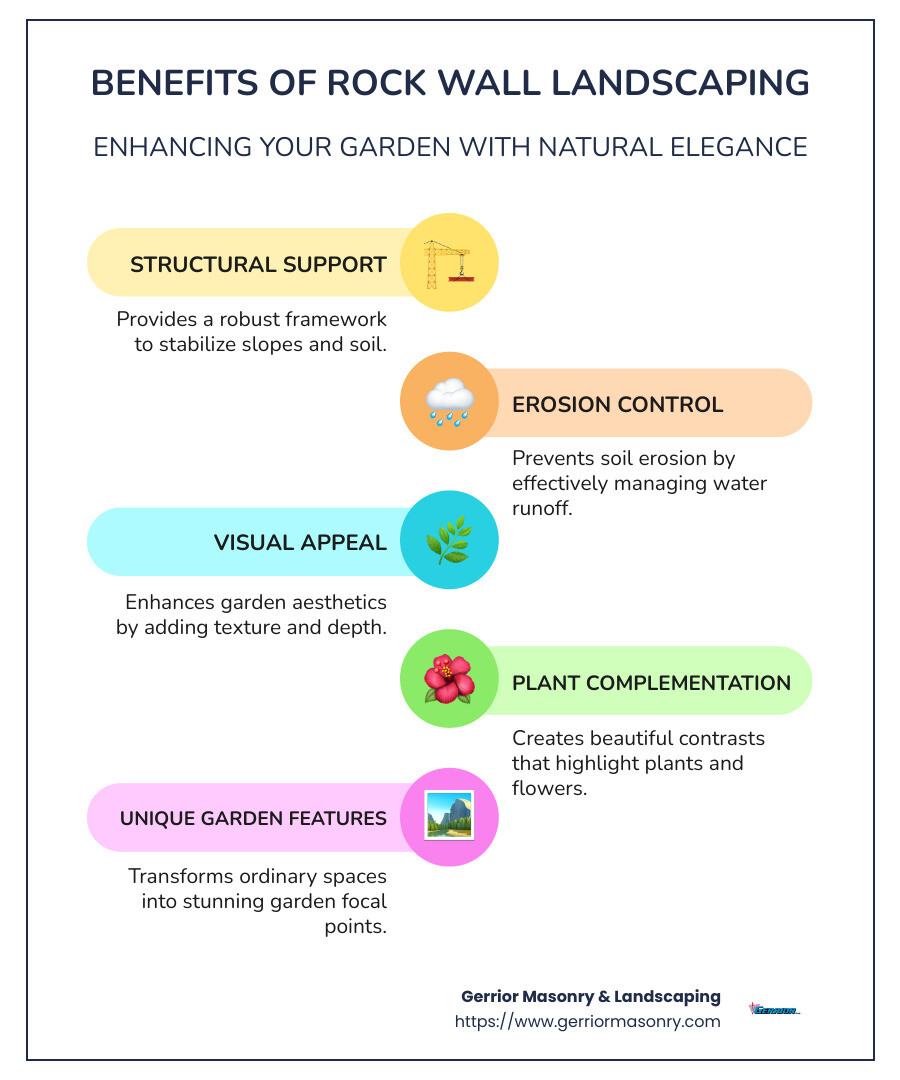
- Hardscaping Benefits: Structural support, erosion control, and added aesthetics
- Garden Beauty: Improves visual appeal and complements plants
- Landscape Focal Point: Creates captivating and unique features
The artful mix of natural stones offers more than just a sturdy boundary for your garden. Rock wall landscaping is a testament to the harmony between utility and beauty, requiring minimal maintenance while significantly boosting curb appeal.
Hello! I’m Joe Gerrior, owner of Gerrior Masonry & Landscaping. With over three decades of experience in rock wall landscaping, my team and I are dedicated to crafting stylish, practical landscapes that improve your property’s value. Let’s dive in to explore how rock walls can reshape your outdoor space.
Find more about Rock wall landscaping:
– Decorative stone walls
– Stone garden edging
– Stone wall design ideas
Understanding Rock Wall Landscaping
Rock wall landscaping is more than just placing stones together. It’s about creating a natural masterpiece that improves your garden’s beauty while serving practical purposes.
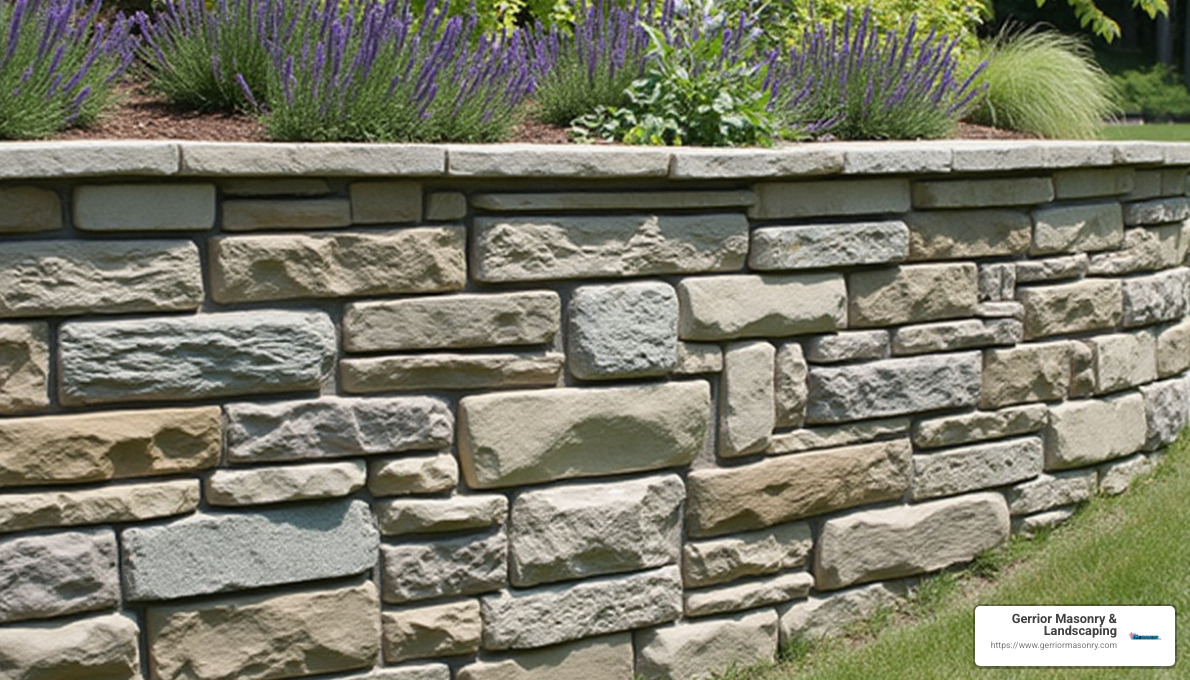
Natural Stone is the star of this landscaping method. It brings a rugged charm and timeless appeal to any outdoor space. Each stone tells its own story, with unique textures and colors that blend seamlessly into the landscape.
Retaining Walls are a crucial component of rock wall landscaping. They are not just for looks. These walls hold back soil, prevent erosion, and help manage water drainage. This makes them essential for sloped yards or gardens with varying elevations.
Why Choose Natural Stone for Retaining Walls?
- Durability and Longevity: Natural stone is incredibly durable. It can withstand harsh weather conditions and last for decades with minimal maintenance. This makes it a wise investment for any homeowner.
- Aesthetic Appeal: The natural beauty of stone adds a rustic and neat touch to gardens. It complements plants and other landscape features perfectly.
- Versatility: With a variety of stone types available, you can create a unique look that reflects your personal style. From smooth, polished surfaces to rugged, textured stones, the options are endless.
- Low Maintenance: Unlike other materials, natural stone requires little upkeep. It doesn’t warp, rot, or fade, making it an ideal choice for long-lasting landscape designs.
The Practical Benefits of Rock Retaining Walls
- Soil Erosion Control: Retaining walls prevent soil from washing away during heavy rains, which is especially important in sloped areas.
- Water Management: Properly designed walls can help direct water away from structures, protecting your property from water damage.
- Increased Usable Space: By terracing a sloped yard, retaining walls create flat areas that can be used for planting, seating, or other outdoor activities.
- Improved Property Value: A well-crafted stone wall can significantly boost your property’s curb appeal and value.
Joe Gerrior and the team at Gerrior Masonry & Landscaping have the expertise to transform your outdoor space with stunning rock wall designs. With a focus on quality and craftsmanship, they ensure that each project not only meets but exceeds expectations.
Next, we’ll explore the top 5 rock wall design ideas to inspire your next landscaping project.
Top 5 Rock Wall Design Ideas
Incorporate Various Rock Sizes
Want to make your garden stand out? Try using rocks of various sizes in your rock wall landscaping. Mixing different rock sizes creates a unique visual texture and adds depth to your landscape. This approach not only improves curb appeal but also allows for a more natural look, as if the wall has always been part of the landscape.
Build Raised Garden Beds
Raised garden beds are a fantastic way to highlight your yard. They serve as a focal point in your landscape, drawing attention to beautiful flowers or lush vegetables. By building raised beds with natural stone, you not only lift your plants but also add a touch of elegance to your garden. This design is perfect for creating a tiered effect, making your garden more dynamic and visually appealing.
Water Feature Additions
Consider adding a water feature to your rock wall for a touch of tranquility. A water feature, like a small waterfall or pond, can be integrated into the wall design, creating a soothing environment. Proper drainage connection is essential to ensure the water flows smoothly without causing erosion. This addition can transform your garden into a peaceful retreat, where the sound of flowing water improves the overall ambiance.
Mixed Materials
For a more eclectic look, mix materials like stone and concrete in your retaining walls. This combination allows for creative designs that stand out. Concrete provides a smooth, modern finish, while natural stone adds rustic charm. Together, they can create unique patterns and textures that make your wall a true work of art. This approach is perfect for those who want a distinctive and personalized landscape design.
Create a Vertical Garden
A vertical garden can be a stunning feature in your landscape, especially when combined with a stacked stone wall. This design allows you to grow plants in the spaces between the stones, turning your wall into a living piece of art. Vertical gardens are ideal for small spaces, as they maximize planting area without taking up ground space. They also add a lush, green backdrop that improves the beauty of your outdoor area.
These rock wall design ideas are just the beginning. By incorporating these elements, you can create a landscape that is not only beautiful but also functional and sustainable. Whether you want to add curb appeal or create a serene garden retreat, rock wall landscaping offers endless possibilities.
Next, we’ll dive into how you can build your own rock retaining wall, step by step.
How to Build a Rock Retaining Wall
Building your own rock retaining wall can be a rewarding DIY project that adds both beauty and function to your landscape. Here’s a simple, step-by-step guide to help you get started.
Step-by-Step Guide
- Plan Your Wall
- Determine the height and length of your wall. If your wall is over 30 inches, check local building codes for permit requirements.
- Sketch a basic design, considering both aesthetics and function.
- Gather Materials
- Rocks: Choose durable stones with a rough texture for better interlocking. Basalt boulders are a great choice due to their angular faces.
- Base Material: For each square foot of wall, you’ll need about 0.4 cubic feet of crushed stone.
- Backfill: Use 0.35 cubic feet of gravel for drainage behind the wall.
- Prepare the Foundation
- Dig a trench for the base about one foot deep and as wide as the wall’s thickness.
- Fill the trench with crushed stone and compact it to create a stable base.
- Lay the Stones
- Start with the largest stones at the bottom for stability.
- Stagger the stones as you stack to avoid vertical seams, which can weaken the wall.
- Install Drainage
- Place a perforated drainage pipe at the base, behind the wall, to direct water away.
- Cover the pipe with gravel to ensure proper drainage and prevent water buildup.
- Backfill and Compact
- As you build, backfill with gravel and compact it regularly. This adds stability and ensures effective drainage.
Key Considerations
- Thickness: The base should be as thick as the wall is tall. For example, a 5-foot wall needs a 5-foot-wide base.
- Slope: Ensure a slight backward slope into the hillside for added stability.
Pro Tips
- Order Extra Materials: Always get 10-20% more materials than your calculations suggest to account for waste and adjustments.
- Interlocking Stones: Choose stones with a minimum compressive strength of 3000 psi for durability.
Building a rock retaining wall requires careful planning and precise execution, but the result is a beautiful and functional addition to your landscape. In the next section, we’ll address some common questions about rock wall landscaping.
Frequently Asked Questions about Rock Wall Landscaping
What is the cost of a stone wall per square foot?
The cost of a stone wall can vary widely depending on the materials and labor involved. On average, expect to pay between $25 to $80 per square foot. This range accounts for different types of stone, from basic fieldstone to premium options like antique granite, which can significantly increase the price. These are average costs based on internet data and not actual costs for Gerrior Masonry services.
Labor costs also play a big role. Professional installation can make up 50% to 75% of the total cost, depending on the complexity of the design and the size of the wall. DIY projects can save on labor but require significant time and effort.
What types of rocks are best for landscaping walls?
Choosing the right type of rock is crucial for the durability and aesthetics of your rock wall landscaping. Here are some popular options:
- Fieldstone: Known for its natural look, fieldstone is a popular choice for rustic and organic designs. It blends well with the environment and is relatively easy to work with.
- Colonial Wallstone: This type of stone offers a more uniform appearance, making it ideal for formal landscapes. Its flat surfaces allow for easier stacking and stability.
- Antique Granite: A premium choice, antique granite is both durable and visually striking. Its rich colors and textures make it a favorite for high-end projects.
Each type of stone offers unique benefits, so consider your design goals and budget when selecting materials.
How do you ensure the strength of a rock retaining wall?
Ensuring the strength and stability of a rock retaining wall is essential for its longevity. Here are key factors to consider:
- Foundation: A solid foundation is crucial. Dig a trench and fill it with compacted crushed stone to provide a stable base.
- Staggering Stones: Avoid vertical seams by staggering stones in each layer. This technique helps distribute weight evenly and prevents weak points.
- Backfill and Drainage: Proper backfill with gravel and drainage systems like perforated pipes prevent water buildup, which can undermine the wall’s stability.
- Slope and Thickness: A slight backward slope and adequate thickness (matching the wall’s height) improve stability.
By focusing on these design elements, you can build a rock retaining wall that is both beautiful and robust, capable of withstanding the test of time.
In the next section, we will explore the various materials and techniques used in the construction of rock walls, offering insights into the best practices for achieving stunning results.
Conclusion
At Gerrior Masonry & Landscaping, we pride ourselves on changing landscapes with our expert craftsmanship and attention to detail. Our skilled team has over 30 years of experience, ensuring that every project we undertake results in high-quality outcomes that stand the test of time.
Rock wall landscaping is more than just a functional addition to your outdoor space; it’s a way to improve the natural beauty of your surroundings. Whether you’re looking to create a striking focal point, manage water drainage, or prevent soil erosion, our rock wall designs offer the perfect solution.
Our team is committed to using the best materials and techniques to ensure that your rock walls are not only beautiful but also durable and sustainable. We work closely with you to understand your vision and bring it to life with precision and artistry.
If you’re ready to lift your outdoor space with a stunning rock wall, we invite you to explore our landscape design and installation services. Let us help you create a landscape that you’ll love for years to come.
Contact us today to get started on your next project, and experience the Gerrior difference.
