
Brick Fireplace Repair: Top 3 Essential Steps 2025
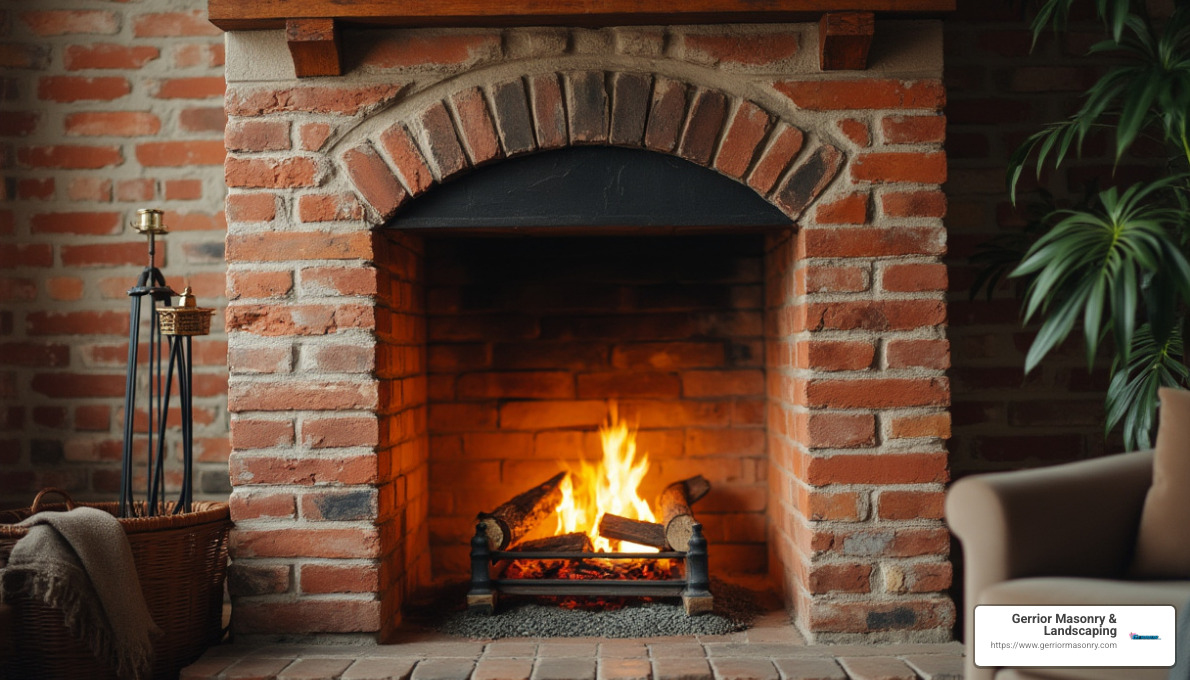
Brick fireplace repair is essential for maintaining the safety, warmth, and beauty of your home. Cracks and damage in the fire bricks can pose serious hazards. Here’s a quick overview:
- Maintain: Regular inspections and cleaning are vital to ensure a functioning and safe fireplace.
- Safety: Address any damage immediately to prevent fire hazards.
- Structural Integrity: Keep your fireplace and chimney secure to protect your home.
Well-maintained fireplaces add both warmth and value to your home.
My name is Joe Gerrior, and I bring over 34 years of experience in masonry and landscaping services. Throughout my career, I’ve guided countless homeowners in the essential process of brick fireplace repair to ensure their homes remain safe and aesthetically pleasing.
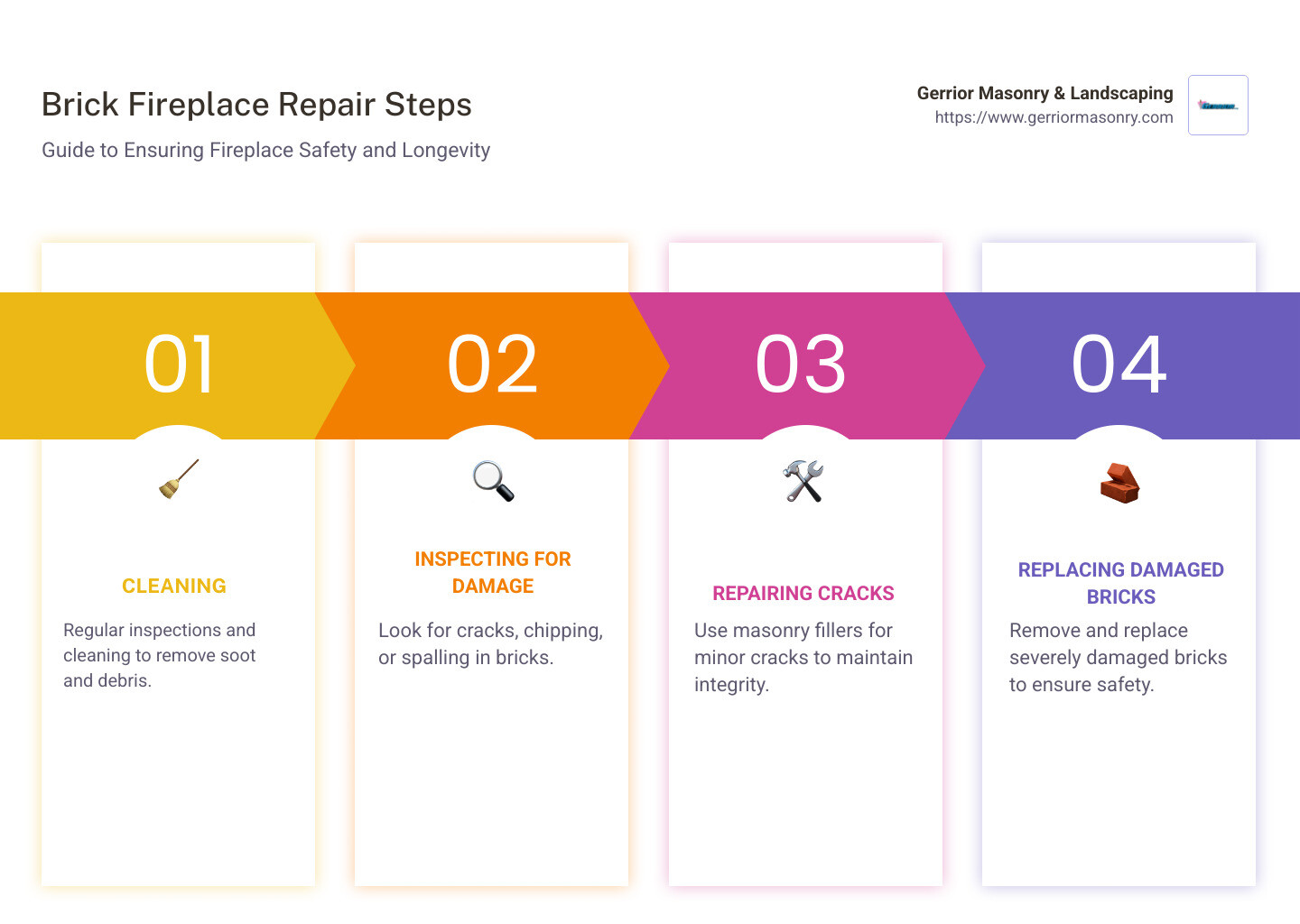
Brick fireplace repair basics:
– Custom Fireplace Builders
– best chimney repair near me
– fireplace mortar repair
Assessing Fireplace Brick Damage
Understanding the condition of your fireplace bricks is crucial for maintaining both safety and structural integrity. Identifying the type of damage can help you decide whether to repair or replace the affected bricks.
Types of Brick Damage
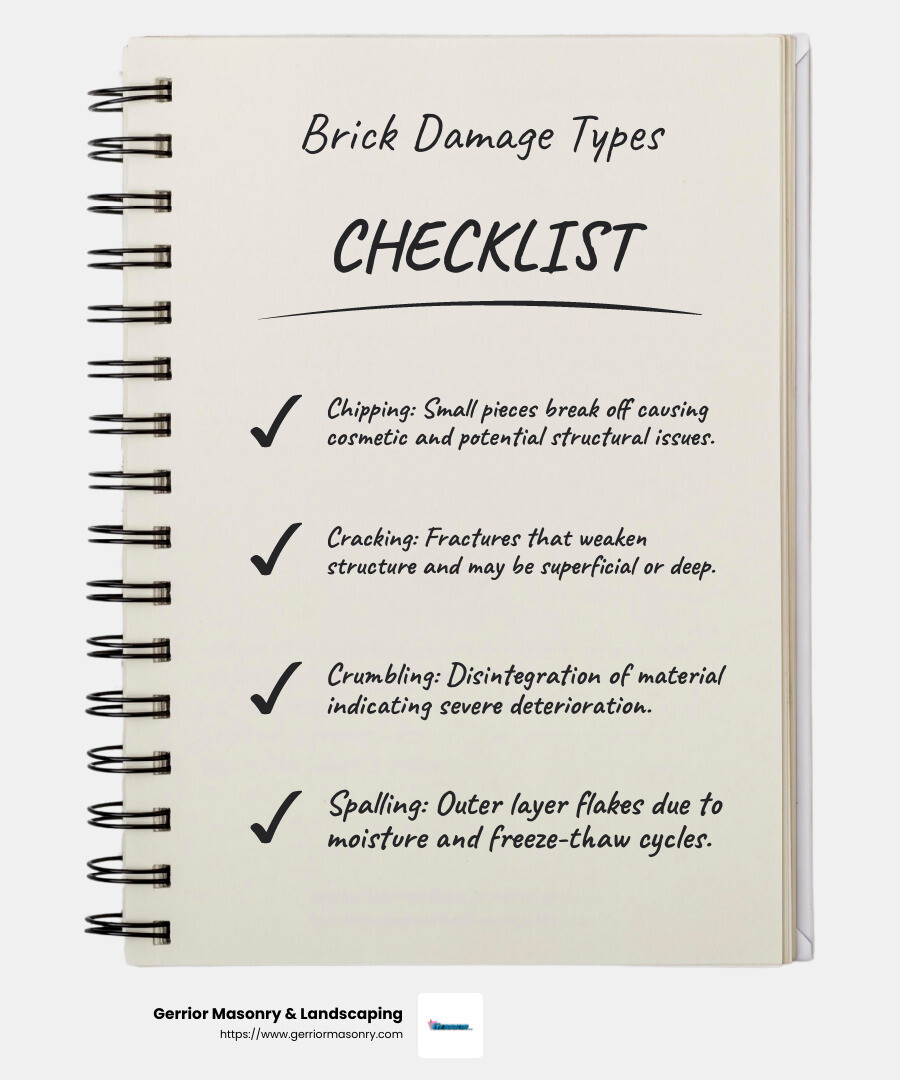
Fireplace bricks can suffer from several types of damage, each with its own implications:
- Chipping: Small pieces of brick may break off due to impact or general wear. While often cosmetic, it can lead to further deterioration if ignored.
- Cracking: Visible fractures in the bricks can weaken the overall structure. Cracks can be superficial or extend deeper, affecting stability.
- Crumbling: This is when the brick material starts to disintegrate. It signals severe deterioration and can compromise the fireplace’s strength.
- Spalling: The outer layer of the brick may flake or peel off, often due to moisture penetration and freeze-thaw cycles. This not only affects appearance but also structural soundness.
Determining Repair vs. Replacement
When assessing brick damage, consider the severity and impact on your fireplace’s structural integrity.
- Minor Damage: For small chips or superficial cracks, masonry fillers or patching compounds can be effective. These materials are designed to bond well with existing masonry, providing a quick fix.
- Severe Damage: If the brick is crumbling, spalling, or the damage compromises the fireplace’s structural integrity, replacement is the best option. A new brick ensures long-term durability and safety.
Regular inspections are key to catching problems early. This proactive approach can save you from more extensive and costly repairs later. Always prioritize safety and consult with a professional if you’re unsure about the extent of the damage.
Tools and Materials Needed for Brick Fireplace Repair
When it comes to brick fireplace repair, having the right tools and materials is essential for a successful project. Whether you’re tackling minor cracks or replacing a damaged brick, being prepared with the right equipment will make the job easier and safer.
Essential Tools
- Power Grinder: This tool is crucial for cutting along the joints of a damaged brick. It allows for precise cuts, reducing the risk of damaging surrounding bricks. Always use a dust attachment to minimize dust.
- Chisel and Hammer: These are used for removing the mortar from the joints and breaking the damaged brick into smaller pieces for easy removal. A masonry chisel is recommended for detailed work.
- Trowel: This is essential for applying mortar during the installation of a new brick. It helps in spreading the mortar evenly and ensuring a strong bond.
- HEPA Vacuum: Dust control is vital during brick repair. A HEPA vacuum efficiently captures dust and debris, keeping your workspace clean and reducing airborne particles.
- Masonry Brush: Use this for cleaning the area after removing the damaged brick and before applying new mortar. A clean surface ensures better adhesion.
Safety Precautions
Safety should always be a top priority when working on any masonry project. Here are some key precautions to take:
- Ventilation: Ensure the work area is well-ventilated. Open windows or use fans to circulate air and reduce dust inhalation.
- Protective Gear: Always wear safety goggles, a dust mask, and work gloves. These protect your eyes, lungs, and hands from dust and sharp debris.
- Dust Containment: Hang plastic drop cloths to contain dust in the work area. This prevents dust from spreading to other parts of your home.
- Dust-Collecting Tools: Use power tools with dust-collection attachments to minimize airborne particles. This not only protects your health but also keeps the workspace cleaner.
By equipping yourself with these tools and adhering to safety measures, you can confidently tackle your brick fireplace repair project. Proper preparation and safety practices lay the foundation for a successful and safe repair process.
Step-by-Step Brick Fireplace Repair
Removing the Damaged Brick
The first step in brick fireplace repair is to carefully remove the damaged brick. This requires precision to avoid harming the surrounding masonry.
- Cutting: Use a power grinder to make precise cuts along the inside of the bed joints surrounding the damaged brick. Ensure cuts are just inside the joints to prevent damage to adjacent bricks. Always use a dust attachment to minimize dust.
- Chiseling: With a hammer and masonry chisel, remove the mortar from the head joints. Carefully chip away the brick, breaking it into smaller pieces for easier removal. This step requires patience and attention to detail to avoid damaging other bricks.
- Dust Collection: Throughout the removal process, use a HEPA vacuum to collect dust and debris. This keeps the work area clean and reduces airborne particles, making it safer to work.
Preparing the Opening
Once the damaged brick is removed, it’s crucial to prepare the opening for the new brick. A clean and well-prepared site ensures effective bonding.
- Cleaning: Use a dampened masonry brush to clean out the hole left by the old brick. Remove any loose mortar and debris to create a pristine surface for new mortar. Lightly mist the area with water to prevent the surrounding bricks from rapidly absorbing moisture from the new mortar.
- Mortar Mixing: In a 5-gallon bucket, mix Type N mortar with water until it reaches an oatmeal-like consistency—neither too wet nor too dry. Prepare only as much mortar as you can use within about 30 minutes to prevent it from setting prematurely.
Installing the New Brick
With the opening prepared, it’s time to install the new brick. This step requires precision to ensure the new brick sits flush with the surrounding masonry.
- Applying Mortar: Use a trowel to apply a layer of mortar to the base of the opening. Spread mortar on the sides and back of the replacement brick, a technique known as back buttering. Ensure all surfaces are well-coated to create a strong bond.
- Setting the Brick: Carefully place the new brick into the opening, gently wiggling it to establish good contact with the mortar. Use a level to check that the brick sits flush with the surrounding masonry. Clean off any excess mortar that squeezes out from the joints to maintain a neat appearance.
- Filling the Joints: Use a tuck pointer to push mortar deep into the joints surrounding the new brick. Fill the joints completely, ensuring the mortar forms a strong bond. Use a jointing tool that matches the profile of existing joints for a consistent look.
By following these steps, you can effectively repair your brick fireplace, restoring its appearance and structural integrity. Proper technique and attention to detail are key to a successful repair.
Finishing Touches and Curing
Once the new brick is securely in place, the final steps are crucial to ensure the repair blends seamlessly with the existing fireplace and the mortar cures properly.
Cleaning Up
After setting the new brick, wait about 30 minutes for the mortar to begin setting. Then, use a damp sponge to gently clean any mortar smears from the brick face. Be cautious to avoid introducing water into the fresh joints, as this can weaken the setting mortar.
Matching the Appearance
To make the new repair indistinguishable from the existing structure, match the appearance of the new mortar to the old.
- Brick Dust: Mix some brick dust into the mortar to help blend the color with surrounding bricks. This simple trick can make a big difference in achieving a uniform look.
- Colored Mortar: If the original mortar has a specific color, consider using a colored mortar mix. Apply it with a small brush or trowel for precision, ensuring the color matches as closely as possible.
- Texture Matching: While the mortar is still pliable, use a tool to texture the surface to match the adjoining bricks. This attention to detail ensures a seamless repair.
Curing the Mortar
Proper curing is vital for the durability and longevity of the repair. Allow the mortar to cure for at least 24 hours before using the fireplace.
- Damp Curing: Keep the area slightly damp during the curing period. This prevents the mortar from drying too quickly, which can cause cracks. Mist the area lightly with water if necessary, but avoid soaking.
- Temperature Control: Ensure the area is not exposed to extreme temperatures during curing. Excessive heat or cold can affect the setting process, potentially leading to weakened mortar.
By taking these steps, you ensure that your brick fireplace repair is not only visually appealing but also structurally sound. Proper cleaning, matching, and curing are key to a successful restoration, allowing you to enjoy the warmth and beauty of your fireplace once again.
Frequently Asked Questions about Brick Fireplace Repair
How much does it cost to repair a brick fireplace?
The cost of brick fireplace repair can vary widely based on the extent of the damage and whether you’re opting for a DIY approach or hiring professionals. On average, repairing minor damage, like small cracks or chips, might cost between $200 and $800. For larger repairs, such as replacing bricks or addressing structural issues, costs can range from $1,000 to over $3,000. These are average costs from internet data and not actual costs for Gerrior Masonry services. Always get a detailed quote before starting any repair work.
Can a handyman repair a fireplace?
While a handyman can handle some minor repairs, such as filling small cracks or repointing mortar, more extensive repairs require specialized skills. Masonry experience is crucial for tasks like replacing bricks or addressing significant structural issues. Professionals, like those at Gerrior Masonry & Landscaping, have the expertise and tools needed to ensure the job is done safely and correctly. Hiring a skilled mason can prevent future problems and ensure the fireplace remains safe and functional.
How to fix a brick fireplace?
Fixing a brick fireplace can be a satisfying DIY project if the damage is minimal. Here are some basic steps:
- Assess the Damage: Determine if the damage is minor (chipped brick) or major (crumbling or cracked bricks).
- Gather Tools and Materials: You’ll need a chisel, hammer, trowel, and mortar mix. Safety gear like goggles and gloves are essential.
- Remove Damaged Brick: Carefully cut and chisel out the damaged brick, taking care not to damage surrounding bricks.
- Prepare the Opening: Clean the area and mix your mortar according to the instructions.
- Install the New Brick: Apply mortar to the opening, set the new brick, and fill the joints with mortar.
- Finish and Cure: Clean any excess mortar and let it cure for at least 24 hours, keeping the area damp.
For more complex repairs, consider seeking professional help. Professionals have the skills and experience to handle intricate repairs and ensure the fireplace’s structural integrity.
Conclusion
Gerrior Masonry & Landscaping is your go-to expert for all things masonry, especially when it comes to brick fireplace repair. With over 30 years of experience, our team is dedicated to delivering high-quality results that stand the test of time. Our skilled masons, under the direct oversight of our owner, ensure that every project meets our rigorous standards.
Whether you’re dealing with minor cracks or major structural issues, our expertise in masonry services guarantees that your fireplace will be restored to its former glory. We understand that a well-maintained fireplace is not just about aesthetics; it’s about safety and efficiency, too. That’s why we take each project seriously, using the best materials and techniques to ensure long-lasting results.
When you choose us, you’re not just getting a service provider; you’re partnering with a team that values your home’s integrity as much as you do. We offer a range of services, from patio installations to chimney repairs, all designed to improve the beauty and functionality of your home.
If you’re considering adding a custom outdoor fireplace or fire pit to your home, look no further. Visit our Outdoor Fire Pits page to learn more about how we can help create a cozy and inviting space for you and your loved ones.
Trust Gerrior Masonry & Landscaping for all your masonry needs. We’re here to ensure your home remains a safe, warm, and welcoming place for years to come.
