Drainage Around House Foundation: 5 Essential Solutions
Drainage around house foundation is crucial in protecting your home from the damaging effects of excess moisture. Ensuring proper drainage is vital for safeguarding the structural integrity of your home and maintaining a safe and stable living environment. Here are the key reasons why drainage is essential:
Preserves Foundation Integrity: Proper drainage prevents water from accumulating around the foundation, reducing the risk of cracks, bowing walls, and other structural issues.
Minimizes Moisture Damage: Reducing moisture infiltration protects against mold and mildew growth, dampness, and pest infestations, which can lead to costly repairs.
Improves Home Safety: By diverting water away, effective drainage systems lower the chances of foundation settlement and potential safety hazards.
I’m Joe Gerrior, and with over 34 years of experience in masonry and landscaping, I specialize in helping homeowners protect their investments. At Gerrior Masonry & Landscape Construction, we’ve seen the importance of proper drainage around house foundation to keep homes safe and resilient.
Foundation drainage is the unsung hero of home maintenance. It ensures that water is kept away from your home’s foundation, protecting it from damage and prolonging its life. Let’s break down how it works and why it’s essential.
What is Foundation Drainage?
Foundation drainage refers to the systems and methods used to divert water away from the foundation of a home. This prevents water from pooling around the base, which can lead to serious issues like cracks, mold, and even foundation failure.
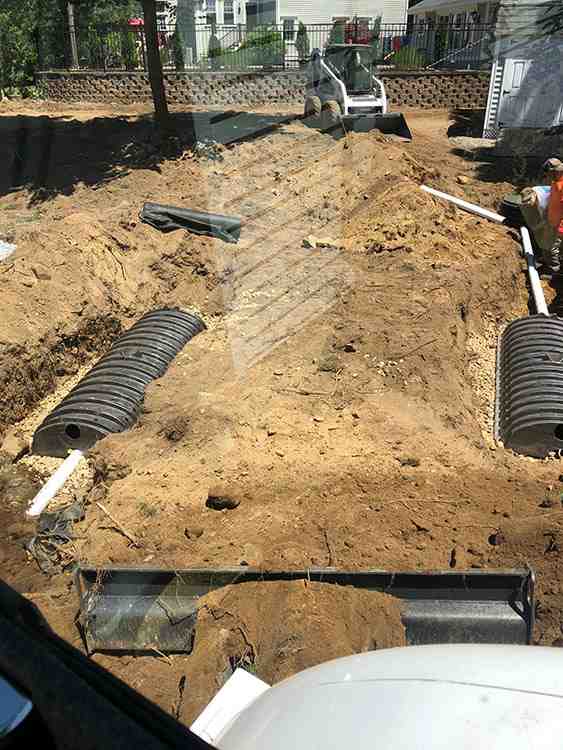
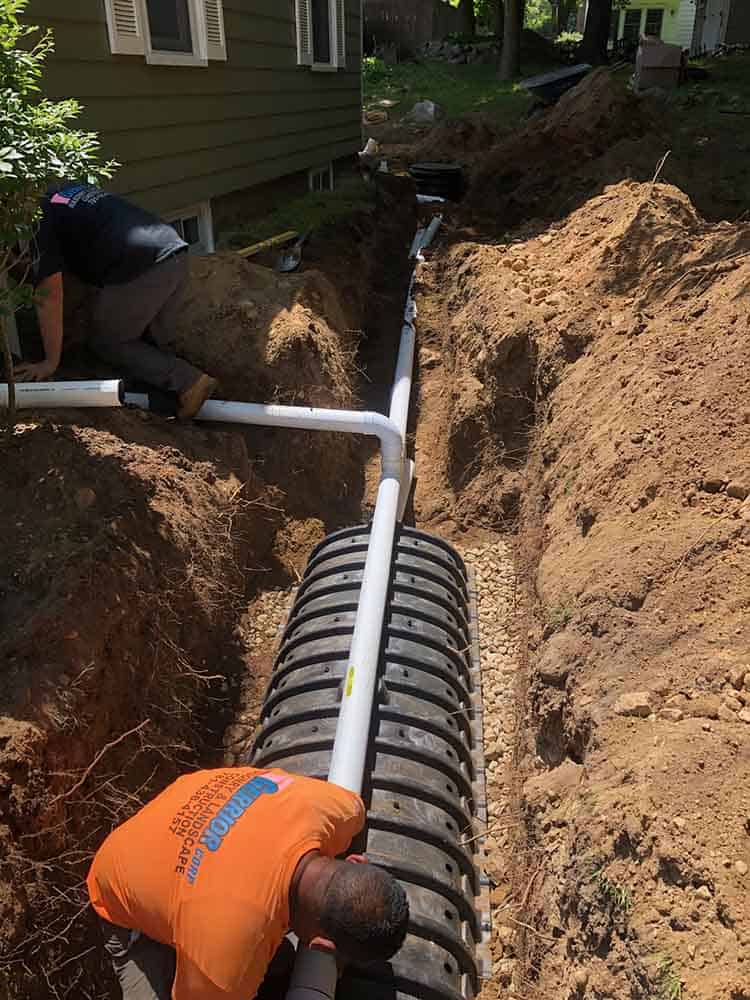
A common method involves exterior foundation drains. These are typically installed around the perimeter of a foundation. They work by collecting water in perforated pipes that are buried underground. The pipes are wrapped in a mesh-like fabric that keeps soil out while allowing water to flow through.
The Role of Gravel and Soil Backfill
Gravel and soil backfill play a crucial role in foundation drainage. Gravel is often used around the pipes because it allows water to flow freely while preventing soil from clogging the drainage system. The gravel acts as a filter, ensuring only water reaches the drain pipes.
Once the piping and gravel are in place, soil backfill is added. This soil helps to direct water away from the foundation surface. It’s essential to use the right type of soil and to compact it properly to avoid settling, which can create low spots where water might pool.
Exterior Foundation Drain
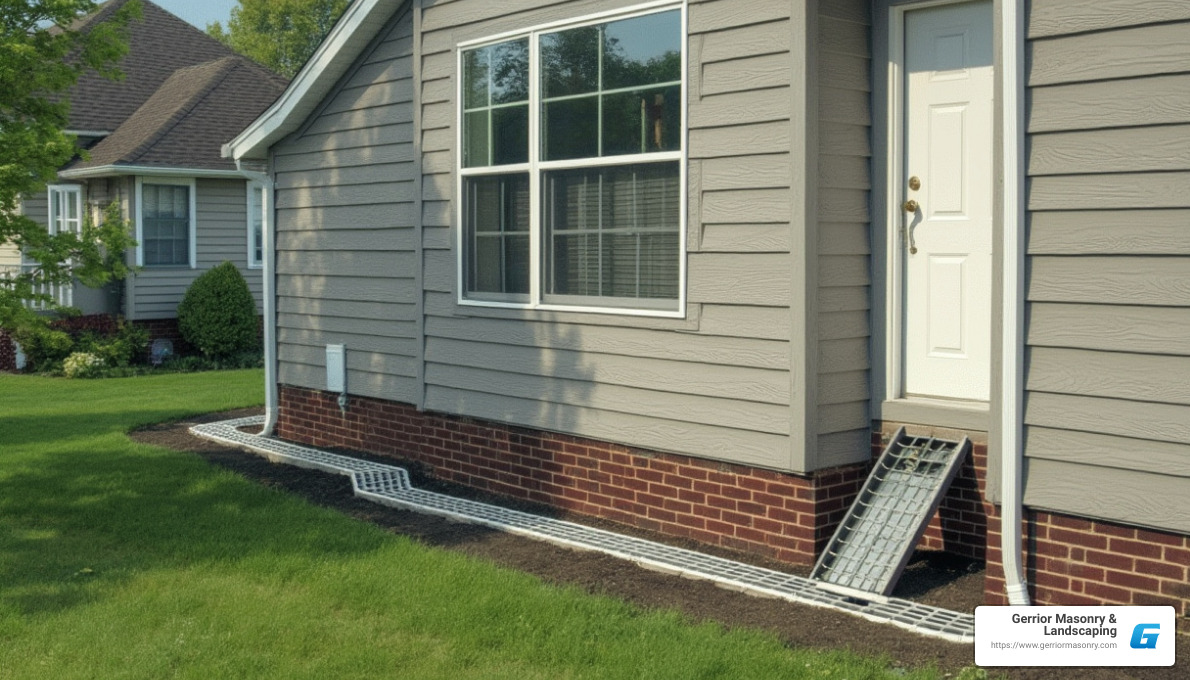
The exterior foundation drain is a key component of a well-functioning drainage system. It operates by collecting surface water and groundwater before it can reach the foundation walls. This system is often hidden beneath a layer of gravel and soil for aesthetic and functional purposes.
By installing a reliable exterior foundation drain, you significantly reduce the risk of water-related foundation issues. This system is especially important in areas prone to heavy rainfall or where the soil has poor drainage capabilities.
Why It Matters
Without proper drainage, water can seep into the foundation, causing a host of problems. Not only does it threaten the structural integrity of your home, but it also encourages mold growth and pest infestations, which can be both dangerous and expensive to fix.
By investing in a good foundation drainage system, you’re taking a proactive step to protect your home. It’s like giving your house a raincoat, shielding it from the elements and ensuring it stays dry and strong for years to come.
In summary, understanding and implementing effective drainage around house foundation is crucial. It involves a combination of exterior foundation drains, gravel, and soil backfill to keep water at bay and protect your home’s foundation from damage.
Types of Foundation Drainage Systems
When it comes to protecting your home from water damage, choosing the right drainage around house foundation is essential. Let’s explore some of the most effective systems available: French drain, footing drainage, grading drainage, and sump pit and pumps.
French Drain
A French drain is a popular choice for many homeowners. This system uses perforated pipes wrapped in landscape fabric, surrounded by gravel, to collect and redirect water away from the foundation. The gravel allows water to flow freely into the pipes, which then transport it to a safe discharge area, like a sewer or a distant location.
Pros:
– Longevity: French drains can last 30 to 40 years.
– Cost-Effective: They offer a good balance between cost and performance.
– Aesthetics: They can be installed discreetly, maintaining the look of your landscape.
Cons:
– Installation Complexity: The process can be lengthy and may require removing existing structures.
– Not Suitable Everywhere: Homes close to water sources or utility lines might face challenges.
Footing Drainage
Footing drainage is similar to a French drain but is installed at the foundation’s footing level. This system is highly effective in preventing water from accumulating around the base of your home, which can lead to structural settlement.
Pros:
– Durability: Can last up to 50 years if properly installed.
– Efficiency: Helps prevent foundation settlement by keeping water away.
Cons:
– Installation Cost: Typically installed during construction, making retrofits costly.
– Maintenance Needs: May require regular cleaning to prevent clogs.
Grading Drainage
Grading drainage involves shaping the land around your home to direct water away naturally. It is often the first line of defense against water pooling around your foundation.
Pros:
– Cost: Generally the least expensive option.
– Natural Solution: Uses the landscape to redirect water without mechanical systems.
Cons:
– Potential for Over-saturation: Can lead to soggy soils if not properly managed.
– Installation Precision: Poor grading can lead to water pooling and foundation damage.
Sump Pit and Pumps
This system is ideal for areas with heavy rainfall or snowmelt. A sump pit collects water, which is then pumped away from the foundation using a mechanical pump.
Pros:
– Effectiveness: Capable of handling large volumes of water.
– Reliability: Provides a robust solution for flood-prone areas.
Cons:
– Dependence on Power: Requires electricity to operate, though battery backups are available.
– Maintenance: Regular checks are needed to ensure the system is functioning properly.
Each of these systems offers unique benefits and challenges. The best choice depends on your home’s specific needs and environmental conditions. By understanding these options, you can make an informed decision to protect your home from water damage.
Steps to Improve Drainage Around House Foundation
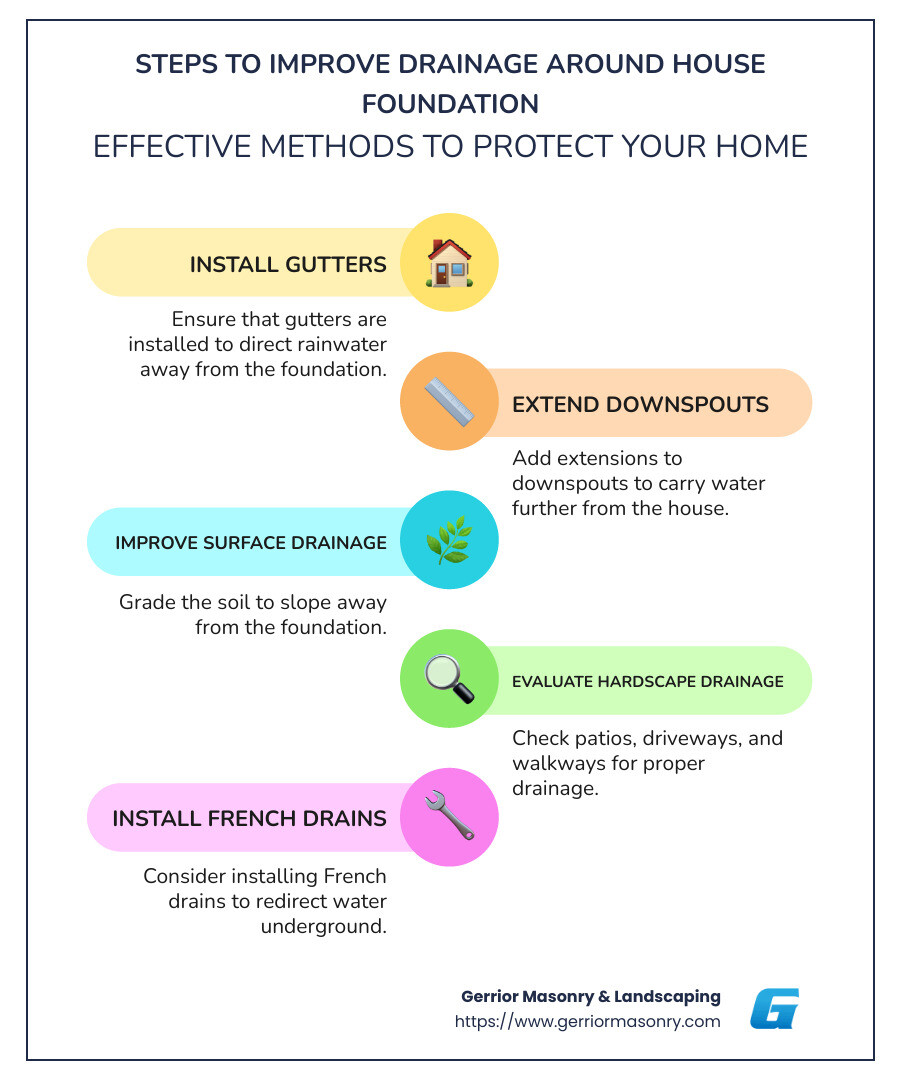
Ensuring proper drainage around house foundation is crucial to safeguarding your home from potential water damage. Here are some effective steps you can take:
Gutter Installation
Gutters are your home’s first line of defense against water damage. Properly installed gutters collect rainwater from your roof and channel it away from the foundation.
Choose Quality Materials: Opt for durable materials like aluminum or galvanized steel.
Regular Maintenance: Keep gutters clean to prevent clogs that could lead to overflow and foundation issues.
Consider Gutter Guards: These can reduce debris accumulation, making maintenance easier.
Downspout Extension
Once the water is in the gutters, downspouts carry it to the ground. Extending downspouts is a simple yet effective way to ensure water is directed well away from your foundation.
Optimal Length: Downspouts should extend at least 4 to 6 feet from the foundation.
Flexible Extensions: Consider using flexible or accordion-style extensions for easy installation and adjustment.
Direct to Safe Zones: Ensure the water is directed to areas where it can safely dissipate, like a drainage ditch or a rain garden.
Surface Drainage Improvement
Improving surface drainage involves reshaping the landscape around your home to naturally direct water away.
Grading: Ensure the ground slopes away from the foundation. A slope of 1 inch per foot for at least 6 feet is ideal.
Plant Strategically: Use vegetation to absorb excess water and prevent erosion.
Avoid Hardscapes: Limit the use of impermeable surfaces like concrete that can contribute to pooling.
Hardscape Drainage Evaluation
Hardscape elements like patios and driveways can impact drainage. Evaluate and modify these surfaces to improve water flow.
Check Slopes: Ensure that patios and driveways slope away from the house.
Permeable Pavers: Consider using permeable materials that allow water to seep through rather than run off.
Regular Inspection: Periodically check for signs of water pooling or erosion and address issues promptly.
French Drains
For homes with persistent water issues, installing a French drain can be a game-changer.
Installation: This involves placing a perforated pipe in a gravel-filled trench to collect and redirect water.
Professional Help: Due to the complexity, it’s often best to have a professional install a French drain.
Maintenance: Regularly inspect for clogs and ensure the system is functioning correctly to maintain its effectiveness.
Implementing these steps can significantly improve drainage around house foundation, protecting it from water damage. With these measures in place, you can enjoy peace of mind knowing your home’s foundation is secure.
Frequently Asked Questions about Drainage Around House Foundation
How to fix drainage around house foundation?
Fixing drainage around house foundation is essential to prevent water damage. Here are some practical solutions:
Gutter Improvement: Ensure gutters are free from debris. Regular cleaning helps maintain proper water flow and prevents overflow. Consider adding gutter guards to minimize buildup.
Downspout Extension: Extend downspouts to direct water at least 4 to 6 feet away from the foundation. This simple step can drastically reduce the risk of water pooling near your home.
Surface Drainage: Adjust the grading around your house so that the ground slopes away from the foundation. A slope of 1 inch per foot for at least 6 feet is recommended to guide water away naturally.
What is the proper drainage around a house?
Proper drainage around a house involves several key components:
Gutter Cleaning: Regularly clean gutters to ensure they effectively channel rainwater away from the roof and foundation. This prevents overflow and potential damage.
Rain Garden: Install a rain garden in low-lying areas to absorb excess water and reduce runoff. This eco-friendly solution also improves your landscape’s beauty.
French Drain Installation: A French drain is a highly effective system for managing water flow. It involves a perforated pipe in a gravel-filled trench that redirects water away from the foundation.
What to put around foundation for drainage?
To improve drainage around house foundation, consider the following materials:
Coarse Gravel: Use coarse gravel around the foundation to promote water flow and reduce soil erosion. Gravel allows water to filter through while keeping the soil in place.
Organic Mulch: Apply organic mulch around the foundation to help retain soil moisture and prevent erosion. Mulch also aids in controlling temperature fluctuations around the foundation.
By addressing these aspects, you can ensure robust drainage around house foundation, protecting your home from potential water-related issues.
Conclusion
Protecting your home’s foundation is critical to maintaining its structural integrity and longevity. A well-designed drainage system is not just a luxury but a necessity for every homeowner. Ensuring effective drainage around house foundation can prevent costly water damage, reduce soil erosion, and minimize the risk of foundation settlement.
Benefits of a Robust Drainage System
Investing in a comprehensive drainage solution offers numerous benefits:
Prevents Water Accumulation: Proper drainage systems, like French drains or sump pumps, efficiently manage water flow, preventing it from pooling around your foundation. This helps in reducing the risk of leaks and structural damage.
Reduces Soil Erosion: By directing water away from the foundation, you minimize soil erosion, which can compromise the stability of your home.
Protects Against Mold and Mildew: Effective drainage reduces moisture levels around your home, lowering the chances of mold and mildew growth. This not only protects the foundation but also improves indoor air quality.
Increases Property Value: A well-maintained drainage system improves your property’s value by safeguarding it against potential water damage and ensuring a solid foundation.
Why Choose Gerrior Masonry & Landscaping?
At Gerrior Masonry & Landscaping, we understand the importance of a reliable drainage system. With over 30 years of experience, our skilled team is committed to delivering high-quality results that protect your home and improve its value. Whether you’re in Woburn or any of our other service locations, our personalized approach ensures that every project meets your unique needs.
Contact us today to learn more about how we can help you achieve a stronger foundation through expert drainage solutions.
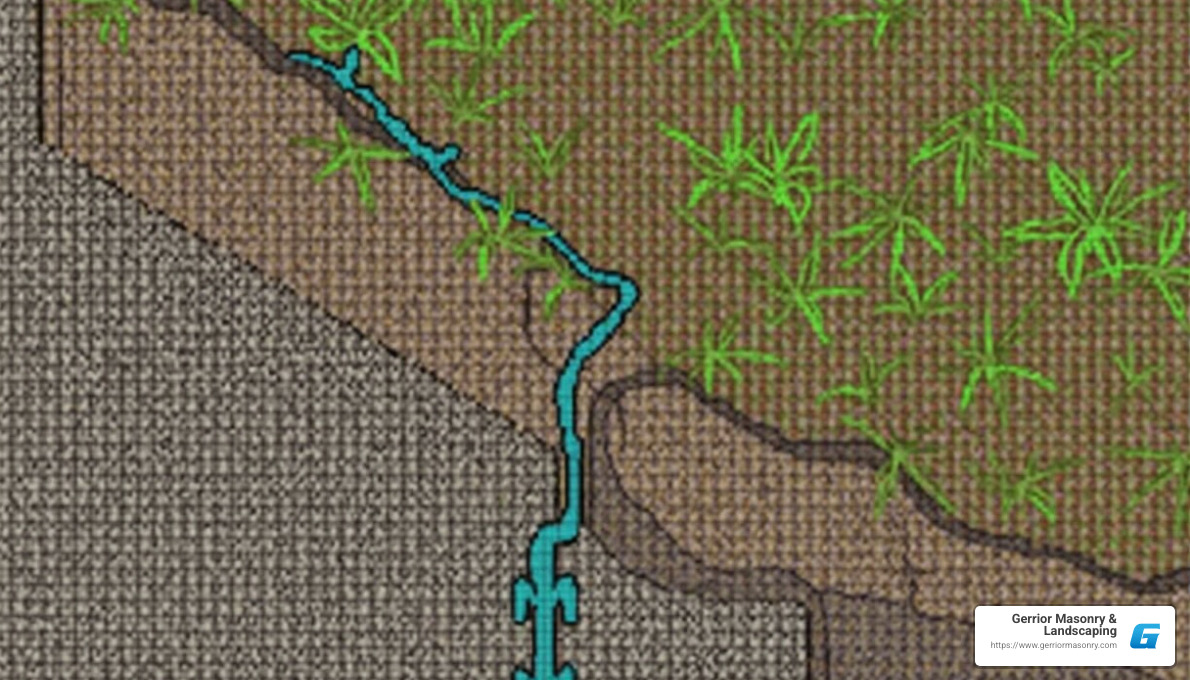
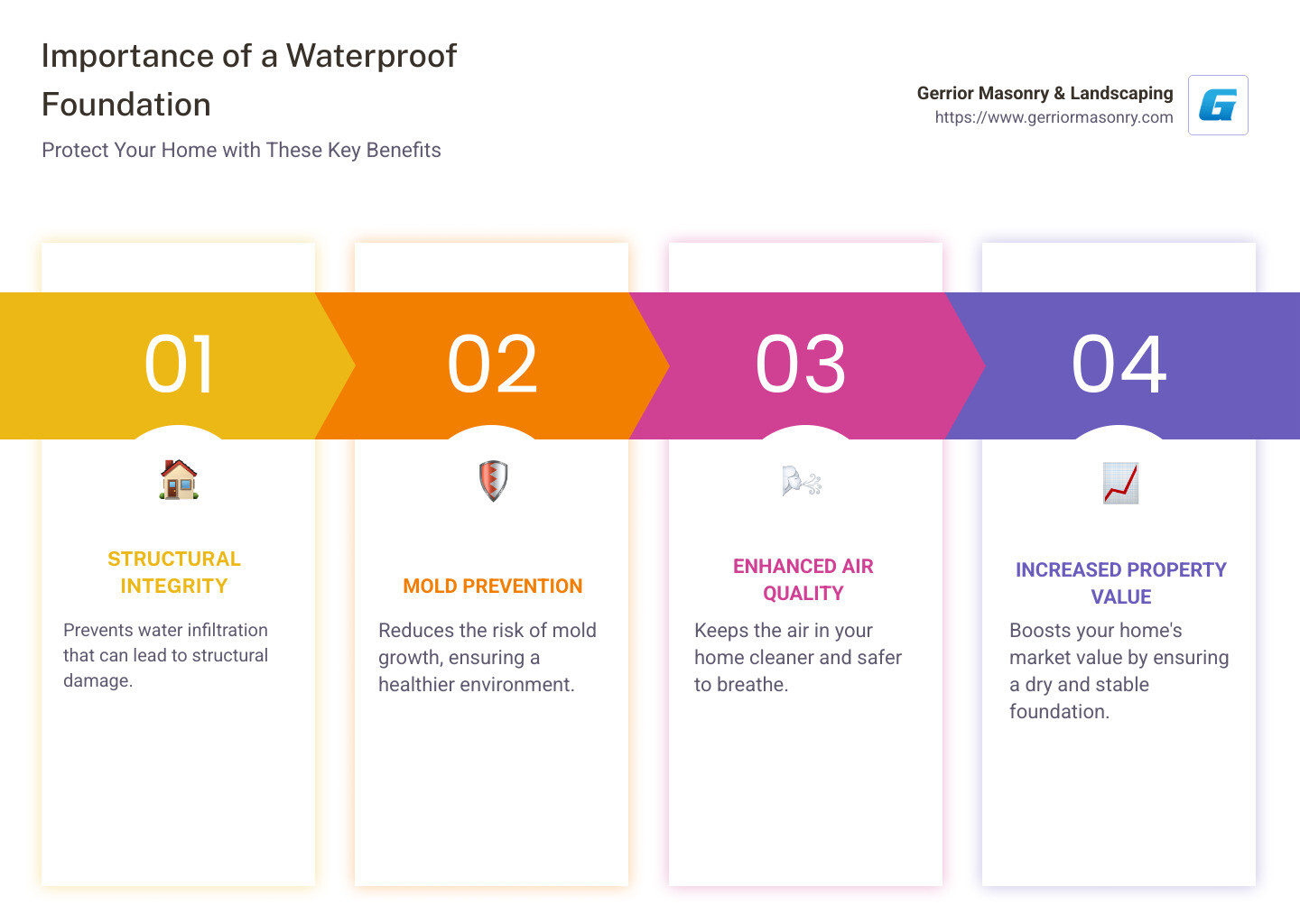
Waterproof Foundation is key to protecting your home from water infiltration. Ensuring your foundation is waterproofed offers several essential benefits:
Protects your home from structural damage
Prevents mold growth
Improves air quality
Increases property value
For homeowners, maintaining a Waterproof Foundation is crucial. Water infiltration can lead to severe problems, like mold and structural issues, affecting both your health and finances.
By taking preventive measures, you can safeguard your home, increase its longevity, and ensure a safe living environment. At Gerrior Masonry & Landscape, we’re experts in creating effective waterproofing solutions, custom to your unique needs. Our services are designed to withstand harsh climates and demanding soil conditions, ensuring long-lasting results.
I’m Joe Gerrior, owner of Gerrior Masonry & Landscaping, with over 34 years of experience in masonry and foundation waterproofing. My team and I are dedicated to providing high-quality, reliable services that improve your property’s value and usability.
Foundation waterproofing is crucial for keeping your home safe and dry. It involves several methods that work together to prevent water from entering your basement or crawl space.
Waterproofing Methods
There are two main types of waterproofing methods: interior and exterior. While interior waterproofing manages water that has already entered, exterior waterproofing prevents water from getting in. Let’s focus on the exterior method, which is often more effective for long-term protection.
Exterior Excavation
Exterior excavation is a key part of the waterproofing process. It involves digging around the foundation to access the walls from the outside. This allows for the application of waterproofing materials directly onto the foundation walls.
Benefits of Exterior Excavation:
Creates a direct barrier against water
Allows for the repair of any existing cracks or damage
Provides an opportunity to install drainage systems that direct water away from the foundation
Membrane Application
Once the foundation walls are exposed, a waterproof membrane is applied. This membrane acts as a shield, preventing water from penetrating the walls. It’s a crucial step in ensuring a Waterproof Foundation.
Types of Membranes:
Liquid Membranes: These are applied as a liquid and harden to form a seamless barrier.
Sheet Membranes: These are pre-formed sheets that are applied to the walls, providing a durable protective layer.
Both types of membranes are effective, but the choice depends on the specific needs of your foundation and the local climate conditions.
Combining Techniques
To achieve the best results, it’s common to combine exterior excavation and membrane application with other methods like installing drainage systems and using sealants. This comprehensive approach ensures that your foundation remains dry and protected.
At Gerrior Masonry & Landscape, we specialize in these waterproofing techniques, offering customized solutions for your home. Our team understands the unique challenges posed by different foundation types and local conditions, ensuring that your Waterproof Foundation is both effective and durable.
Next, we’ll explore the top waterproofing techniques in detail to help you choose the right solution for your home.
Top Waterproofing Techniques
When it comes to keeping your foundation dry and safe, a few key techniques stand out. Let’s take a closer look at these essential methods: excavation, membrane application, sealants, and drainage systems.
Excavation
Excavation is the first step in tackling water infiltration from the outside. By digging around your foundation, experts can directly access the exterior walls. This process is vital because it lets professionals:
Repair any visible cracks or structural issues
Apply waterproof materials directly to the foundation
Install drainage systems that divert water away from your home
Membrane Application
Applying a waterproof membrane is a crucial step in creating a Waterproof Foundation. This barrier helps keep moisture out, protecting your basement from leaks.
Types of Membranes:
Liquid Membranes: These are applied as a liquid, creating a seamless, flexible barrier once they dry.
Sheet Membranes: Pre-formed sheets that are attached to the foundation walls, offering a sturdy protective layer.
Choosing the right membrane depends on your home’s specific needs and local climate conditions.
Sealants
Sealants play a key role in filling and protecting cracks and gaps in the foundation. They ensure that even the smallest openings don’t allow water to seep through.
Benefits of Using Sealants:
Easy to apply and cost-effective
Provide an extra layer of protection
Ideal for minor repairs and maintenance
Drainage Systems
A well-designed drainage system is essential for preventing water from pooling around your foundation. This system often includes:
French Drains: Trenches filled with gravel and a perforated pipe to redirect water away from the foundation.
Sump Pumps: Devices that pump water out of the basement and away from the house.
Together, these techniques create a comprehensive waterproofing solution. At Gerrior Masonry & Landscape, we combine these methods to tailor a plan that suits your home’s unique needs. Our expertise ensures that your foundation not only stays dry but also remains strong and durable.
In the next section, we’ll guide you through choosing the right Waterproof Foundation solution for your home.
Choosing the Right Waterproof Foundation
Selecting the right Waterproof Foundation is crucial for the long-term health and stability of your home. With various foundation types and waterproof materials available, understand your options and make informed decisions. Here’s a simple guide to help you make the right choice.
Foundation Types
Different homes have different foundation types, each with its own characteristics and waterproofing needs. Here are the three most common types:
Stone Foundations: Often found in older homes, these require special attention to maintain historical integrity while preventing water intrusion.
Cinder Block Foundations: Common in modern constructions, these are porous and need thorough sealing to prevent seepage.
Fieldstone Foundations: Made with irregular stones, these demand specialized solutions to fill gaps and protect against water.
Waterproof Materials
Choosing the right materials is key to creating an effective Waterproof Foundation. Here’s a quick look at some popular options:
Waterproof Membranes: As mentioned earlier, these can be liquid or sheet forms, providing a robust barrier against moisture.
Sealants: Ideal for addressing smaller cracks and gaps, sealants are a cost-effective way to improve waterproofing.
Drainage Systems: Essential for redirecting water away from your foundation, systems like French drains and sump pumps are vital.
Installation Tips
Proper installation is just as important as choosing the right materials. Here are some tips to ensure success:
Hire Experienced Professionals: A skilled team, like Gerrior Masonry & Landscape, will ensure that the installation is precise and effective.
Tailor Solutions to Your Home: Each home is unique, so it’s important to customize waterproofing solutions to meet specific needs.
Consider Local Climate: The choice of materials and techniques should reflect the climate conditions in your area to ensure durability.
By understanding your foundation type and selecting the appropriate waterproof materials, you can protect your home from water damage. With expert installation, your foundation will be ready to withstand the elements for years to come.
Next, we’ll explore the benefits of having a Waterproof Foundation and how it can save you money and stress in the long run.
Benefits of a Waterproof Foundation
A Waterproof Foundation is more than just a protective measure for your home; it’s a smart investment that offers numerous benefits. Let’s explore the key advantages: durability, protection, and cost-effectiveness.
Durability
A Waterproof Foundation significantly improves the durability of your home. By preventing water from seeping into the foundation, you reduce the risk of cracks and structural damage. This is particularly important for homes with stone, cinder block, or fieldstone foundations, which can be more susceptible to water-related issues. With proper waterproofing, your foundation will withstand the test of time, ensuring a stable and solid structure for years to come.
Protection
Water infiltration can lead to a host of problems, including mold growth and poor air quality. A Waterproof Foundation acts as a shield, protecting your home from these hazards. By keeping water out, you maintain a healthier living environment and prevent costly repairs. The use of techniques such as perimeter drain systems and sump pumps, as highlighted by Gerrior Masonry & Landscape, ensures that water is effectively diverted away from your home, keeping your basement dry and safe.
Cost-Effectiveness
While the initial investment in a Waterproof Foundation might seem significant, it pays off in the long run. By preventing water damage, you avoid expensive repairs and potential loss of property value. Additionally, a dry basement can be transformed into valuable living space, increasing your home’s overall worth. Investing in high-quality waterproofing materials and professional installation, as provided by Gerrior Masonry & Landscape, ensures that you get the best value for your money.
In summary, a Waterproof Foundation offers durability, protection, and cost-effectiveness, making it a wise choice for any homeowner. Next, let’s address some frequently asked questions about maintaining and optimizing your foundation’s waterproofing.
Frequently Asked Questions about Waterproof Foundation
What is the most effective waterproofing method?
The most effective method for a Waterproof Foundation often involves a combination of techniques, with excavation and membrane application being key components. Excavation allows access to the exterior of the foundation, where waterproof membranes can be applied. These membranes act as a robust barrier, preventing water from penetrating the foundation walls.
Membranes are particularly effective because they provide a continuous, impermeable layer that shields the foundation from moisture. When combined with proper drainage systems, such as French drains or sump pumps, they ensure water is directed away from the home. This dual approach—using membranes and drainage—offers comprehensive protection against water infiltration.
How do I maintain a waterproof foundation?
Maintaining a Waterproof Foundation involves regular inspections and upkeep to ensure the systems in place remain effective. Here are some maintenance tips:
Regular Inspections: Conduct routine checks for any signs of water leakage or damage to the waterproofing materials. Pay close attention to the basement walls and floors for any new cracks or damp spots.
Sealant Application: Over time, sealants used to fill gaps or cracks may degrade. Reapply sealants as needed to maintain a watertight seal.
Drainage System Maintenance: Ensure that sump pumps and perimeter drains are functioning properly. Clear any debris that may block these systems to prevent water backup.
Can I waterproof my existing foundation?
Yes, you can waterproof an existing foundation through various retrofit options. Retrofitting involves adding waterproofing measures to an already built foundation to improve its resistance to water.
Sealants and Caulking: For minor leaks or small cracks, applying sealants can be an effective solution. These materials fill in gaps and prevent water from seeping through.
Interior Drainage Systems: For more significant water issues, installing interior drainage systems can help manage water that enters the basement. This might include sump pumps or interior French drains.
Exterior Excavation and Membrane Application: In cases where water infiltration is severe, exterior excavation may be necessary to apply waterproof membranes to the foundation. This method is more involved but provides a long-term solution.
By choosing the right retrofit options and maintaining your systems, you can effectively waterproof an existing foundation and safeguard your home from potential water damage.
Conclusion
Choosing the right partner for your Waterproof Foundation needs is critical. At Gerrior Masonry & Landscaping, we are committed to providing expert services that ensure the safety and longevity of your home. With over 30 years of experience and a skilled team, we pride ourselves on delivering high-quality results with meticulous attention to detail.
Our approach to foundation waterproofing includes:
Expert Assessment: We begin with a thorough inspection to understand the unique challenges of your property. This allows us to tailor our solutions to meet your specific needs.
Customized Solutions: Whether it’s installing sump pump systems, perimeter drains, or applying waterproof membranes, we design solutions that offer comprehensive protection against water intrusion.
Quality Assurance: Our team ensures every installation is carried out with precision, using the best materials and techniques. Post-installation, we conduct rigorous testing to confirm the effectiveness of our waterproofing systems.
Ongoing Support: We offer maintenance and support services to keep your basement dry and your foundation secure. Our team is always ready to address any concerns or questions, providing peace of mind long after the project is complete.
By choosing Gerrior Masonry & Landscaping, you’re not just investing in a Waterproof Foundation; you’re investing in the future of your home. We serve homeowners in Woburn, MA, and surrounding areas, ensuring that every project meets the highest standards of quality and care.
Take the first step towards a dry, safe, and valuable basement by contacting us today. Explore our masonry and hardscaping services to see how we can help maintain the beauty and integrity of your property.
Trust in the experts who care about your home as much as you do. Let’s seal the deal for a secure and waterproof foundation.
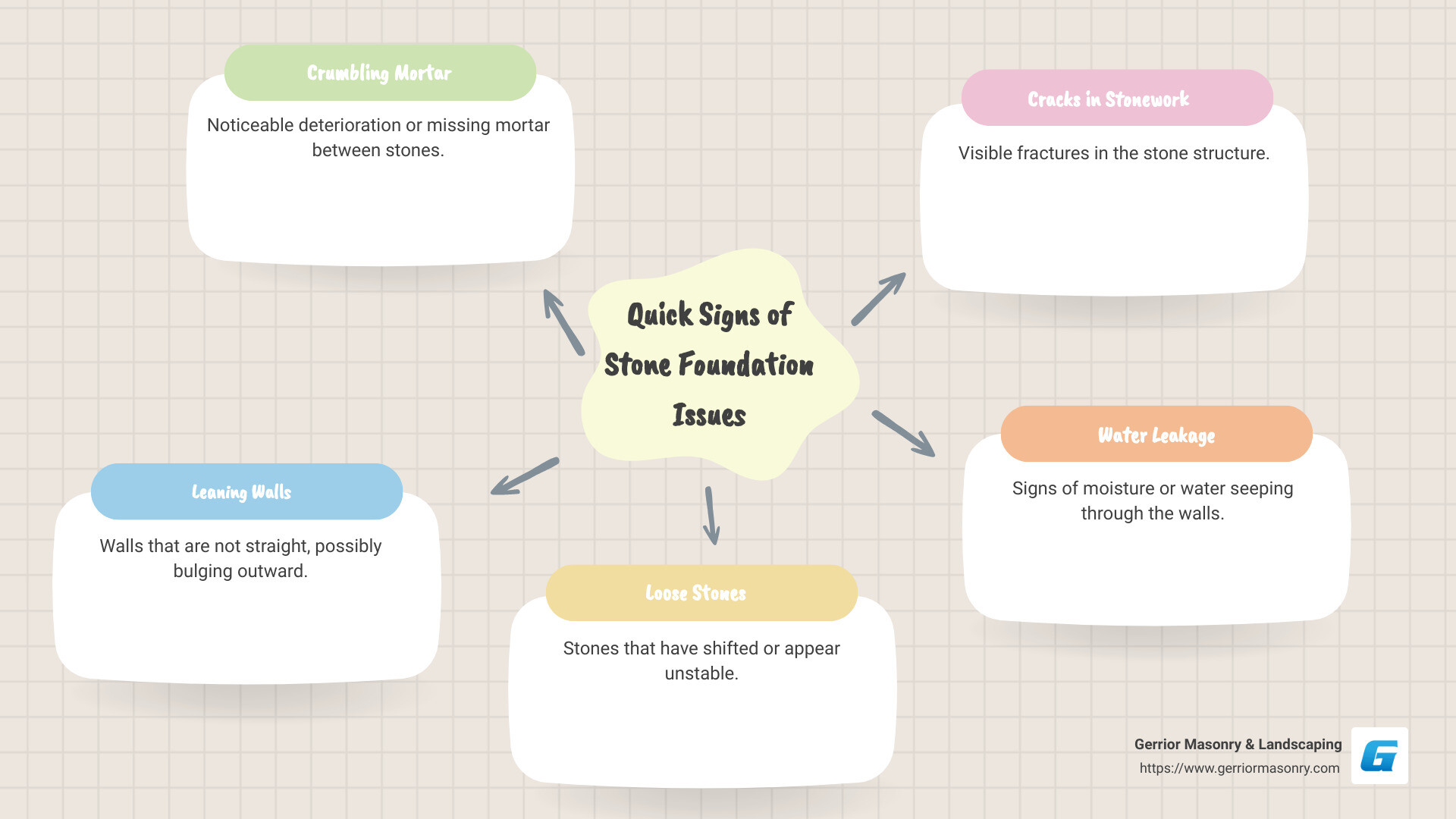
Stone Foundation Repair is crucial for preserving the beauty and structural integrity of historic homes in Massachusetts. If you’re looking to maintain or fix your stone foundation, here are the quick signs you should look out for:
Crumbling or missing mortar
Leaning or bulging walls
Loose or displaced stones
Cracks in the stonework
Water leaking through the walls
Caring for stone foundations requires a thoughtful approach, as these are the very bones of our homes, offering support and durability through generations. If ignored, minor issues can escalate, compromising the structure and safety of the entire building.
I’m Joe Gerrior, owner of Gerrior Masonry & Landscaping. With over 34 years of experience, my team and I specialize in Stone Foundation Repair to ensure your home remains safe, beautiful, and historically authentic. Let’s explore understanding the nuances of these repairs to prolong your home’s legacy.
Lime mortar plays a critical role in Stone Foundation Repair, especially for historic homes. Unlike modern Portland cement, lime mortar acts as a sacrificial layer. This means it’s designed to be the first to wear away, protecting the stones themselves from damage.
Why is this important? Well, water always finds the path of least resistance. When using dense modern mortars, water can be forced to travel through the stones, causing spalling and structural issues. Lime mortar, however, allows moisture to evaporate properly, preventing these problems and supporting the long-term health of your foundation.
Moreover, lime mortar is more compatible with the materials used in older structures. It expands and contracts with temperature changes, reducing the risk of cracks and gaps. This makes it an excellent choice for maintaining the historic integrity of your home.
Signs Your Foundation Needs Repair
When it comes to Stone Foundation Repair, early detection is key. Here are some signs that your foundation might need attention:
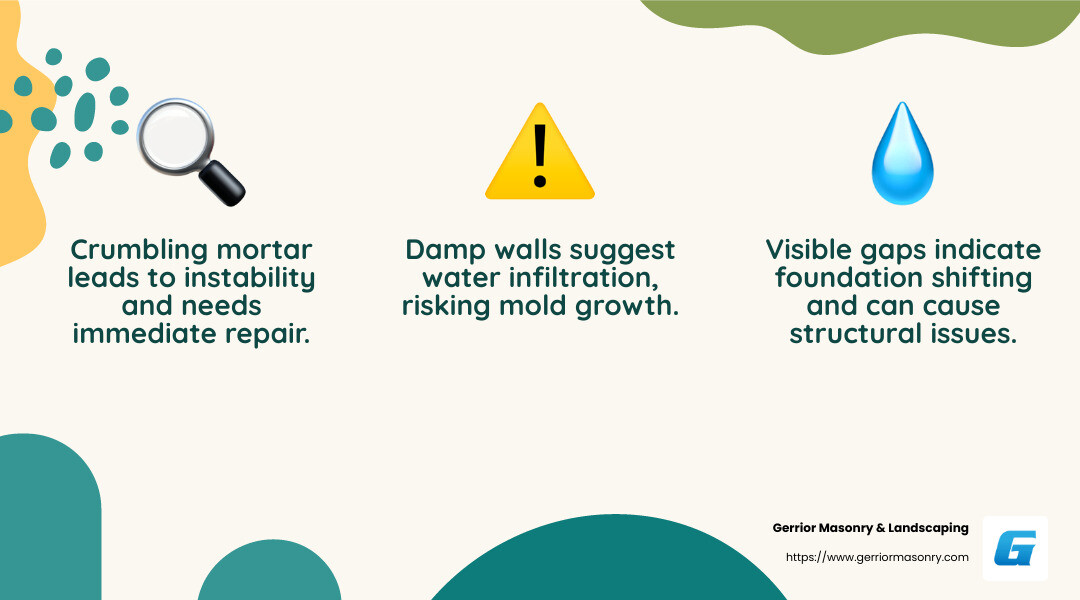
Crumbling Mortar: If you notice the mortar between stones is falling apart or missing, it’s time to act. This can lead to instability and further damage if left unattended.
Visible Gaps: Gaps between stones can indicate that the foundation is shifting. This can compromise the structural integrity of your home.
Damp Walls: Moisture on your basement walls or a musty smell can be a sign of water infiltration. This not only affects the foundation but can also lead to mold growth and other issues.
By addressing these signs promptly, you can prevent minor issues from becoming major repairs. Regular inspections and maintenance are crucial for the longevity of your stone foundation.
In the next section, we’ll guide you through the step-by-step process of repointing, ensuring your foundation remains strong and stable for years to come.
Step-by-Step Guide to Repointing
Repointing a stone foundation is a meticulous process that requires the right tools and careful preparation. Let’s break it down step by step.
Tools and Materials Needed
Before you begin, gather the necessary tools and materials. Here’s what you’ll need:
Masonry Hammer: Essential for chipping away old mortar.
Pointed Trowel: Used for applying and smoothing new mortar.
Type S Masonry Mortar: Known for its strength and durability, perfect for stone foundations.
Safety Gear: Safety glasses and a dust mask to protect against debris.
Soft-Bristle Brush: For cleaning out joints after removing old mortar.
Water and Plant Mister: To keep the area damp and reduce dust.
Bonding Agent: Helps the new mortar adhere better to existing surfaces.
Repointing Process
Once you have your tools and materials ready, follow these steps to repoint your stone foundation effectively:
Preparation: Start by inspecting the foundation. Identify areas where the mortar is crumbling or missing. Make sure to clear the area of any loose debris.
Remove Old Mortar: Use the masonry hammer and pointed trowel to carefully chip away at the old mortar. Aim to remove at least 2 inches of deteriorated mortar from between the stones. Be cautious not to damage the stones themselves.
Clean the Joints: After removing the old mortar, use the soft-bristle brush to sweep out dust and small particles. This ensures the new mortar will bond properly.
Mix the Mortar: On a mixing tarp, combine Type S masonry mortar with a bonding agent and a bit of water. Mix until you achieve a consistent texture.
Apply New Mortar: Using the pointed trowel, scoop fresh mortar and press it firmly into the joints. Fill the gaps completely, ensuring there are no air pockets. For larger gaps, you might need to insert small stones for additional support.
Smooth the Finish: Let the mortar set for about an hour. Then, lightly mist it with water and use the trowel to smooth the surface, making it flush with the stones.
By following these steps, you can ensure a strong and visually appealing finish that will protect your stone foundation for years. Working in small sections and being patient is key to a successful repointing project.
In the next section, we’ll discuss waterproofing techniques to further protect your stone foundation from water infiltration.
Waterproofing Stone Foundations
When it comes to maintaining the structural integrity of stone foundations, waterproofing is crucial. Water infiltration can lead to severe damage, causing mortar to crumble and stones to shift. Let’s explore effective techniques to keep your stone foundation dry and robust.
Techniques for Waterproofing
1. Hydraulic Cement
Hydraulic cement is a go-to solution for sealing cracks and preventing water ingress. It’s a fast-setting material that expands as it cures, ensuring a tight seal in voids and gaps. This makes it ideal for patching holes in stone foundations where water might seep through.
2. Parge Coating
Parge coating involves applying a thin layer of mortar to the exterior of the foundation. This technique not only improves the appearance of the stonework but also acts as a barrier against moisture. The parge coat fills small gaps and provides a smooth surface that repels water.
3. Drainage Membrane
A drainage membrane is a highly effective method for managing water flow around your foundation. These membranes are designed to channel water away, preventing it from pooling against the stone. They are typically installed on the exterior of the foundation, directing water into a drainage system.
4. Proper Drainage Systems
Ensuring proper drainage around your home is vital. This includes installing gutters and downspouts to divert rainwater away from the foundation. Additionally, grading the landscape so that it slopes away from the house helps prevent water accumulation near the foundation walls.
By employing these waterproofing techniques, you can significantly reduce the risk of water damage to your stone foundation. Each method plays a role in keeping moisture at bay, and when combined, they form a comprehensive defense system.
In the following section, we will address frequently asked questions about Stone Foundation Repair, including whether you can tackle these repairs yourself.
Frequently Asked Questions about Stone Foundation Repair
Can stone foundations be repaired?
Absolutely, stone foundations can be repaired. The most common method is repointing, which involves removing old, deteriorated mortar and replacing it with fresh mortar. This process not only restores the aesthetic appeal of your foundation but also prevents further structural damage. Repointing is essential for maintaining the integrity of your home, especially in older buildings where mortar has crumbled over time.
How much does it cost to repoint a stone foundation?
The cost to repoint a stone foundation varies based on several factors. On average, homeowners can expect to pay between $5 and $25 per square foot. Factors affecting the cost include the extent of damage, the type of mortar used, and the complexity of the job. For instance, projects involving intricate stonework or difficult access may incur higher labor costs. Additionally, if extensive repairs are needed before repointing, this can further increase the overall expense.
Can you repoint a stone foundation yourself?
While it’s possible to repoint a stone foundation yourself, it’s not always recommended. Repointing requires specific tools and skills to ensure a durable and aesthetically pleasing result. If you’re considering a DIY approach, it’s crucial to conduct a thorough inspection to assess the damage accurately. That improper repointing can lead to further issues down the line, such as moisture infiltration or structural instability.
If you decide to tackle this as a DIY task, make sure to gather all necessary materials, such as a masonry hammer, pointed trowel, and Type S masonry mortar. However, for those without masonry experience, hiring a professional can save time and ensure high-quality results. Regular maintenance and inspections are key to prolonging the life of your stone foundation, whether you choose to repoint it yourself or hire an expert.
In the next section, we’ll conclude our discussion on Stone Foundation Repair and highlight the benefits of choosing Gerrior Masonry & Landscaping for your project.
Conclusion
When it comes to Stone Foundation Repair, choosing the right team can make all the difference. At Gerrior Masonry & Landscaping, we pride ourselves on delivering high-quality results that stand the test of time. Our skilled team brings over 30 years of experience to every project, ensuring that your stone foundation is not only repaired but restored to its original strength and beauty.
Why Choose Us?
Expertise and Experience: Our team specializes in stone foundation repair, offering a deep understanding of the challenges and techniques needed to preserve these historic structures. We use state-of-the-art tools and methods to ensure that every repair is both effective and durable.
Personalized Service: We believe in a hands-on approach, with owner oversight on all projects. This ensures that each repair is custom to the unique needs of your home, providing a personalized touch that sets us apart.
Commitment to Quality: Our commitment to excellence means we never cut corners. From the initial assessment to the final touches, we focus on delivering results that not only meet but exceed your expectations.
Comprehensive Solutions: Beyond repair, we offer a range of services to improve and maintain your stone foundation. Whether it’s repointing, waterproofing, or ongoing maintenance, we provide comprehensive solutions to keep your foundation in peak condition.
Local Presence: Based near Woburn, MA, we are proud to serve a wide range of locations, ensuring that our expertise is accessible to homeowners throughout the region.
Choosing Gerrior Masonry & Landscaping means investing in the longevity and integrity of your home. Our skilled team is ready to tackle any challenge, ensuring that your stone foundation remains a strong and beautiful part of your home for years to come.
For more information on how to maintain and care for your hardscaping and masonry features, visit our service page.
Drainage System Around the House: Top 5 Vital Benefits
Drainage system around the house is essential for safeguarding your home from potential water damage. A well-designed system protects your foundation, ensures efficient water management, and prevents issues like soil erosion or basement flooding.
Key points to consider include:
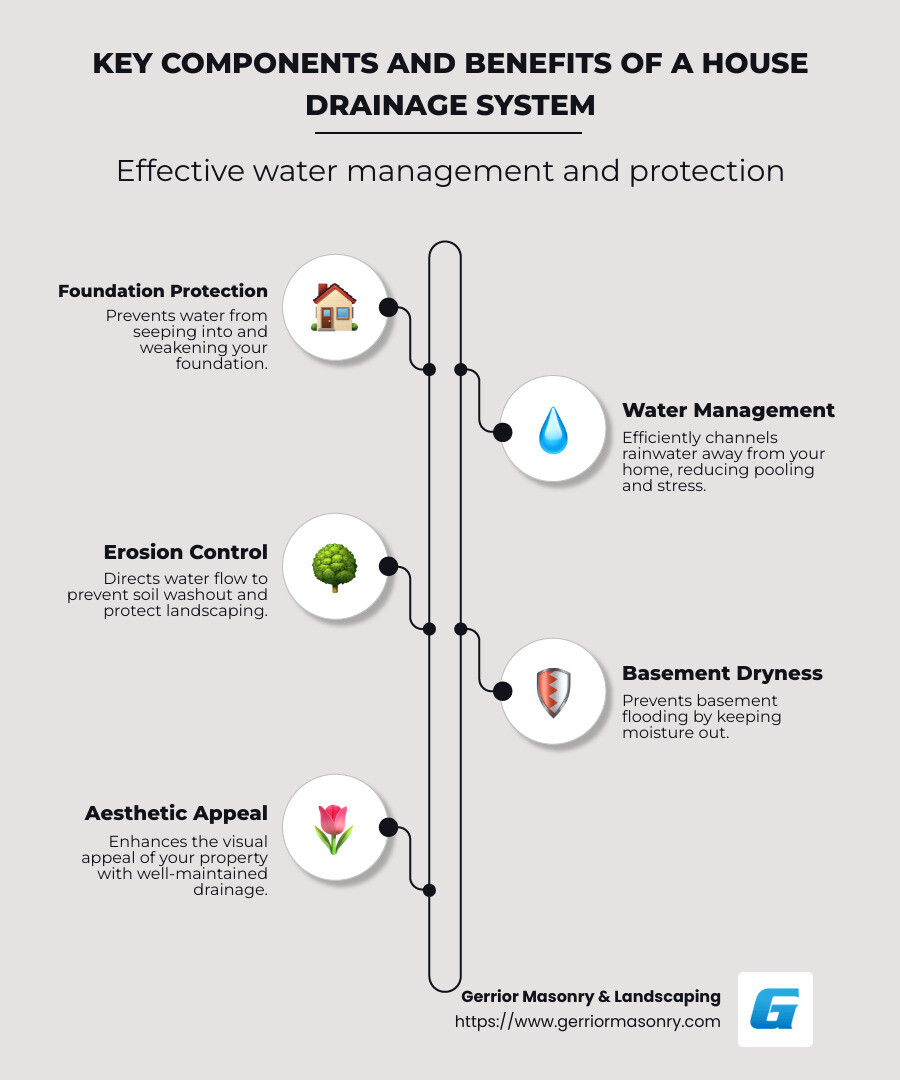
Foundation Protection: Prevents water from seeping into and weakening your foundation.
Water Management: Efficiently channels rainwater away from your home, reducing pooling and stress on the structure.
Prevention of Erosion: Protects your landscaping by directing water flow and preventing soil washout.
With over 34 years of experience, I, Joe Gerrior, have dedicated my career to optimizing the drainage system around the house. My company, Gerrior Masonry & Landscaping, ensures your property is both beautiful and resilient through expertly planned drainage solutions.
Types of Drainage Systems Around the House
When it comes to keeping your home safe and dry, choosing the right drainage system around the house is crucial. Here’s a look at some of the most effective types:
Surface Drains
Surface drains are like the front line of defense against water pooling in your yard. These systems collect water at the ground level and direct it away from your home using PVC pipes. They’re great for areas that experience heavy rainfall or where water tends to accumulate quickly.
Pros:
– Quick water removal
– Simple installation
Cons:
– Visible grates can be less aesthetically pleasing
French Drains
French drains are a popular choice for homeowners dealing with excess groundwater. They consist of a trench filled with gravel and a perforated pipe that redirects water away from trouble spots.
Pros:
– Versatile for various yard settings
– Blends seamlessly with landscaping
Cons:
– Requires excavation, which can be disruptive
Trench Drains
Trench drains are ideal for areas prone to flooding. They feature a linear design with a wide opening, allowing for high water flow capacity. These drains can be improved with decorative covers to match your landscape.
Pros:
– High flow capacity
– Customizable appearance
Cons:
– Regular maintenance to prevent clogs
Dry Wells
Dry wells are subsurface structures designed to collect and disperse water underground. They help manage excess water from sources like roof runoff and sump pump discharge.
Bioswales, or swales, are shallow, vegetated channels that manage water flow naturally. They slow down water runoff, allowing it to infiltrate the ground while reducing soil erosion.
Catch basins, also known as yard drains, collect surface water and direct it into a drainage pipe system. They’re essential for areas with high foot traffic or where water pooling is a concern.
Pros:
– Efficient water collection
– Reduces flooding risk
Cons:
– Needs periodic cleaning to remove debris
Choosing the right system depends on your specific needs and property conditions. At Gerrior Masonry & Landscaping, we specialize in custom solutions to ensure your drainage system around the house is both effective and aesthetically pleasing.
Next, let’s explore the benefits of proper drainage systems and how they can protect your home and improve its beauty.
Benefits of Proper Drainage Systems
Implementing a drainage system around the house is not just about managing water—it’s about protecting your home and enhancing your living environment. Let’s explore the key benefits:
Foundation Protection
A robust drainage system is your home’s first line of defense against water damage. By directing water away from the foundation, systems like French drains and trench drains help prevent costly issues like foundation cracks and basement flooding. This protection is crucial in areas prone to heavy rainfall, ensuring your home remains structurally sound for years to come.
Did you know? Insurance companies often ask about your foundation’s condition, as a cracked foundation can lead to serious water damage and mold issues. Regularly maintaining your drainage system could save you from hefty repair bills.
Erosion Control
Proper drainage systems play a crucial role in preventing soil erosion. By managing water flow effectively, systems like bioswales and surface drains reduce the risk of soil being washed away during heavy rains. This not only preserves the integrity of your landscaping but also prevents unsightly gullies and uneven ground surfaces.
Safety and Health
Standing water around your home is more than just an inconvenience—it can be a breeding ground for pests and a hazard for slips and falls. Catch basins and dry wells ensure that water is efficiently collected and dispersed, reducing the risk of accidents and minimizing the presence of mosquitoes and other pests.
Aesthetic Appeal
A well-designed drainage system can also improve the visual appeal of your property. With options like decorative trench drain covers and natural-looking bioswales, you can integrate drainage solutions seamlessly into your landscape design. This not only maintains the beauty of your outdoor space but also adds value to your property.
Tip: Consider integrating native plants into your bioswales to promote biodiversity and create a natural look that complements your landscape.
By investing in a proper drainage system around the house, you’re taking proactive steps to safeguard your home, improve its safety, and improve its aesthetic appeal. In the next section, we’ll explore installation and maintenance tips to ensure your drainage system remains effective and efficient.
Installation and Maintenance Tips
Installing a drainage system around the house can seem daunting, but it doesn’t have to be. With the right approach and knowledge, you can ensure your system is both effective and easy to maintain. Here’s how:
Easy Installation
For a straightforward installation, consider pre-assembled systems like the trench drains from LandScape Drains. These come pre-sloped and ready to install, making the process much simpler. If you’re tackling the project yourself, start by assessing your yard’s natural slope and identify areas where water tends to pool. This will help you determine the best locations for your drains.
Plan: Map out where water naturally flows and where it accumulates.
Prepare: Clear the area of debris and vegetation.
Install: Follow the manufacturer’s instructions for your chosen drainage system.
Low Maintenance
Once your drainage system is in place, keeping it in good shape is relatively easy. Here are a few tips:
Regular Inspections: Check your system periodically for clogs or damage. A quick look after heavy rains can prevent bigger problems.
Clean-Out Access: Install clean-out ports to easily flush the system with a garden hose, as suggested by Mike Sutton of French Drain Man Canada.
Minimal Upkeep: Systems like bioswales, which use native plants, require less water and maintenance once established.
Professional Installation
If DIY isn’t your style, hiring a professional like Gerrior Masonry & Landscaping ensures the job is done right. Professionals have the expertise to:
Assess Proper Grading: Ensure your yard slopes correctly to prevent water from running toward your home.
Select the Right Materials: Use quality materials like non-woven geotextile fabric to prevent clogging and improve durability.
Customize Solutions: Tailor the drainage system to fit your specific landscape and needs.
Cost Considerations
The cost of installing a drainage system can vary widely. Factors include the type of system, materials used, and the complexity of the installation. Here’s a rough estimate:
Perimeter Drains: Expect to pay around $65-$80 per linear foot, including labor and materials.
French Drains: Costs can vary based on the length and depth required.
While the initial investment may seem high, a well-installed drainage system can prevent costly damage to your home and landscape. Investing now can save you from expensive repairs down the line.
By focusing on easy installation, low maintenance, and considering professional installation and cost factors, you can ensure your drainage system is both effective and manageable. Up next, we’ll address some common questions about drainage systems to further guide you in making informed decisions.
Frequently Asked Questions about Drainage Systems
What is the best drainage system around a house foundation?
The best drainage system around the house foundation often depends on your specific needs and landscape. However, French drains are a popular choice. They consist of perforated pipes buried in a trench filled with gravel. As water seeps through the gravel, it’s collected by the pipe and directed away from the foundation. This system is excellent for reducing water pressure against your foundation and preventing leaks.
Grading drainage is another effective method. This involves reshaping the landscape to ensure water slopes away from the house. Proper grading can significantly reduce water accumulation around the foundation, minimizing potential damage.
How much does it cost to install a drainage system around a house?
The cost of installing a drainage system varies based on several factors, including the type of system and the complexity of the installation. For instance:
Perimeter drains: Approximately $65-$80 per linear foot, covering labor, materials, and soil removal.
French drains: Costs can fluctuate depending on the length and depth required.
While these costs might seem steep initially, consider them an investment in protecting your home from water damage. Professional installation can ensure the system is effective and long-lasting, which can save money on repairs in the future.
What is the proper drainage around a house?
Proper drainage around a house involves several components working together:
Gutters and Downspouts: These are crucial for directing rainwater from the roof away from the foundation. Ensure they are clean and well-maintained to function effectively.
Grading: Your yard should slope away from the house to naturally direct water away from the foundation. If your yard slopes towards the house, consider regrading to prevent water damage.
Sump Pumps: In areas prone to heavy rainfall or high water tables, a sump pump can provide an additional layer of protection by removing accumulated water from the basement.
Combining these elements ensures comprehensive protection against water damage. Regular maintenance and inspections can keep these systems running smoothly and prevent costly repairs.
Conclusion
In conclusion, a well-designed drainage system around the house is not just a luxury—it’s a necessity. At Gerrior Masonry & Landscaping, we understand the importance of protecting your home from water damage. With over 30 years of experience, our team is committed to providing high-quality drainage solutions that safeguard your property for the long term.
Implementing a proper drainage system offers numerous long-term benefits. It protects your foundation, prevents soil erosion, and improves the safety and health of your home environment. Moreover, a well-maintained drainage system can boost the overall aesthetic appeal of your property, blending seamlessly with your landscape.
For homeowners, professional advice and installation are key to ensuring the effectiveness and longevity of your drainage system. Our skilled team at Gerrior Masonry & Landscaping is here to guide you every step of the way. From assessing your property to designing and installing a custom drainage solution, we ensure your home is well-protected against water-related issues.
Investing in a reliable drainage system now can save you from costly repairs and potential damage in the future. For more information on how we can help you with your drainage needs, please visit our Drainage Systems and Dry Wells page.
Protecting your home starts with a solid drainage plan. Let us help you maintain the beauty, safety, and integrity of your property with our expert services.
Find the Enduring Strength and History of Stone Foundations
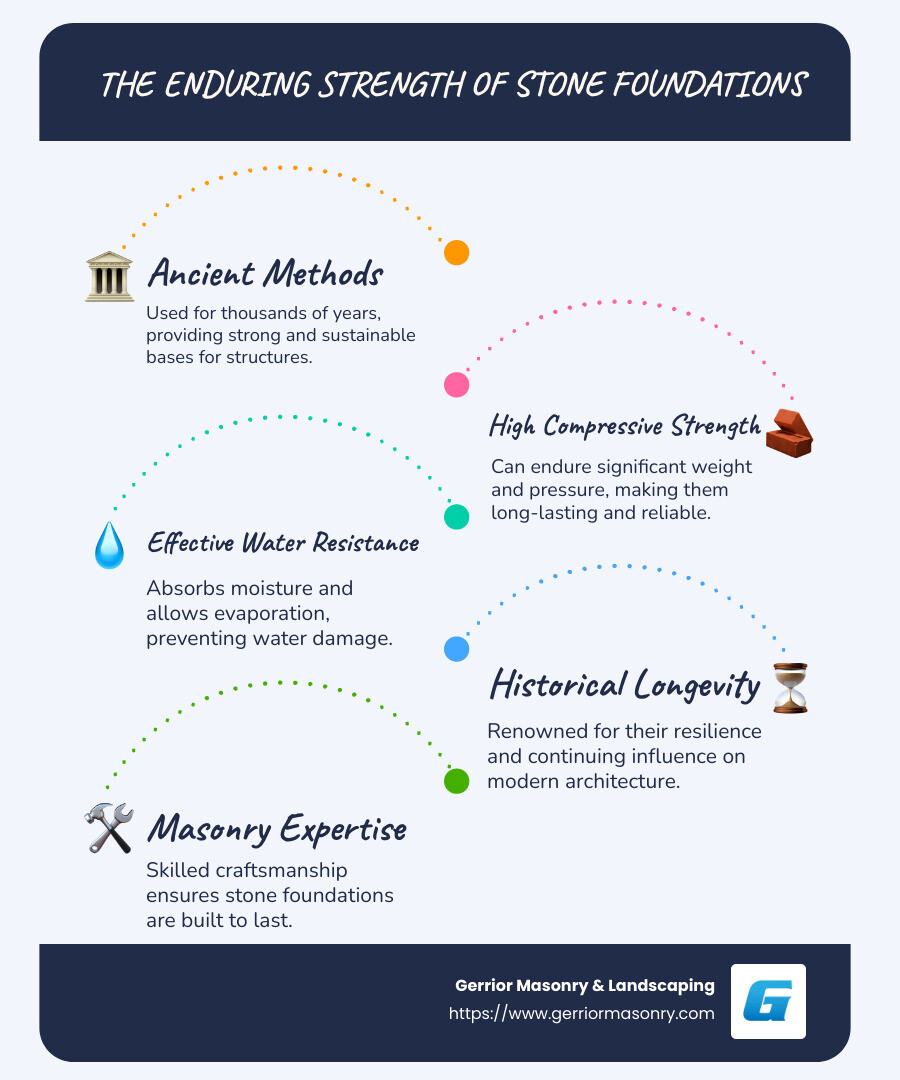
Stone Foundation is an ancient building method known for its durability and historical significance. Used since thousands of years ago and prominently until the 1940s, stone foundations offer unparalleled strength and resilience against time and the elements. Here’s a quick look:
Durability: With high compressive strength, stone foundations endure significant weight and pressure.
Water Resistance: These thick structures manage water efficiently, absorbing moisture and allowing it to evaporate naturally.
Historical Longevity: Rooted in ancient construction, stone has been a reliable choice across centuries.
In this guide, we’ll explore the timeless nature of stone foundations and how they continue to influence modern architecture.
I’m Joe Gerrior, owner of Gerrior Masonry & Landscaping, with over 34 years of experience in masonry construction. My work has given me unique insights into the enduring benefits of stone foundation, making us your go-to experts for these robust structures.
A Stone Foundation is a traditional building technique that uses natural stones to form a solid base for structures. This method dates back thousands of years and remains a testament to the strength and durability of natural materials. Let’s dig into its key components:
Random Sized Stones
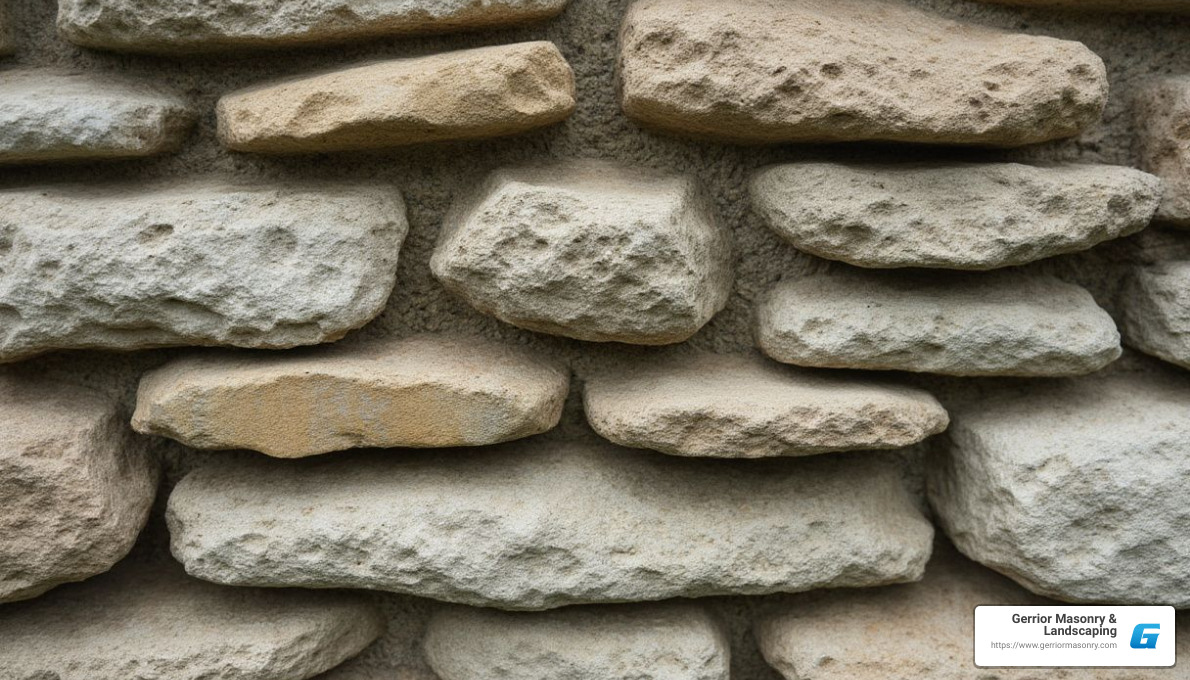
Stone foundations are typically constructed using random-sized stones. This means that the stones are not uniform in shape or size, which might seem chaotic at first glance. However, this randomness is intentional. Using a variety of stone sizes allows for a more natural interlocking pattern. The stones are carefully selected and placed to fit together snugly, creating a stable and robust structure.
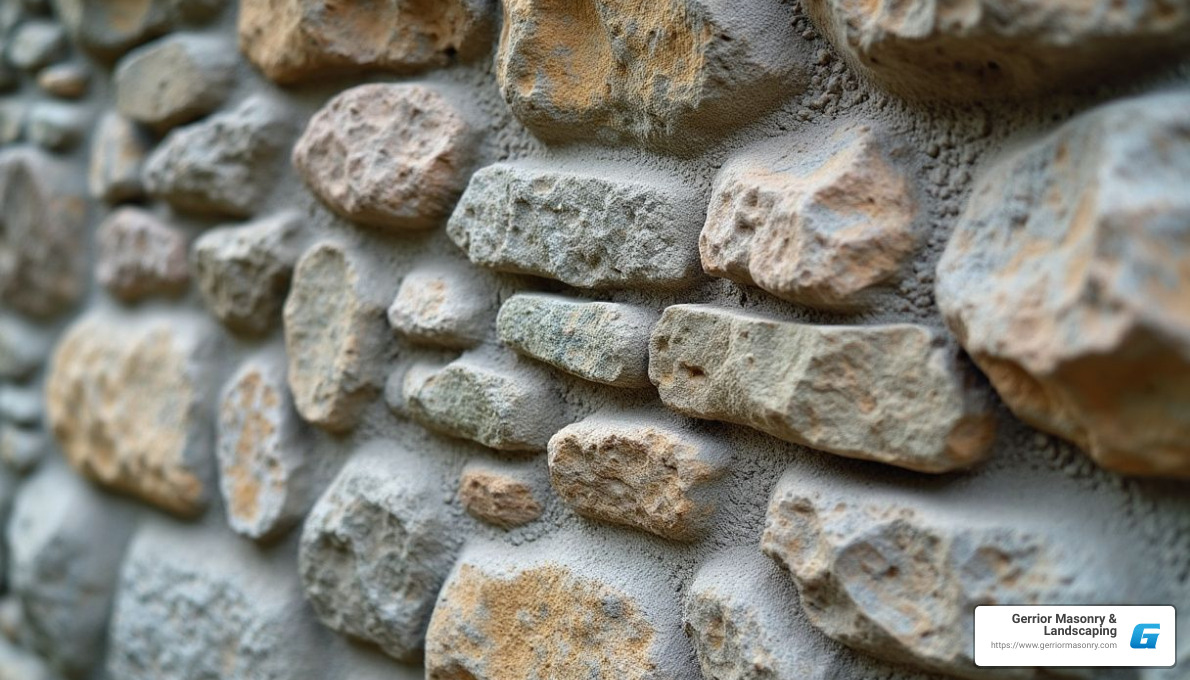
Lime-Based Mortar
The stones in a stone foundation are held together with a lime-based mortar. Lime mortar is a traditional binding material known for its flexibility and breathability. Unlike modern cement, lime mortar allows the structure to move slightly without cracking, which is essential for the longevity of stone foundations. It also helps manage moisture by allowing trapped water to escape, reducing the risk of damage over time.
Interlocking Fashion
One of the secrets to the strength of a stone foundation is the interlocking fashion in which the stones are laid. The stones are arranged in a way that their weight is evenly distributed, providing exceptional stability. This interlocking method ensures that the foundation can withstand significant pressure and weight, making it ideal for supporting heavy structures.
A Timeless Craft
The art of building a stone foundation is both a science and an art. It requires skill and experience to select the right stones and place them correctly. This craftsmanship has been passed down through generations, preserving the knowledge and techniques that make stone foundations so reliable.
In summary, a Stone Foundation is more than just a base for a building; it’s a blend of natural materials and skilled craftsmanship that offers best durability and resilience. This ancient technique continues to be valued for its ability to create strong, lasting structures.
Benefits of Stone Foundations
When it comes to building a durable and strong base for structures, Stone Foundations have stood the test of time. Their unique properties make them a preferred choice even today. Let’s explore the key benefits that make stone foundations exceptional:
Strength and Durability
Stone foundations are renowned for their incredible strength and durability. Natural stone, formed over millions of years, possesses a high compressive strength. This means it can withstand heavy loads without breaking. Imagine stacking stone blocks 4 kilometers high before the bottom one crushes—that’s the kind of strength we’re talking about! This makes stone an excellent choice for a foundation that needs to endure the weight of a building for centuries.
Water Penetration Resistance
One of the standout features of stone foundations is their ability to handle water penetration. The thick, 20-inch stone walls absorb small amounts of water and allow it to evaporate naturally. This prevents water from seeping into the building and causing damage. The lime-based mortar used in these foundations also plays a crucial role. It remains breathable, allowing moisture to escape and keeping the structure dry and intact.
Compressive Strength
Natural stone’s compressive strength is among the highest of all building materials. This strength comes from its formation process, where layers of stone are compressed over time by natural forces. The result is a dense and resilient material that’s perfect for supporting substantial structures. This is why stone foundations have been used for centuries and continue to be a robust choice for modern buildings.
Timeless Aesthetics
Beyond their functional benefits, stone foundations offer a timeless aesthetic appeal. Each stone is unique, adding character and beauty to any structure. The natural variations in color and texture make stone foundations not just a practical choice, but also an neat one. Whether it’s the rustic charm of a roughly squared Scotch bond or the artistic randomness of a random rubble design, stone foundations improve the visual appeal of a building.
Stone Foundations provide a blend of strength, durability, and beauty that few other materials can match. Their ability to manage water effectively and support heavy loads makes them a lasting investment for any construction project.
Types of Stone Foundations
When it comes to building with stone, there are three primary styles of stone foundation construction: Fully Pitched Scotch Bond, Roughly Squared Scotch Bond, and Random Rubble. Each type has its own unique characteristics and benefits, which can greatly influence the appearance and durability of a building.
Fully Pitched Scotch Bond
Think of Fully Pitched Scotch Bond as the luxury option of stone foundations. In the 19th and early 20th centuries, this was the “Cadillac” of stonework. Masons would carefully square each stone and pitch the faces to create a “breasted” look. This meticulous process allowed for straighter building lines and a more refined finish. The result? A foundation that is not only structurally sound but also aesthetically pleasing, with a uniform appearance that stands the test of time.
Roughly Squared Scotch Bond
A step down in precision but still impressive, Roughly Squared Scotch Bond offers a more relaxed approach to stonework. Here, stones are squared with less strict tolerances. Some stones are joined at matching angles only when convenient. The faces are pitched as needed to fit into the wall line, making the breasting less apparent. This style offers a balance between the polished look of Fully Pitched Scotch Bond and the rustic charm of Random Rubble, providing a sturdy yet visually appealing foundation.
Random Rubble
Random Rubble is the art form of stone foundations. It’s the most informal and organic style, often using stones found on-site. Masons lay stones where they fit best, with minimal cutting using a stone hammer. The corners are typically built with the largest, most square stones for stability. This type of foundation is common for interior walls, where appearance is less of a concern, and walls are often parged or painted. Despite its seemingly chaotic nature, when done correctly, Random Rubble can be a beautiful testament to the natural beauty of stone.
In the New England area, where Gerrior Masonry & Landscaping operates, most stone foundations are constructed using local materials, which enhances the regional character of these structures. Each type of stone foundation has its own unique appeal and functionality, making them a versatile choice for builders who value both strength and aesthetics.
Common Issues with Stone Foundations
Crumbling Mortar
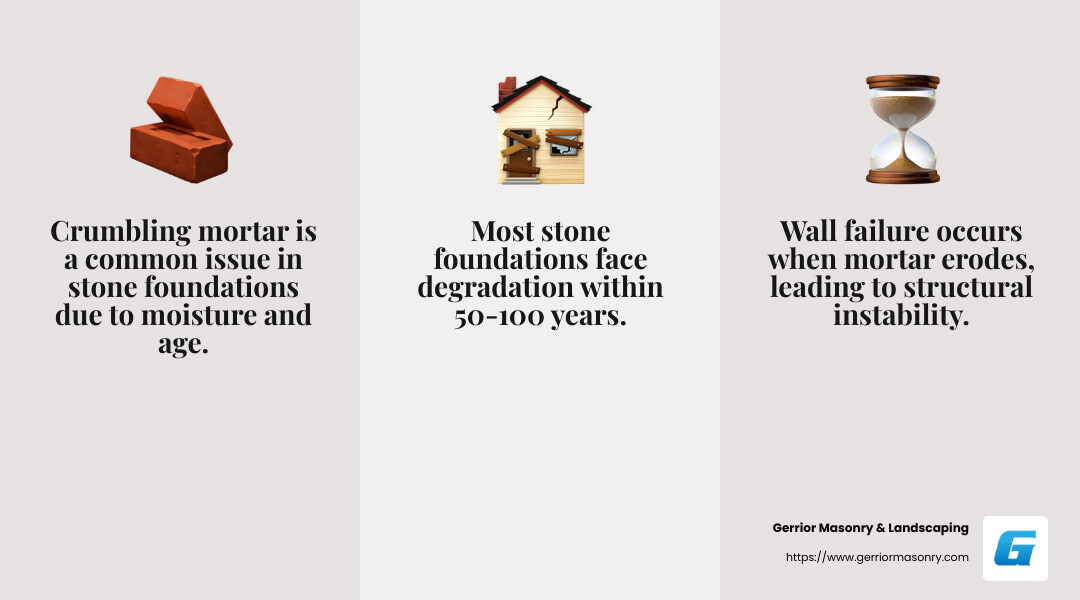
One of the most common problems with stone foundations is crumbling mortar. Over time, the lime-based mortar that holds the stones together can degrade. This happens because of moisture intrusion, freeze-thaw cycles, and even the natural aging process. Imagine a Jenga tower; if one block starts to crumble, the whole structure becomes unstable. Similarly, when the mortar erodes, the stones lose their grip, leading to potential structural issues.
Wall Failure
When the mortar fails, it can result in wall failure. This means the very walls that support your home might start to bow or collapse. Unlike modern concrete block foundations, stone foundations lack uniformity. This makes them more susceptible to shifting when the mortar deteriorates. It’s like pulling a thread from a sweater—one small change can solve the whole piece. This is why timely repairs are crucial to prevent further damage.
Age-Related Degradation
Most stone foundations are over a century old, especially those found in historic districts or old farmhouses. With age, even the most robust materials start to show wear and tear. Mortar isn’t designed to last forever. As it ages, it loses its binding properties, leading to a weakened structure. The stones themselves can also degrade, especially if they are subjected to harsh environmental conditions.
Addressing these issues requires a knowledgeable approach. Solutions like repointing—replacing the old mortar with new—can help, but they are often temporary fixes. More modern techniques, such as using Shotcrete, can provide a more permanent solution by reinforcing the existing stonework with new concrete layers. This not only restores the structural integrity but also preserves the charm of these historic foundations.
Understanding these common issues is the first step toward maintaining a safe and sound home with a stone foundation. By addressing these problems early, homeowners can protect their investment and preserve the historical value of their property.
Repairing Stone Foundations
When it comes to repairing stone foundations, there are two main techniques that stand out: Repointing and Shotcrete. Each method has its own benefits and can be used depending on the condition of the foundation.
Repointing
Repointing involves removing the old, crumbling mortar and replacing it with new mortar. This process can stabilize the foundation by restoring the bond between the stones.
Assessment and Inspection: A thorough inspection is essential to evaluate the extent of mortar deterioration. This helps in identifying the areas that need repointing.
Mortar Removal: The old mortar is carefully removed using special tools. This is a delicate process to ensure the stones are not disturbed.
Mixing and Matching Mortar: New mortar is mixed to match the existing color and composition, preserving the aesthetic of the foundation.
Application: Skilled masons apply the new mortar, ensuring it fills the joints completely and provides a smooth finish.
While repointing is effective, it’s often a temporary fix. Over time, the new mortar can also degrade, especially if exposed to moisture.
Shotcrete
For a more permanent solution, Shotcrete is an excellent choice. This method involves spraying concrete onto the existing stone walls. Here’s how it works:
Steel Mesh Framework: A steel mesh is first installed over the stone foundation. This provides a structure for the Shotcrete to adhere to.
Spraying Concrete: Using a high-pressure hose, concrete is sprayed onto the walls. This forms a new, solid layer that bonds with the existing structure.
Structural Soundness: Shotcrete creates a robust and stable foundation, effectively replacing the stone as the primary load-bearing element.
The beauty of Shotcrete is that it not only restores the structural soundness of the stone foundation but also maintains its historical charm. While you might lose a bit of basement space, the trade-off is a safer and more durable home.
Choosing the right repair method depends on the specific issues your foundation faces. By addressing these problems with the appropriate techniques, you can ensure the longevity and safety of your home.
Frequently Asked Questions about Stone Foundations
Are stone foundations good or bad?
Stone foundations have their pros and cons. Let’s break it down:
Strength and Longevity: Stone foundations are incredibly strong. Many have lasted over a century, which shows their durability. They are made from natural materials that can withstand time and the elements. This makes them a good option for those valuing historical charm and robustness.
Cost: On the downside, building or repairing stone foundations can be more expensive than other types like concrete. The materials and skilled labor required often increase the cost. However, the long-term benefits can outweigh these initial expenses.
Can you still build a stone foundation?
Yes, you can still build a stone foundation today, though it’s not as common as it once was. Here’s why:
Traditional Methods: Historically, stone foundations were built using local stones and lime-based mortar in an interlocking fashion. This method is labor-intensive and requires skilled masons.
Modern Applications: Nowadays, modern techniques and materials can be integrated with traditional methods. This blend allows for the construction of stone foundations that meet today’s building standards while retaining their classic appeal. However, due to the complexity and cost, they are often reserved for restoration projects or homes seeking a unique aesthetic.
Why do stone foundations crumble?
Crumbling is a common issue with stone foundations, and here’s why it happens:
Mortar Degradation: The mortar used in stone foundations is often the first to fail. Over time, it can degrade due to weather exposure, age, and moisture. Once the mortar starts to crumble, the stones lose their bond, leading to instability.
Water Penetration: Water is one of the biggest enemies of stone foundations. If water seeps into the foundation, it can cause the mortar to deteriorate faster. This is why proper drainage and waterproofing are crucial to maintaining a stone foundation.
Understanding these factors can help in making informed decisions about building or maintaining a stone foundation. By addressing issues like mortar degradation and water penetration early, you can extend the life of your foundation significantly.
Conclusion
At Gerrior Masonry & Landscaping, we take pride in our ability to deliver top-notch results when it comes to stone foundations. Our skilled team, backed by over 30 years of experience, ensures that every project is handled with precision and care.
High-Quality Results
Our commitment to quality is unwavering. We understand the unique challenges and benefits associated with stone foundations, and we leverage our expertise to provide solutions that stand the test of time. Whether it’s repairing an existing foundation or constructing a new one, our team ensures that every detail is executed flawlessly.
Skilled Team
Our team is our biggest asset. Each member is trained to handle the intricacies of stonework, from selecting the right materials to applying traditional and modern techniques. This expertise allows us to tackle projects of any scale, ensuring that the results not only meet but exceed your expectations.
Peace of Mind
Choosing Gerrior Masonry & Landscaping means opting for a partner who values your trust and strives to maintain it through reliable, high-quality service. We stand behind our work with a robust satisfaction guarantee. From the initial consultation to the final touches, we aim to deliver excellence.
If you’re considering a stone foundation for your project or need repairs on an existing one, contact us to learn more about how we can help. Let us bring our expertise and dedication to your next project.
Retaining Wall Repair Near Me: Top 5 Proven Solutions
Retaining wall repair near me? If you’re looking for quick answers, here are key pointers to consider:
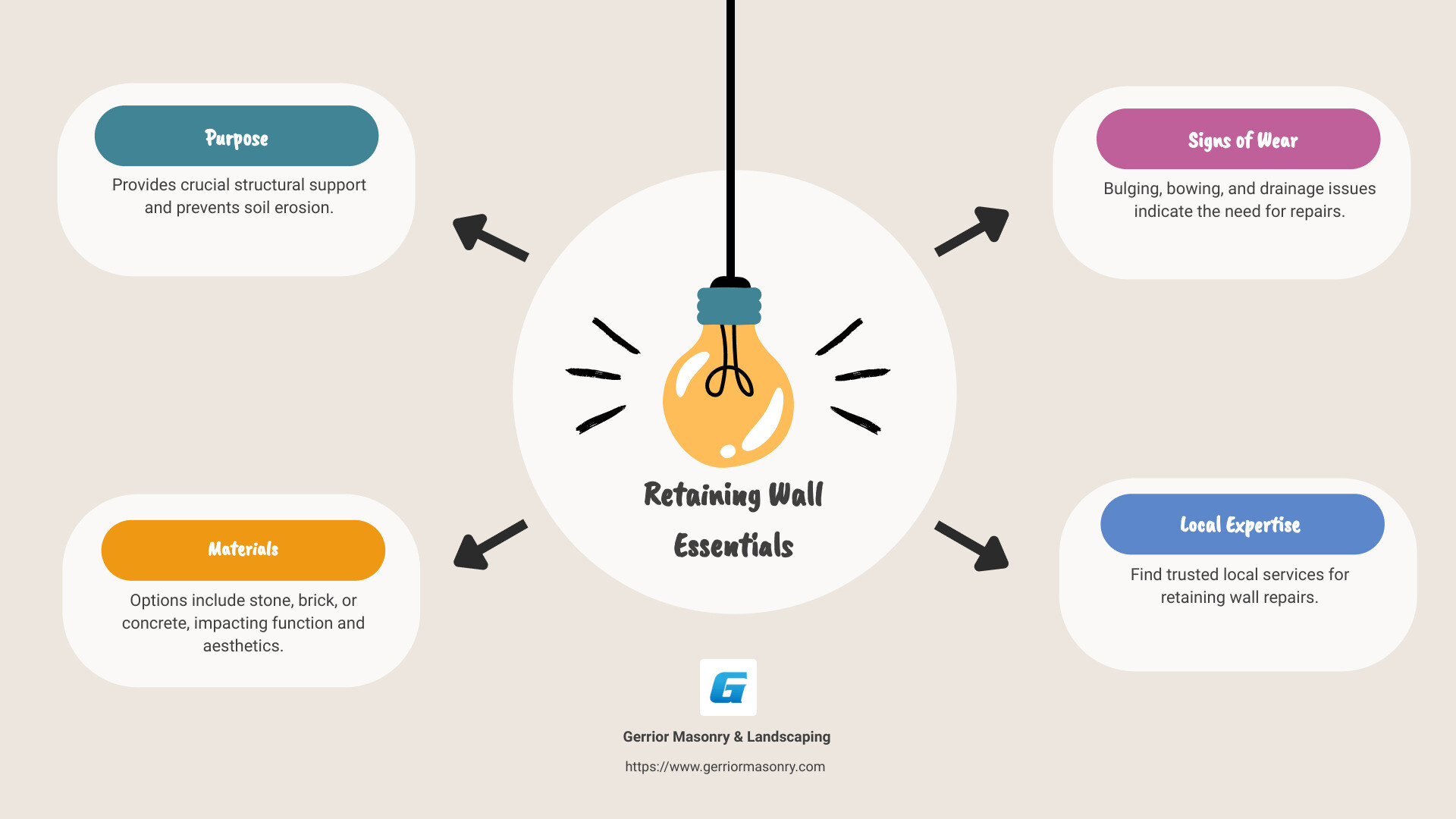
Purpose: Retaining walls provide crucial structural support and prevent soil erosion.
Materials: Choice of stone, brick, or concrete impacts both function and aesthetics.
Signs of Wear: Look for bulging, bowing, and drainage issues as indicators for repair.
Retaining walls are more than just stone barriers in your garden—they serve as essential structures to manage the earth around your home. They hold back soil, provide needed stability, and help prevent erosion that could undermine the beauty and safety of your outdoor spaces. From keeping your garden in place to supporting the integrity of your landscape design, these walls are vital for the aesthetics and functionality of your property.
I’m Joe Gerrior, owner of Gerrior Masonry & Landscape Construction Corp. For over 34 years, I’ve been helping Massachusetts homeowners with all things related to retaining wall repair near me. Our focus has always been on blending utility with visual appeal, ensuring your walls stand the test of time. Now, let’s explore how retaining walls offer both structural support and erosion prevention.
Understanding Retaining Walls
Retaining walls are not just about stacking stones or bricks. They are carefully engineered structures designed to hold back earth and manage landscape slopes. Let’s break down the essentials of how they work and what makes them so effective.
Soil Pressure
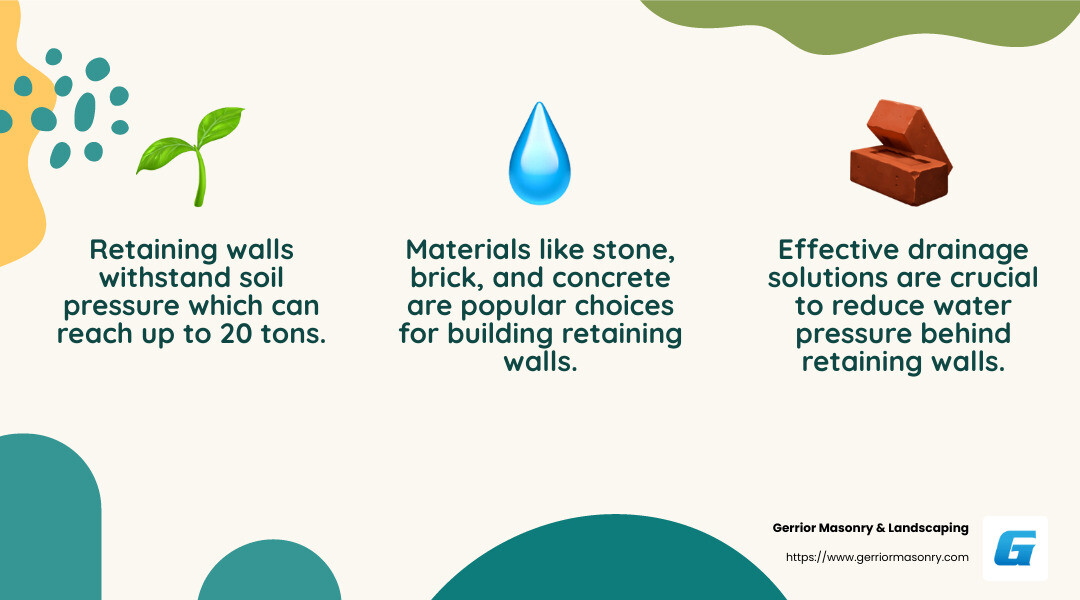
One of the main challenges retaining walls face is soil pressure. Soil is heavy, and when it rains, it gets even heavier. A basic retaining wall can be under pressure from up to 20 tons of soil. This pressure increases with every additional foot of height. Misjudging this can lead to walls that bulge or even collapse. Properly designed walls distribute this pressure evenly, ensuring stability and longevity.
Construction Techniques
Building a retaining wall is more than just putting bricks together. It involves precise planning and execution. Key techniques include:
Proper Foundation: A strong base is crucial. Without it, the wall might shift or settle over time.
Drainage Solutions: Water is a major enemy of retaining walls. Good drainage prevents water from building up behind the wall, reducing pressure and preventing damage.
Reinforcement: Depending on the wall’s height and the soil type, additional reinforcement like tiebacks may be needed to keep the wall stable.
Materials
The choice of materials is critical, both for function and aesthetics. Common materials include:
Stone: Offers a natural look and blends well with many landscapes. It’s durable but can be more expensive.
Brick: Provides a classic and uniform appearance. It’s strong but requires skilled labor to install.
Concrete: Extremely versatile and can be molded into various shapes and textures. It’s often the most cost-effective option for large projects.
Each material has its pros and cons, and the best choice depends on your specific needs and design preferences.
Understanding these elements ensures that your retaining wall will not only look great but also perform its job effectively. Whether you’re dealing with steep slopes or simply want to add some visual interest to your yard, knowing the basics of soil pressure, construction techniques, and materials will help you make informed decisions.
Signs Your Retaining Wall Needs Repair
Retaining walls are vital for keeping your landscape in shape. But how do you know when they need a little TLC? Here are some clear signs that your wall might need repair.
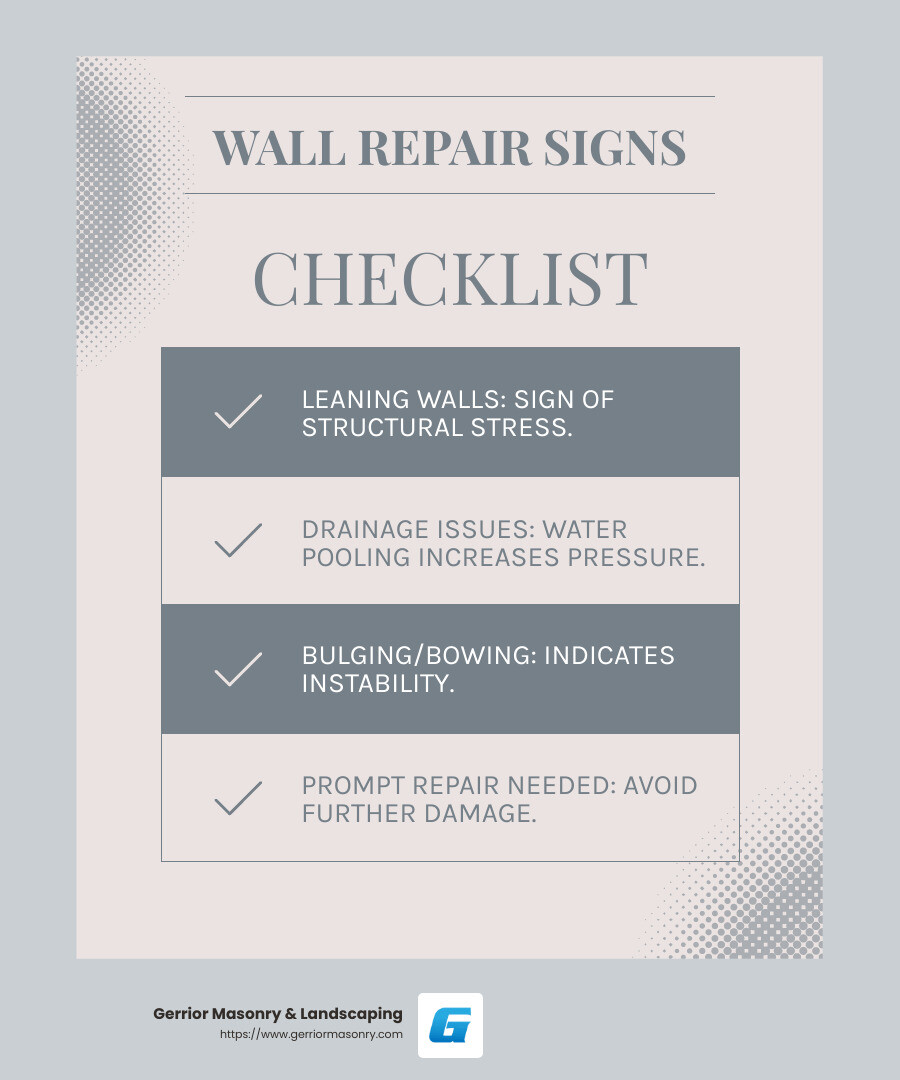
Leaning Walls
If your retaining wall is leaning, it’s a red flag. Leaning can happen due to poor construction or increased soil pressure over time. This is a sign that the wall is struggling to hold back the soil behind it. A leaning wall can eventually collapse if not addressed quickly.
Drainage Issues
Water is a retaining wall’s worst enemy. When water doesn’t drain properly, it builds up behind the wall, increasing pressure. This can lead to cracks or even cause the wall to fail. Look for signs like water pooling at the base or soil erosion around the wall. If you spot these, it’s time to call in a professional to check the drainage system.
Bulging or Bowing
Bulging or bowing is another sign of trouble. This occurs when parts of the wall push outward, often due to excessive soil pressure or poor construction. Bulging walls are unstable and can pose a safety risk. If you see any bulging, it’s crucial to get it inspected and repaired by experts.
These signs are not just cosmetic issues; they indicate that your retaining wall might not be doing its job. If you notice any of these problems, it’s time to search for retaining wall repair near me and get professional help. Addressing these issues early can save you from bigger headaches down the road.
Retaining Wall Repair Near Me
When your retaining wall starts showing signs of trouble, find reliable local services to handle the repairs. Searching for retaining wall repair near me can connect you with skilled professionals who understand the unique needs of your area.
Local Services
Choosing a local contractor for your retaining wall repair has several benefits. Local experts are familiar with the soil conditions and climate in your area, which can significantly impact the repair process. They can provide custom solutions that address the specific challenges your wall faces. Companies like Gerrior Masonry & Landscaping have the local expertise needed to ensure your retaining wall is both functional and aesthetically pleasing.
Repair Costs
The cost of repairing a retaining wall can vary widely based on several factors. On average, you might expect to pay anywhere from a few hundred to several thousand dollars. The total cost depends on the extent of the damage, the materials used, and the complexity of the repair. For instance, a simple crack repair might be less expensive, while reinforcing a leaning wall could be more costly due to the need for additional support, like tiebacks or anchors.
Professional Help
Hiring a professional is crucial for retaining wall repairs. Experts have the experience to assess the problem accurately and implement effective solutions. They can also ensure that the repair meets local building codes and safety standards. Attempting a DIY fix might save money upfront but can lead to more significant issues if not done correctly. Trusting professionals ensures that your retaining wall remains sturdy and safe for years to come.
By choosing the right local service, you can address retaining wall issues effectively and avoid future problems. Keep these considerations in mind when searching for retaining wall repair near me to ensure you find the best help for your needs.
Top Repair Solutions for Retaining Walls
Retaining walls are crucial for preventing erosion and ensuring structural stability. However, they sometimes need repairs to continue doing their job effectively. Here are some top solutions to consider:
Tiebacks
Tiebacks are a common solution for walls that are leaning or bowing. These are steel rods anchored into the soil behind the wall. They provide extra support and pull the wall back into place. Installing tiebacks can be a bit complex, as it involves drilling into the ground and securing the rods properly. However, it’s highly effective for stabilizing walls that are under significant pressure from soil.
Drainage Improvement
Poor drainage is a frequent cause of retaining wall failure. When water accumulates behind the wall, it increases pressure and can lead to bowing or collapse. Improving drainage is often necessary to prevent these issues. This can involve installing drain pipes or weep holes to allow water to escape. In some cases, adding gravel or a drainage mat behind the wall can help direct water away. Proper drainage solutions not only fix current problems but also prevent future damage.
Adhesive or Mortar
Cracks and loose blocks in a retaining wall can often be addressed with adhesive or mortar. These materials help bond the blocks together, restoring the wall’s integrity. Using high-quality adhesive or mortar is crucial for a long-lasting repair. This solution is generally more straightforward and cost-effective for minor issues, like small cracks or slightly loose stones. However, ensure that the underlying cause, such as drainage or soil pressure, is also addressed to prevent recurring problems.
These repair solutions can help maintain the strength and appearance of your retaining wall. For the best results, consider consulting with a professional who can assess your specific situation and recommend the most suitable approach.
Frequently Asked Questions about Retaining Wall Repair
How do you repair a damaged retaining wall?
Repairing a damaged retaining wall often involves addressing loose blocks, adjusting the level angle, and ensuring proper backfill. Loose blocks can be re-secured using high-quality adhesive or mortar. This helps in restoring the wall’s stability and prevents further movement.
To fix a wall that’s leaning or uneven, professionals may adjust the level angle by reinforcing the base or using tiebacks. Proper backfill is essential to support the wall and should include materials like gravel to facilitate drainage and reduce pressure on the wall.
How much does it cost to repair a leaning retaining wall?
The average cost to repair a leaning retaining wall varies depending on the project scope and the methods used. For minor repairs, like fixing loose blocks or small cracks, costs can be relatively low. However, if the wall requires more extensive work, such as installing tiebacks or improving drainage, expenses can increase significantly.
On average, homeowners might spend anywhere from a few hundred to several thousand dollars. It’s essential to get multiple quotes from local professionals to understand the specific costs for your situation.
Does homeowners insurance cover retaining wall collapse?
When it comes to insurance, coverage for retaining wall collapse can be tricky. Many policies have exclusions that don’t cover structural issues like wall collapse, especially if it’s due to poor maintenance or construction flaws. However, if the damage is sudden and accidental, such as from a natural disaster, there might be some coverage available.
It’s crucial to review your policy details or consult with your insurance provider to understand what is covered. If repairs are needed, you may have to decide between repair or replacement based on the extent of the damage and the coverage available.
Conclusion
At Gerrior Masonry & Landscaping, we take retaining wall repairs seriously. With over 30 years of experience in masonry and hardscaping, we know the importance of a well-maintained retaining wall. Our skilled team is dedicated to delivering high-quality results, ensuring your walls are both functional and beautiful.
When you choose us, you’re not just hiring any contractor. Our team is led by experts who oversee every project, guaranteeing that even the smallest details are handled with care. We use top-notch materials and proven techniques to make sure your retaining wall stands strong against soil pressure and erosion.
If you’re searching for “retaining wall repair near me,” look no further. Our local expertise means we understand the unique challenges of the Woburn, MA area. We tailor our solutions to fit your specific needs, whether it’s reinforcing a leaning wall or improving drainage systems.
Ready to give your retaining wall the attention it deserves? Visit our Landscape Design & Installation page to learn more about how we can help transform your outdoor space. Trust Gerrior Masonry & Landscaping for a seamless and satisfying experience from start to finish.