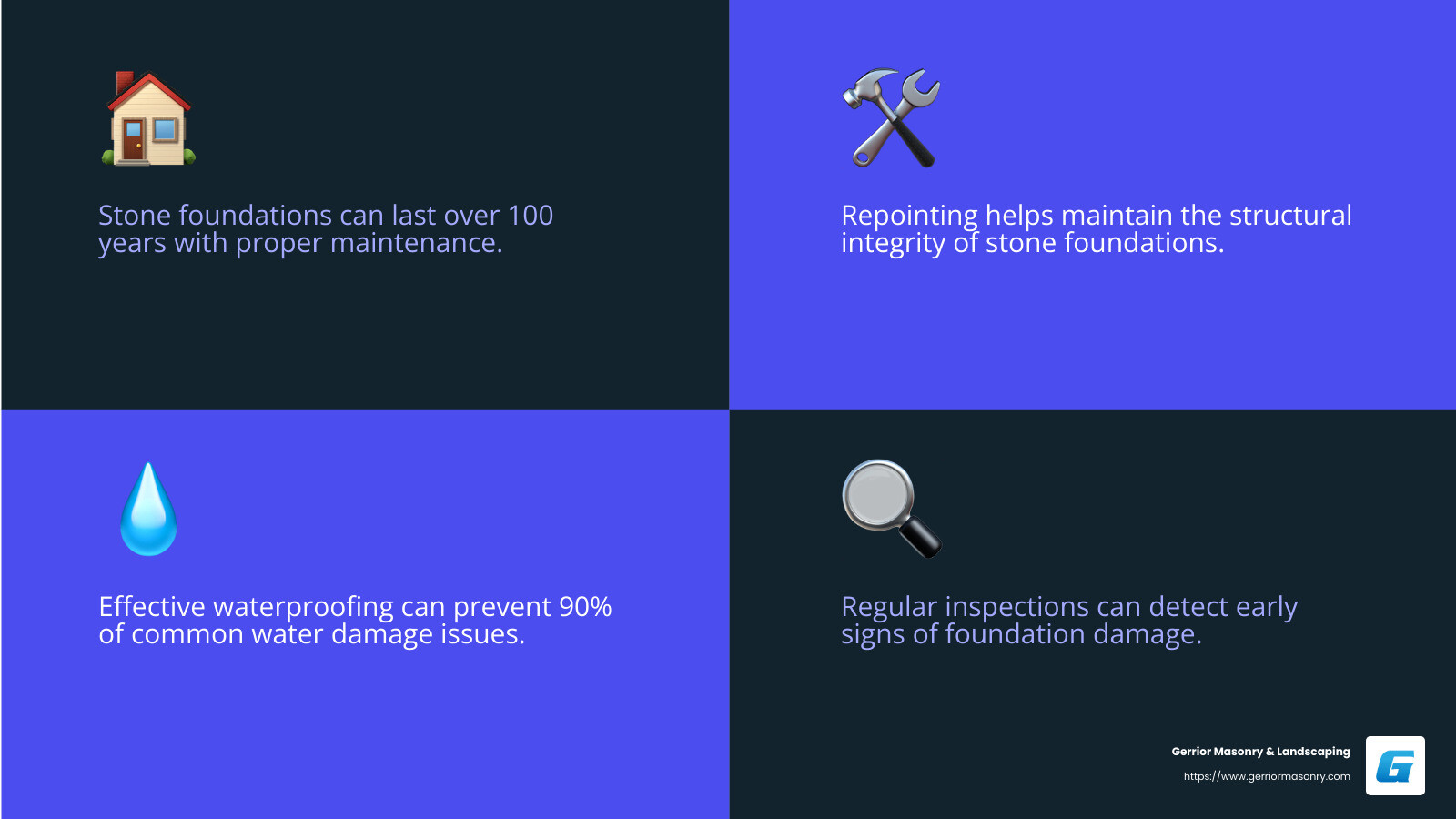
Stone Foundation Repair: Top 2024 Expert Tips

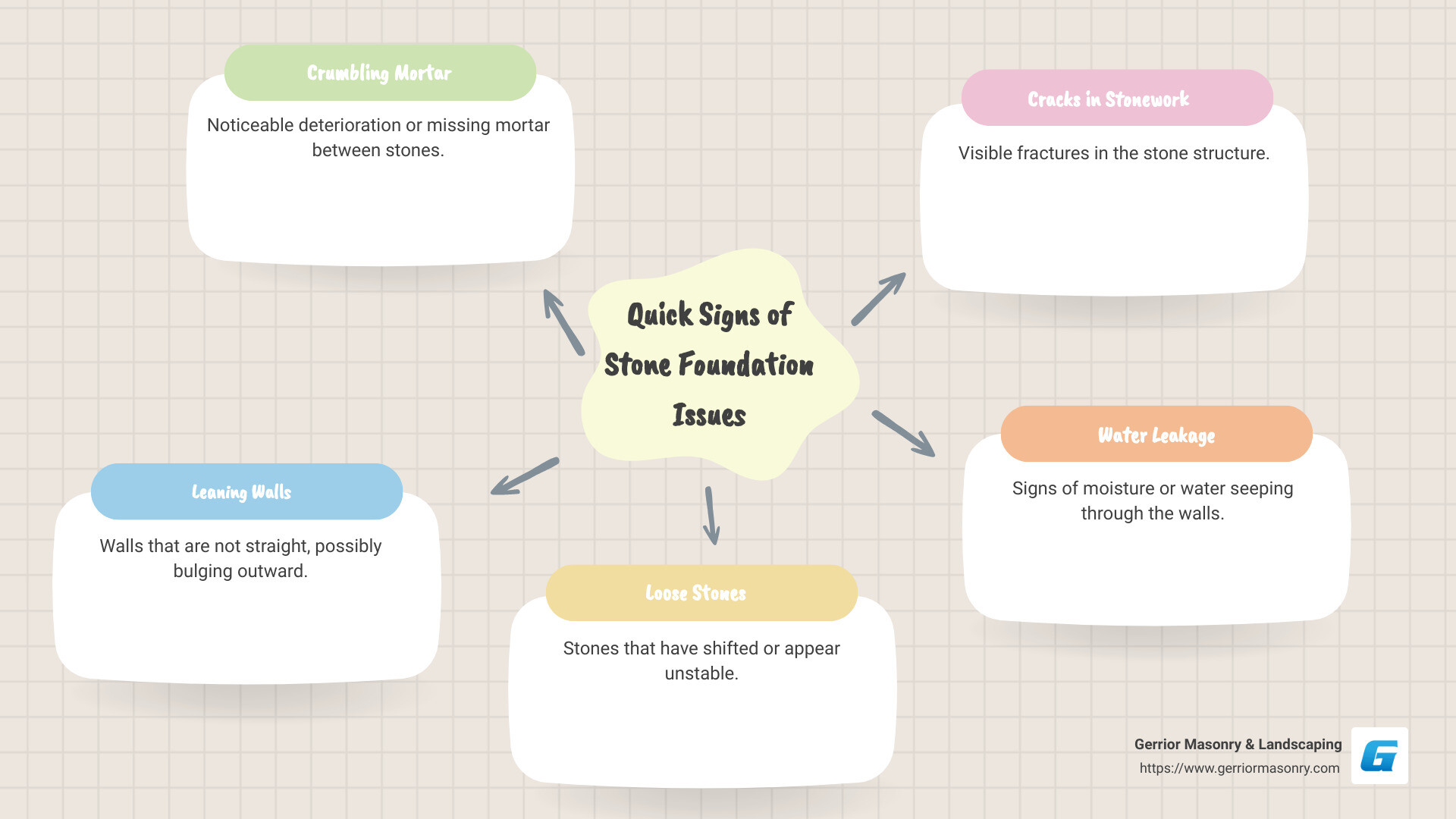
Stone Foundation Repair is crucial for preserving the beauty and structural integrity of historic homes in Massachusetts. If you’re looking to maintain or fix your stone foundation, here are the quick signs you should look out for:
- Crumbling or missing mortar
- Leaning or bulging walls
- Loose or displaced stones
- Cracks in the stonework
- Water leaking through the walls
Caring for stone foundations requires a thoughtful approach, as these are the very bones of our homes, offering support and durability through generations. If ignored, minor issues can escalate, compromising the structure and safety of the entire building.
I’m Joe Gerrior, owner of Gerrior Masonry & Landscaping. With over 34 years of experience, my team and I specialize in Stone Foundation Repair to ensure your home remains safe, beautiful, and historically authentic. Let’s explore understanding the nuances of these repairs to prolong your home’s legacy.
Quick look at Stone Foundation Repair:
– Stone Foundation
– how to repair mortar rock wall
– rock wall basement
Understanding Stone Foundation Repair
Why Lime Mortar?
Lime mortar plays a critical role in Stone Foundation Repair, especially for historic homes. Unlike modern Portland cement, lime mortar acts as a sacrificial layer. This means it’s designed to be the first to wear away, protecting the stones themselves from damage.
Why is this important? Well, water always finds the path of least resistance. When using dense modern mortars, water can be forced to travel through the stones, causing spalling and structural issues. Lime mortar, however, allows moisture to evaporate properly, preventing these problems and supporting the long-term health of your foundation.
Moreover, lime mortar is more compatible with the materials used in older structures. It expands and contracts with temperature changes, reducing the risk of cracks and gaps. This makes it an excellent choice for maintaining the historic integrity of your home.
Signs Your Foundation Needs Repair
When it comes to Stone Foundation Repair, early detection is key. Here are some signs that your foundation might need attention:
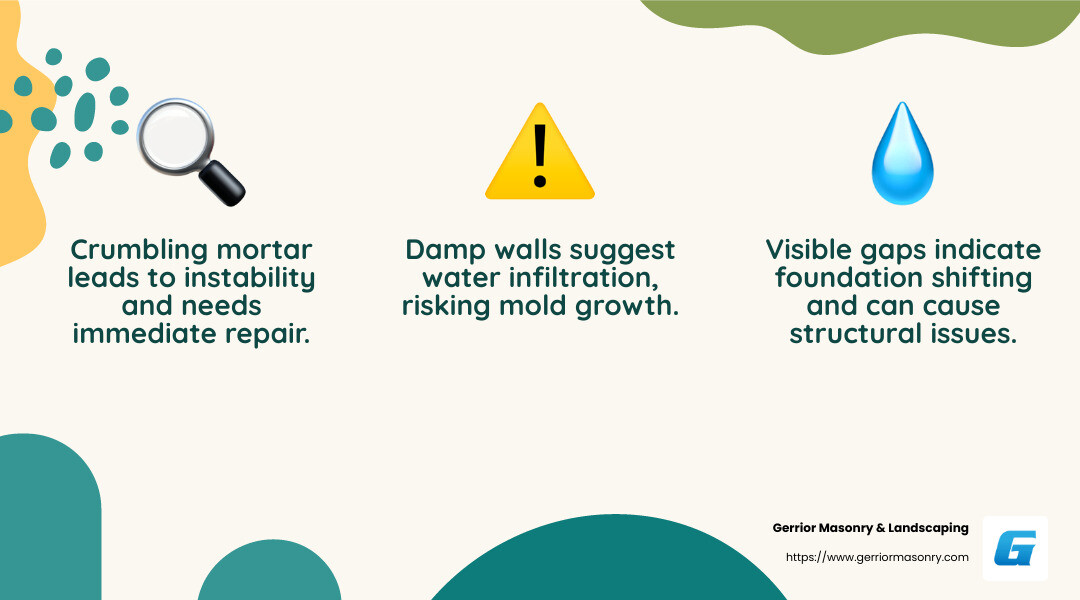
- Crumbling Mortar: If you notice the mortar between stones is falling apart or missing, it’s time to act. This can lead to instability and further damage if left unattended.
- Visible Gaps: Gaps between stones can indicate that the foundation is shifting. This can compromise the structural integrity of your home.
- Damp Walls: Moisture on your basement walls or a musty smell can be a sign of water infiltration. This not only affects the foundation but can also lead to mold growth and other issues.
By addressing these signs promptly, you can prevent minor issues from becoming major repairs. Regular inspections and maintenance are crucial for the longevity of your stone foundation.
In the next section, we’ll guide you through the step-by-step process of repointing, ensuring your foundation remains strong and stable for years to come.
Step-by-Step Guide to Repointing
Repointing a stone foundation is a meticulous process that requires the right tools and careful preparation. Let’s break it down step by step.
Tools and Materials Needed
Before you begin, gather the necessary tools and materials. Here’s what you’ll need:
- Masonry Hammer: Essential for chipping away old mortar.
- Pointed Trowel: Used for applying and smoothing new mortar.
- Type S Masonry Mortar: Known for its strength and durability, perfect for stone foundations.
- Safety Gear: Safety glasses and a dust mask to protect against debris.
- Soft-Bristle Brush: For cleaning out joints after removing old mortar.
- Water and Plant Mister: To keep the area damp and reduce dust.
- Bonding Agent: Helps the new mortar adhere better to existing surfaces.
Repointing Process
Once you have your tools and materials ready, follow these steps to repoint your stone foundation effectively:
- Preparation: Start by inspecting the foundation. Identify areas where the mortar is crumbling or missing. Make sure to clear the area of any loose debris.
- Remove Old Mortar: Use the masonry hammer and pointed trowel to carefully chip away at the old mortar. Aim to remove at least 2 inches of deteriorated mortar from between the stones. Be cautious not to damage the stones themselves.
- Clean the Joints: After removing the old mortar, use the soft-bristle brush to sweep out dust and small particles. This ensures the new mortar will bond properly.
- Mix the Mortar: On a mixing tarp, combine Type S masonry mortar with a bonding agent and a bit of water. Mix until you achieve a consistent texture.
- Apply New Mortar: Using the pointed trowel, scoop fresh mortar and press it firmly into the joints. Fill the gaps completely, ensuring there are no air pockets. For larger gaps, you might need to insert small stones for additional support.
- Smooth the Finish: Let the mortar set for about an hour. Then, lightly mist it with water and use the trowel to smooth the surface, making it flush with the stones.
By following these steps, you can ensure a strong and visually appealing finish that will protect your stone foundation for years. Working in small sections and being patient is key to a successful repointing project.
In the next section, we’ll discuss waterproofing techniques to further protect your stone foundation from water infiltration.
Waterproofing Stone Foundations
When it comes to maintaining the structural integrity of stone foundations, waterproofing is crucial. Water infiltration can lead to severe damage, causing mortar to crumble and stones to shift. Let’s explore effective techniques to keep your stone foundation dry and robust.
Techniques for Waterproofing
1. Hydraulic Cement
Hydraulic cement is a go-to solution for sealing cracks and preventing water ingress. It’s a fast-setting material that expands as it cures, ensuring a tight seal in voids and gaps. This makes it ideal for patching holes in stone foundations where water might seep through.
2. Parge Coating
Parge coating involves applying a thin layer of mortar to the exterior of the foundation. This technique not only improves the appearance of the stonework but also acts as a barrier against moisture. The parge coat fills small gaps and provides a smooth surface that repels water.
3. Drainage Membrane
A drainage membrane is a highly effective method for managing water flow around your foundation. These membranes are designed to channel water away, preventing it from pooling against the stone. They are typically installed on the exterior of the foundation, directing water into a drainage system.
4. Proper Drainage Systems
Ensuring proper drainage around your home is vital. This includes installing gutters and downspouts to divert rainwater away from the foundation. Additionally, grading the landscape so that it slopes away from the house helps prevent water accumulation near the foundation walls.
By employing these waterproofing techniques, you can significantly reduce the risk of water damage to your stone foundation. Each method plays a role in keeping moisture at bay, and when combined, they form a comprehensive defense system.
In the following section, we will address frequently asked questions about Stone Foundation Repair, including whether you can tackle these repairs yourself.
Frequently Asked Questions about Stone Foundation Repair
Can stone foundations be repaired?
Absolutely, stone foundations can be repaired. The most common method is repointing, which involves removing old, deteriorated mortar and replacing it with fresh mortar. This process not only restores the aesthetic appeal of your foundation but also prevents further structural damage. Repointing is essential for maintaining the integrity of your home, especially in older buildings where mortar has crumbled over time.
How much does it cost to repoint a stone foundation?
The cost to repoint a stone foundation varies based on several factors. On average, homeowners can expect to pay between $5 and $25 per square foot. Factors affecting the cost include the extent of damage, the type of mortar used, and the complexity of the job. For instance, projects involving intricate stonework or difficult access may incur higher labor costs. Additionally, if extensive repairs are needed before repointing, this can further increase the overall expense.
Can you repoint a stone foundation yourself?
While it’s possible to repoint a stone foundation yourself, it’s not always recommended. Repointing requires specific tools and skills to ensure a durable and aesthetically pleasing result. If you’re considering a DIY approach, it’s crucial to conduct a thorough inspection to assess the damage accurately. That improper repointing can lead to further issues down the line, such as moisture infiltration or structural instability.
If you decide to tackle this as a DIY task, make sure to gather all necessary materials, such as a masonry hammer, pointed trowel, and Type S masonry mortar. However, for those without masonry experience, hiring a professional can save time and ensure high-quality results. Regular maintenance and inspections are key to prolonging the life of your stone foundation, whether you choose to repoint it yourself or hire an expert.
In the next section, we’ll conclude our discussion on Stone Foundation Repair and highlight the benefits of choosing Gerrior Masonry & Landscaping for your project.
Conclusion
When it comes to Stone Foundation Repair, choosing the right team can make all the difference. At Gerrior Masonry & Landscaping, we pride ourselves on delivering high-quality results that stand the test of time. Our skilled team brings over 30 years of experience to every project, ensuring that your stone foundation is not only repaired but restored to its original strength and beauty.
Why Choose Us?
- Expertise and Experience: Our team specializes in stone foundation repair, offering a deep understanding of the challenges and techniques needed to preserve these historic structures. We use state-of-the-art tools and methods to ensure that every repair is both effective and durable.
- Personalized Service: We believe in a hands-on approach, with owner oversight on all projects. This ensures that each repair is custom to the unique needs of your home, providing a personalized touch that sets us apart.
- Commitment to Quality: Our commitment to excellence means we never cut corners. From the initial assessment to the final touches, we focus on delivering results that not only meet but exceed your expectations.
- Comprehensive Solutions: Beyond repair, we offer a range of services to improve and maintain your stone foundation. Whether it’s repointing, waterproofing, or ongoing maintenance, we provide comprehensive solutions to keep your foundation in peak condition.
- Local Presence: Based near Woburn, MA, we are proud to serve a wide range of locations, ensuring that our expertise is accessible to homeowners throughout the region.
Choosing Gerrior Masonry & Landscaping means investing in the longevity and integrity of your home. Our skilled team is ready to tackle any challenge, ensuring that your stone foundation remains a strong and beautiful part of your home for years to come.
For more information on how to maintain and care for your hardscaping and masonry features, visit our service page.