Why a Dry Basement Matters: Understanding the Basics
Basement Waterproofing near me is the process of preventing water from entering your basement. It’s crucial for protecting your home’s foundation, preventing mold, and creating safe, usable living space. A wet basement is more than an inconvenience; it’s a threat to your home’s structural integrity and your family’s health, leading to wood rot, foundation damage, and decreased property value.
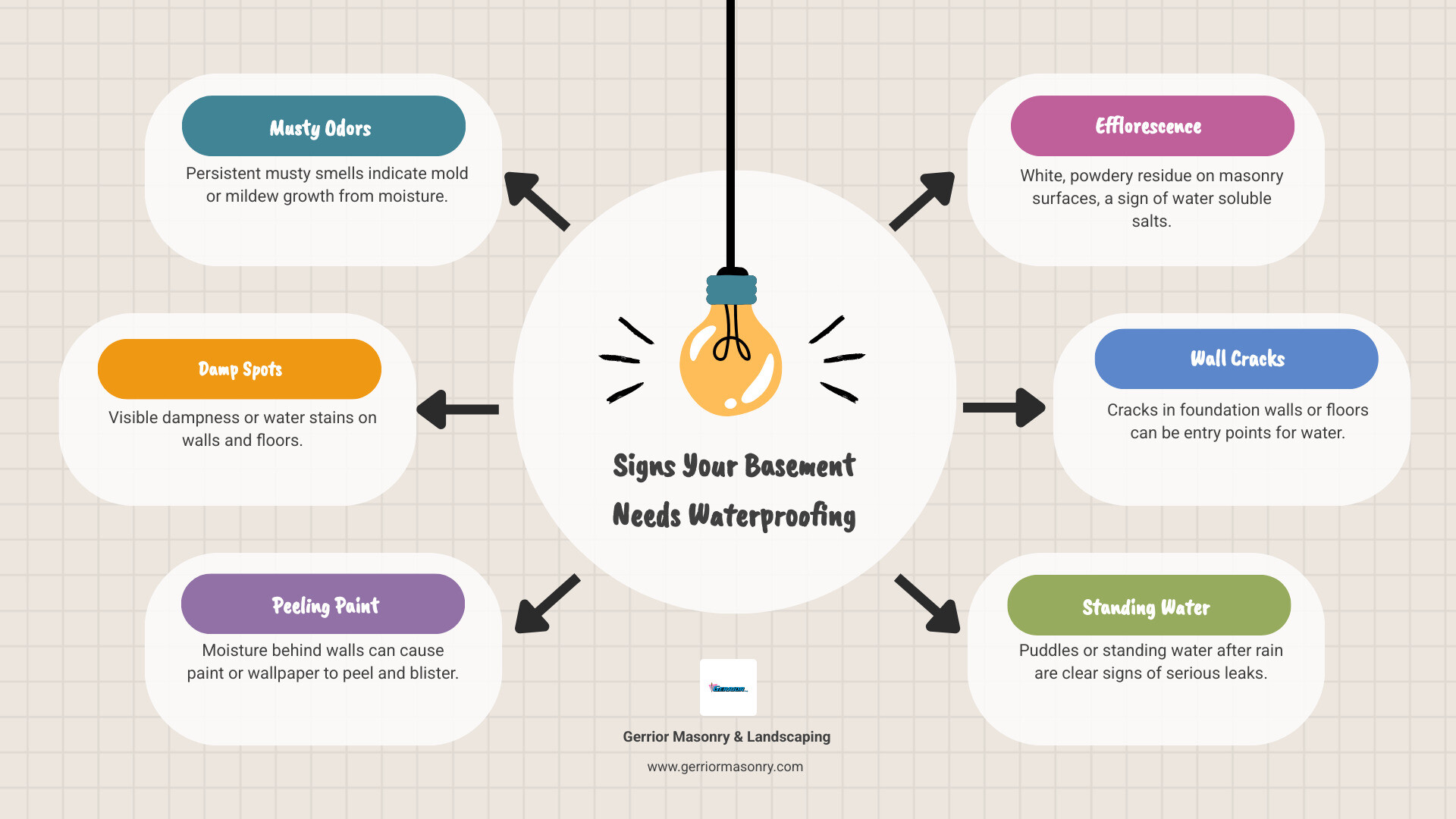
Common signs your basement needs waterproofing:
- Musty odors or visible mold
- Damp spots or water stains on walls
- Peeling paint or wallpaper
- White powdery residue (efflorescence)
- Cracks in foundation walls or floors
- Standing water after rain
Solutions range from simple drainage improvements to comprehensive interior and exterior systems. I’m Joe Gerrior, owner of Gerrior Masonry & Landscape Construction Corp. For over 34 years, we’ve helped Massachusetts homeowners protect their properties with expert Basement Waterproofing, foundation repairs, and drainage solutions. This guide will help you understand your options.
Basement Waterproofing glossary:
A Homeowner’s Guide to Basement Waterproofing Solutions
Dealing with a wet basement can be overwhelming. Understanding the common causes and effective solutions is the first step to protecting your home.
Common Causes and Proactive Prevention
Water enters basements through the path of least resistance. Common causes include:
- Hydrostatic Pressure: Water in saturated soil pushes against your foundation, forcing its way through cracks and porous concrete.
- Foundation Cracks: Settling or improper curing can create cracks that act as direct entry points for water.
- Poor Yard Grading: If your yard slopes toward your house, it funnels water directly to your foundation.
- Clogged Gutters & Downspouts: Overflowing gutters or short downspouts dump water right next to your foundation, saturating the soil.
- Window Well Leaks: Poorly drained window wells can fill with water and leak into the basement.
- Failed Weeping Tiles: Damaged or clogged perimeter drains fail to divert groundwater, increasing pressure on your walls.
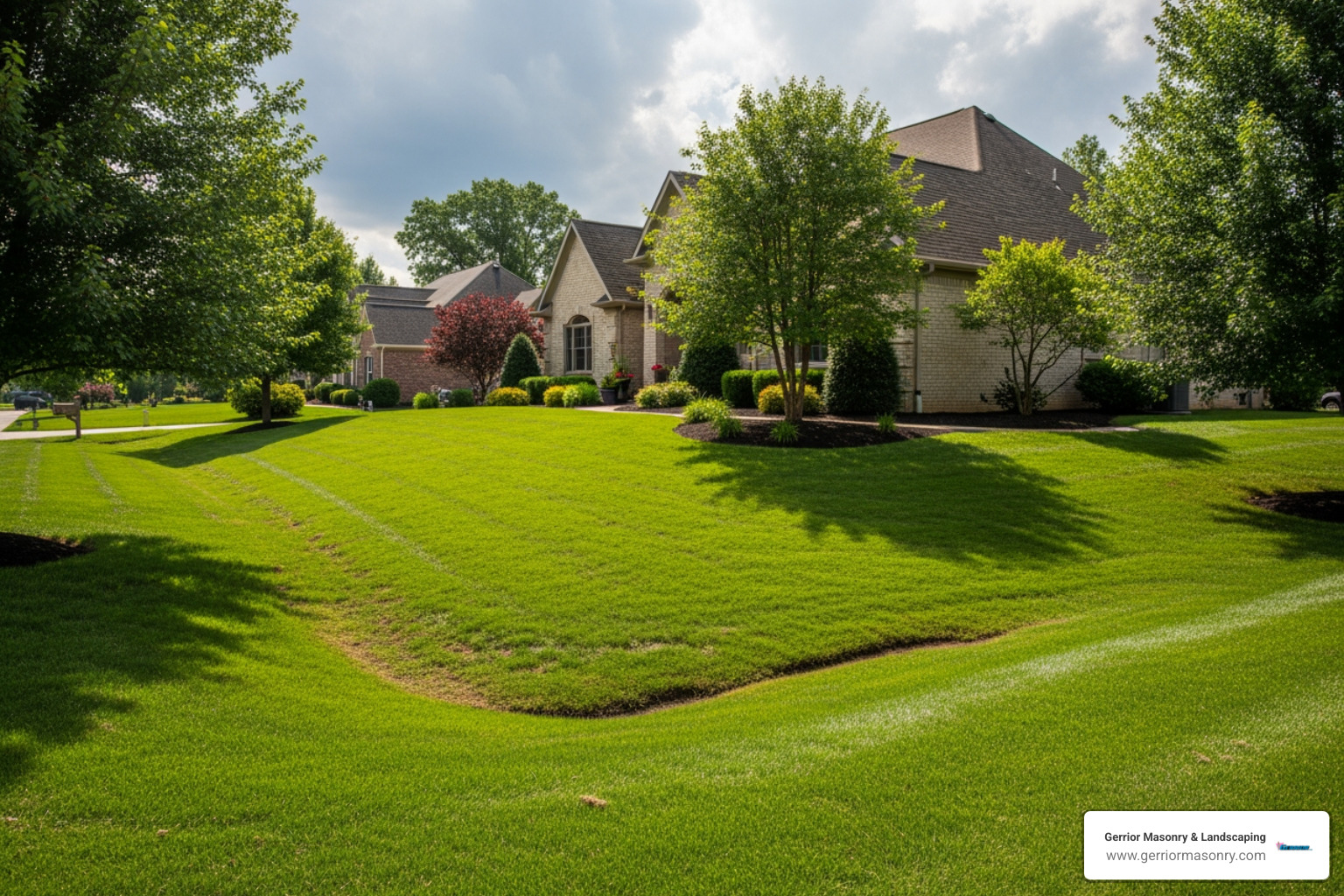
Proactive prevention is your first line of defense. Ensure your yard is graded to slope away from the foundation (at least six inches over 10 feet). Keep gutters clean and extend downspouts at least 15 feet away from the house. For properties with significant slopes, professionally installed drainage systems like swales can redirect water flow effectively.
Interior Basement Waterproofing: Managing Water from the Inside
When exterior prevention isn’t enough, interior solutions manage water that has already entered your basement. While exterior waterproofing prevents water from reaching the foundation, interior methods collect and remove it.
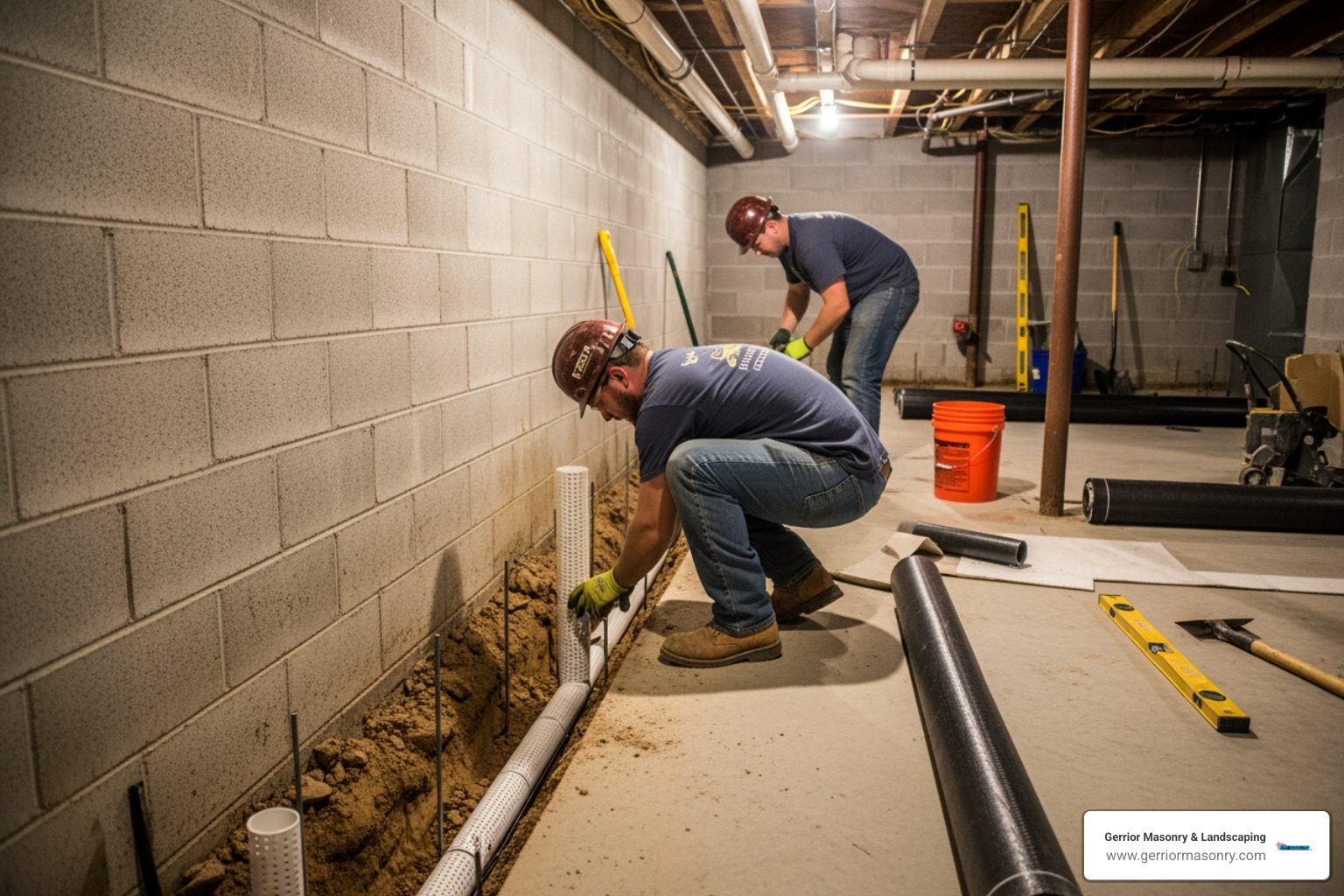
- Interior Drainage Systems & Sump Pumps: An interior French drain (perforated pipe under the floor) collects water and channels it to a sump pit. A sump pump then automatically pumps the water out and away from your home. Sump pumps can be submersible (quieter, more powerful) or pedestal (easier maintenance). A battery backup pump is essential for protection during power outages.
- Waterproofing Paints & Vapor Barriers: Products like DRYLOK
e or plastic sheeting can help manage minor dampness and humidity. However, they are a temporary fix and do not address the root cause of water intrusion. They can trap moisture against the foundation, potentially worsening structural issues or mold growth over time. - Foundation Crack Injections: For cracks in poured concrete, this is a highly effective solution. Polyurethane is injected into the crack, where it expands to create a flexible, watertight seal. For structural issues, epoxy injections are used to mend the crack and restore strength. Learn more about foundation repair here.
Exterior Waterproofing: Stopping Water at the Source
Exterior waterproofing is the most comprehensive and effective method because it stops water before it can even touch your foundation walls. The process is intensive, involving excavation of the soil around the entire foundation perimeter, down to the footing. Once exposed, the foundation walls are thoroughly cleaned to remove all dirt and old coatings. Any cracks or damage are then repaired to create a smooth, solid surface.
Next, a waterproof membrane, typically a seamless, polymer-based liquid that cures into a rubber-like barrier, is applied. This membrane is impenetrable to water. For added protection and drainage, a dimpled drainage mat is installed over the membrane. This creates an air gap, allowing any moisture to drain down freely to the new exterior French drain (weeping tile) installed at the base of the footing.
This pipe collects the groundwater and diverts it away from the foundation, often to a storm sewer or a dry well. Finally, the excavated area is carefully backfilled with gravel and soil, and the ground is graded away from the house. While it is the most expensive option, this method is the only one recognized by the U.S. International Building Code (IBC) as adequate to prevent structural damage from water, offering the highest level of long-term protection.
The Cost and Longevity of Waterproofing Solutions
Costs vary widely based on the method, home size, and severity of the problem. The ranges below are average estimates based on internet data only and are not actual prices for Gerrior Masonry & Landscape Construction services. Always request a customized quote for your specific project.
- Crack Injections: About $600–$5,000+ per crack, depending on size, access, and whether structural repairs are needed.
- Sump Pump Installation: About $800–$6,000+ depending on pump type, pit construction, discharge routing, and backup system.
- Interior Drainage System: About $2,500–$20,000+ based on basement size, system design, and discharge setup.
- Exterior Waterproofing: About $8,000–$40,000+ depending on excavation depth, access, soil conditions, and foundation size.
Note: All cost ranges shown are broad averages sourced from general internet data and are not specific quotes or pricing for Gerrior Masonry & Landscape Construction services.
Longevity also varies. DIY sealants may only last 1–5 years. Professionally installed interior drainage systems can last 10–25 years with regular sump pump maintenance. Comprehensive exterior waterproofing is the most durable solution, often lasting 20–50 years or more, protecting your home for decades. Regular maintenance, such as cleaning gutters and ensuring proper grading, is essential for all systems.
Making the Right Choice for Your Home’s Future
Choosing the right Basement Waterproofing solution is an investment in your home’s health and value. It’s important to know when a DIY approach is sufficient and when to call a professional.
DIY vs. Hiring a Professional: When to Call the Experts
Some minor tasks can be handled by homeowners, but most water issues require professional expertise for a lasting solution.
Suitable DIY Tasks:
- Cleaning gutters and extending downspouts.
- Improving minor yard grading issues.
- Applying waterproof paint for minor dampness (as a temporary measure).
When to Call a Professional:
- For any significant water intrusion or flooding.
- To repair foundation cracks (especially structural ones).
- To install interior drainage systems and sump pumps.
- For any exterior waterproofing involving excavation.
- If you have persistent musty odors or mold.
Attempting complex repairs yourself can worsen the problem, cause structural damage, and lead to higher costs later. A professional contractor like Gerrior Masonry & Landscaping provides an accurate diagnosis, uses quality materials, and offers warranties for their work. When in doubt, find a waterproofing professional to ensure the job is done right.
The Long-Term Value of a Dry Basement
Investing in professional Basement Waterproofing offers significant returns. It increases your home’s value, as buyers are wary of water issues—basement flooding may put a damper on your home sale. It also improves indoor air quality by eliminating the damp conditions where mold and mildew thrive, protecting your family’s health. A dry basement provides peace of mind, knowing your home is protected from water damage.
To help maintain a dry environment, consider using a dehumidifier to keep humidity below 50%, ensure proper ventilation, and promptly fix any leaky pipes.
At Gerrior Masonry & Landscape Construction, we have dedicated over three decades to providing expert Basement Waterproofing solutions. Our owner oversees every project, ensuring our skilled team delivers exceptional results that stand the test of time.
Gerrior Masonry & Landscape Construction is based in Woburn, MA, and proudly serves communities throughout Middlesex and Essex County, Massachusetts.
Contact us for a consultation today, and let us help you find the right Basement Waterproofing solution for your home.