
Natural Stone Garden Wall: Goals Achieved 2025
The Timeless Appeal of Stone in Your Garden
A natural stone garden wall is a sophisticated landscape feature that combines beauty with practical function. Whether you’re creating retaining walls, defining garden boundaries, or adding seating areas, natural stone offers durability and aesthetic appeal that improves your property’s value for decades.
Popular Natural Stone Garden Wall Design Ideas:
- Retaining walls – Manage slopes and prevent soil erosion
- Seating walls – Create built-in benches with stone caps
- Border walls – Define garden beds and outdoor rooms
- Terraced walls – Transform sloped areas into usable garden space
- Decorative walls – Add focal points and visual interest
Natural stone walls have been used for centuries. As one landscape designer noted, “Stone walls speak to us of endurance” and serve as “anchors of a garden” that ground us while providing structure and natural beauty.
The appeal of natural stone lies in its versatility—from rustic fieldstone that blends with woodland gardens to neat limestone that creates warm, inviting atmospheres. Each stone type offers unique characteristics, allowing you to match your wall to your home’s architecture and landscape style.
I’m Joe Gerrior, owner of Gerrior Masonry & Landscape Construction Corp. With over 34 years of experience in Massachusetts, my team and I create stunning natural stone garden wall installations. Our expertise in masonry and landscape design ensures every project combines durability with exceptional aesthetic appeal.
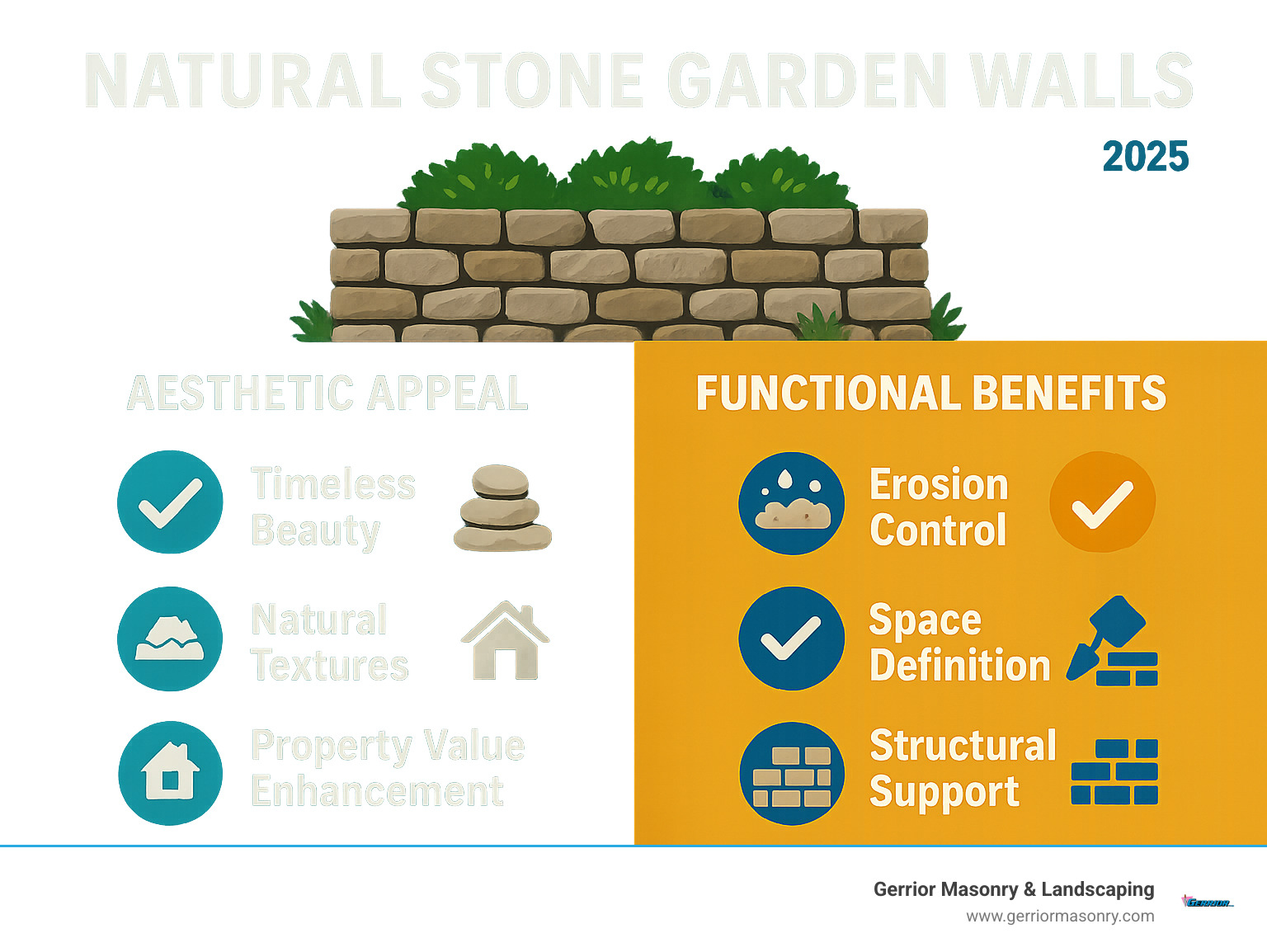
Simple natural stone garden wall word guide:
Why Natural Stone is the Premier Choice for Your Garden Wall
When planning a garden wall, natural stone is the premier choice. With over 30 years in the business, I can attest that it’s about creating something that will outlast us all while looking stunning.
What makes natural stone so special? Every stone is completely unique in color, texture, and character. This means your natural stone garden wall becomes a one-of-a-kind masterpiece that no manufactured material can match. Natural stone is also incredibly eco-friendly, coming straight from the earth with minimal processing. It integrates seamlessly with your existing landscape, looking as if it was always meant to be there.
The advantages of using natural stone for your hardscaping project go far beyond looks. This material has proven itself over centuries, offering a perfect combination of timeless beauty and practical function. When we build landscape walls with natural stone, we’re creating something that will age gracefully, developing a beautiful patina that improves with time while other materials fade or crack.
The Best Durability and Lifespan
Natural stone is practically indestructible. Unlike wood that rots or metal that rusts, a properly built natural stone garden wall withstands harsh weather, frost cycles, and summer sun. I’ve seen stone walls built before my grandfather was born that are still doing their job perfectly. That’s the kind of permanence you get with natural stone.
The weather resistance is particularly impressive here in Massachusetts. Our freeze-thaw cycles can be brutal, but natural stone handles them without the cracking and shifting that plagues other materials. This durability means minimal need for repairs. While some minor stone masonry repairs might be needed after 50 years, it’s nothing compared to the constant maintenance other materials require.
Aesthetic Versatility and Natural Beauty
The beauty of natural stone is that it works with any style, from rustic charm to modern elegance. The wide range of colors, textures, and shapes means we can create the exact look you’re dreaming of.
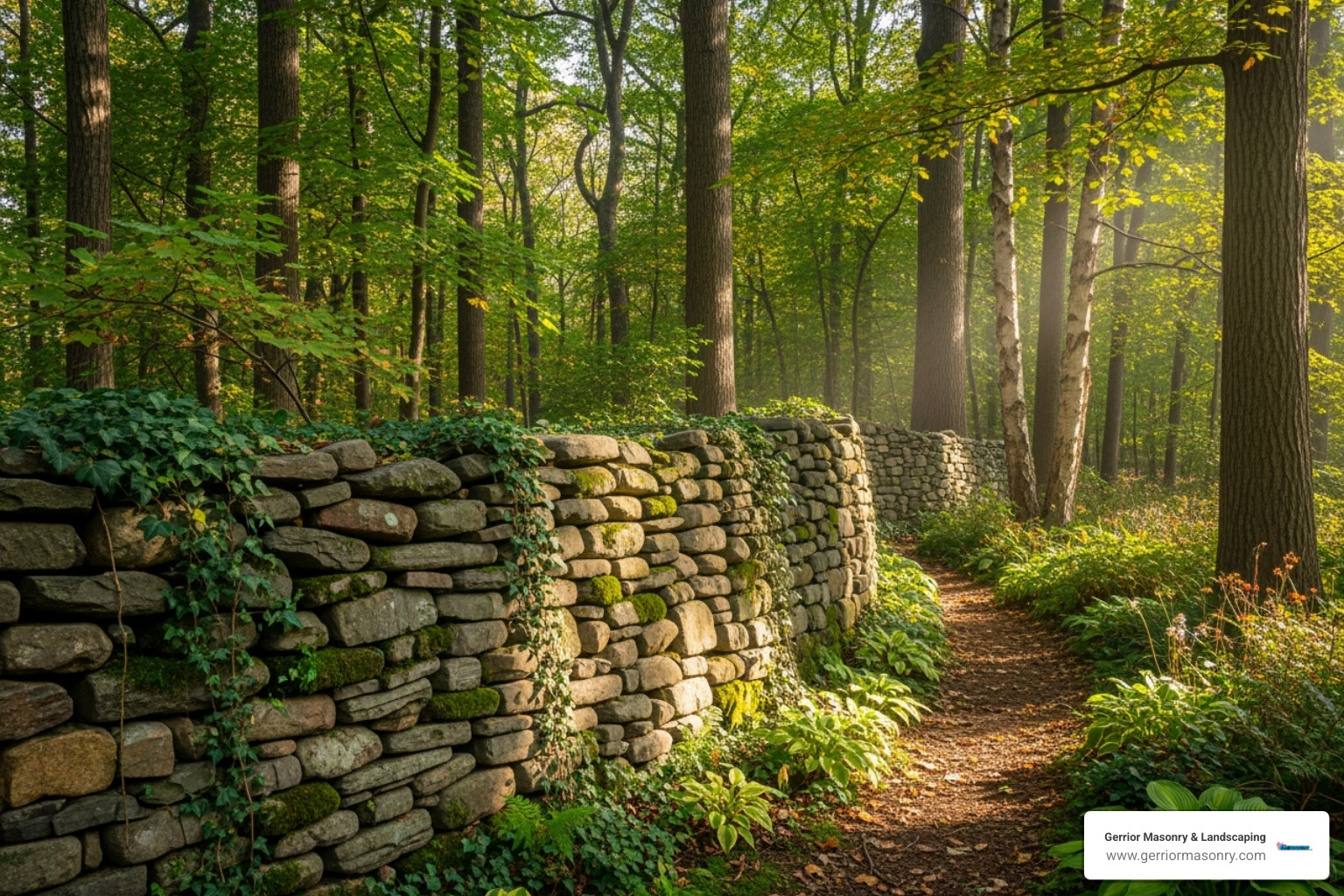
Take fieldstone, for example. Its weathered, irregular shapes and earthy tones create a rustic, natural look. Or consider granite with its speckled surface—it brings a sense of strength and permanence perfect for formal landscapes.
What I love most is how natural stone ages gracefully. It develops character, grows moss, and becomes part of the landscape in a way manufactured materials never can. The aesthetic versatility is incredible. We can create decorative stone walls as focal points or subtle borders that define spaces. Each stone tells a story, creating a wall that’s both functional and artistic. Natural stone also complements any architectural style, from colonial homes to ultra-modern designs. It’s nature’s universal design element.
Exploring Popular Stone Types for Garden Walls
When building a natural stone garden wall, your choice of stone is the foundation of your outdoor aesthetic. It’s a selection that will last for generations and become more beautiful with age. Each stone has its own personality, from neat to rustic. The key is matching the right stone to your vision.
Common stone types for garden walls include:
- Fieldstone – For a rustic, “always been here” look
- Granite – The champion of durability
- Limestone – For soft elegance that ages well
- Sandstone – Warm earth tones with natural layers
- Slate – Sleek and sophisticated with rich colors
- Quartzite – Combines beauty with incredible hardness
Let me walk you through the most popular choices we use at Gerrior Masonry.
Fieldstone: For a Rustic, Natural Look
Fieldstone offers the rustic charm of old New England walls that seem to have grown from the earth itself. Sourced locally from Massachusetts fields and woods, it gives your wall an authentic regional character. Its weathered appearance and irregular shapes come from being shaped by glaciers and streams over countless seasons. The earthy tones—soft grays, warm browns, and subtle reds—blend seamlessly with any garden, making it ideal for informal, cottage-style gardens. I often recommend fieldstone for rock wall landscaping projects where you want nature to take center stage.
Granite: For Strength and a Classic Finish
When clients ask for the strongest natural stone garden wall, I point them to granite. This stone is the marathon runner of the masonry world—it just keeps going. Granite is extremely durable, one of the hardest natural stones available. Its distinctive speckled appearance comes from interlocking mineral crystals, creating a sophisticated texture. The color options are varied, from classic gray shades to striking pinks or dramatic blacks. Granite resists weathering and stains, so your wall will look crisp and clean for decades. This versatility makes granite suitable for both formal and modern designs.
Limestone: For a Softer, Neat Appearance
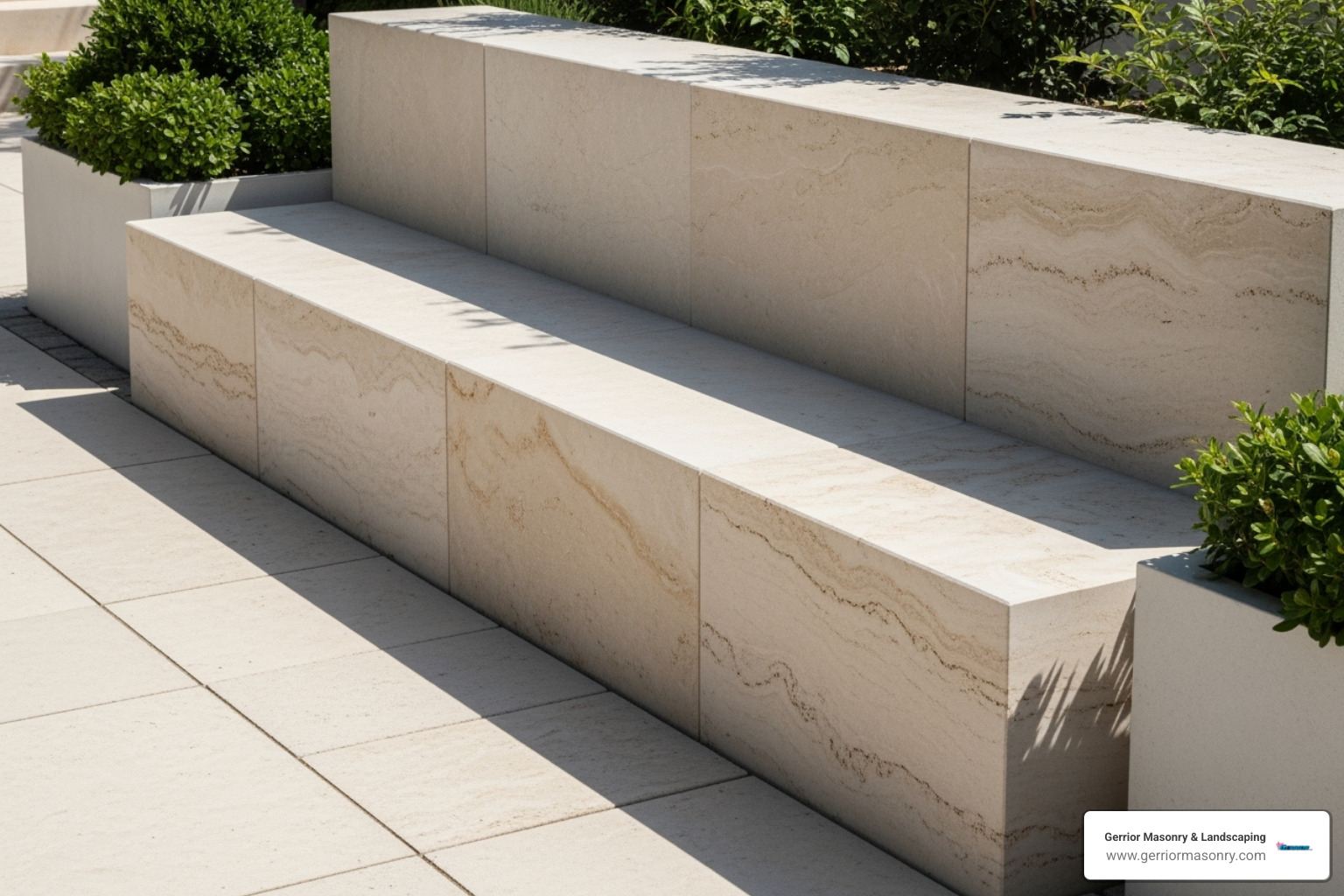
For homeowners who want elegance without the drama, limestone is a perfect choice. This stone has a gentle, welcoming quality that makes any garden feel like a peaceful retreat. Limestone comes in beautiful creamy, tan, and gray hues that create a warm, inviting atmosphere. It offers a softer, more uniform look compared to rugged fieldstone or sparkling granite. Because it’s easy to shape, we can create clean lines, smooth curves, and intricate details. It’s particularly wonderful for seating walls where a comfortable surface is desired. The subtle variations in limestone’s color and texture add visual interest without overwhelming your garden. You can learn more about limestone characteristics to understand why it has been treasured for centuries.
Inspiring Design and Functional Uses
A natural stone garden wall is more than a barrier; it’s a versatile design element that marries function with form. These walls define spaces, create levels on sloped terrain, and add visual interest to make your outdoor space memorable. With natural stone, hardscaping ideas offer endless creative possibilities, from cozy garden rooms to impressive terraced areas.
Key Design Elements for Your Natural Stone Garden Wall
Creating the perfect natural stone garden wall involves several design elements. The wall height and length are crucial; a low wall can gently separate a garden bed, while a taller wall can provide privacy or retaining support. The choice between straight versus curved lines also impacts its character. Straight walls offer a formal, structured look, while curved walls create a softer, more organic feel that establishes a natural flow.
Integrated features can transform your wall. Built-in steps provide access between levels, while integrated seating creates comfortable gathering spots. Capping stones protect the wall and provide a polished look. For a charming touch, plant pockets in dry-stacked walls can house low-growing plants like sedums, helping the wall blend into the garden. Our expertise in stone wall design ideas ensures every detail contributes to a beautiful outdoor space.
Functional Walls: Retaining and Terracing
A natural stone garden wall is essential for managing slopes and preventing soil erosion. Retaining walls hold back soil, creating flat, usable garden areas on uneven terrain. We specialize in natural stone retaining walls that are both structurally sound and beautiful, turning challenging slopes into multi-level landscapes. These walls are perfect for creating terraced garden beds, which maximizes planting space, improves drainage, and prevents runoff. Our landscape wall projects show how natural stone can solve topographical challenges while enhancing your property’s beauty.
Decorative Walls: Seating, Borders, and Focal Points
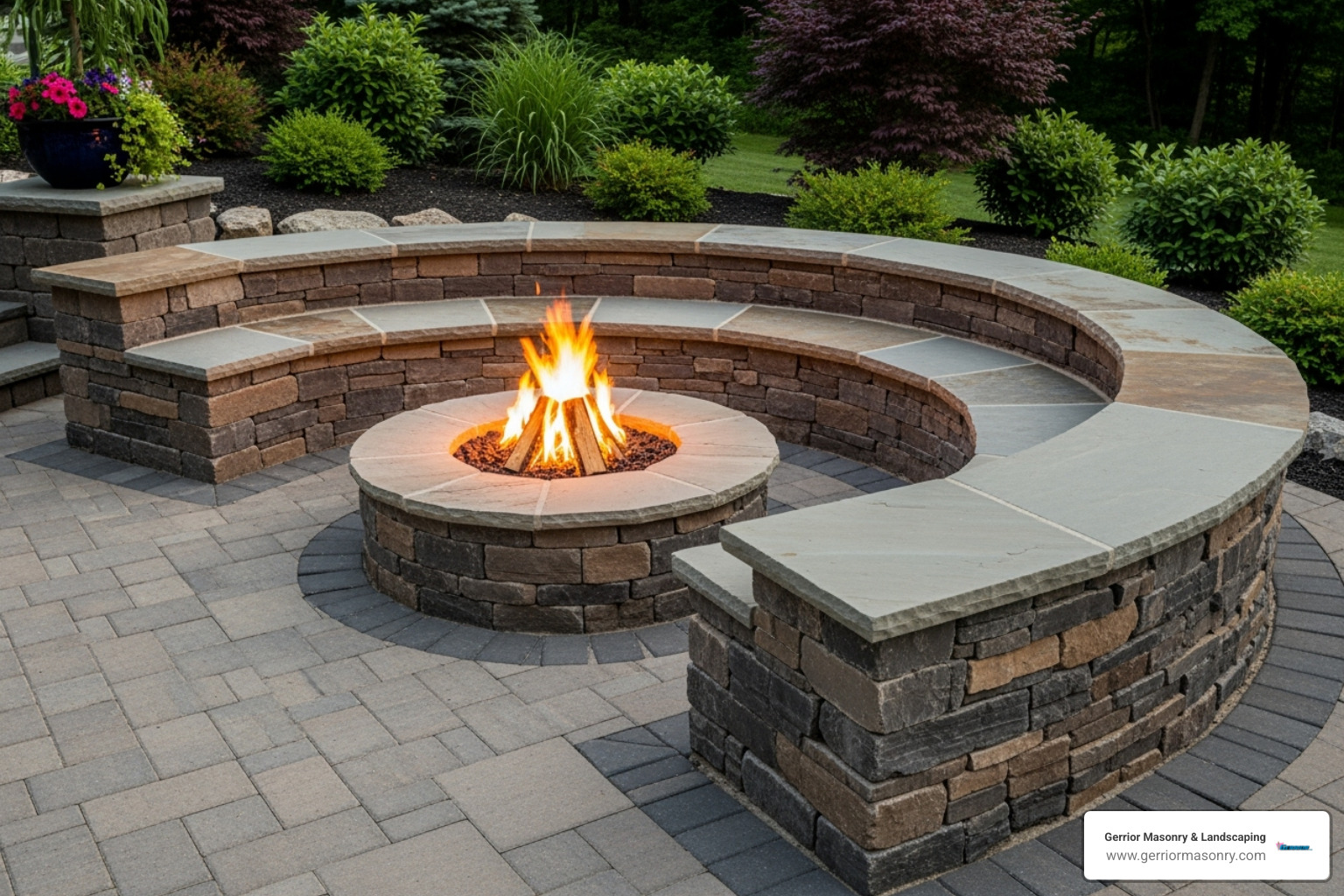
Beyond their functional roles, natural stone garden walls shine as decorative elements. A low, curved stone wall can serve as built-in seating around a fire pit, creating a cozy, durable gathering spot. Stone walls also work wonderfully for defining garden beds, and our stone garden edging installation services provide structure with timeless elegance. Strategically placed decorative walls can serve as stunning focal points, adding architectural interest and creating distinct outdoor rooms, such as a secluded seating area that improves your patio backyard design.
Construction and Maintenance Essentials
Building a natural stone garden wall that lasts requires a proper foundation and drainage. A solid foundation prevents the wall from shifting or settling over time. Proper drainage is equally crucial, especially for retaining walls, to prevent hydrostatic pressure from pushing the wall out of place. This is why professional installation is essential. When searching for retaining wall builders near me, you need experts who understand these complexities.
Choosing the Right Construction for Your Natural Stone Garden Wall
For your natural stone garden wall, there are two main construction approaches: dry stack and mortared. Each has unique benefits.
Dry-stack walls are built by carefully fitting stones together without any mortar. This traditional technique creates a natural, rustic appearance that looks like it has always been part of the landscape. A key advantage is flexibility; the wall can “breathe” and subtly shift with ground movement, making it resilient to frost heave. Dry-stack walls also provide excellent natural drainage through the gaps between stones, and you can even tuck small plants into the crevices. While dry stone garden walls are often used for lower features, a professionally built one is incredibly stable and can last for centuries.
Mortared walls use cement-based mortar to bind the stones into a solid, rigid structure. This method creates cleaner lines for more formal designs and allows for building higher, stronger walls. The mortar provides tremendous structural integrity, which is especially important for retaining walls holding back large amounts of soil. While mortared walls require integrated drainage solutions like gravel backfill and weep holes, this is a standard part of professional construction. As This Old House demonstrates, building with mortar is a craft that benefits from experienced hands.
Long-Term Care and Maintenance
A properly installed natural stone garden wall is one of the lowest-maintenance features in your landscape. These walls are built to endure for generations with minimal fuss.
For dry-stack walls, maintenance is simple. A periodic check for any shifted stones that need to be reset is usually all that’s required, and this is uncommon with a well-built wall. If a stone is dislodged, it’s typically easy to put back.
Mortared walls are even more set-and-forget. After many decades, the mortar joints may show wear and require “repointing”—replacing old mortar with fresh material. We handle this specialized task to ensure your brick and stone walls remain structurally sound for generations.
Beyond these checks, routine care is minimal. A periodic cleaning with a brush and water is usually sufficient. The stones themselves naturally resist pests, rot, and decay, so you can spend more time enjoying your wall than maintaining it.
Understanding the Cost and Value of a Natural Stone Garden Wall
Investing in a natural stone garden wall is a meaningful decision that improves your property’s value for years. A well-crafted stone wall improves curb appeal, creates functional outdoor spaces, and adds a timeless aesthetic that buyers love. The long-term value is significant; while the upfront cost may be higher than other materials, the durability and low maintenance of natural stone save you money over time.
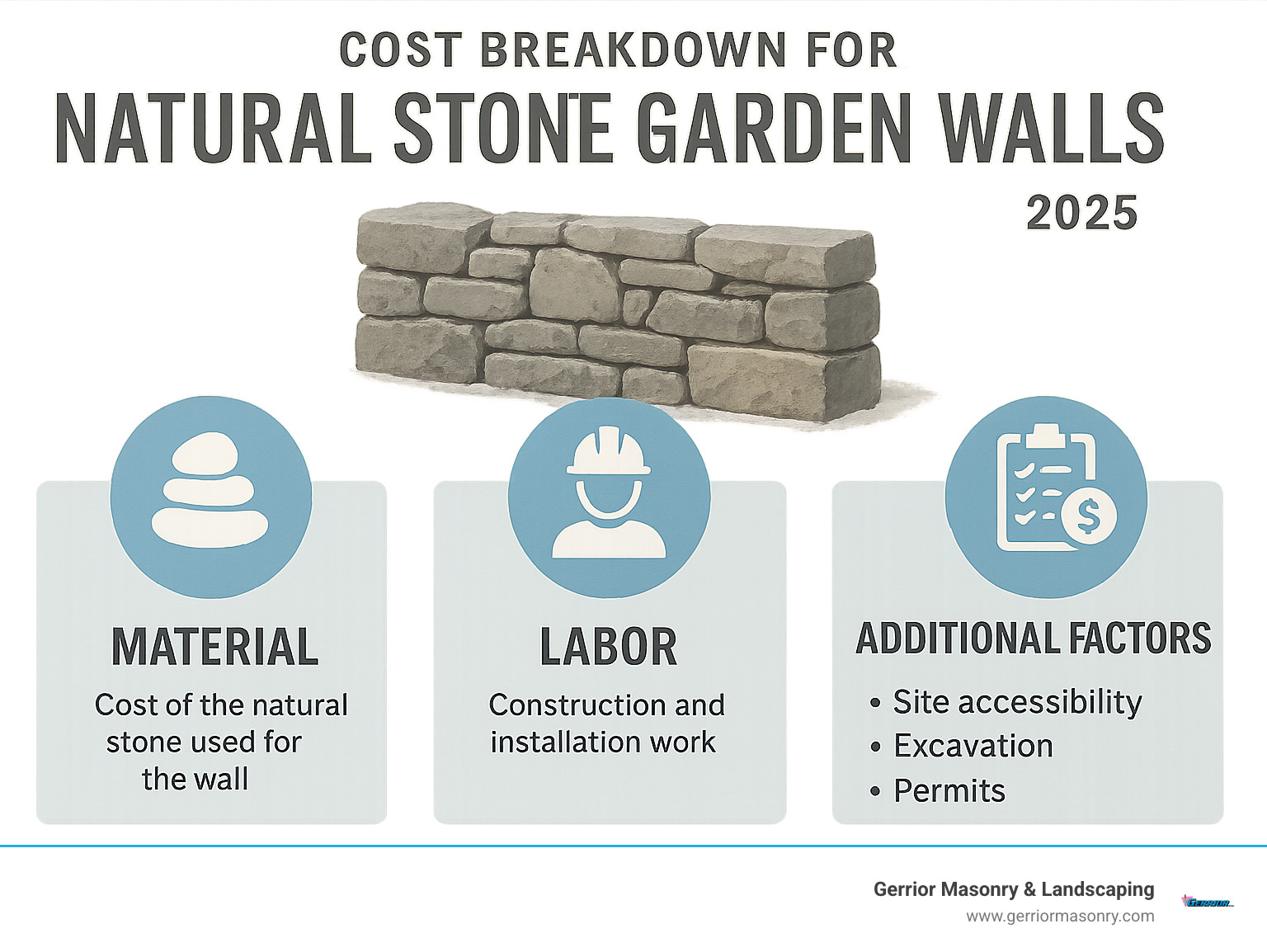
Several factors influence the project’s cost. The stone type is a major factor, as locally sourced fieldstone will cost less than premium granite. The wall size (height, length, and thickness) determines material and labor needs. Labor complexity also varies based on the design (dry stack vs. mortared, curves, integrated seating). Finally, site accessibility and the need for excavation services can affect the final price. For walls over 3-4 feet, permits are often required, adding to the cost.
What is the Typical Cost Range?
The investment for a natural stone garden wall varies widely. National averages for garden and retaining walls suggest most homeowners invest between $1,677 to $6,765, with a typical project costing around $3,370. Per linear foot, this often translates to $114 to $173. For premium projects with high-end stone or complex designs, costs can reach $261 per linear foot or more. Material costs for a 60-foot-long, 4- to 8-foot-tall wall might range from $2,360 to $3,965, with skilled labor adding $3,431 to $5,836. High-end custom projects can easily cost three times the average.
Please note: The price ranges discussed are national averages based on third-party data and do not represent a quote from Gerrior Masonry & Landscaping. Costs can vary significantly based on project specifics, with high-end projects costing 3x the average or more.
Walls over 3-4 feet in height typically require permits. This is why getting a detailed quote from an experienced masonry contractor like us, after a thorough site assessment, is crucial for accurate budgeting.
Sourcing Your Stone
The quality of your natural stone garden wall depends on the stone’s source. We have built strong relationships with local quarries, trusted landscape supply yards, and specialized masonry suppliers over our 30+ years in business. This network ensures we get the highest quality materials. Sourcing stone locally supports our economy, reduces transportation costs, and ensures the stone fits our New England climate. However, our supplier network allows us to source specific stone types from further away if your design requires it. Our expertise as a masonry contractor means we can guide you through the selection process, helping you make an informed choice that brings your vision to life.
Conclusion: Build a Lasting Legacy in Your Garden
Choosing a natural stone garden wall means creating more than a landscape feature; it’s an investment in a timeless addition that improves your property’s beauty and function for generations. While other materials fade or crack, a natural stone wall becomes more beautiful with age. It’s a permanent part of your landscape that serves practical purposes like managing erosion, creating usable spaces, and defining garden areas.
The key to achieving your garden goals is making thoughtful choices about stone type, design, and expert installation. Whether you envision a rustic fieldstone wall or a sophisticated granite retaining wall, the right approach makes all the difference. We’ve seen countless homeowners transform their outdoor spaces with stone walls, creating lasting investments in how they enjoy their property.
At Gerrior Masonry & Landscape Construction, we bring over 30 years of experience to every natural stone garden wall project. Our skilled team understands that proper installation is about creating structures that stand strong through decades of New England weather while maintaining their natural beauty.
For professional guidance and expert craftsmanship on your next project, consider our garden wall installation services. We’re here to help you build that lasting legacy in your garden.
Gerrior Masonry & Landscape Construction is based in Woburn, MA, and proudly serves the communities of Middlesex and Essex County, Massachusetts.
