
Outdoor Living Walls: Top Tips for Stunning Results
Outdoor living walls are becoming an increasingly popular way to transform ordinary spaces into lush, vibrant oases. These vertical gardens offer a unique blend of aesthetics and environmental benefits, enhancing both the beauty and functionality of your outdoor areas.
Here’s a quick glimpse at what makes them so appealing:
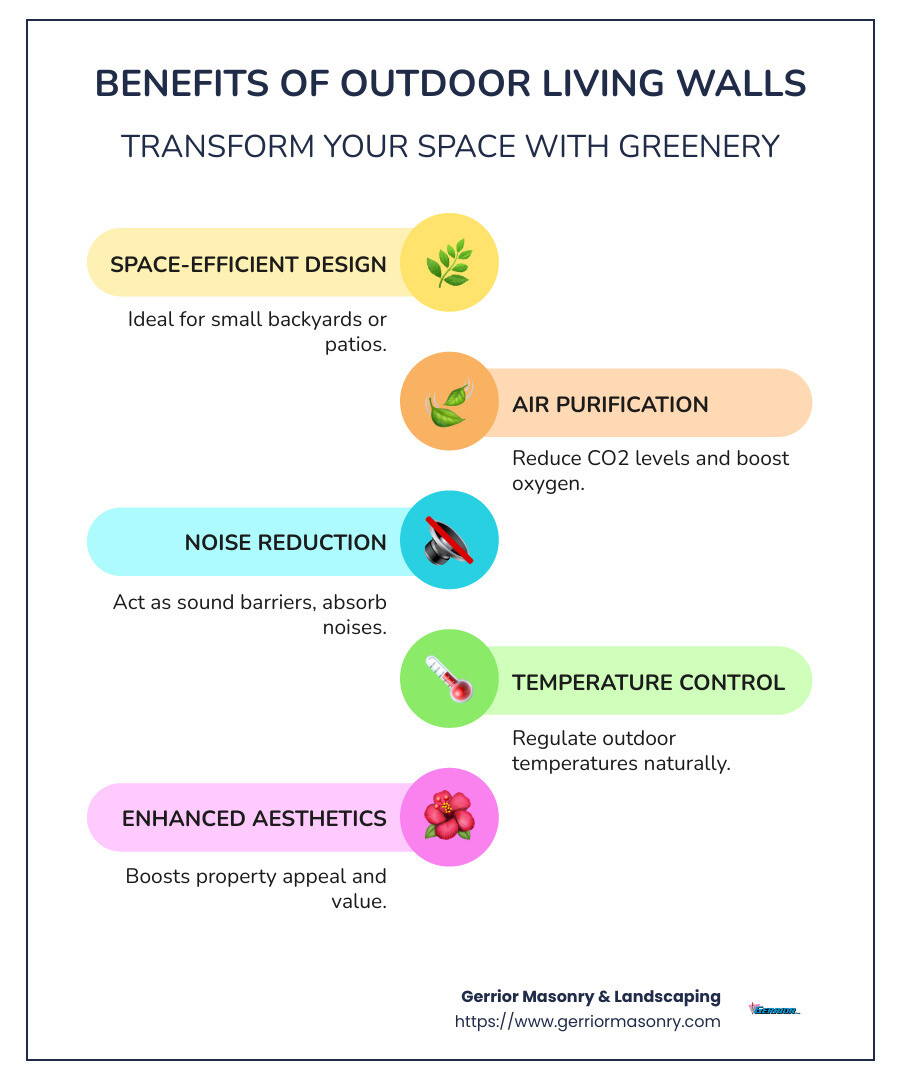
- Space-efficient Design: Perfect for small backyards or patios.
- Air Purification: Natural air filters that reduce CO2 and produce oxygen.
- Noise Reduction: Acts as a sound barrier, absorbing building noises.
- Temperature Control: Helps regulate outdoor temperatures naturally.
I’m Joe Gerrior, and with over 34 years in the industry, I’ve seen how outdoor living walls can transform a space. By integrating these walls, we at Gerrior Masonry & Landscaping bring nature closer to you, enhancing your property’s appeal and value.
Simple Outdoor living walls glossary:
– Decorative stone walls
– Garden wall installation
– Stone wall design ideas
Understanding Outdoor Living Walls
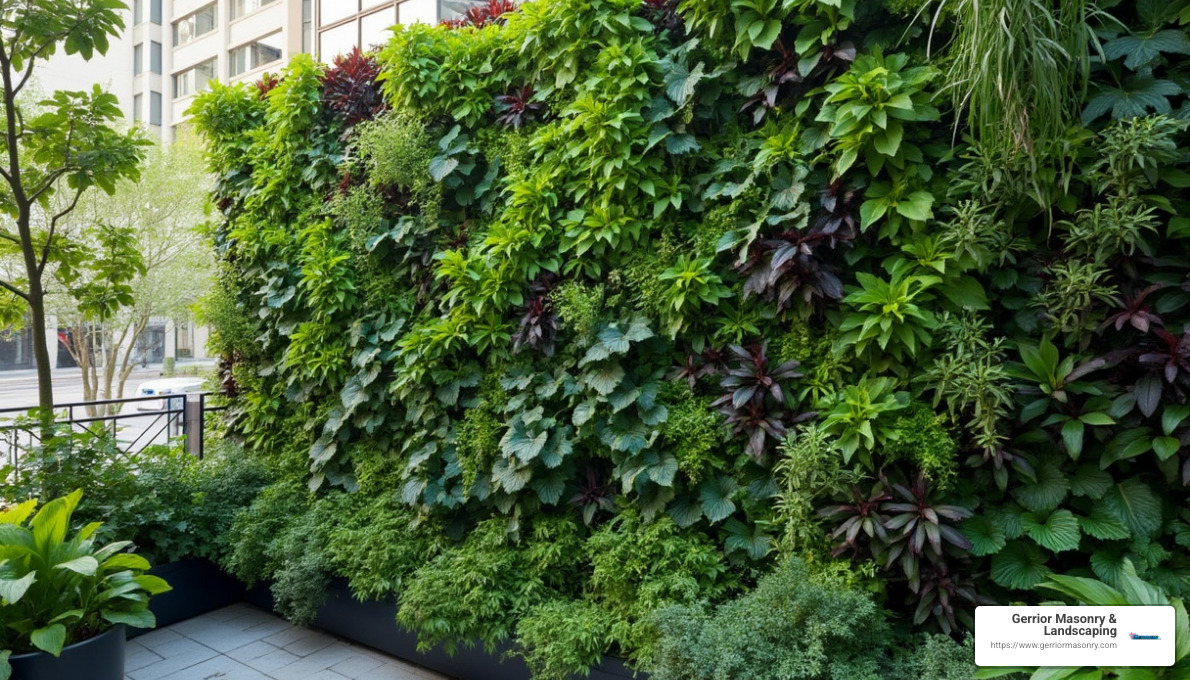
Living walls, also known as green walls, are vertical gardens that transform plain surfaces into dynamic, living landscapes. These structures can be adorned with a variety of plant life, from potted plants to climbing vines, offering both beauty and functionality to any space.
What Makes Up a Living Wall?
- Vertical Surfaces: Living walls use vertical space, making them perfect for areas with limited ground space. They can be installed on walls, fences, or standalone structures.
- Potted Plants: These plants are typically housed in individual containers or pockets that attach to the vertical surface. This allows for easy customization and maintenance.
- Climbing Plants: These plants grow upwards, attaching themselves to trellises or supports. They are ideal for creating a lush, green backdrop.
The Appeal of Outdoor Living Walls
Living walls are more than just a pretty addition to your garden. They offer several practical benefits:
- Aesthetic Appeal: They add a touch of nature to urban environments, creating a peaceful and inviting atmosphere.
- Environmental Benefits: These walls act as natural air purifiers, absorbing carbon dioxide and releasing oxygen. They also help in noise reduction, making your outdoor space more tranquil.
- Biodiversity: By incorporating a variety of plants, living walls support local wildlife, attracting pollinators like bees and butterflies.
Practical Considerations
When planning your living wall, consider the following:
- Plant Selection: Choose plants that are suitable for your climate and the specific conditions of your wall, such as sunlight and water availability.
- Irrigation: A well-designed irrigation system is crucial to ensure your plants thrive. Options include recirculating systems with tanks or direct irrigation systems that connect to an external water source.
- Structural Integrity: Ensure that the wall can support the weight of the plants and containers, especially when they are fully grown and saturated with water.
Living walls are a fantastic way to bring nature into your outdoor spaces. Whether you choose potted plants or climbing vines, these vertical gardens are sure to improve the beauty and functionality of your property.
Next, we’ll explore how to create your own outdoor living wall, from design to plant selection.
How to Create Your Own Outdoor Living Wall
Creating an outdoor living wall is a fun and rewarding project. Whether you want to add greenery to your patio or create a stunning focal point, here’s a simple guide to help you get started.
Designing Your Wall
Think about the space you have. Measure the area where you want your living wall. This will help you decide on the size and layout. Consider if you want a permanent structure or something that can be easily moved or changed.
Choose the right location. Ensure your wall gets enough sunlight. Eastern or southern exposures are usually ideal. That taller structures may face stronger winds, so consider using wind-resistant features if your wall is high up.
Spacing and Structure
Plan the spacing. Proper spacing between plants is crucial for healthy growth. Generally, placing planters 16 inches apart vertically is a good starting point. This allows plants to have enough room to grow and thrive.
Build the framework. You can lean a wooden frame against a wall or attach it directly if you prefer a permanent installation. Use weather-resistant materials like treated wood or metal to ensure durability.
Attaching Cups and Adding Dirt
Secure the planters. Use cups or pockets made from heavy-grade felt or UV-resistant materials. Attach them securely to your framework. This ensures they can hold the weight of the plants and soil.
Fill with soil. Use a high-quality potting mix suitable for your chosen plants. Consider adding water-storing crystals to help retain moisture, especially in hot climates.
Plant Selection
Choose the right plants. Select plants that match the sunlight and water conditions of your location. Drought-tolerant plants are a great choice for sunny spots. Consult with a local nursery for plant recommendations.
Watering Your Wall
Set up an irrigation system. A well-designed irrigation system is key. You can choose from spray nozzles or drip irrigation. Adjust the system to run longer for higher zones to compensate for evaporative loss.
Regular maintenance. Keep an eye on soil moisture levels, especially during dry spells. Regularly check and adjust your irrigation system to ensure all plants receive adequate water.
By following these steps, you’ll be well on your way to creating a beautiful and functional outdoor living wall. Next, let’s dig into the benefits of having an outdoor living wall and how it can improve your space.
Benefits of Outdoor Living Walls
Outdoor living walls aren’t just about looks—they offer a range of benefits that can improve your environment and well-being.
Air Purification
Plants are natural air purifiers. They absorb carbon dioxide and release oxygen, improving air quality. A living wall can absorb 2.3 kilograms of CO2 per year, making it a small but effective tool for reducing your carbon footprint.
Noise Reduction
Living walls can act as sound barriers. They absorb up to 41% of noise, creating a quieter, more peaceful environment. This is especially beneficial if you live near busy roads or noisy neighbors.
Temperature Regulation
Plants on a vertical wall help regulate temperature. They absorb sunlight, keeping spaces cooler in the summer. In winter, they can reduce energy loss, keeping your home warmer. This can lead to energy savings and increased comfort.
Biodiversity
By using a variety of plants, living walls support biodiversity. They provide habitats for insects and birds, contributing to a healthier ecosystem. This diversity can make your garden a lively and dynamic space.
Aesthetic Appeal
A well-designed living wall is a visual delight. It can transform a bland wall into a vibrant, green masterpiece. Whether you prefer a sleek modern look or a lush, wild appearance, the options are endless.
Incorporating an outdoor living wall into your space can bring these benefits and more. Next, we’ll discuss the challenges and maintenance aspects to consider for your living wall project.
Challenges and Maintenance of Outdoor Living Walls
Creating and maintaining outdoor living walls can be rewarding, but they come with their own set of challenges. Let’s explore some important aspects to consider.
Structural Integrity
One of the first things to consider is the structural integrity of your wall. Outdoor living walls can be heavy, especially when they’re wet. Ensure your wall or structure can support the weight. Using materials like architectural-quality planters, similar to those used for car bumpers, can provide durability and longevity.
Irrigation Systems
Irrigation is crucial for the survival of your living wall. An interruption in water flow can lead to plant failure. Ensure your system is operational and includes moisture sensors and flow meters. These tools help maintain constant moisture, which is vital for root establishment. In colder climates, it’s important to shut down the system when temperatures drop to +3°C and drain it completely to avoid damage.
Plant Selection
Choosing the right plants is key to a thriving wall. Select species that are hardy and suited to your climate. For instance, in northern cities like Chicago and Toronto, using evergreen groundcovers and compact shrubs can ensure year-round beauty. Work with local nurseries to find drought-tolerant plants that match your light and water conditions.
Winter Care
Winter can be tough on living walls. To protect your plants, consider covering the wall with burlap or fabric for insulation. Pruning dead foliage at the end of fall can also promote lush growth in the spring. If your wall includes perennials, check soil moisture during thaws to ensure it’s not too dry.
Wind Forces
Wind can be a significant challenge, especially for tall or exposed walls. To mitigate wind damage, design your wall with wind-resistant plants and secure them properly. Adding a protective barrier or windbreak can also reduce the impact of strong gusts.
Maintaining an outdoor living wall involves careful planning and regular upkeep. With attention to these challenges, your living wall can thrive and continue to improve your outdoor space.
Next, we’ll address some frequently asked questions about outdoor living walls.
Frequently Asked Questions about Outdoor Living Walls
How to make a living wall outdoors?
Building an outdoor living wall is an exciting project that can improve your space with greenery. Start by planning the design. Decide on the size and location of your wall, considering factors like sunlight and accessibility for maintenance.
Spacing is crucial. Ensure enough room between plants to allow for growth and airflow. This helps prevent diseases and allows plants to thrive.
Next, attach cups or planters to your wall. You can use felt pockets or modular planters, which are easy to install and maintain. Secure them firmly to ensure they can support the weight of the plants and soil.
Add dirt to your planters, ensuring it’s a suitable mix for your chosen plants. A well-draining soil mix is vital to prevent waterlogging and root rot.
Plant selection is key. Choose plants that match your climate and the wall’s sunlight exposure. For example, drought-tolerant plants are ideal for sunny spots, while shade-loving plants suit less sunny areas.
Finally, water your wall regularly. Ensure your irrigation system is set up correctly or commit to manual watering to keep plants healthy.
What is the difference between a green wall and a living wall?
The terms “green wall” and “living wall” are often used interchangeably, but there are some distinctions.
A green wall typically refers to a wall covered with climbing plants that grow directly on the surface or with the help of a supporting structure like a trellis. The plants attach themselves and eventually cover the entire wall.
On the other hand, a living wall involves a more structured setup. It uses potted plants or modular systems attached to vertical surfaces. These systems often include built-in irrigation and are designed to support a variety of plant types, including perennials, herbs, and even small shrubs.
Both types of walls bring greenery into vertical spaces, but living walls offer more diversity in plant selection and design options.
What are the disadvantages of green walls?
While green walls offer numerous benefits, they also come with some challenges.
Structural damage is a potential issue. The added weight of plants and soil can strain walls, especially if they’re not designed to support such loads. Regular inspections and using appropriate materials can mitigate this risk.
Maintenance is another consideration. Green walls require regular care, including watering, pruning, and replacing plants as needed. Without proper upkeep, plants can die, leading to unsightly patches.
Irrigation systems are essential for green walls. An unreliable system can cause plants to dry out or become waterlogged. Investing in a good irrigation system and monitoring it regularly is crucial for success.
Despite these challenges, with careful planning and maintenance, green walls can be a beautiful and beneficial addition to any outdoor space.
In the next section, we’ll conclude with how Gerrior Masonry & Landscaping can help you achieve high-quality results with your outdoor living walls.
Conclusion
Creating an outdoor living wall not only improves the aesthetic appeal of your space but also provides environmental benefits like air purification and temperature regulation. At Gerrior Masonry & Landscaping, we understand the intricacies involved in designing and maintaining these beautiful vertical gardens.
Our skilled team brings over 30 years of experience to every project, ensuring high-quality results. From planning the layout to selecting the right plants and installing efficient irrigation systems, we oversee each step with precision and care. Our commitment to excellence guarantees that your living wall will thrive, even in challenging conditions.
Whether you’re looking to add a touch of greenery to a small patio or transform an entire exterior wall, we are here to help. Our expertise in masonry and landscaping means we can integrate your living wall seamlessly with other elements of your outdoor space, such as patios, walkways, and landscape walls.
Interested in changing your space with an outdoor living wall? Contact us today to learn more about our services and how we can bring your vision to life.
