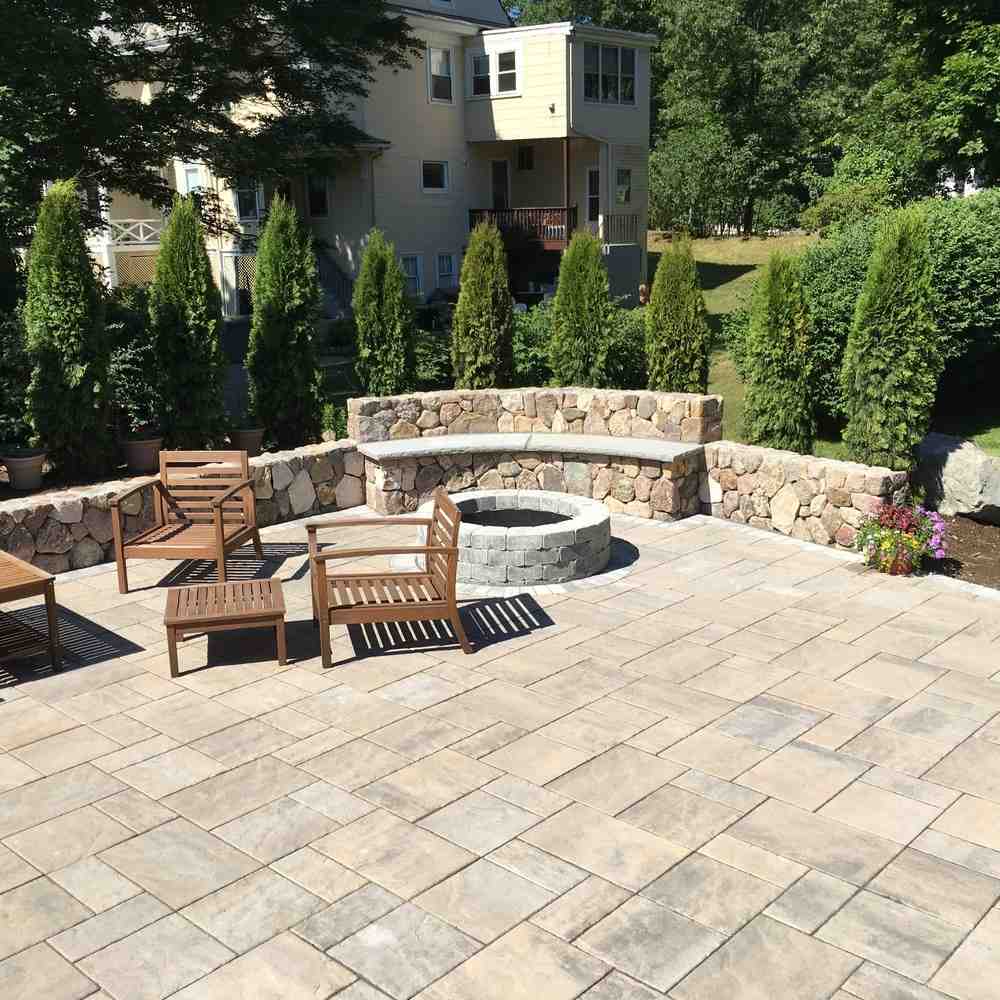
Why Patio Design and Installation Transforms Your Home’s Outdoor Space
Patio design and installation is one of the most impactful upgrades you can make to your home. In today’s real estate market, outdoor living spaces are no longer just a luxury; they are a necessity for homeowners looking to maximize their property’s footprint. A well-built patio extends your living space, boosts property value, and gives you a place to relax, entertain, and enjoy the outdoors year-round. Whether you are hosting a summer barbecue or enjoying a quiet autumn evening by a fire pit, the right design makes all the difference.
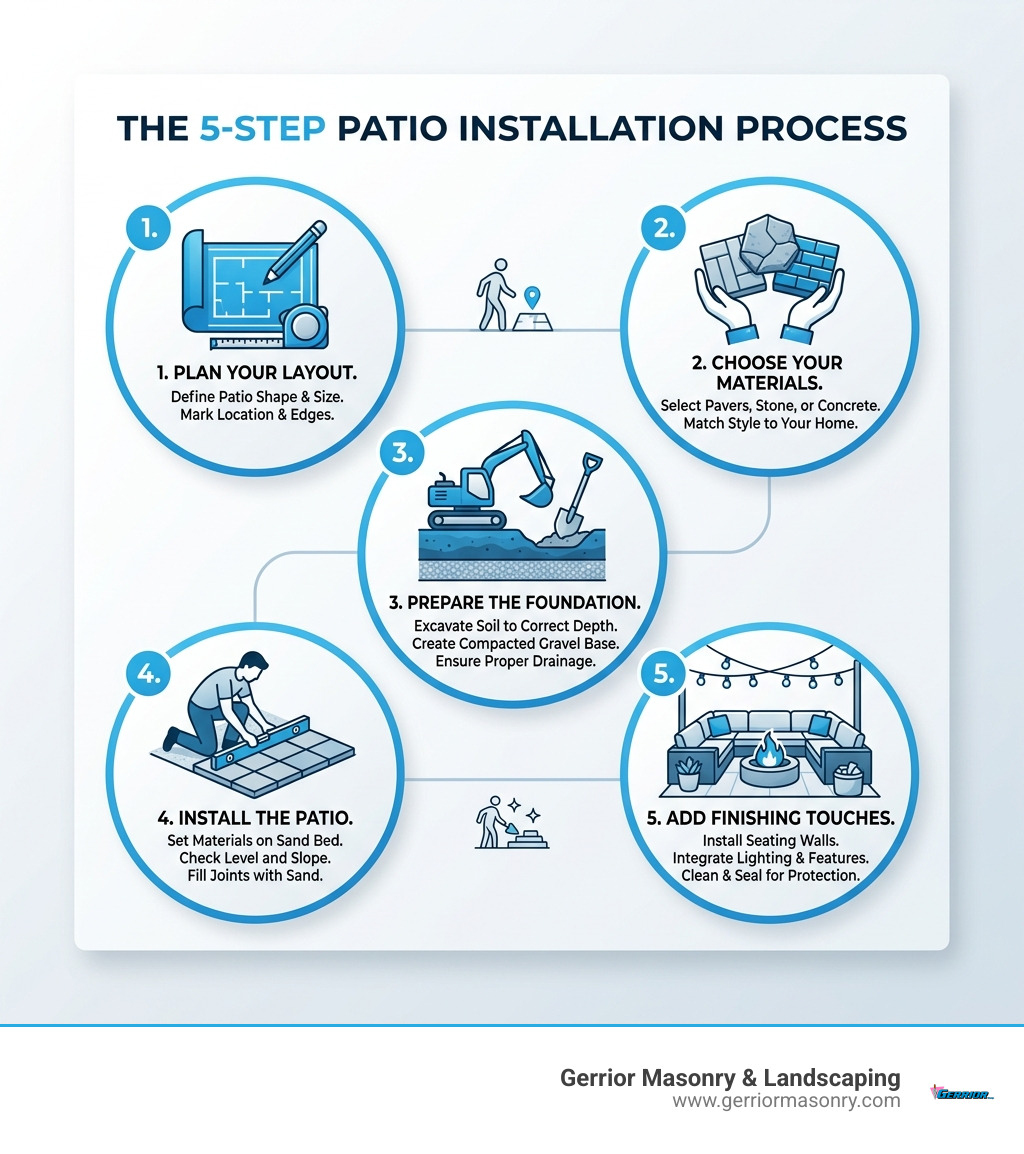
Here’s a detailed overview of what the professional process involves:
- Plan your layout – This is the most creative phase. You must decide on the size, shape, and location while considering how you’ll use the space. Do you need a large area for a dining table, or a cozy nook for a reading chair? We also consider the sun’s path to ensure you have shade when you need it most.
- Choose your materials – This is where your personal style shines. Pavers, natural stone, brick, or concrete each have different costs, maintenance requirements, and aesthetic benefits. We help you match the material to your home’s existing architecture.
- Prepare the foundation – This is the most labor-intensive part. Proper excavation, a thick gravel base, and strategic drainage are critical for longevity. Without a solid base, the freeze-thaw cycles of New England will quickly ruin your investment.
- Install the patio – Our team lays the materials level, ensuring the correct slope for water runoff and applying the proper joint treatment to keep everything locked in place.
- Add features – To truly customize the space, we can integrate fire pits, seating walls, outdoor kitchens, and low-voltage lighting. These elements turn a simple stone floor into a complete outdoor room.
- Maintain it – While stone is durable, it isn’t maintenance-free. Regular cleaning, periodic sealing, and re-sanding the joints keep it looking brand new for decades.
A patio that’s built right can last for decades with minimal upkeep. One that skips the foundation work? It may start sinking, shifting, or cracking within just a couple of years. I’m Joe Gerrior, owner of Gerrior Masonry & Landscape Construction Corp., with over 34 years of experience in patio design and installation for Massachusetts homeowners. In this guide, I’ll walk you through everything you need to know to get a patio that’s built to last through the toughest New England winters.
Planning Your Patio Design and Installation
Planning is the most critical phase of any hardscaping project. When we sit down with homeowners in towns like Lexington, Winchester, or Arlington, we don’t just look at the dirt; we look at the architecture of the house and the flow of the yard. A successful Patio Design and Installation should feel like a natural extension of your indoor living room, mirroring the style and scale of your home’s interior.
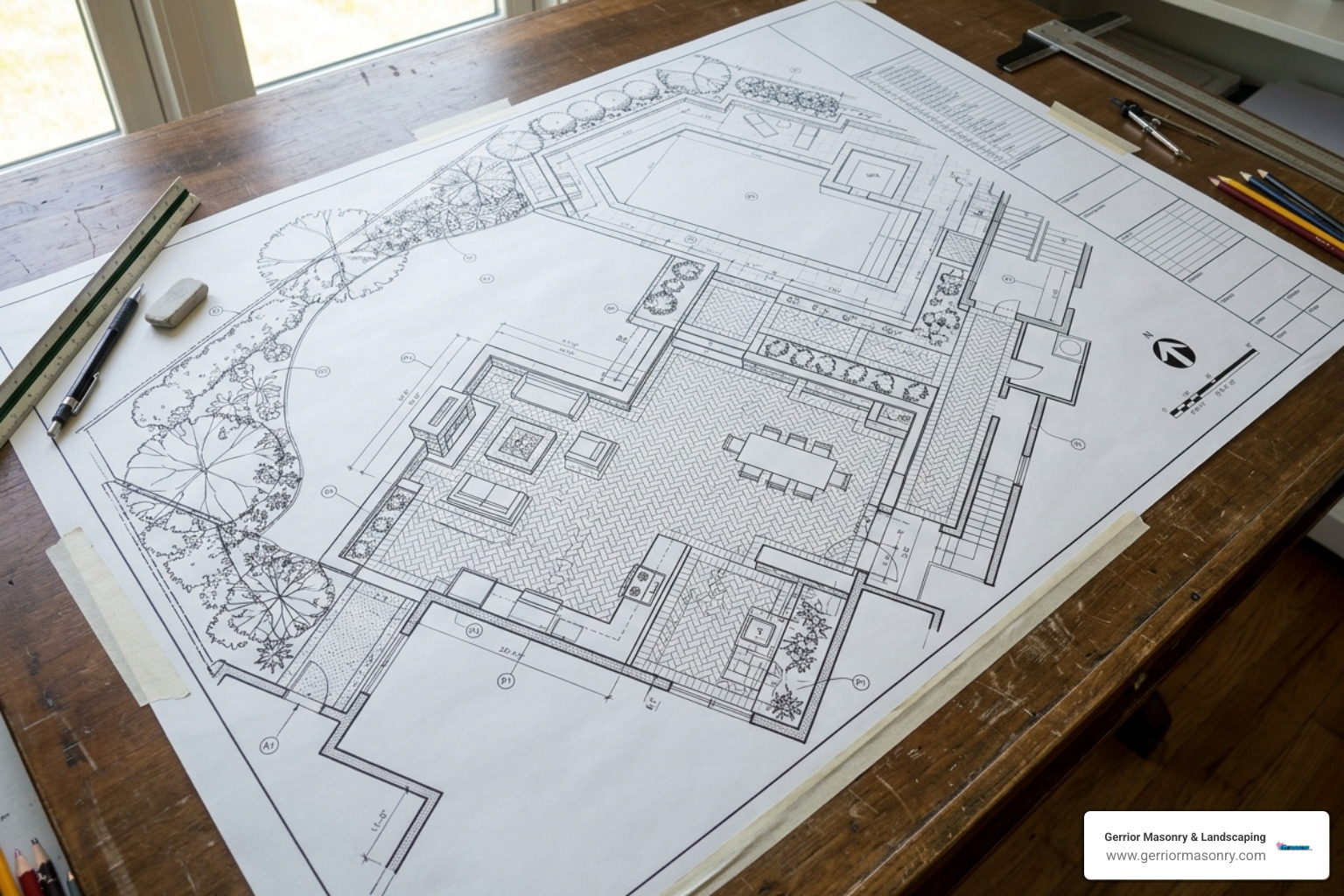
The first step is a comprehensive site analysis. We need to consider sun exposure (nobody wants to bake in the mid-day sun without an umbrella), traffic flow from the back door, and existing landscaping. If you have a beautiful oak tree or a prized garden bed, we want to design around it, not through it. We also look for potential obstacles like underground utility lines or septic tanks that might influence the final layout.
Material Selection: Finding Your Style
Choosing the right material is a balance of aesthetics, budget, and long-term durability. In Middlesex and Essex County, materials must be able to handle the intense freeze-thaw cycles of our winters. If a material is too porous, water will enter, freeze, and cause the stone to spall or crack.
| Material | Durability | Maintenance | Best For |
|---|---|---|---|
| Concrete Pavers | High | Low | Modern looks, high-traffic areas, and versatility |
| Natural Stone | Very High | Medium | Traditional/Luxury aesthetics and unique textures |
| Brick | High | Medium | Colonial-style homes and historic charm |
| Poured Concrete | Medium | Low | Budget-conscious projects and simple utility |
For those looking for a timeless, high-end finish, we often recommend Bluestone Patio Installation. Bluestone is a classic New England staple that offers incredible durability and a natural color palette that complements almost any home. It is available in “thermal” finishes for a smooth surface or “natural cleft” for a more rustic feel. If you prefer a more structured, classic look, a Brick Paver Patio is an excellent choice, especially for the historic colonial homes found in Concord and Salem.
Choosing Materials for Your Patio Design and Installation
When evaluating materials, think about longevity. Interlocking pavers are a favorite for Patio Design and Installation because they are flexible. Unlike a solid slab of concrete, which can crack when the ground shifts during a deep freeze, individual pavers move slightly with the earth. If one happens to break or get stained by oil, you can simply pop it out and replace it without tearing up the whole yard.
Maintenance is another factor to weigh. While natural stone may require periodic sealing to prevent staining from leaf litter or spilled wine, concrete pavers are often factory-sealed for extra protection. We suggest exploring various backyard patio designs to see how different textures—from smooth modern slabs to tumbled, rustic stones—change the “vibe” of the space. For many of our clients, paver patios offer the best “bang for the buck.” They provide the look of natural stone but are often easier to install and more cost-effective.
Essential Foundation and Drainage Requirements
If you take one thing away from this guide, let it be this: your patio is only as good as what’s underneath it. Proper base preparation is the difference between a patio that looks great for thirty years and one that looks like a roller coaster after two winters. We follow a rigorous excavation process. This involves digging out the soil to a specific depth, usually around 8 to 12 inches, depending on the soil type and the chosen material. We then lay a 6-inch layer of crushed gravel, which is compacted in stages using heavy machinery to create a rock-solid foundation. On top of that goes a 1-inch layer of leveling sand to ensure the pavers sit perfectly flat.
Drainage is the silent hero of Patio Design and Installation. Water pooling on a patio isn’t just annoying; it’s a structural hazard that can lead to ice patches in winter. We ensure every patio has a slight slope—typically 1 inch of drop for every 4 to 8 feet of length—to direct water away from your home’s foundation. In some cases, we integrate drainage systems like French drains or dry wells to handle heavy runoff from gutters and prevent erosion in your lawn.
Custom Features: Fire Pits and Outdoor Kitchens
Once the floor is set, it’s time for the fun stuff. A flat patio is a surface, but features make it a “destination.”
- Fire Pits: These are the ultimate gathering spots. Whether you want a wood-burning pit for that authentic campfire smell or a gas-powered unit for instant ambiance, we can build it directly into your paver design. Check out our options for outdoor fireplaces if you want something even more substantial.
- Seating Walls: Why clutter your patio with plastic chairs? Built-in seating walls define the perimeter of your space and provide permanent spots for guests to sit. They are usually 18 to 24 inches high—the perfect height for a comfortable perch and a great way to manage changes in grade.
- Outdoor Kitchens: For the home chef, a custom outdoor kitchen is a game-changer. We can install grill islands, pizza ovens, and even outdoor refrigerators, all wrapped in stone that matches your patio perfectly.
Professional Execution and Long-Term Care
While the DIY spirit is alive and well in Massachusetts, Patio Design and Installation at this scale is a heavy lift—literally. A standard 400-square-foot patio involves moving tons of earth, gravel, and stone. This isn’t just about physical labor; it’s about the engineering required to ensure the structure doesn’t fail after the first heavy rain or deep freeze.
When you hire professional patio installers, you’re paying for precision and peace of mind. At Gerrior Masonry & Landscaping, we provide owner oversight on every project. This means Joe Gerrior is personally ensuring that the levels are perfect, the cuts are clean, and the site is left spotless. We also offer a workmanship warranty, giving you confidence that your investment is protected against structural failure.
Estimating the Cost of Patio Design and Installation
Budgeting is always the biggest question for homeowners. It’s important to understand that labor often accounts for a significant portion of the total cost because of the intense site preparation required. Based on internet data, average costs for standard Patio Design and Installation projects typically range from $4,000 to $12,000+. However, keep in mind that custom work, high-end materials, and additional features can easily push costs higher. For a more complex project involving multi-tiered natural stone and an outdoor kitchen, the high end of the range can reach $36,000 or more. Please note that these are average costs based on internet data and not actual costs for Gerrior Masonry services.
Factors that influence your price include:
- Accessibility: Can we get our heavy equipment into your backyard easily, or do we need to move materials by hand through a narrow gate?
- Site Prep: Does the yard need significant grading, tree removal, or the demolition of an old concrete slab?
- Materials: Rare natural stones or imported pavers cost more than standard local concrete pavers.
- Features: Adding gas lines for fire pits or plumbing for outdoor sinks increases the technical scope and cost.
For more details on what’s included in our process, you can view our patio installation services page.
Permits, Safety, and Professional Standards
Before we ever strike a shovel into the ground, safety and legality come first. Most towns in our service area, like Bedford, Billerica, or Reading, have specific building codes regarding “impervious surfaces.” This means there may be limits on how much of your yard can be covered by a patio to prevent flooding in the neighborhood. We handle the permitting process for our clients, ensuring the design meets all local setbacks and regulations. We also follow the 10 Step Guide to Installing Pavers Like a Pro, which includes calling 811 to mark underground utility lines. Hitting a gas or water line is a quick way to ruin a project—and a budget.
Maintenance and Finishing Touches
A common misconception is that a stone patio is “set it and forget it.” While they are low-maintenance compared to a wooden deck, they aren’t no-maintenance.
- Cleaning: A simple sweep and an occasional wash with a garden hose go a long way. For tougher stains like grease or wine, we recommend professional-grade cleaners that won’t damage the stone’s surface.
- Sealing: Especially for natural stone like bluestone or granite, sealing every 3-5 years helps protect against UV fading and deep food stains. It also enhances the natural color of the stone.
- Polymeric Sand: This special sand is used to fill the joints between pavers. It contains a binder that hardens when wet, preventing weeds from growing and keeping ants from making a home under your patio. If the sand washes out over several years, it needs to be topped off to maintain structural integrity.
- Lighting and Plants: To truly finish the space, consider low-voltage LED lighting integrated into the steps or walls. Softening the edges with native Massachusetts plants like hydrangeas, hostas, or boxwoods can make the hardstone feel more integrated into the garden.
If you’re ready to stop dreaming and start building, reaching out to experienced patio contractors is the best way to get an accurate assessment of your property’s potential. Whether you are in Woburn, Andover, or Melrose, we are here to help you navigate the entire process from the first sketch to the first fire in your new pit. Patio Design and Installation is an investment in your happiness at home, and we take that responsibility seriously. Gerrior Masonry & Landscape Construction is based in Woburn, MA, and services Middlesex and Essex County, Massachusetts.