
Waterproof Bulkhead Doors: Top 3 Best in 2025
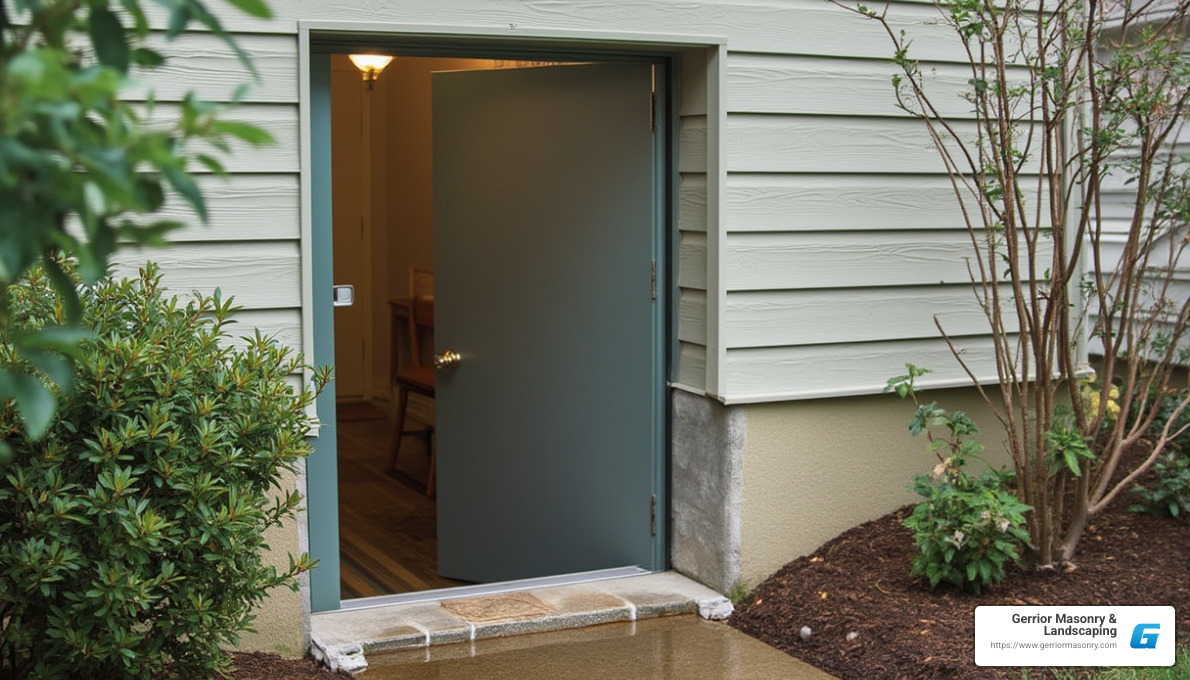
Waterproof bulkhead doors are essential for homeowners seeking effective basement access, superior weatherproofing, and improved home security. These doors are not just entrances; they act as barriers against water infiltration, protecting your basement and its contents from potential damage. Here’s what you need to keep in mind:
- Basement Access: Seamlessly move large items into the basement without navigating tight interior staircases.
- Weatherproofing: Keeps water out, reducing the risk of flooding, mold, and mildew.
- Durability: Opt for materials like fiberglass or steel to ensure longevity and minimal maintenance.
My name is Joe Gerrior, owner of Gerrior Masonry & Landscape Construction Corp. With over 34 years in masonry and landscaping, I’ve specialized in installing durable and aesthetically pleasing waterproof bulkhead doors across Massachusetts.
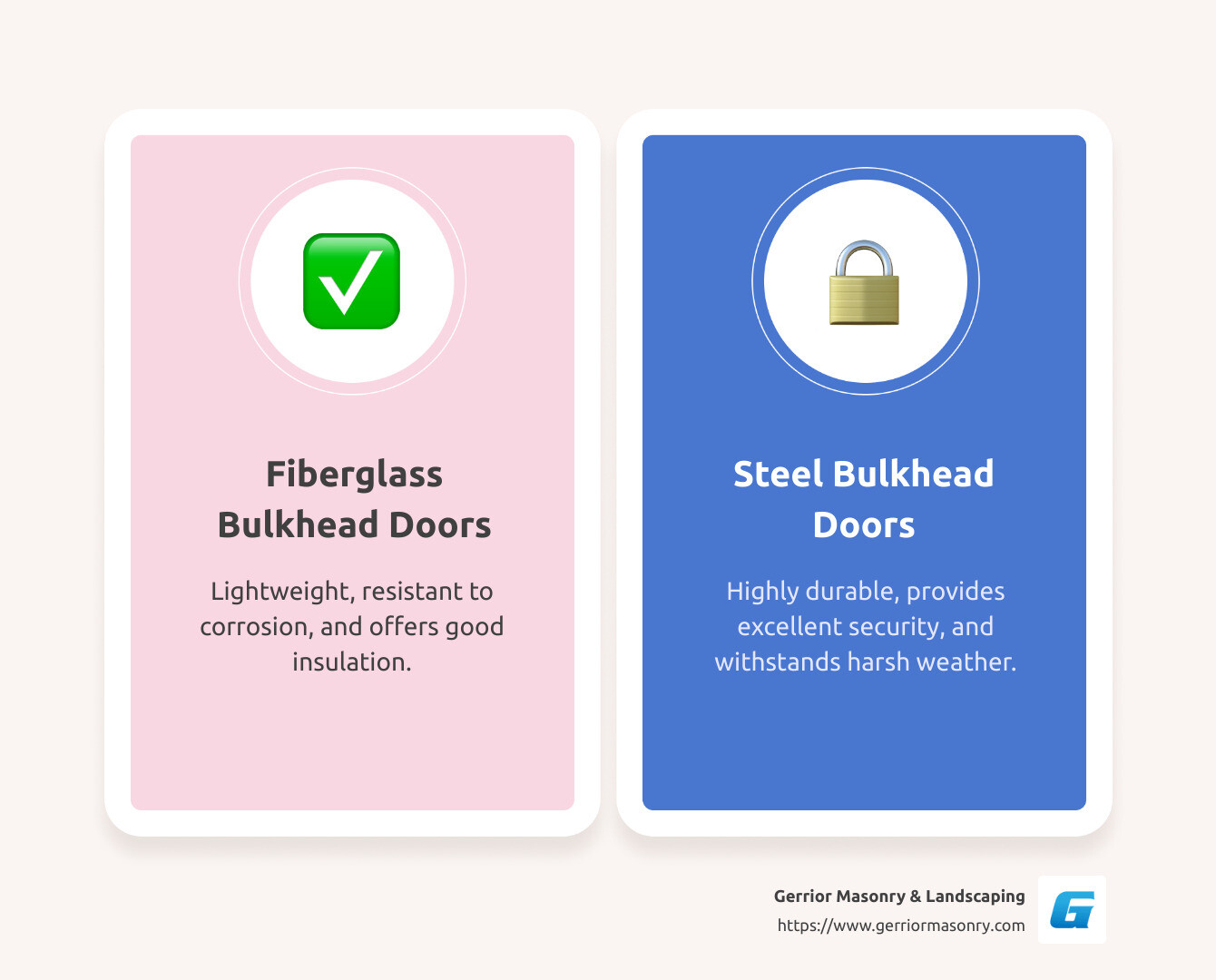
Quick look at waterproof bulkhead doors:
– bulkhead doors basement
– basement bulkhead replacement
– bulkhead repair
Understanding Waterproof Bulkhead Doors
Waterproof bulkhead doors play a crucial role in protecting your basement from water damage. They are designed to prevent water infiltration, which can lead to mold, mildew, and structural issues. Let’s explore how these doors achieve their waterproofing capabilities.
Waterproofing Essentials
Waterproofing is the process of making a structure resistant to water penetration. For bulkhead doors, this involves using high-quality materials and techniques to create a watertight seal. Ensuring your bulkhead door is waterproof is vital for maintaining a dry and safe basement environment.
The Role of Sealant
Sealant is a key component in waterproofing bulkhead doors. It is used to fill gaps and cracks where water might seep through. A good sealant should adhere well to both metal and concrete surfaces, providing a flexible yet durable barrier against water.
- Concrete Frame: The concrete frame surrounding the bulkhead door must be sealed properly. Any cracks in the concrete can be potential entry points for water. Using a concrete sealant will help reinforce these areas and prevent leaks.
- Metal and Concrete Bonding: Applying a waterproof sealant that bonds effectively to both metal and concrete is essential. This ensures that the door and its frame work together to keep water out.
Importance of a Concrete Frame
The concrete frame is the foundation of your bulkhead door. It needs to be solid and free of cracks to provide a stable base for the door. A compromised concrete frame can lead to water infiltration and structural damage.
- Inspect Regularly: Regular inspections of the concrete frame can help identify any potential issues early on. Look for cracks or signs of wear and address them promptly with appropriate sealants.
- Reinforce as Needed: If your concrete frame shows significant wear, consider reinforcing it. This can include adding additional layers of concrete or using specialized repair products to restore its integrity.
By understanding these key aspects of waterproof bulkhead doors, you can ensure that your basement remains dry and protected from water damage. Proper installation and maintenance are crucial in maximizing the effectiveness of these doors.
Key Features of High-Quality Waterproof Bulkhead Doors
When choosing waterproof bulkhead doors, it’s important to focus on several key features that ensure they perform effectively. Let’s explore the essential aspects that make these doors a smart choice for protecting your basement.
Material
The material of your bulkhead door plays a crucial role in its performance and longevity. High-quality doors are typically made from fiberglass, steel, or aluminum.
- Fiberglass: Known for being rust-free and maintenance-free, fiberglass doors like the ClamDoor are lightweight and easy to operate. They offer excellent insulation and are highly durable.
- Steel and Aluminum: These materials provide strength and security. While they may require more maintenance to prevent rust, they are robust and long-lasting options for bulkhead doors.
Durability
Durability ensures your bulkhead door can withstand harsh weather conditions and remain functional for years.
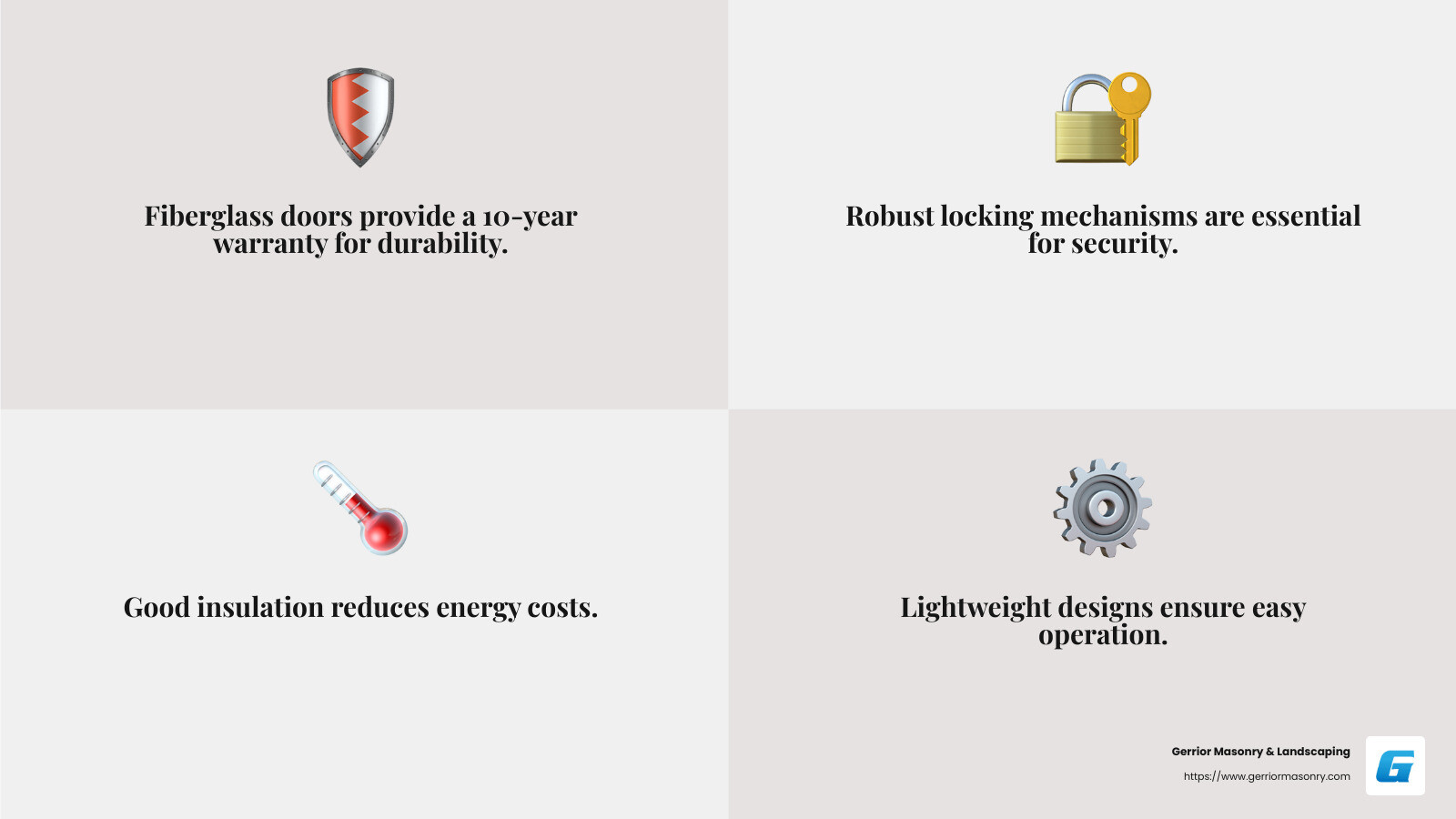
- Fiberglass Doors: With a 10-year warranty, fiberglass doors are extremely durable and can handle tough weather without deteriorating.
- Steel and Aluminum Doors: These doors are also durable but may need periodic maintenance to stay in top condition.
Security
Security is a top priority for any basement entry. High-quality bulkhead doors should offer robust security features.
- Locking Mechanisms: A reliable locking system is essential to prevent unauthorized access.
- Sturdy Construction: Materials like steel and fiberglass provide excellent resistance to break-ins, ensuring your home stays secure.
Insulation
Proper insulation helps maintain your home’s energy efficiency and comfort.
- Weatherproofing: Look for doors designed to be weathertight, keeping out moisture and cold air.
- Energy Efficiency: Doors with good insulation help maintain your home’s temperature, reducing energy costs.
Ease of Operation
Ease of operation is vital for convenience and safety.
- Lightweight Design: Fiberglass doors are particularly lightweight, making them easy to open and close.
- Smooth Action: High-quality doors should operate smoothly without sticking or requiring excessive force.
By focusing on these features—material, durability, security, insulation, and ease of operation—you can select the best bulkhead door for your basement. These features ensure that your door not only protects against water damage but also improves the security and energy efficiency of your home.
Next, we’ll explore the top materials for waterproof bulkhead doors and how they contribute to the door’s overall performance.
Top Materials for Waterproof Bulkhead Doors
When selecting waterproof bulkhead doors, understanding the materials used is crucial. The right material ensures not only protection from the elements but also improves durability, security, and ease of use. Let’s take a closer look at the top materials: fiberglass, steel, and aluminum.
Fiberglass
Fiberglass is a standout choice for waterproof bulkhead doors. It’s known for being completely rust-free, which means you won’t have to worry about corrosion over time. This material is also maintenance-free, saving you time and effort in the long run. One of the most appealing aspects of fiberglass is its lightweight nature. This makes the doors easy to open and close, which is ideal for quick access to your basement.
Moreover, fiberglass doors like the ClamDoor offer excellent insulation. They are designed to be weathertight, effectively keeping out moisture and cold air. This not only protects your basement from water damage but also helps maintain your home’s energy efficiency.
Steel
Steel is synonymous with strength and security. It’s a robust material that offers excellent resistance to break-ins, making it a secure choice for basement access. While steel doors may require more maintenance to prevent rust, their durability is undeniable. Regular inspections and maintenance can ensure that a steel bulkhead door remains in top condition for years.
Steel doors also provide a solid barrier against harsh weather conditions. Their sturdy construction is ideal for homeowners looking for a long-lasting and secure option.
Aluminum
Aluminum doors offer a balance between the lightweight nature of fiberglass and the strength of steel. They are less prone to rust compared to steel, which reduces the maintenance required. Aluminum is also a durable material that can withstand various weather conditions, ensuring your basement remains protected from water intrusion.
While aluminum may not offer the same level of security as steel, it still provides a decent level of protection. Its lightweight nature also makes it easy to operate, similar to fiberglass doors.
In summary, when choosing waterproof bulkhead doors, consider the benefits of each material:
- Fiberglass: Rust-free, maintenance-free, lightweight, excellent insulation.
- Steel: Strong, secure, durable, requires maintenance to prevent rust.
- Aluminum: Lightweight, less prone to rust, durable, easy to operate.
Each material has its unique advantages, and the best choice depends on your specific needs and priorities. Up next, we’ll dig into installation and maintenance tips to ensure your waterproof bulkhead doors perform at their best.
Installation and Maintenance Tips
Proper installation and regular maintenance are key to ensuring your waterproof bulkhead doors last for years and provide optimal protection.
Installation Process
Installing bulkhead doors might seem daunting, but with the right approach, it can be straightforward:
- Measure Accurately: Start by measuring the opening to ensure a snug fit. This prevents gaps that could let water in.
- Site Preparation: Clear debris around the opening and level the area. A clean, flat surface is essential for a secure installation.
- Frame Installation: Attach the frame to the foundation using durable anchors. This provides a stable base for the door.
- Door Attachment: Mount the door to the frame. Make sure it aligns perfectly to allow smooth operation.
- Seal the Edges: Apply a weatherproof sealant around the edges to prevent water infiltration. This step is crucial for keeping your basement dry.
Most bulkhead doors, like the ClamDoor, arrive fully assembled, making the installation process quicker and easier.
Regular Maintenance
To keep your bulkhead doors in top condition, follow these maintenance tips:
- Inspect Regularly: Look for signs of wear, rust, or damage. Catching issues early can prevent costly repairs later.
- Lubricate Hinges: Apply lubricant to the hinges to ensure they operate smoothly. This also helps prevent squeaks and wear.
- Clean Thoroughly: Remove dirt and debris from the door and surrounding area. This prevents blockages and corrosion.
- Check Seals: Inspect weatherproof seals regularly. Replace them if they show signs of wear to maintain a watertight barrier.
Weatherproofing
Weatherproofing is essential, especially in areas with harsh climates. Here’s how to keep your bulkhead doors watertight:
- Sealant Choice: Choose a sealant that adheres well to both metal and concrete. Polyurethane sealants are often recommended, but ensure they’re suitable for the temperature range in your area.
- Cold Weather Curing: If you need to seal in colder temperatures, look for a sealant that cures in low temperatures. This ensures the bond remains strong even in fluctuating weather.
By following these tips, you can ensure your waterproof bulkhead doors remain functional and protective for years. Next, we’ll address some common questions about waterproof bulkhead doors to further guide you in maintaining and optimizing your basement access.
Frequently Asked Questions about Waterproof Bulkhead Doors
How do you waterproof a bulkhead door?
Waterproofing a bulkhead door involves a few key steps to ensure that water doesn’t seep into your basement. Start by inspecting the seals around the door. Worn-out seals are often the main culprits for leaks. Replace any damaged seals promptly.
Apply a high-quality sealant around the edges where the door meets the concrete frame. This is crucial to prevent water infiltration. For best results, use a polyurethane sealant as it bonds well with both metal and concrete. If you’re working in colder temperatures, make sure to choose a sealant that cures effectively in low temperatures. This will ensure a strong, lasting bond.
What is the best material for a bulkhead door?
When it comes to choosing the best material for a bulkhead door, steel is often the top choice. Steel doors offer excellent durability and security. They are strong enough to withstand harsh weather conditions and provide a robust barrier against potential intruders.
However, if you’re looking for materials that offer additional benefits, consider fiberglass or aluminum. Fiberglass is lightweight and resistant to corrosion, while aluminum is known for its rust resistance and ease of maintenance. Each material has its advantages, so consider your specific needs and environment when making a decision.
How to stop a bulkhead from leaking?
To stop a bulkhead from leaking, start by conducting a thorough inspection of the existing seals. Look for any cracks or gaps that could be letting water in. Once identified, these should be addressed immediately.
Next, apply a fresh coat of sealant to all the seams and joints. This will reinforce the barrier against water. Ensure that the sealant you use is compatible with both metal and concrete surfaces for the best results. It’s also important to reapply sealant periodically as part of regular maintenance to maintain the integrity of the waterproofing.
By following these steps, you can effectively waterproof your bulkhead doors and protect your basement from water damage. This proactive approach not only safeguards your belongings but also extends the life of your bulkhead doors.
Conclusion
Choosing Gerrior Masonry & Landscaping for your bulkhead replacement needs is a smart investment in your home’s future. With over 30 years of experience, our team specializes in changing your cellar entrance with high-quality waterproof bulkhead doors. We understand that a well-installed bulkhead can significantly improve your home’s value and security.
Why opt for bulkhead replacement?
- Increase Home Value: A new bulkhead door not only boosts your home’s aesthetic appeal but also its market value. Potential buyers appreciate the added security and functionality.
- Protect Your Investment: Properly sealed and maintained bulkhead doors prevent water damage, protecting your basement from costly repairs due to leaks and mold.
- Expert Installation: Our skilled professionals ensure that each installation meets the highest standards. We use quality materials like steel, fiberglass, and aluminum to suit your specific needs.
- Comprehensive Services: From initial consultation to final installation, we handle every step with precision and care, ensuring a seamless experience for our clients.
Ready to improve your home with new waterproof bulkhead doors? Trust Gerrior Masonry & Landscaping to deliver exceptional results. Explore our bulkhead replacement services and see how we can help protect and lift your home.
Invest in the longevity and value of your property today!
